



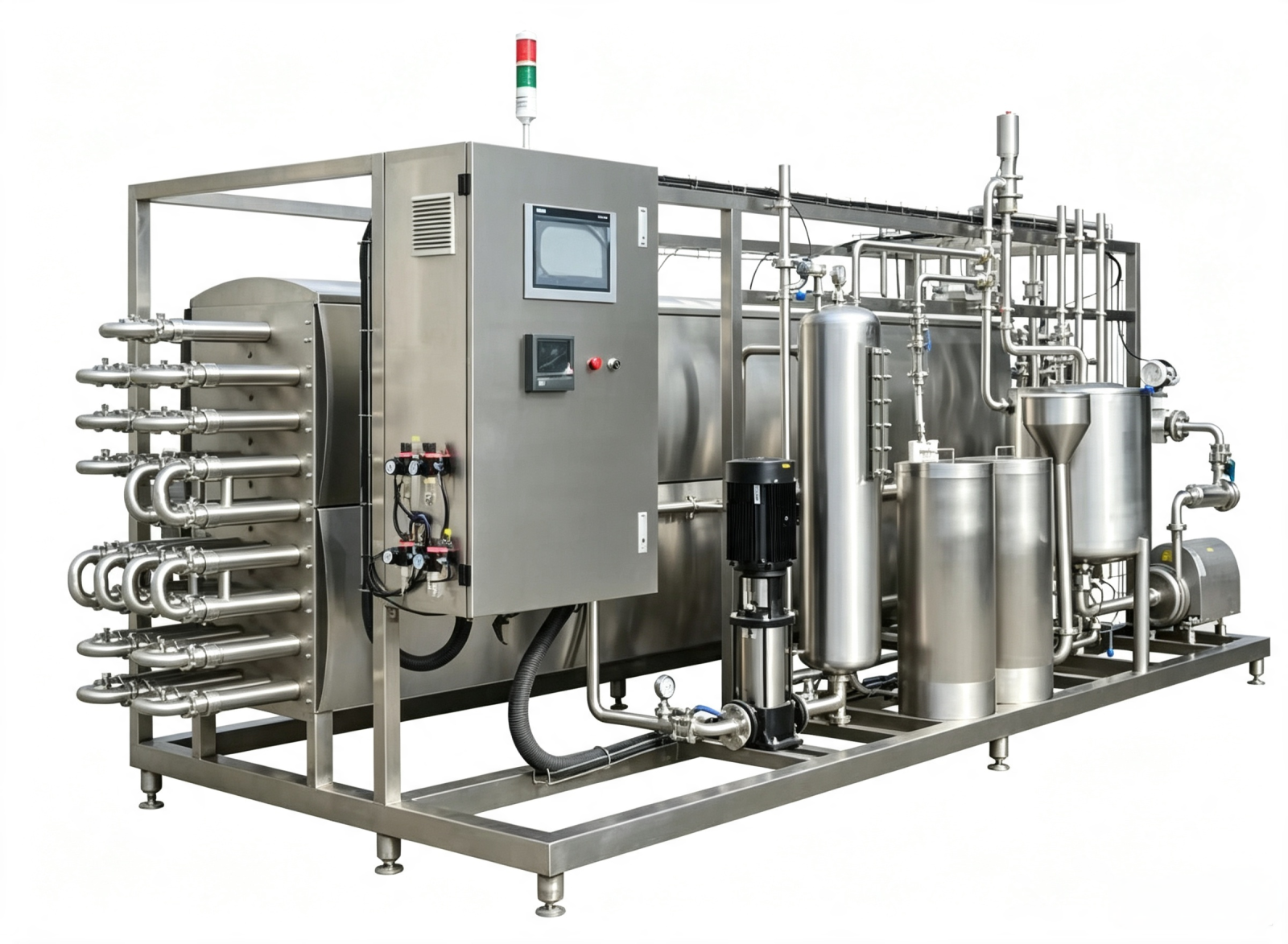
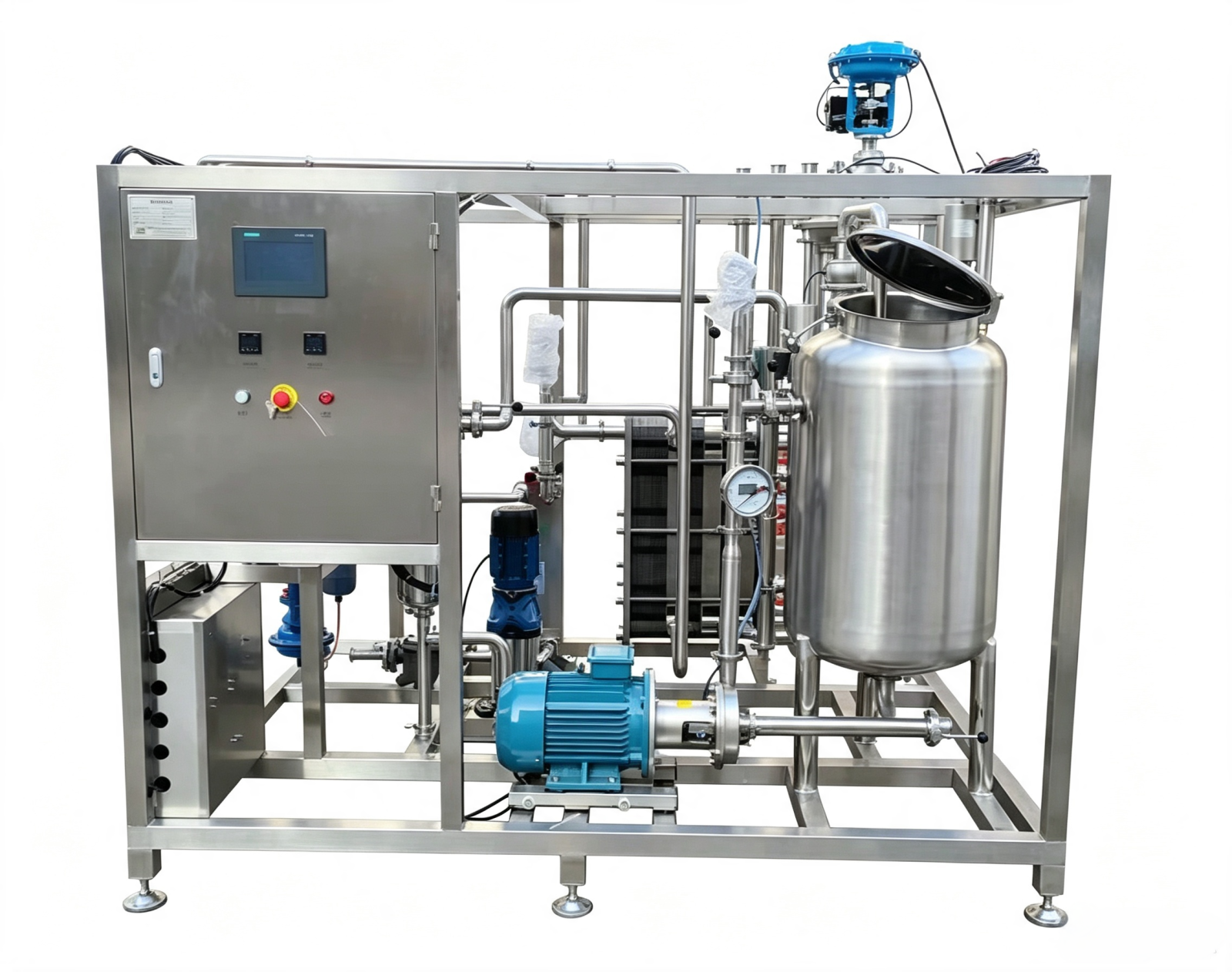
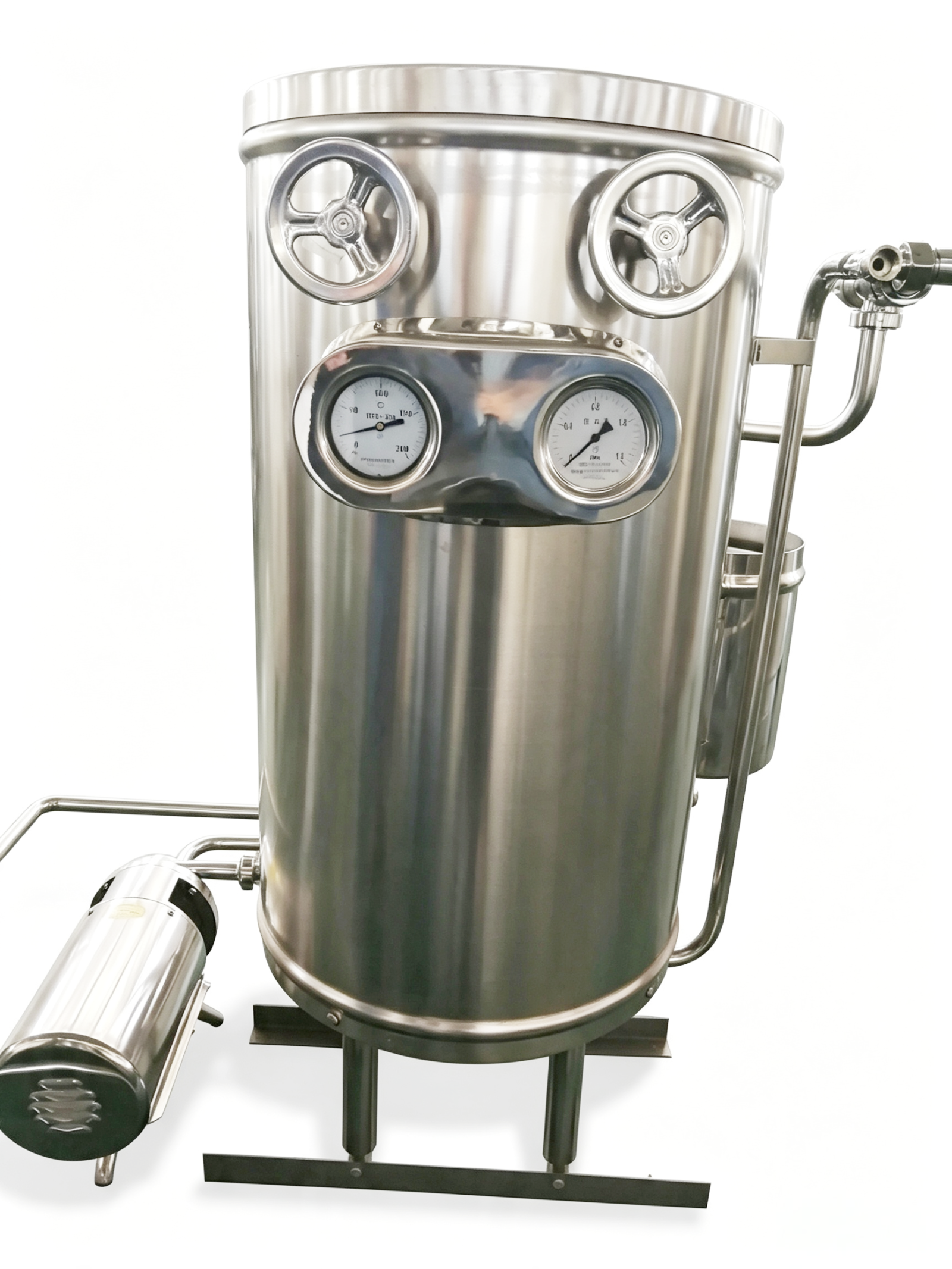
UHT

Product Value
01
Instantaneous high-temperature sterilization eliminates microorganisms and spores, achieving commercial sterility and extending ambient shelf life.
02
Brief heating minimizes thermal damage; compared to traditional long-duration pasteurization, it better preserves the flavor, color, and vitamin content of fruit juices and dairy beverages.
03
Heat recovery saves energy and reduces consumption; heat exchange between incoming and outgoing product streams—using the hot outflow to preheat the cold inflow—significantly lowers steam usage.
04
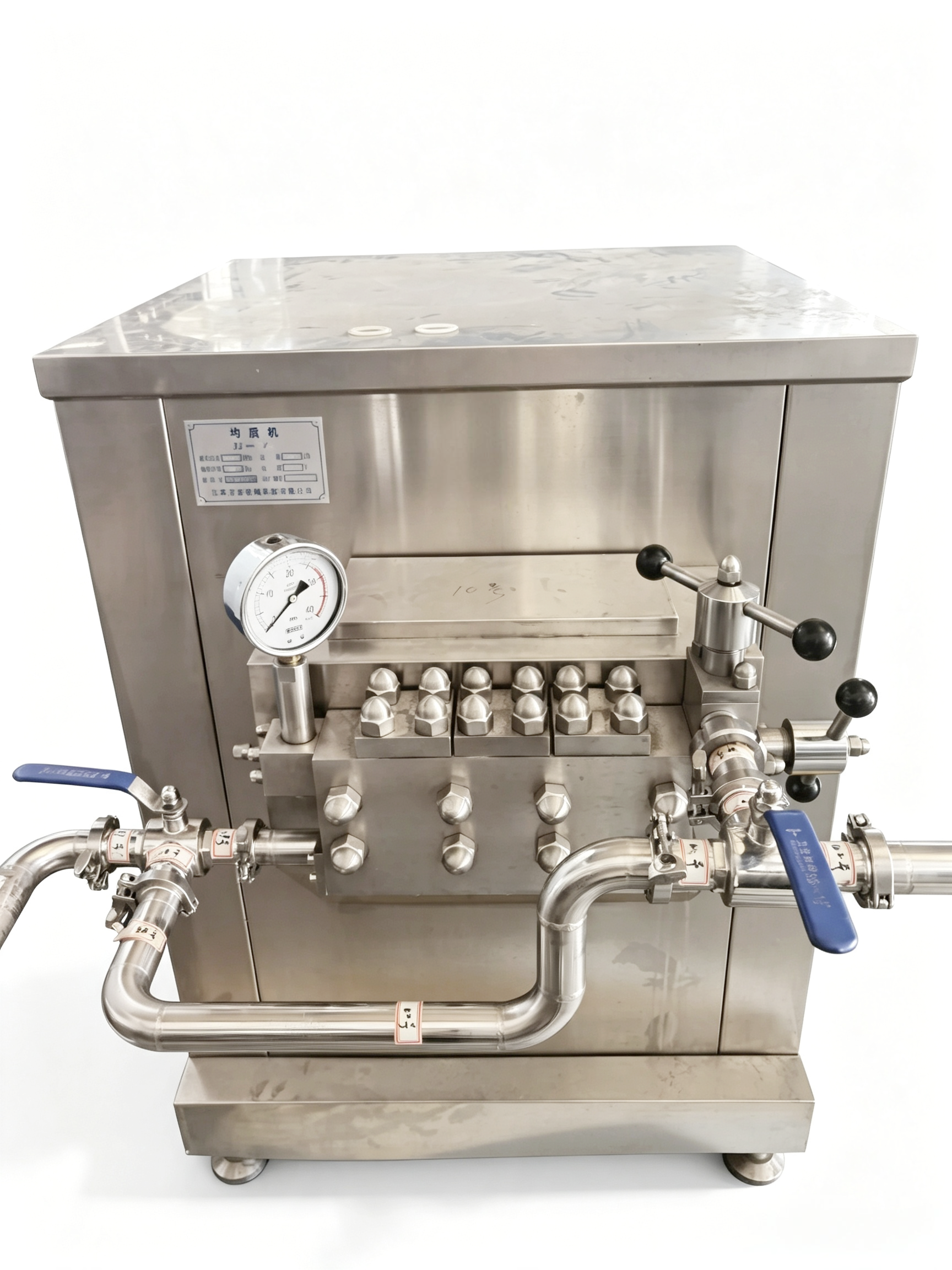
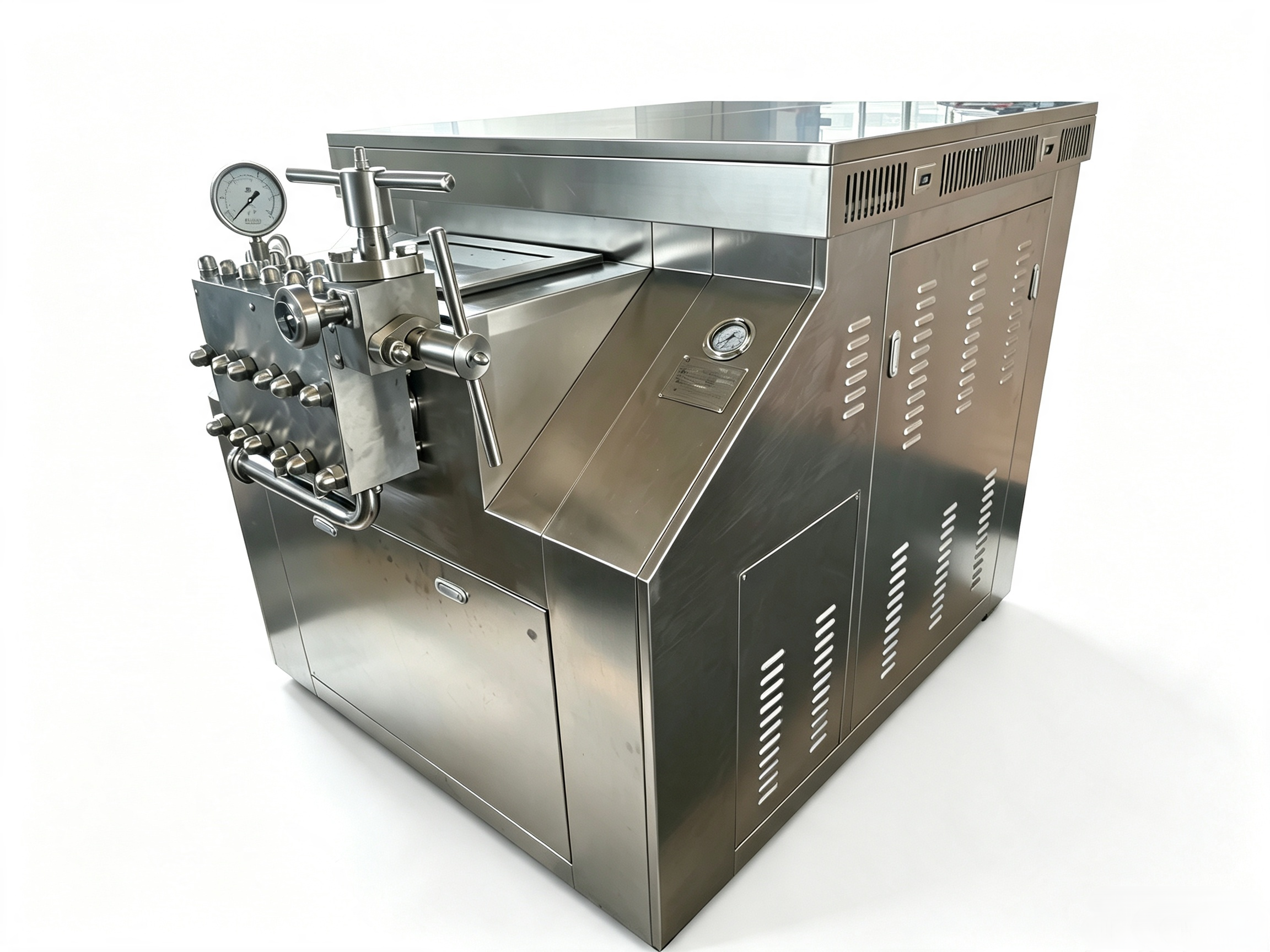
Supports continuous, automated in-line production; integrates with homogenizers and filling machines to create a seamless, unified process covering pre-treatment, sterilization, and filling.
Applicability boundaries

Materials
Flowable liquids such as milk, plant-based protein drinks, fruit juices, tea beverages, and functional drinks; may contain small amounts of fine fruit pulp.

Operating Conditions
Aseptic cold-filling and hot-filling production lines; requirements for ambient-temperature, long-shelf-life products; continuous, high-volume production.
Working Principle
The material undergoes preheating, ultra-high temperature (UHT) holding for a short duration, and cooling.
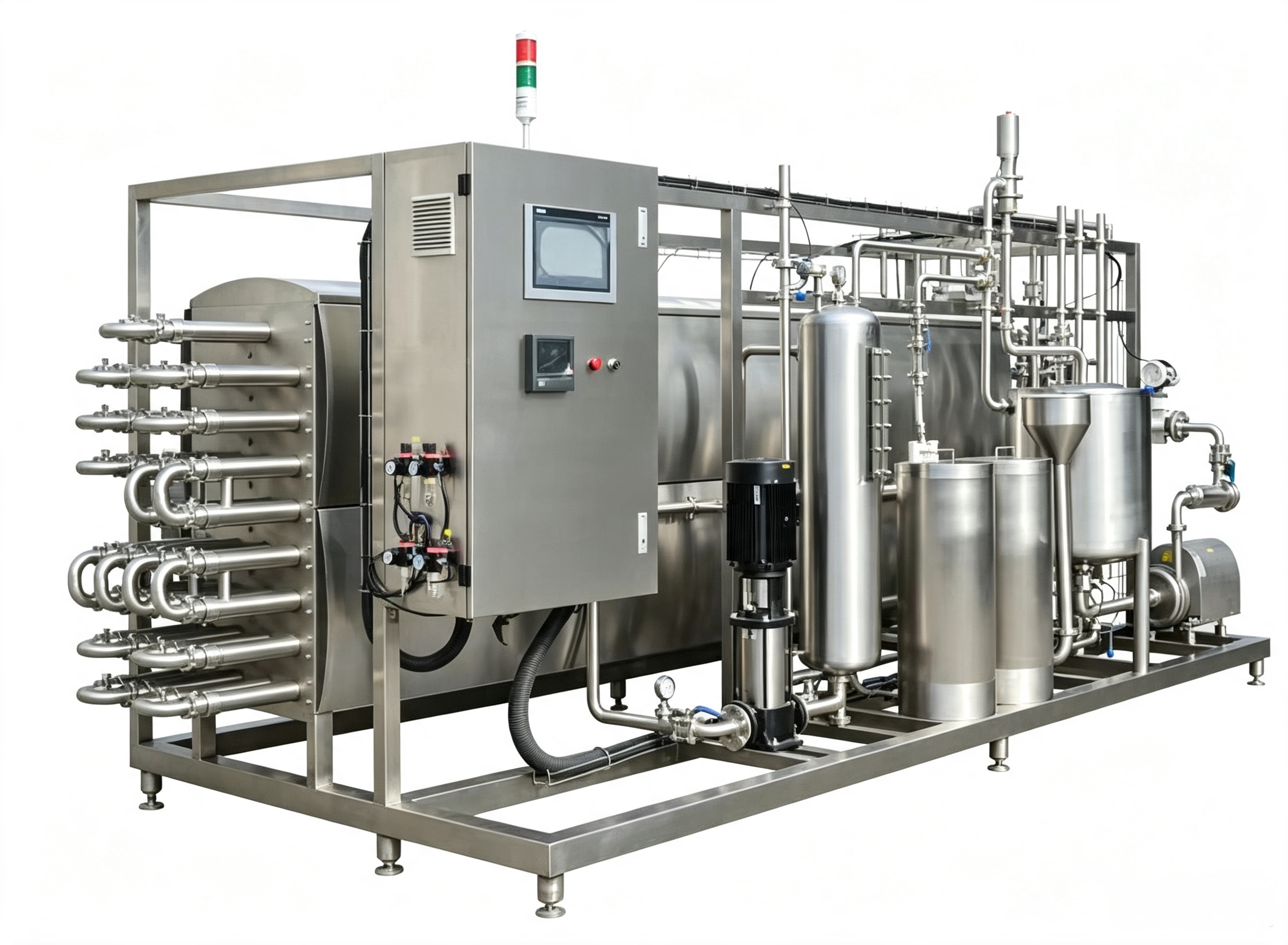
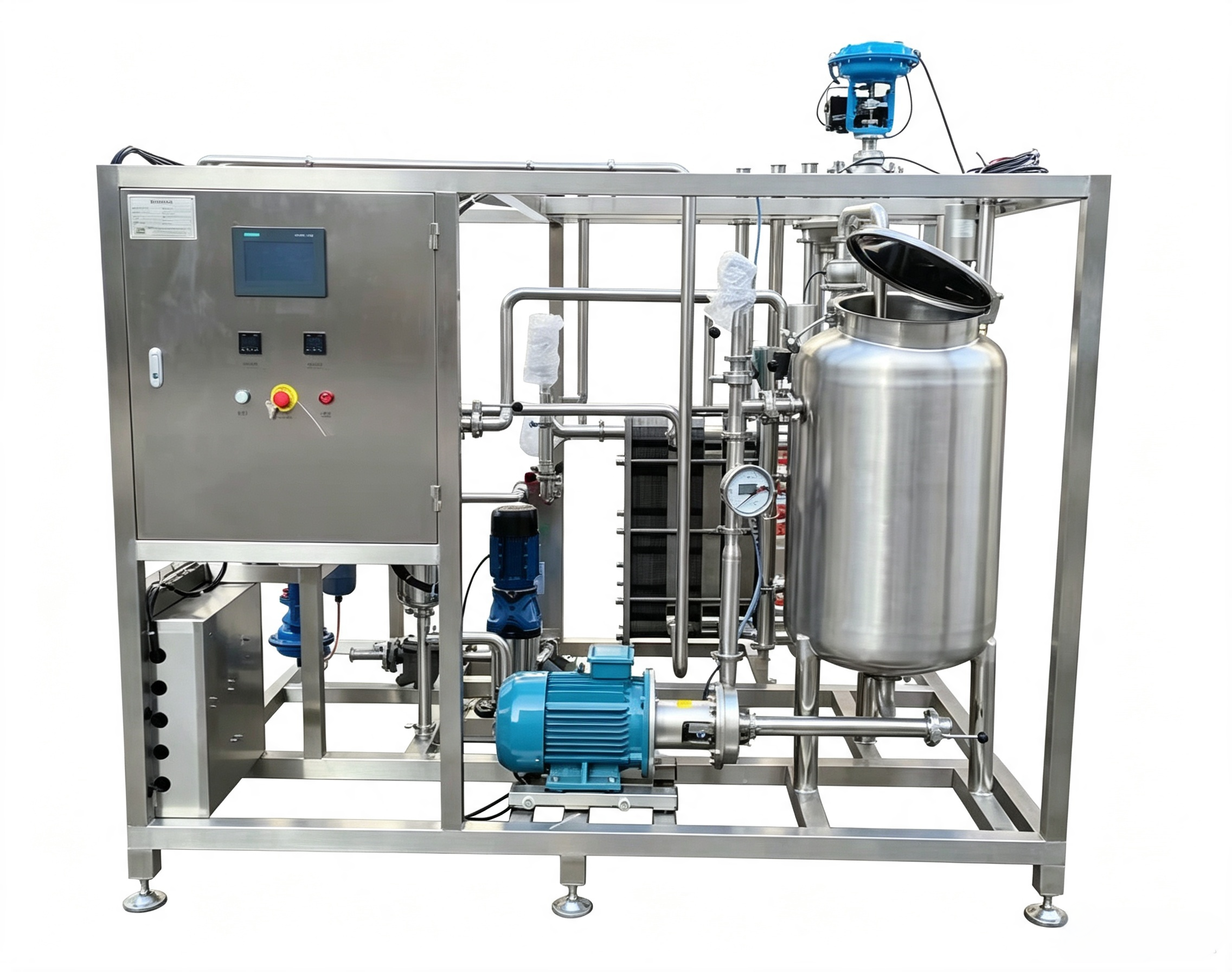
Plate UHT: High heat exchange efficiency; suitable for low-viscosity products without large particles.
Tubular UHT: Resistant to fouling; capable of handling fine fruit pulp.
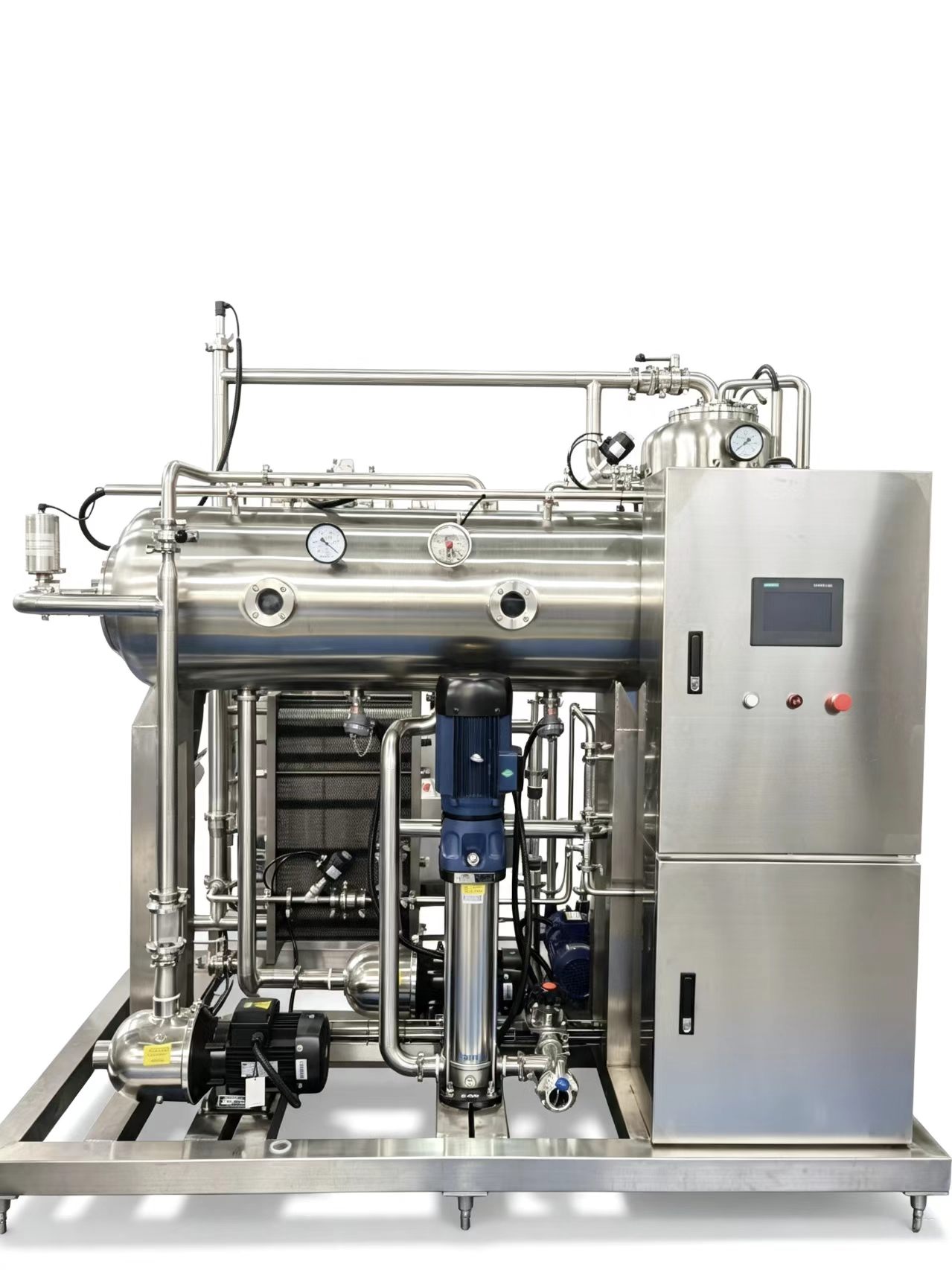
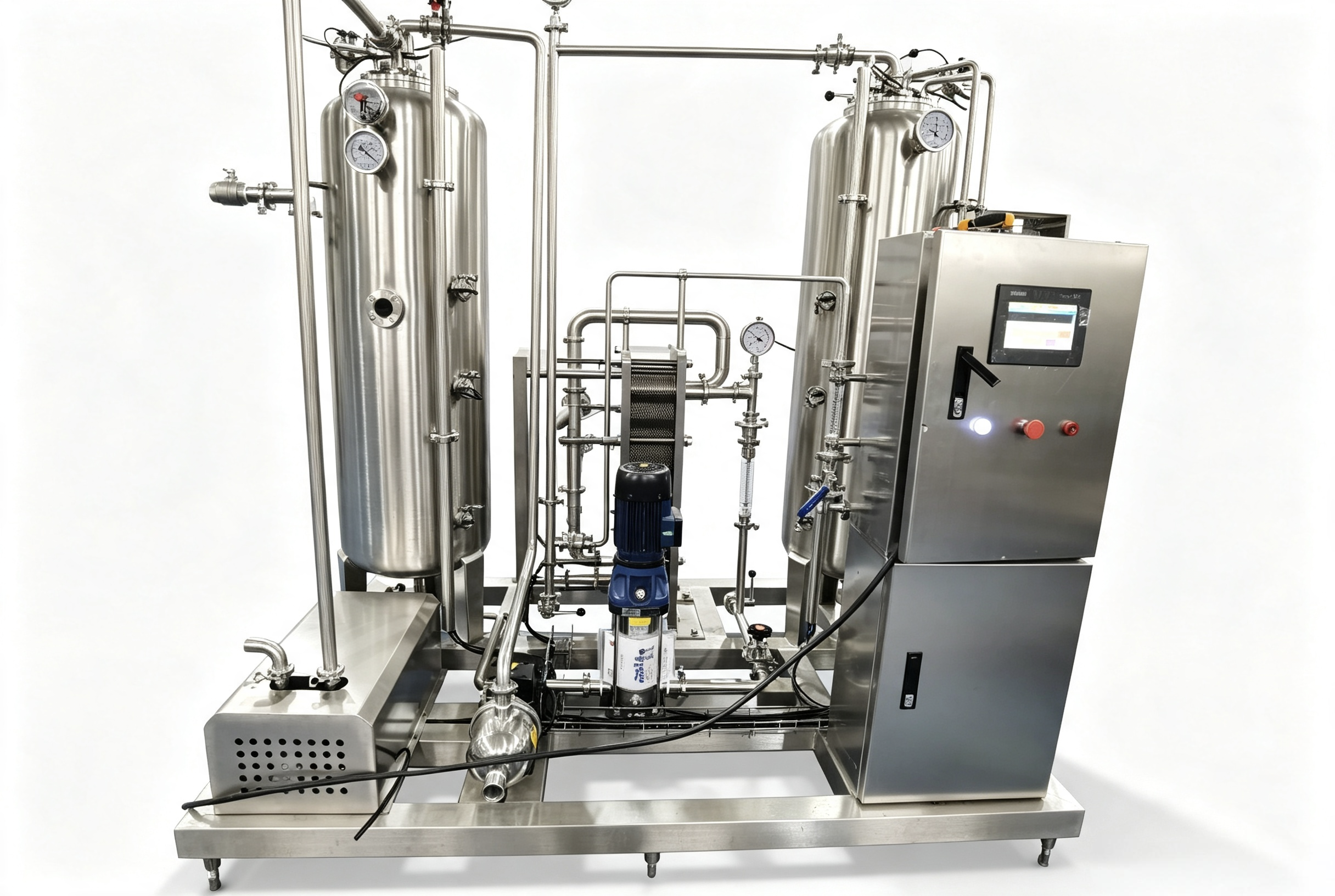
Core components
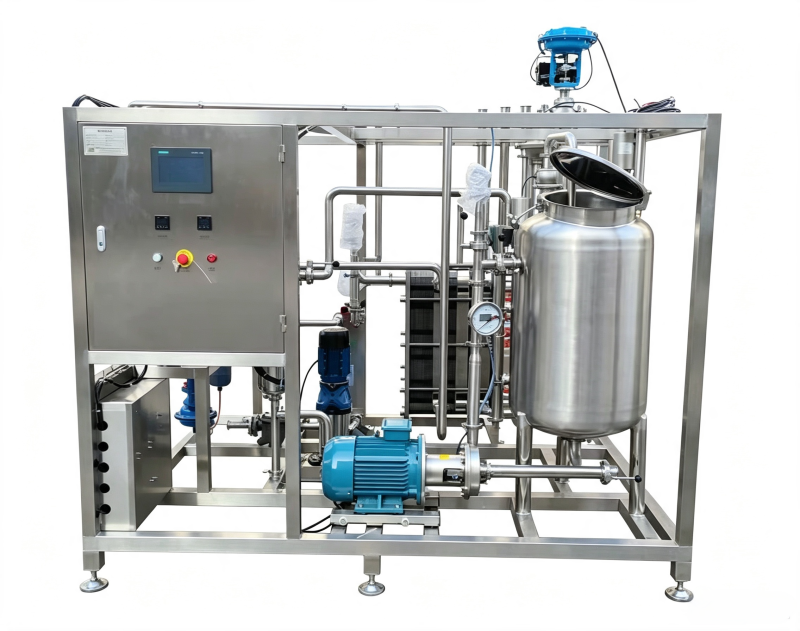
Heat exchange unit
Product heating, heat recovery, and cooling.
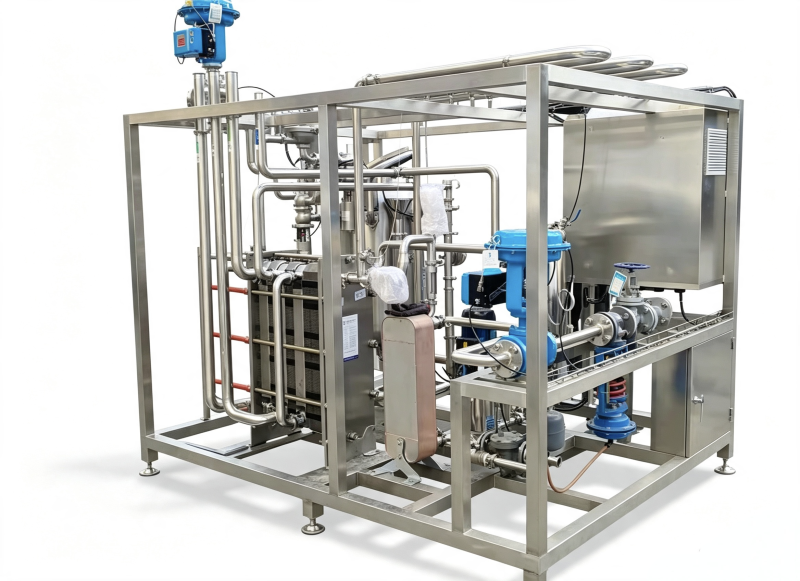
Steam heating module and steam control valve
Controls sterilization temperature.
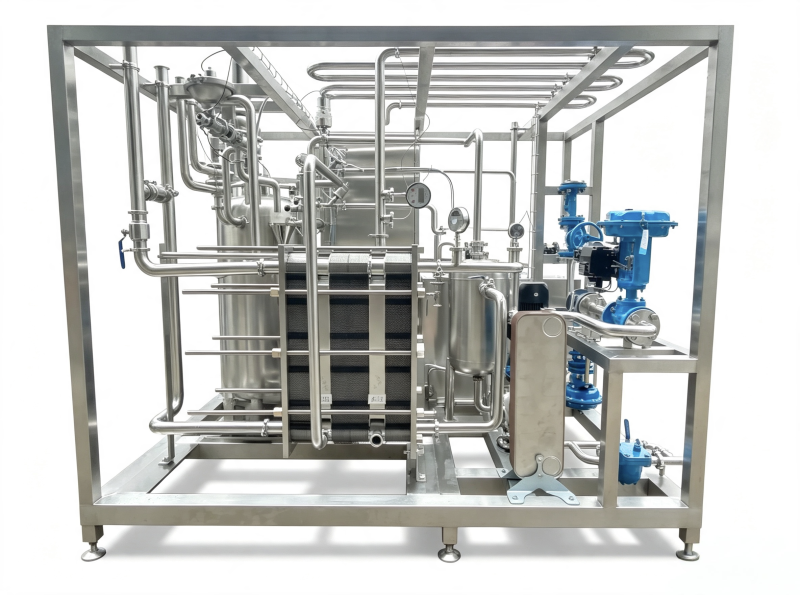
Product&booster pump,recirculation valve assembly
Automatic recirculation if the temperature falls below the required level.
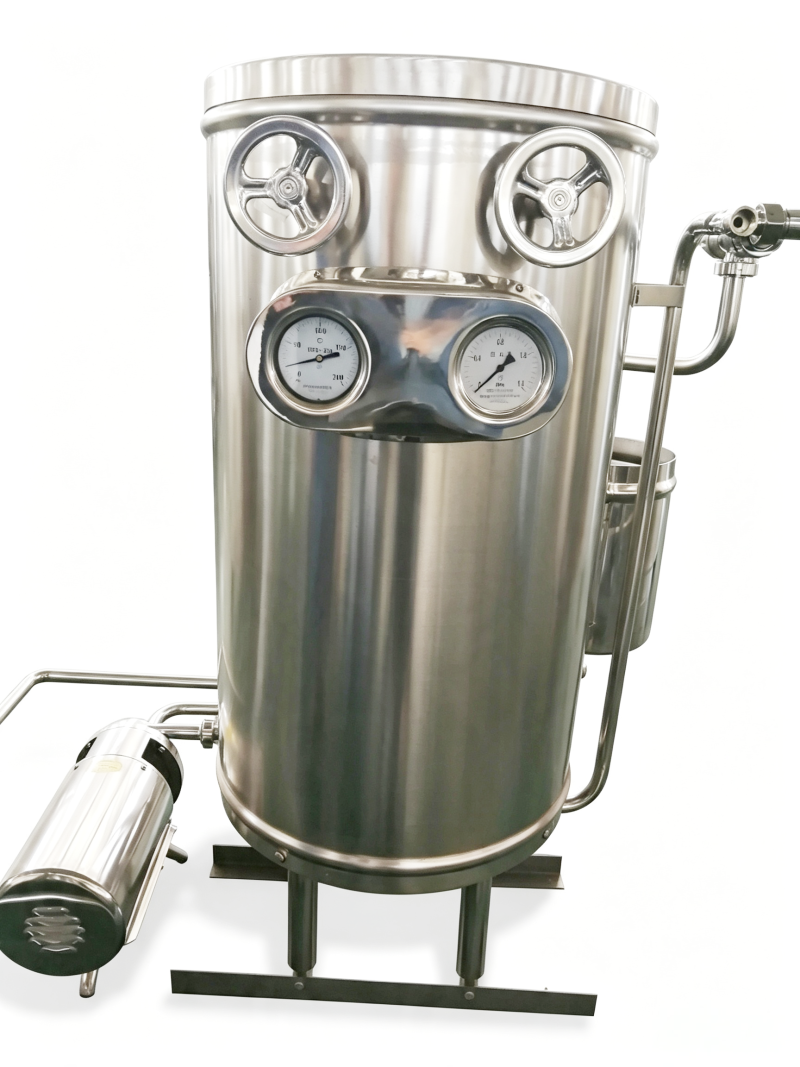
Temperature and pressure sensors
Real-time monitoring of sterilization parameters.
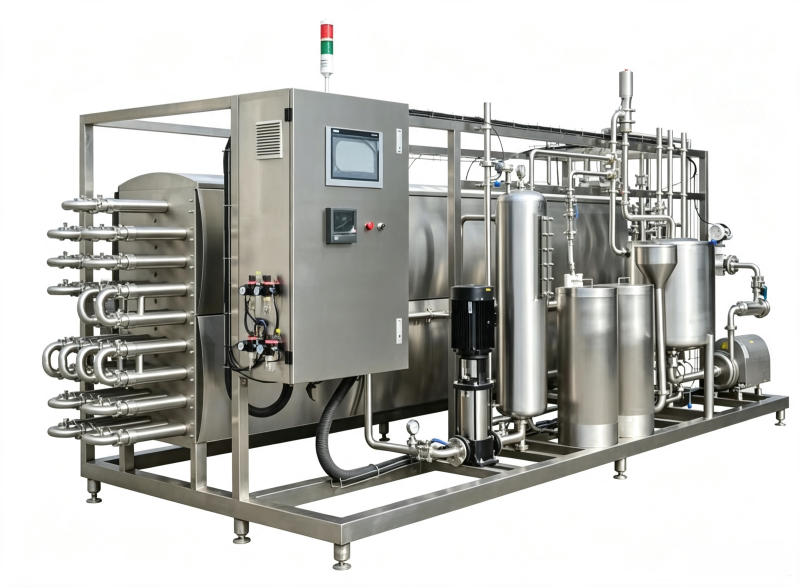
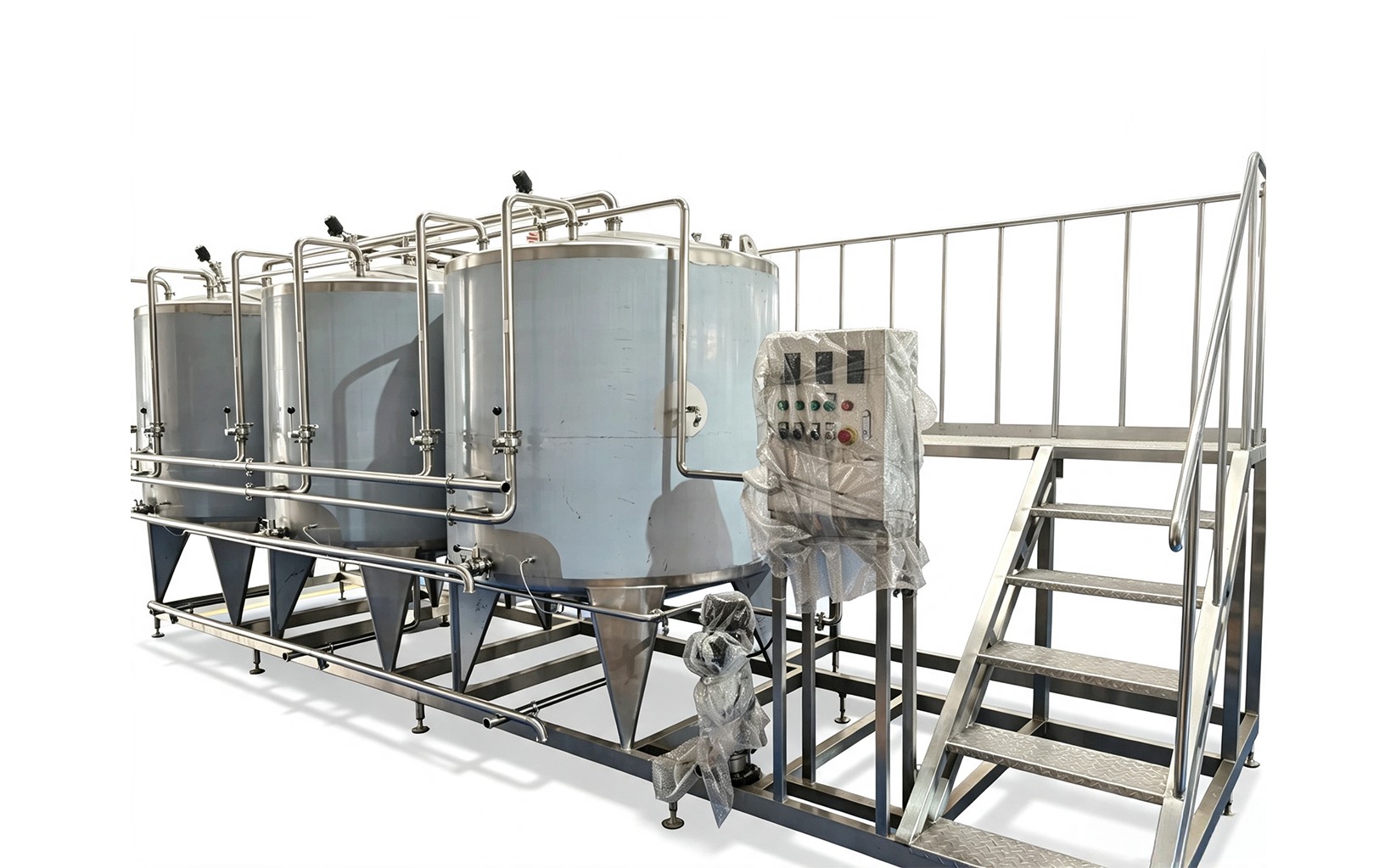
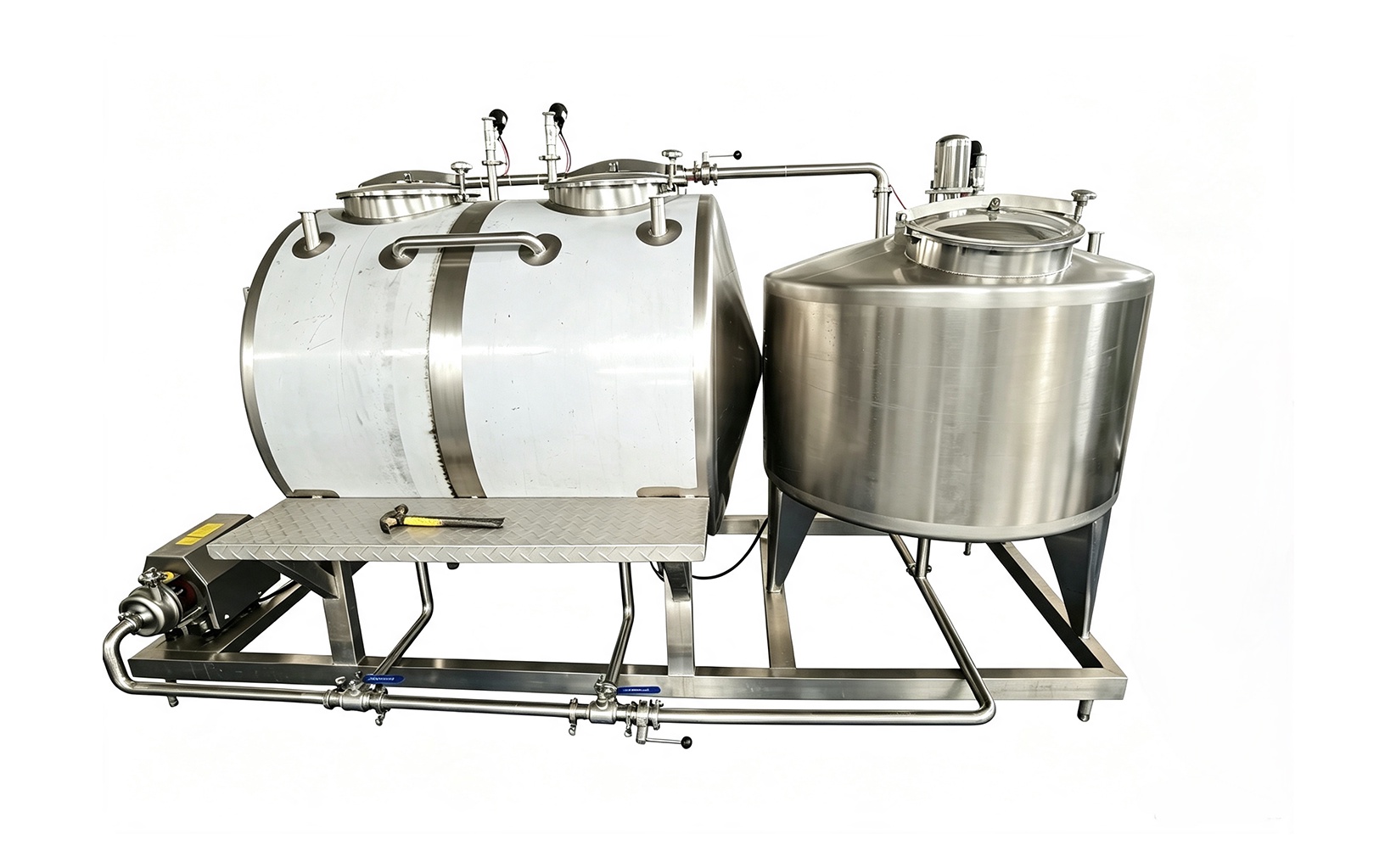
CIP & SIP
Cleaning circuit and steam sterilization interface.
Optional
01
Tube-in-tube heat exchange structure (suitable for products containing fine pulp); standard configuration features a plate heat exchanger.
02
Complete SIP (Sterilization-in-Place) system, compatible with aseptic filling.
03
Pre-treatment module for product deaeration; skid-mounted homogenization unit.
04
CIP (Clean-in-Place) capability and temperature control.
Changeover/Cleaning/Maintenance
Maintenance
Daily checks: Verify sterilization temperature, pressure, and recirculation function; check steam and cooling water circuits for leaks.
Weekly checks: Inspect gaskets and valves; clean filters.
Monthly checks: Calibrate temperature and pressure sensors; inspect heat exchanger for fouling; check pump mechanical seals.
Stocked spare parts
Gaskets, sensors, pump mechanical seals, filter cartridges.
Cleaning
Perform a full CIP (Clean-in-Place) cycle after each batch; increase cleaning temperature and duration if fouling is severe.
Do not spray high-pressure water directly onto control cabinets or sensors.
How do I choose between plate-type and tubular UHT systems?
Choose plate-type for clear juices, milk-based beverages, and products without pulp; it offers higher heat exchange efficiency and saves energy. Choose tubular UHT for products containing pulp or those prone to fouling (scaling).
What is the difference between UHT sterilization and pasteurization?
UHT involves ultra-high temperatures for a few seconds, achieving commercial sterility and allowing for ambient-temperature storage. Pasteurization uses lower temperatures over a longer period and requires refrigerated storage.
What should I do if the sterilization temperature is not reached?
Check for: insufficient steam pressure, heat exchanger fouling, excessive product flow rate, or temperature sensor drift.
Under what circumstances does product recirculation occur?
If the product temperature falls below the set sterilization point, the system automatically recirculates the product to the inlet, ensuring that non-compliant product is not discharged.
Contact Us
Complete 2 easy steps below to get your factory matrix and a complimentary factory layout design within 24 hours.
Request Factory Price & Factory Layout Within 24h
Request Factory Price & Factory Layout Within 24h