


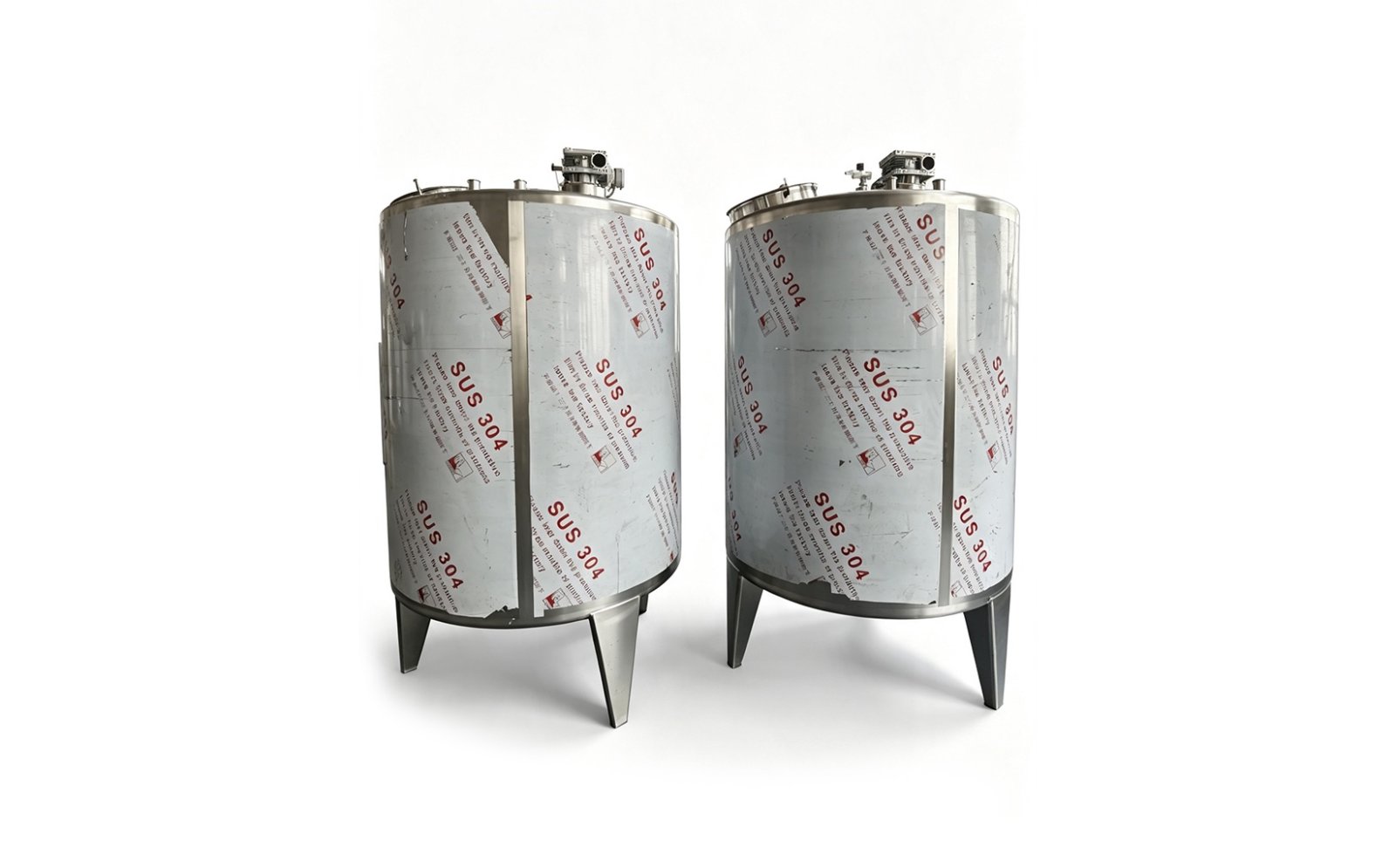
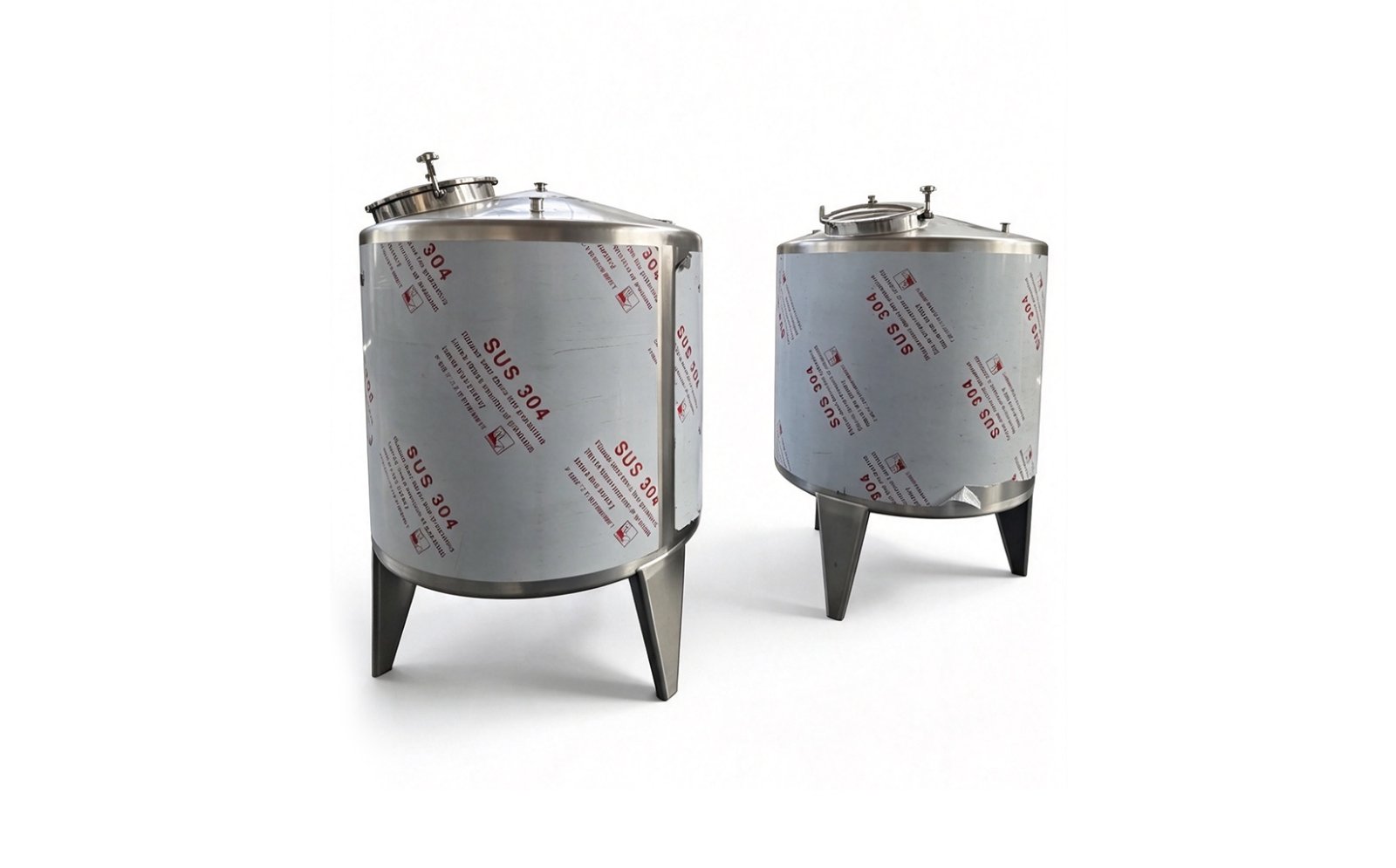
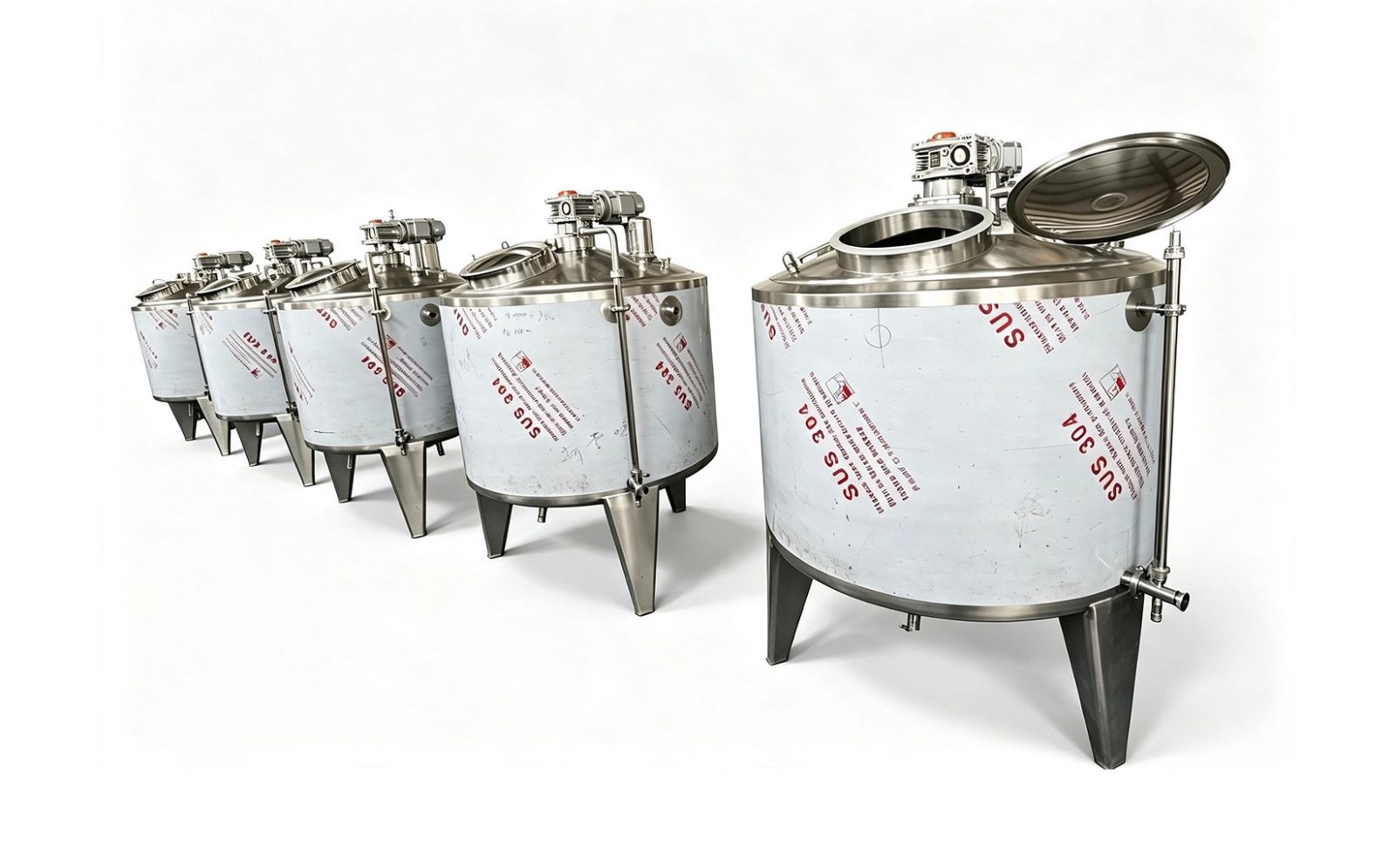
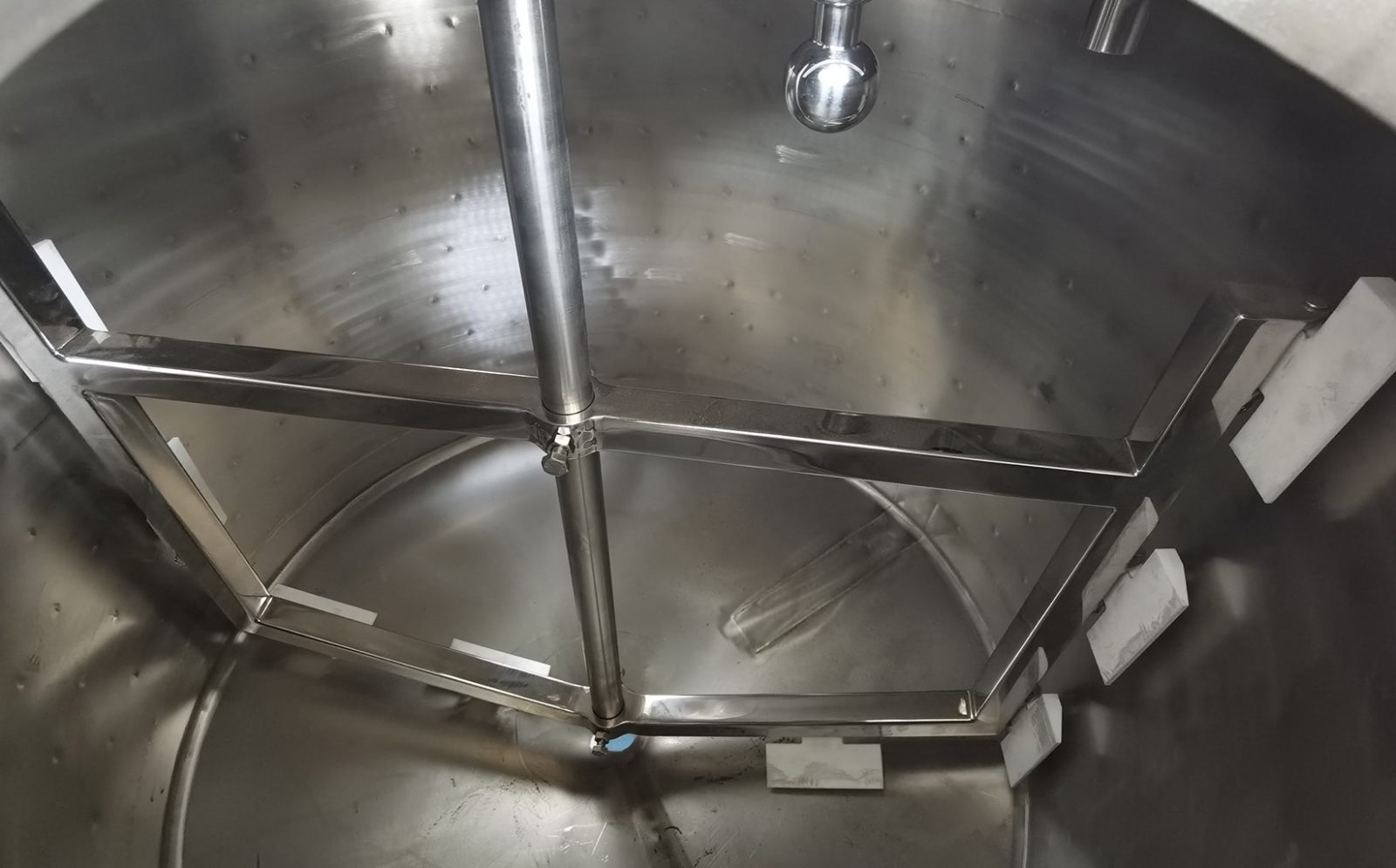
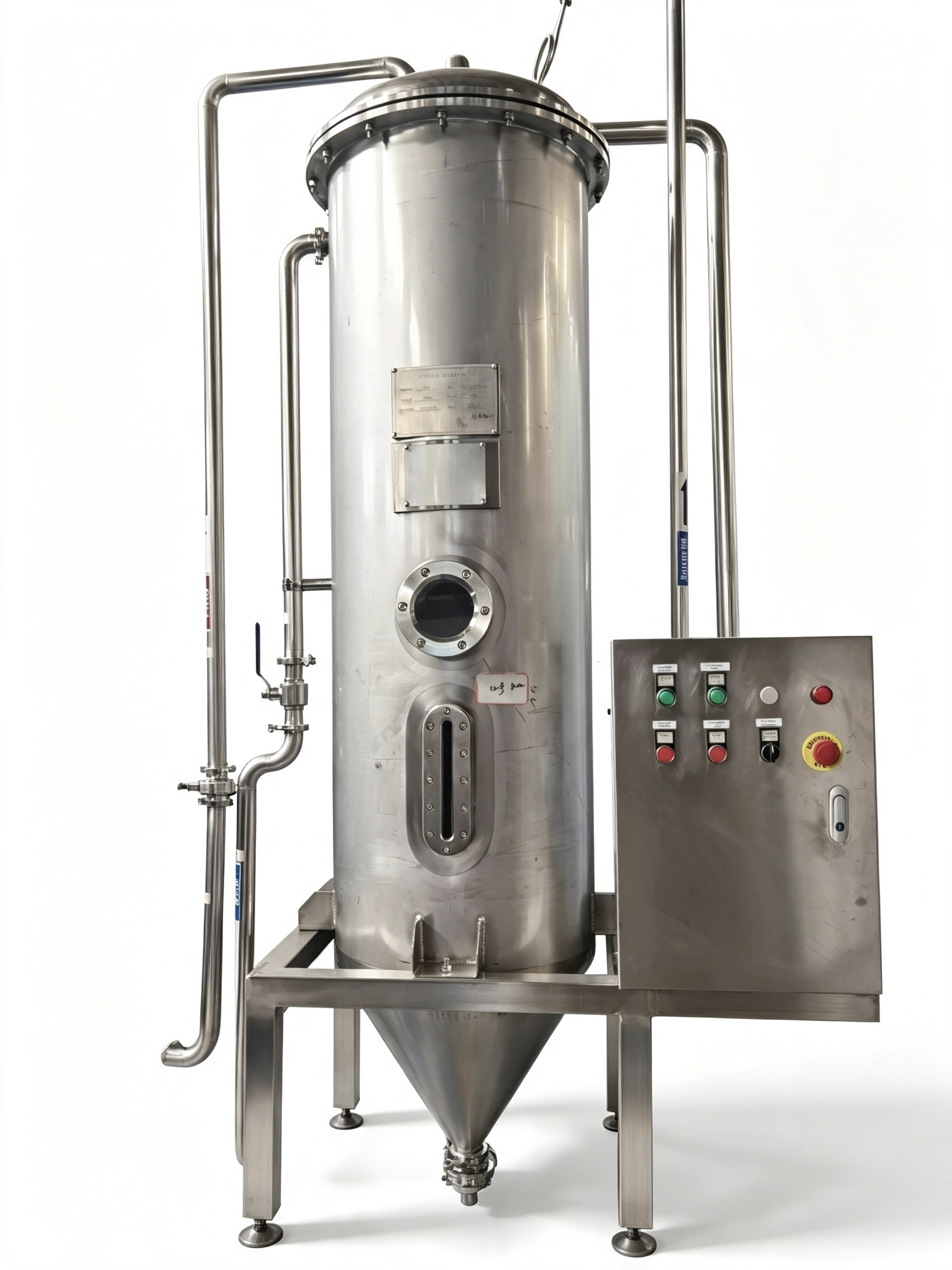
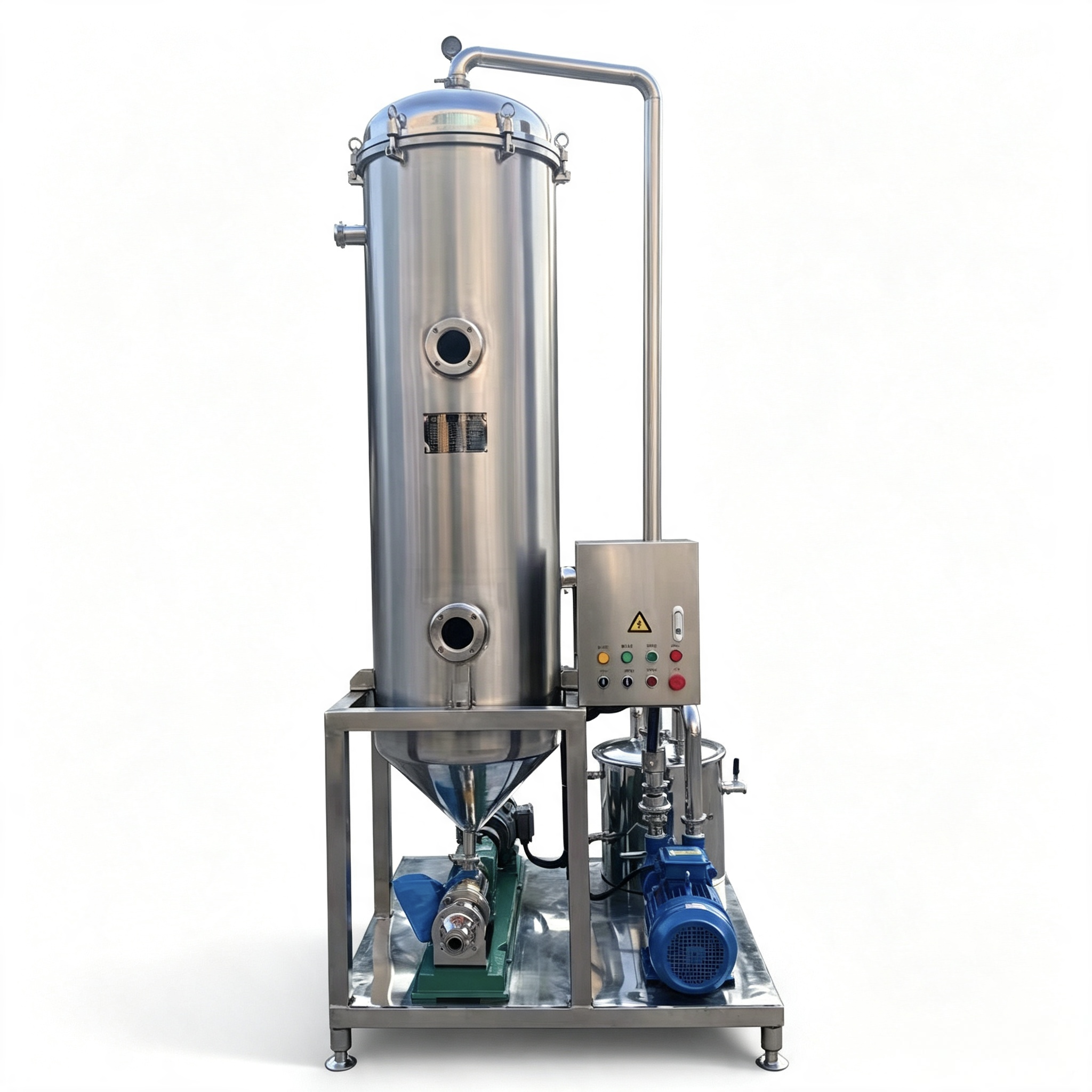
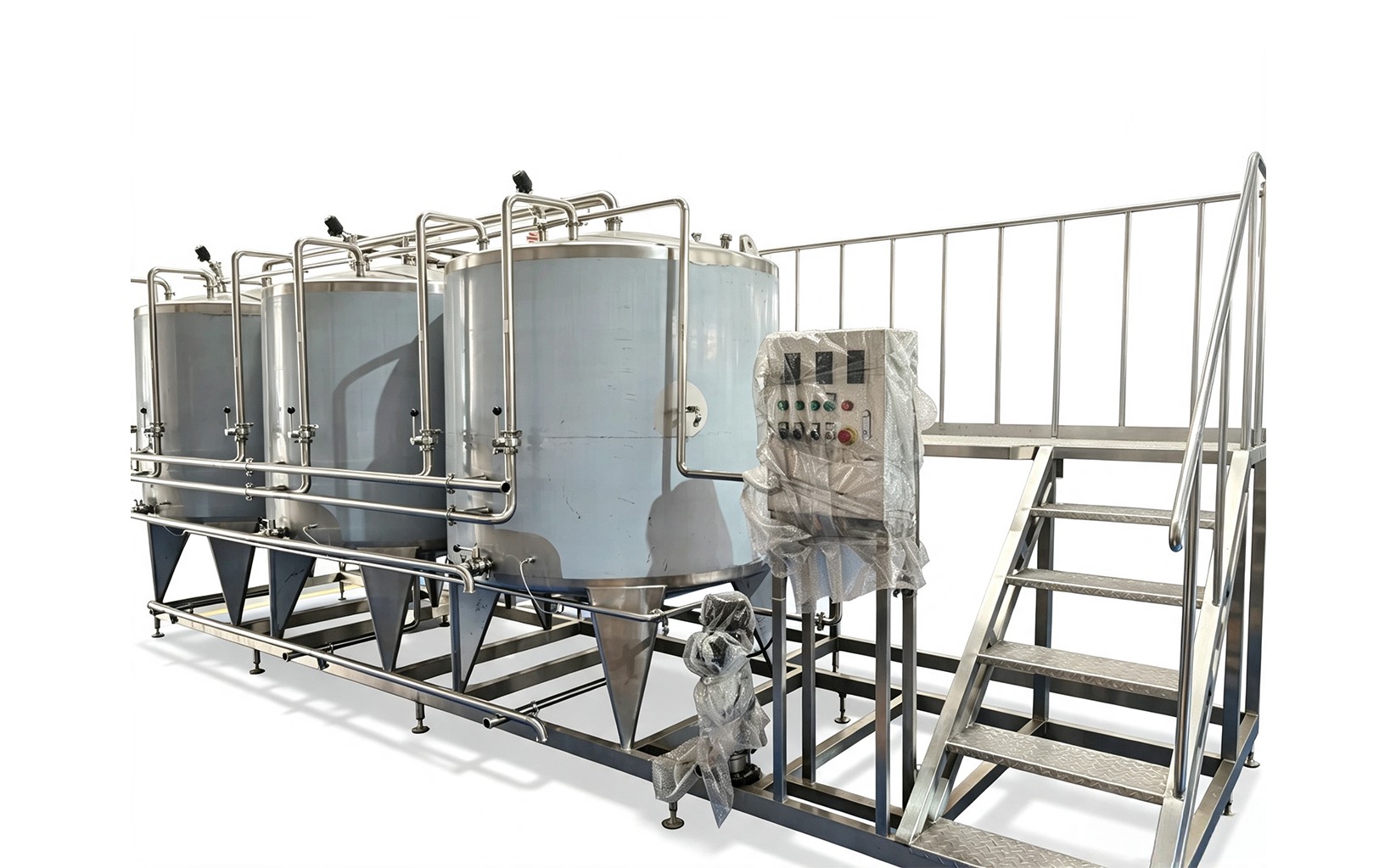
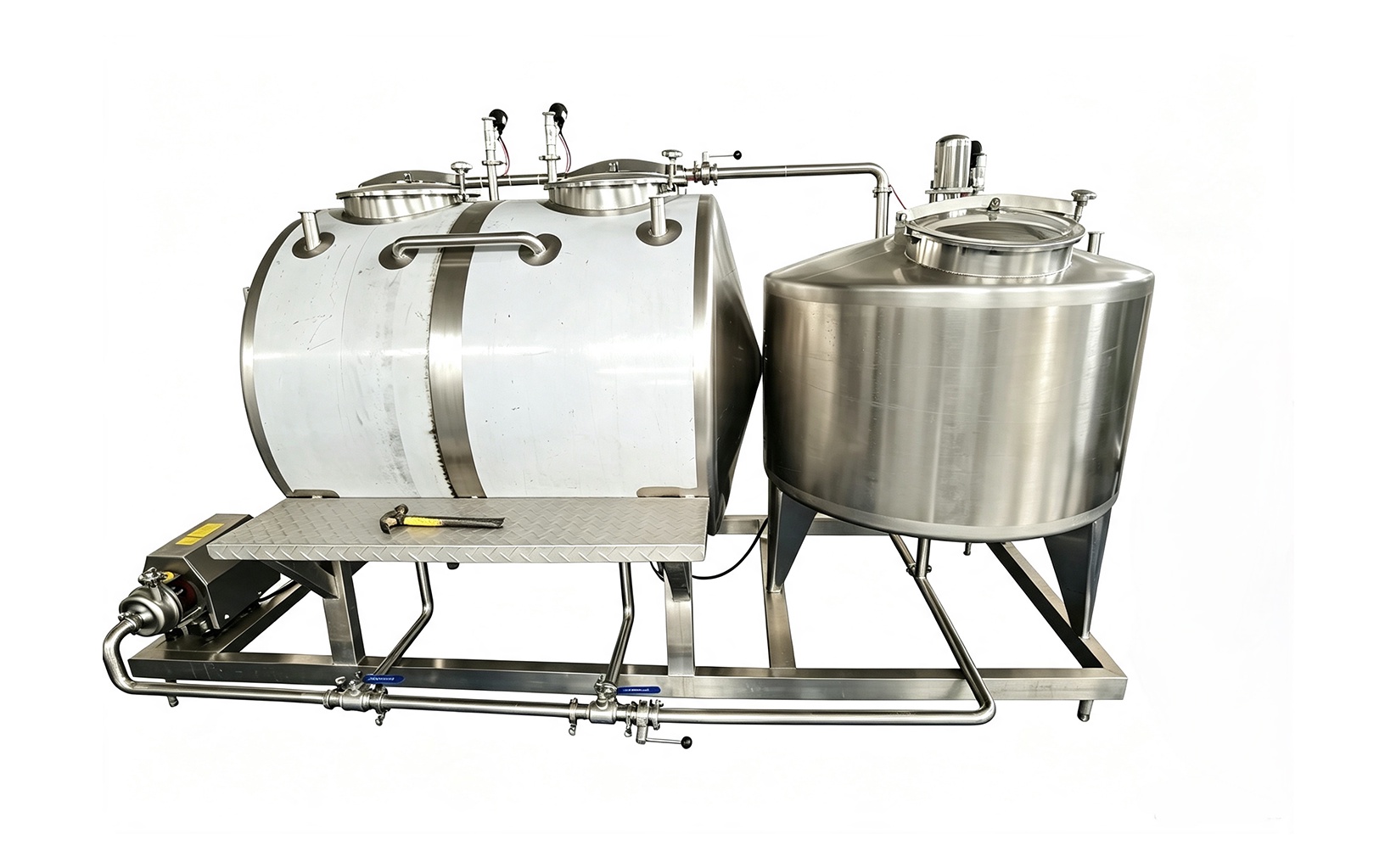
blending tank

Product Value
01
Ensures complete dissolution of ingredients and thorough mixing of sugar, flavorings, fruit juice, and additives, guaranteeing consistent flavor across batches.
02
Supports temperature control for heating, holding, and cooling processes, meeting requirements such as sugar dissolution and pasteurization/holding.
03
Features a sealed tank design to minimize oxidation and contamination risks; utilizes food-grade sanitary construction to inhibit bacterial growth and enhance product quality.
04
Offers multi-functional versatility—suitable for sugar dissolution, ingredient blending, and buffer storage—thereby reducing equipment investment and improving production line utilization.
Applicability boundaries

Materials
Liquid and solid-liquid mixture food products, such as fruit juices, tea beverages, dairy-based drinks, sugar syrups, and functional beverages.

Operating Conditions
Beverage pretreatment (ingredient preparation, dissolving, mixing, and temperature-controlled holding); batch production; compliance with food hygiene production standards.
Working Principle
The raw materials are fed into a sealed tank and mixed thoroughly by an agitation mechanism.
heating, temperature maintenance, and cooling are achieved by circulating heating or cooling media through the jacket.
once blending is complete, the product is discharged from the bottom and conveyed to the next processing stage.
Core components
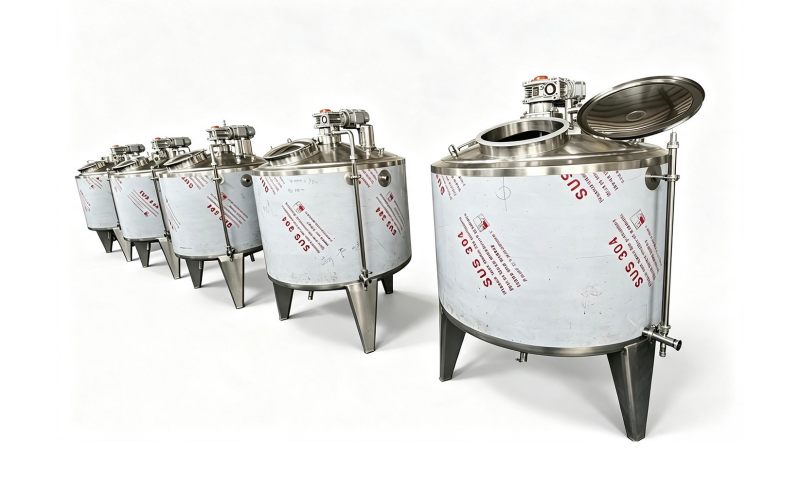
Tank body (304/316L stainless steel)
Material containment chamber, equipped with a jacket and insulation layer
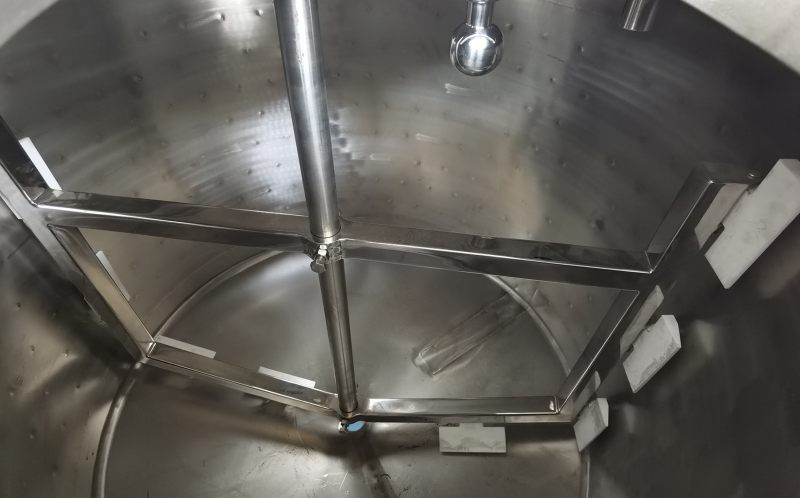
Agitation assembly
Motor/gear reducer + agitator blade; facilitates material mixing and dissolution
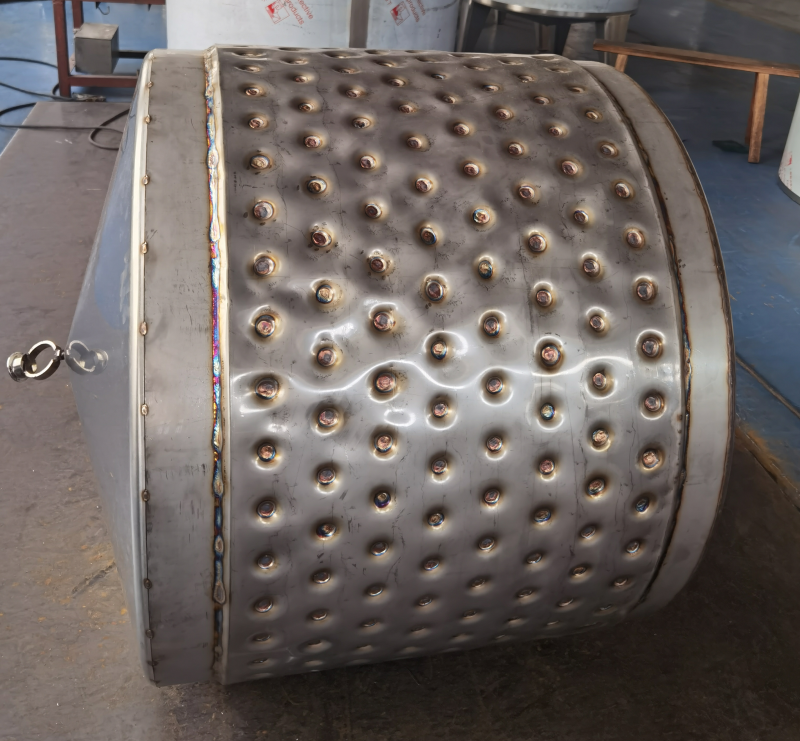
Jacket and insulation layer
Heat exchange; enables heating and cooling
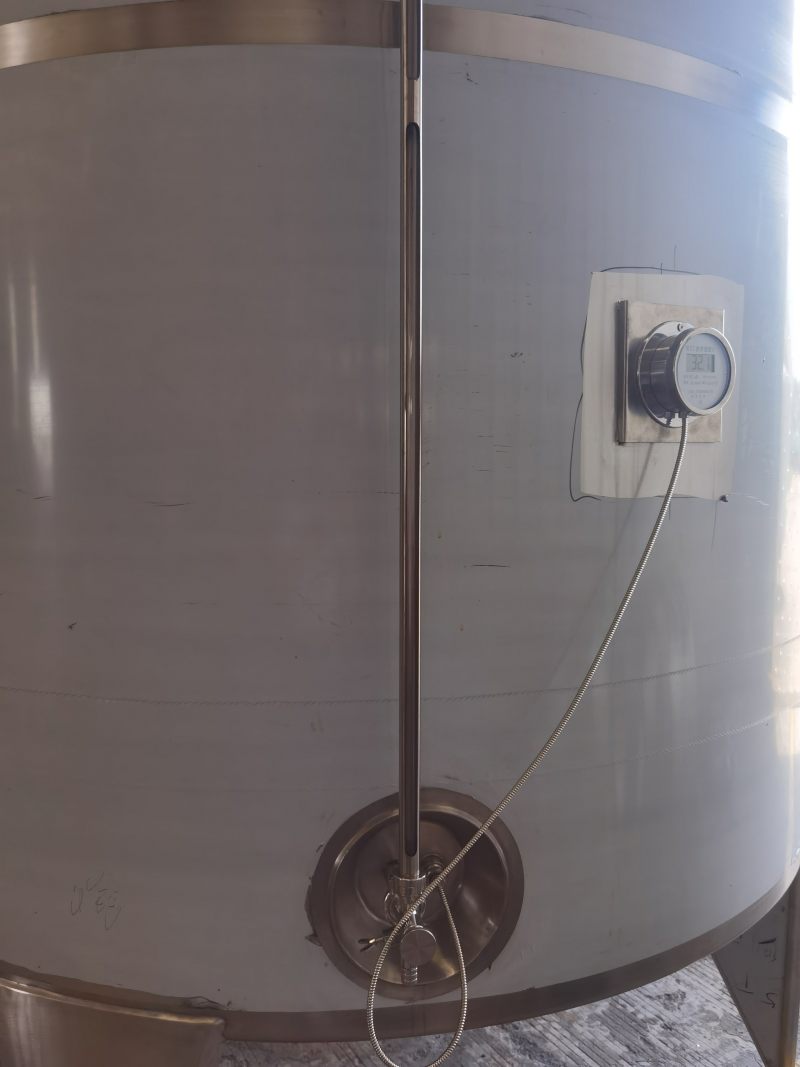
Manhole, feed inlet, sight glass, and breather
For material loading, visual inspection, and venting (to prevent oxidation)
Inlet/outlet valves and sampling port: For material transfer and sampling/testing
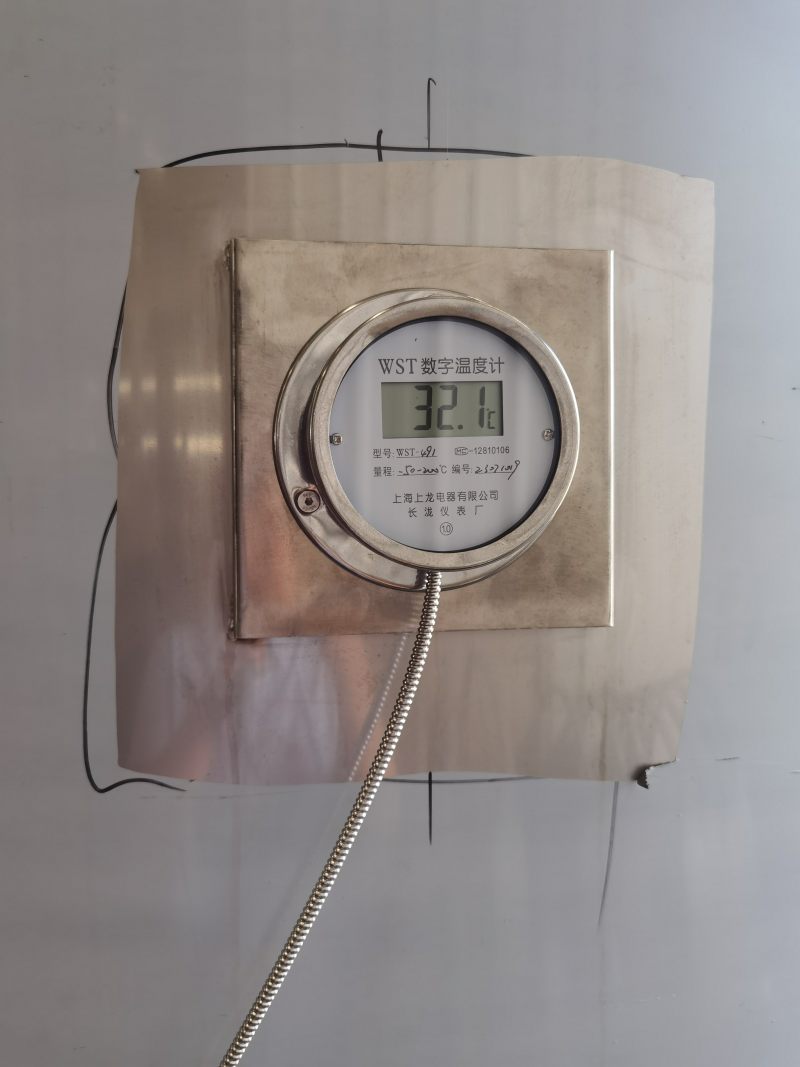
Temperature and liquid level sensors
Monitor internal temperature and material level
Optional
01
Upgraded 316L stainless steel tank (for dairy beverages and acidic fruit juices)
02
Explosion-proof motor and electrical components
03
Bottom-mounted high-shear emulsifying head (for hard-to-dissolve powders)
Pressure vessel (for pressurized blending)
04
Weighing modules + automatic ingredient dosing system
Changeover/Cleaning/Maintenance
Product Changeover
Drain the tank contents; perform a full CIP (Clean-in-Place) cycle; verify the tank is free of residue; load the new batch of material; adjust the agitation speed and target temperature; sample and verify material specifications, then proceed with production.
When switching between different product categories, enhanced cleaning validation is required to prevent cross-contamination of flavors or odors.
Cleaning
Between batches: Prioritize automatic CIP spray cleaning; for stubborn residues, open the manhole for manual assisted cleaning.
Do not use high-pressure water jets directly on electrical motors or control cabinets.
Regularly clean sealing rings to prevent mold growth caused by residual material.
What is the difference between a sugar-dissolving tank and a blending tank?
Sugar-dissolving tanks are primarily used for dissolving granulated sugar, whereas blending tanks handle both dissolution and the mixing/blending of various ingredients; many production lines use a single blending tank to perform both functions.
Can the jacket be heated with steam?
Standard jackets support heating via hot water or steam; however, the steam pressure must not exceed the design pressure specified on the equipment nameplate.
Can it be integrated with a UHT sterilizer?
Yes, the discharge pump transfers the product to the UHT unit; liquid level interlocking can be implemented to signal the sterilizer when the tank level is low.
How can flavor cross-contamination be prevented when switching between products with different flavors?
Perform a complete CIP (Clean-in-Place) cycle; for products with strong flavors, cleaning validation is recommended; for critical applications, dedicated tanks can be configured.
Contact Us
Complete 2 easy steps below to get your factory matrix and a complimentary factory layout design within 24 hours.
Request Factory Price & Factory Layout Within 24h
Request Factory Price & Factory Layout Within 24h