



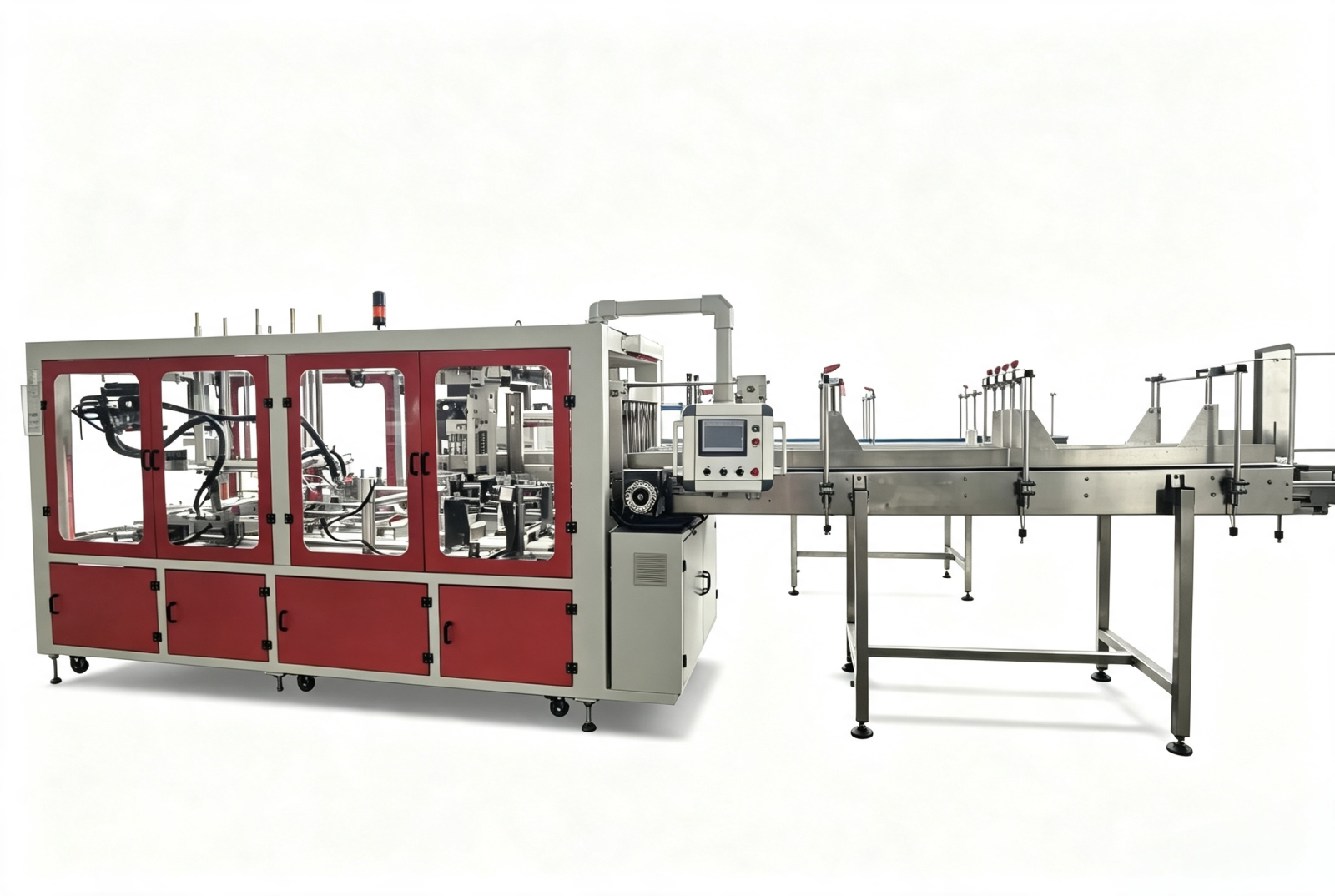
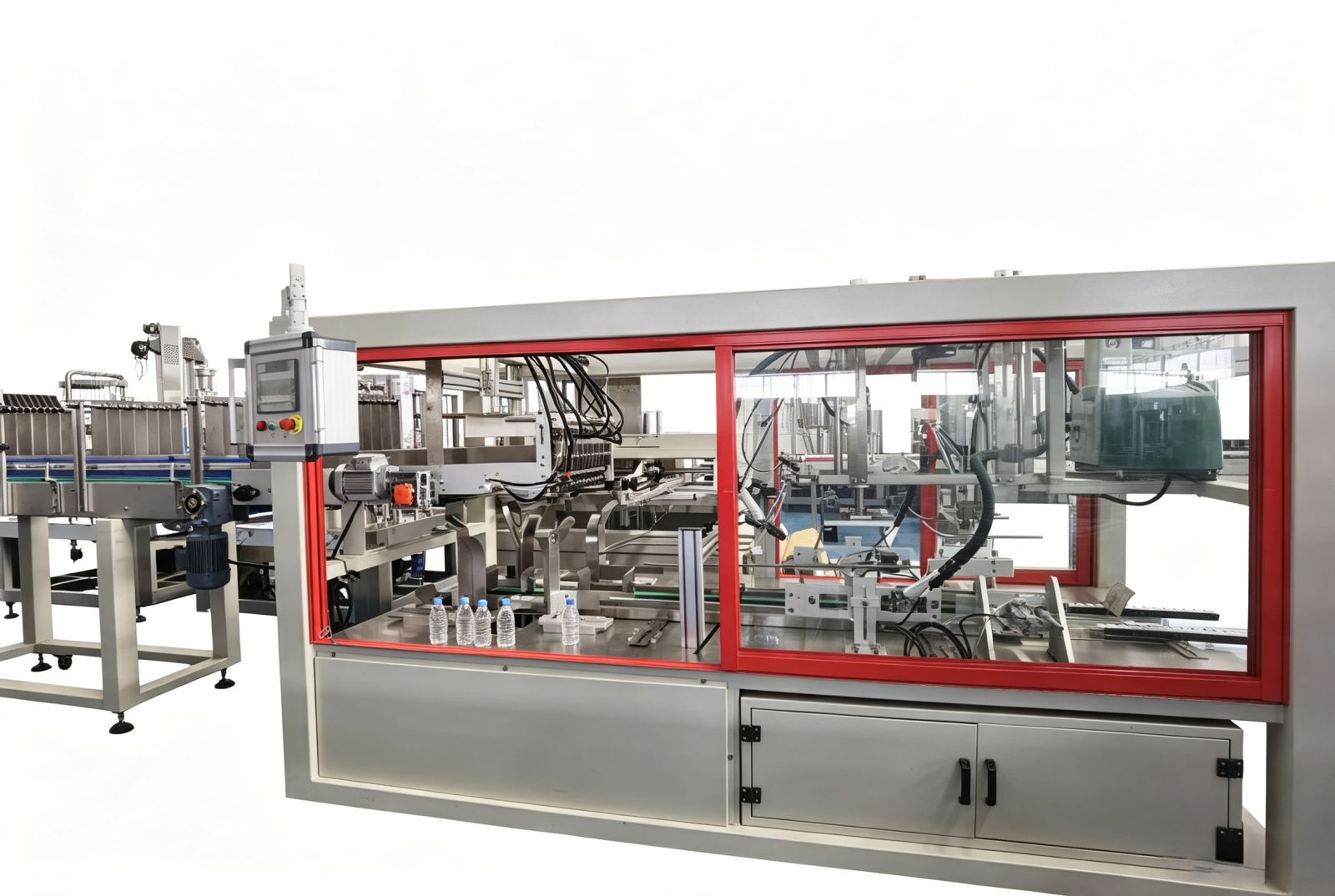
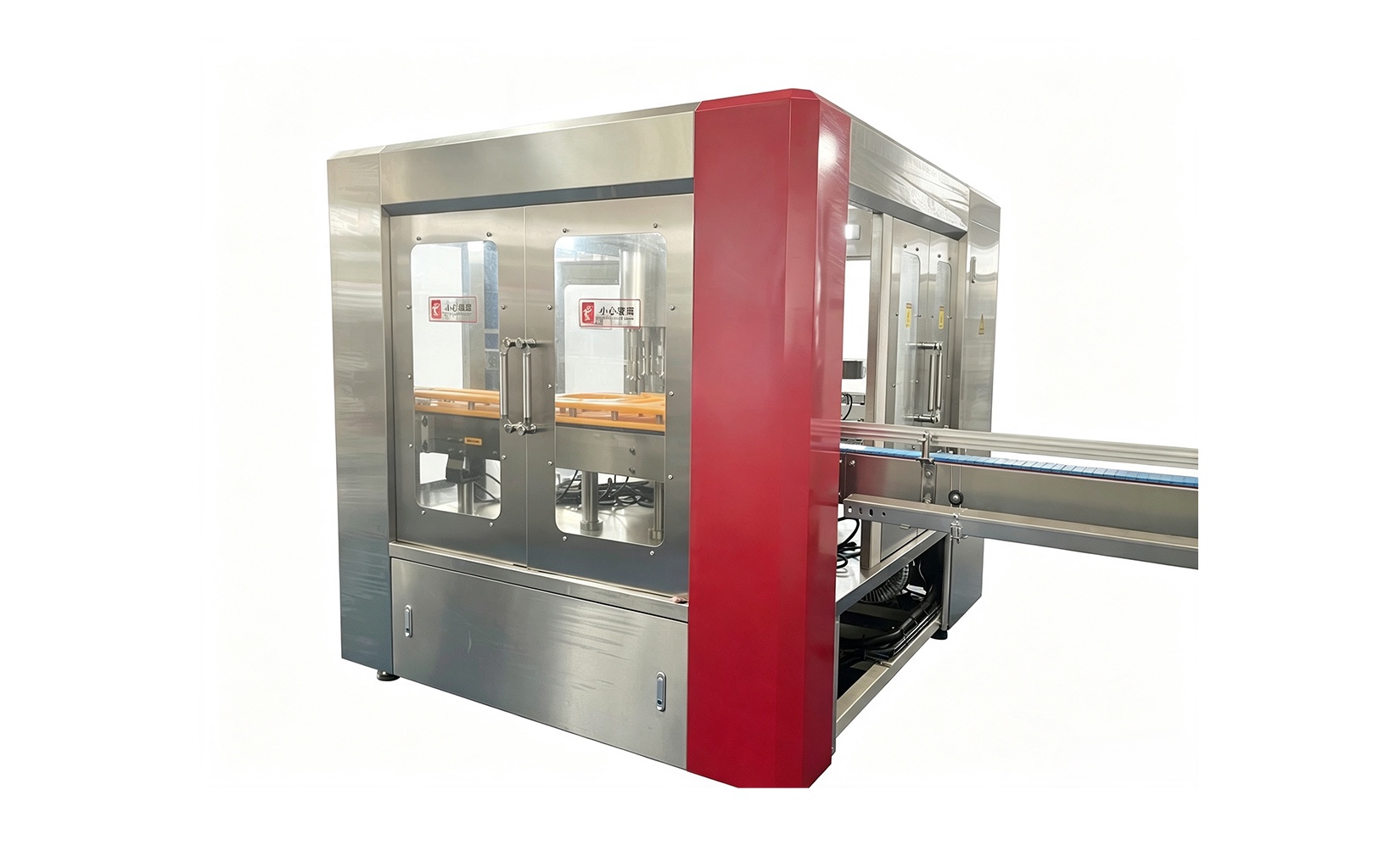
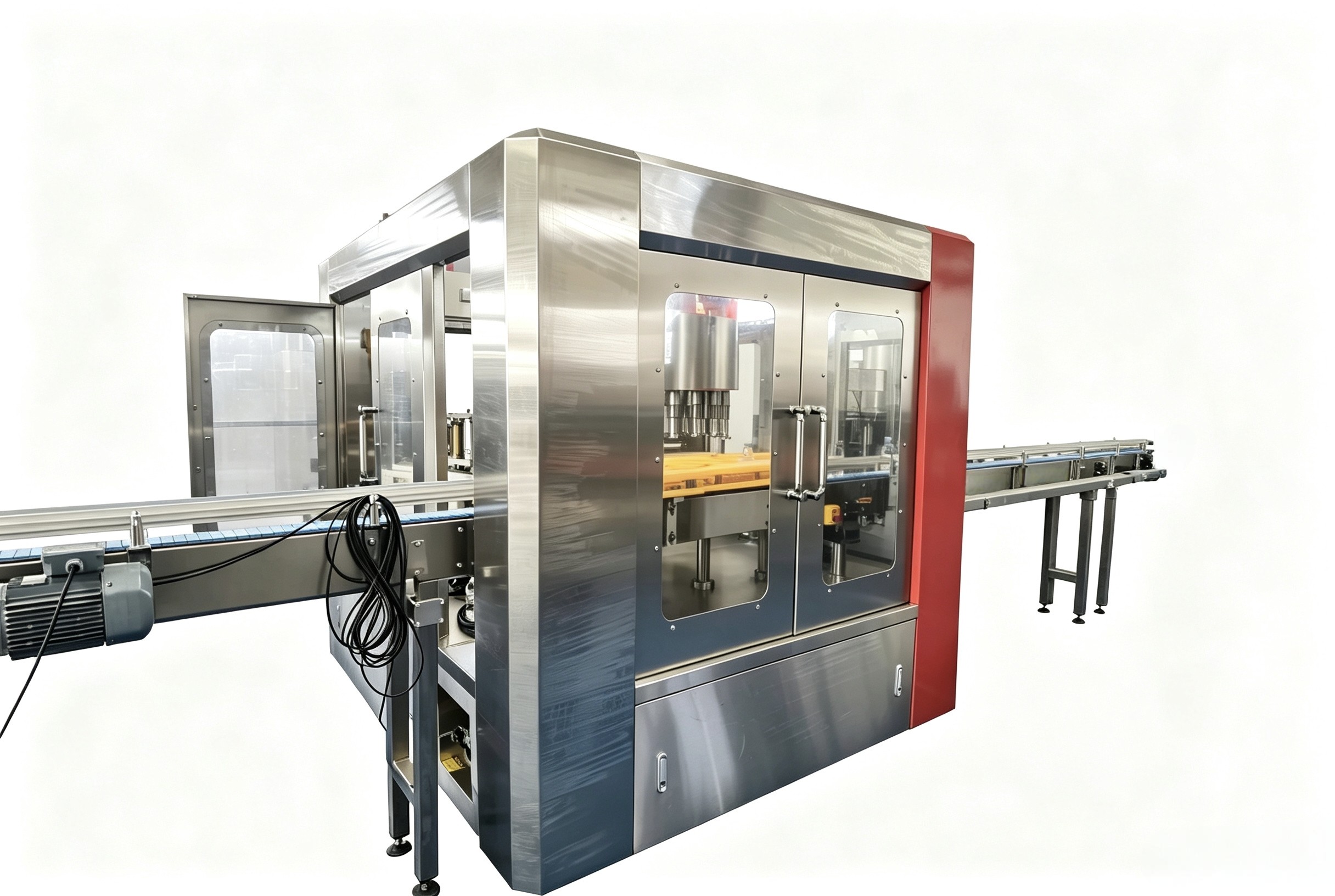
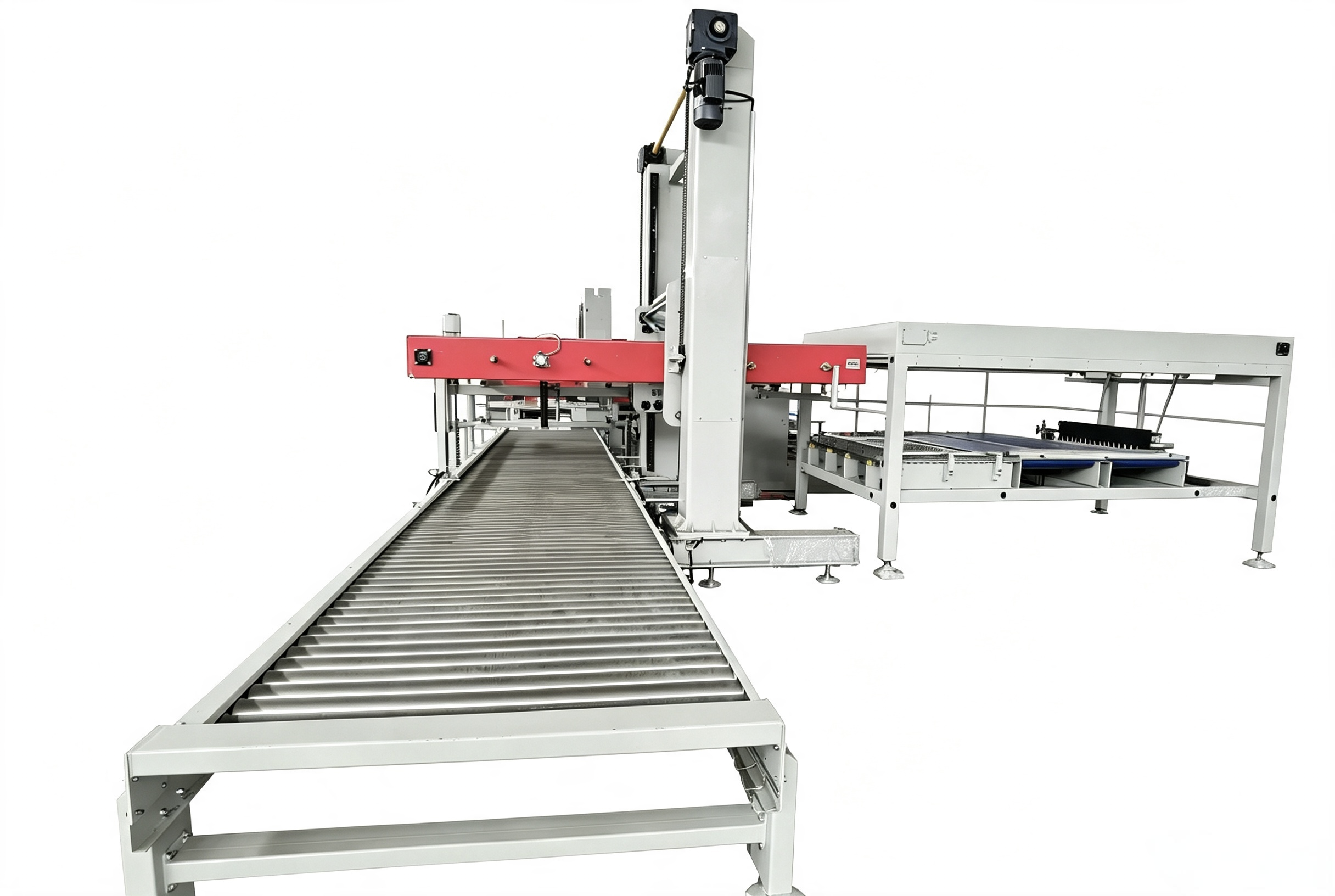
Carton packing machine

Product Value
01
Cardboard box protection, suitable for long-distance logistics and multi-link transfer, anti-extrusion and anti-collision
02
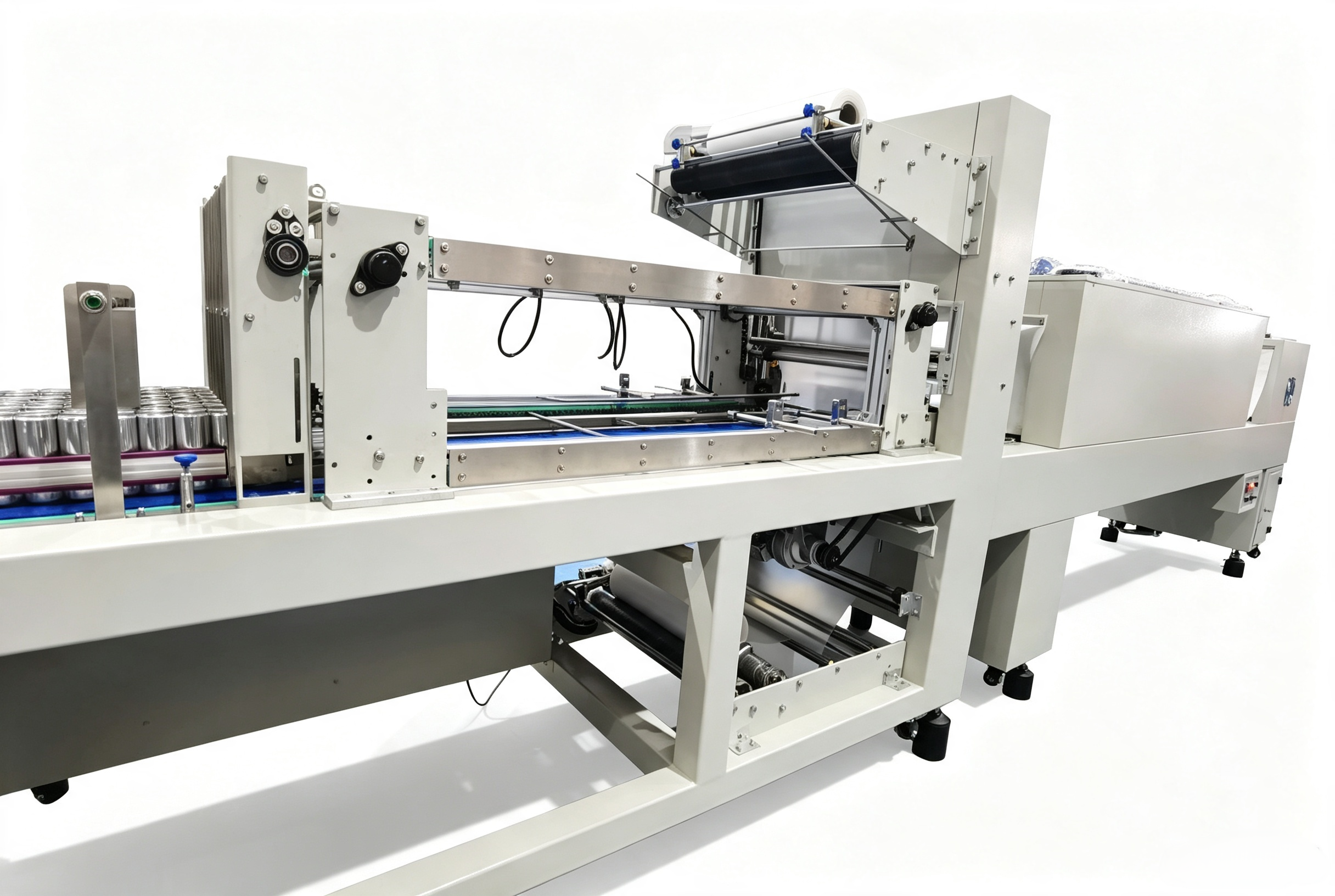
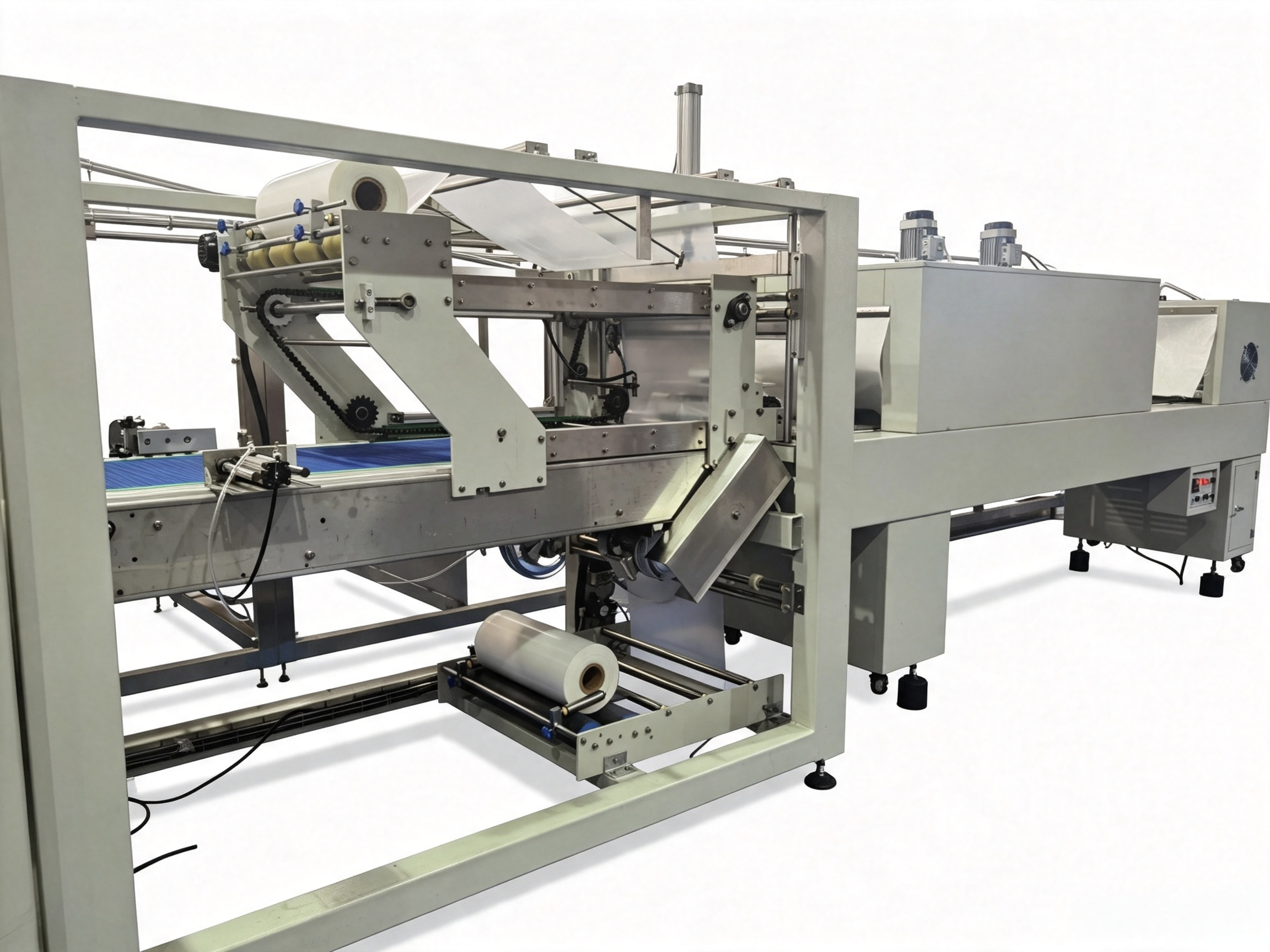
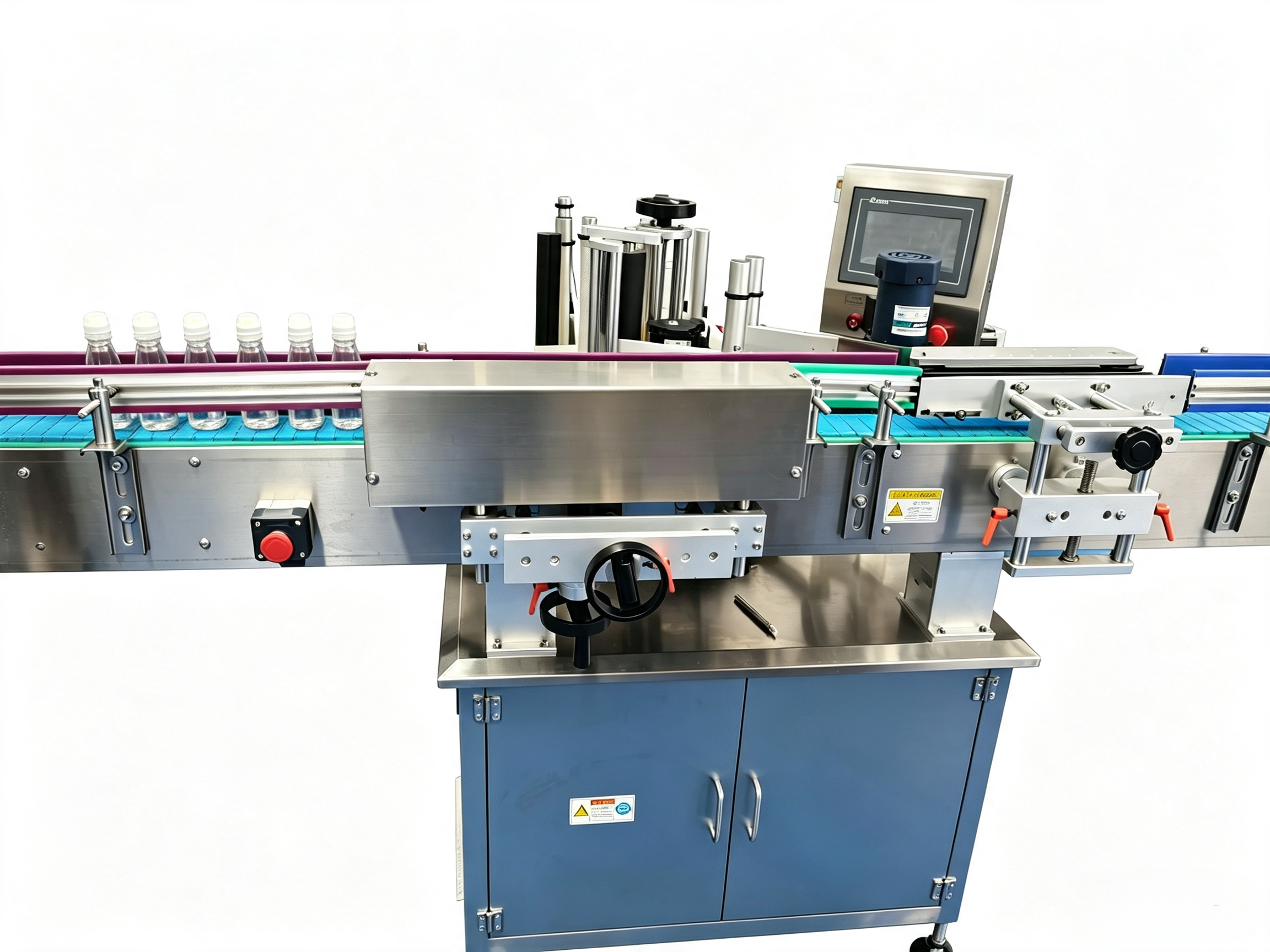
The entire line is seamlessly connected, with film packaging/labeling in the upstream and direct connection to the palletizer in the downstream to achieve unmanned packaging at the back end of filling.
03
The packing arrangement is standardized, counting is accurate, and the quantity of each box is fixed to reduce under-packing and missing packing, making it easier to store, inventory, and ship.
04
Flexible adaptation to multiple specifications, the same machine can switch between different bottle types and quantities per box, and supports two modes of tape sealing/hot melt glue sealing
Applicability boundaries

Products
Rigid PET bottles, glass bottles, beverage cans, and film-wrapped multipacks; uniform, deformation-resistant individual units

Packaging Materials
Standard corrugated cardboard cases (supplied as flat, folded blanks)

Case Loading Methods
Compatible with side-push, pick-and-place, and drop-loading systems
Working Principle
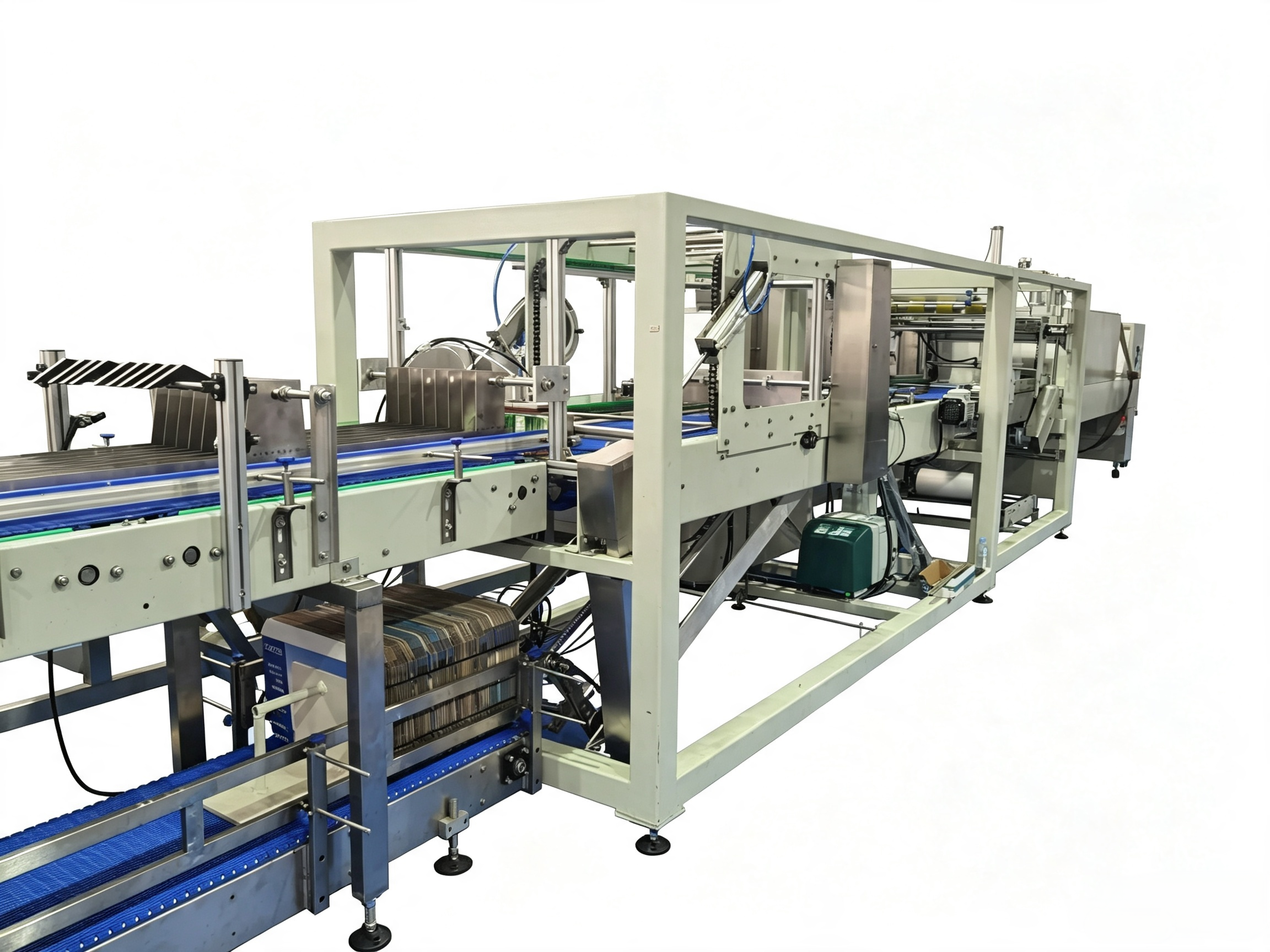
Carton blank suction, opening, and forming; bottom folding and sealing → Upstream bottle grouping and arrangement → Side-push / pick-and-place / drop-in loading → Top flap folding; tape or hot-melt adhesive sealing; finished carton discharge
Core components
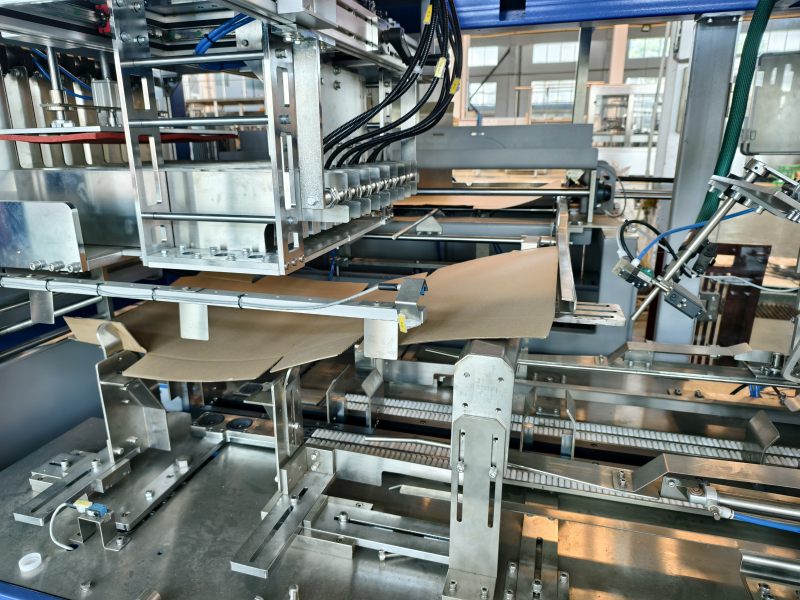
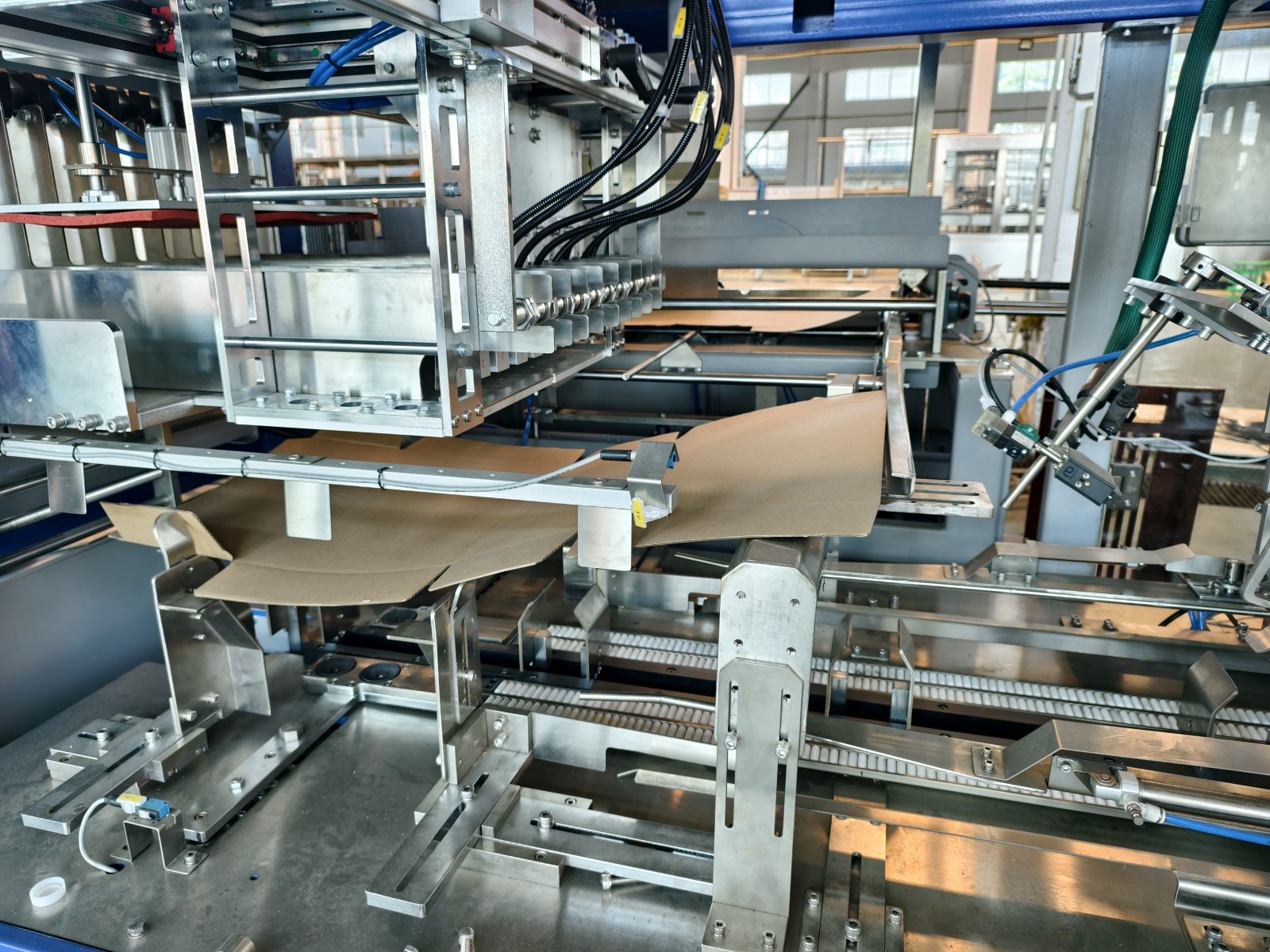
Carton magazine and suction-based case erecting assembly
Picks up, opens, and squares folded cartons; forms and seals the bottom.
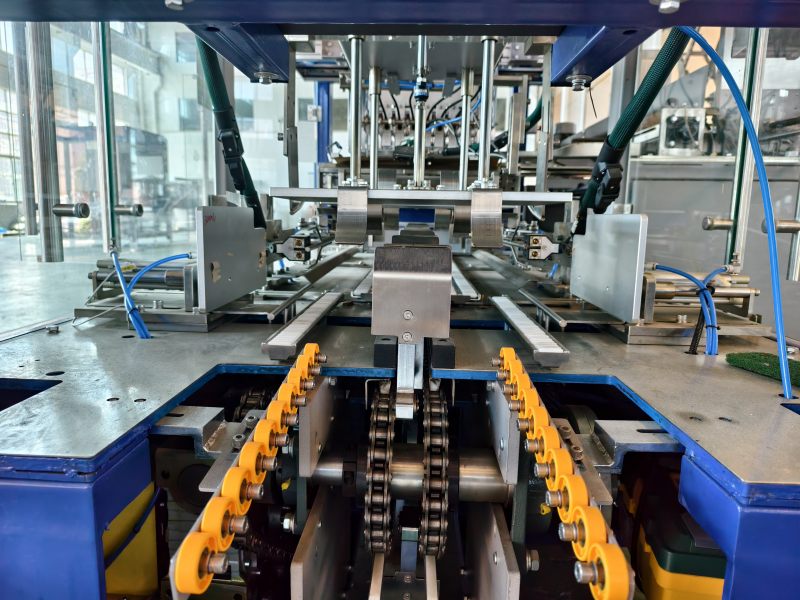
Bottle infeed and grouping mechanism
Queues and arranges products into a matrix formation; prevents bottle tipping.
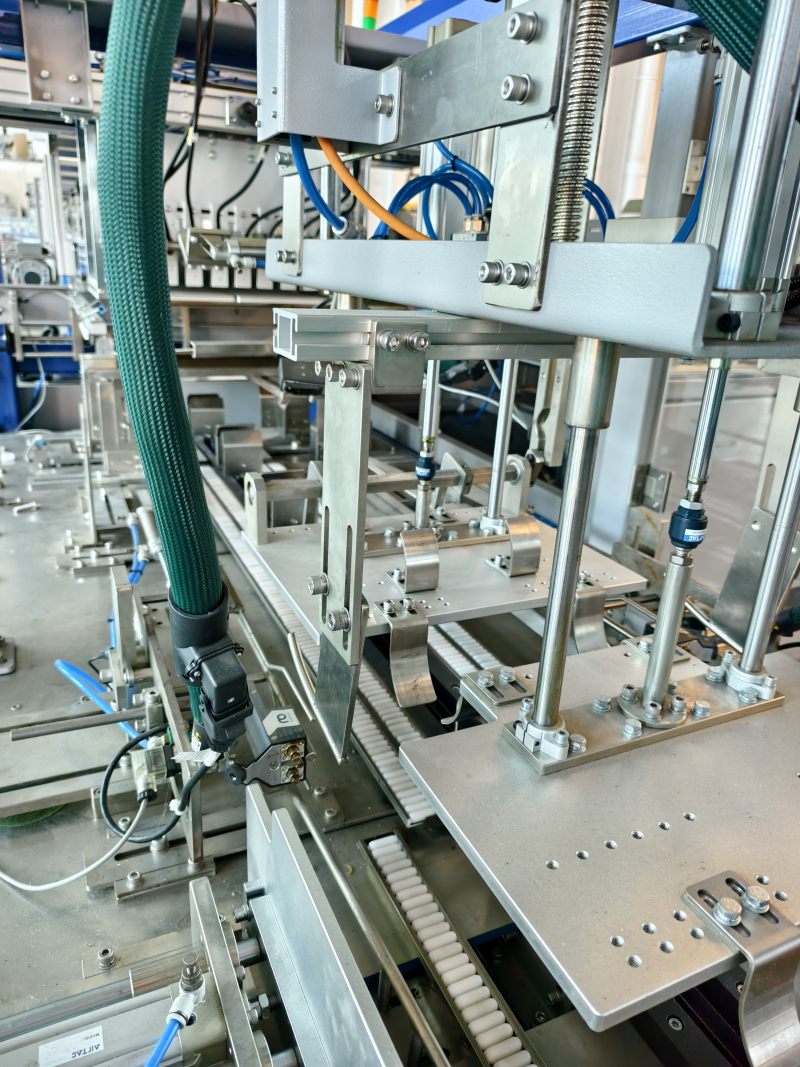
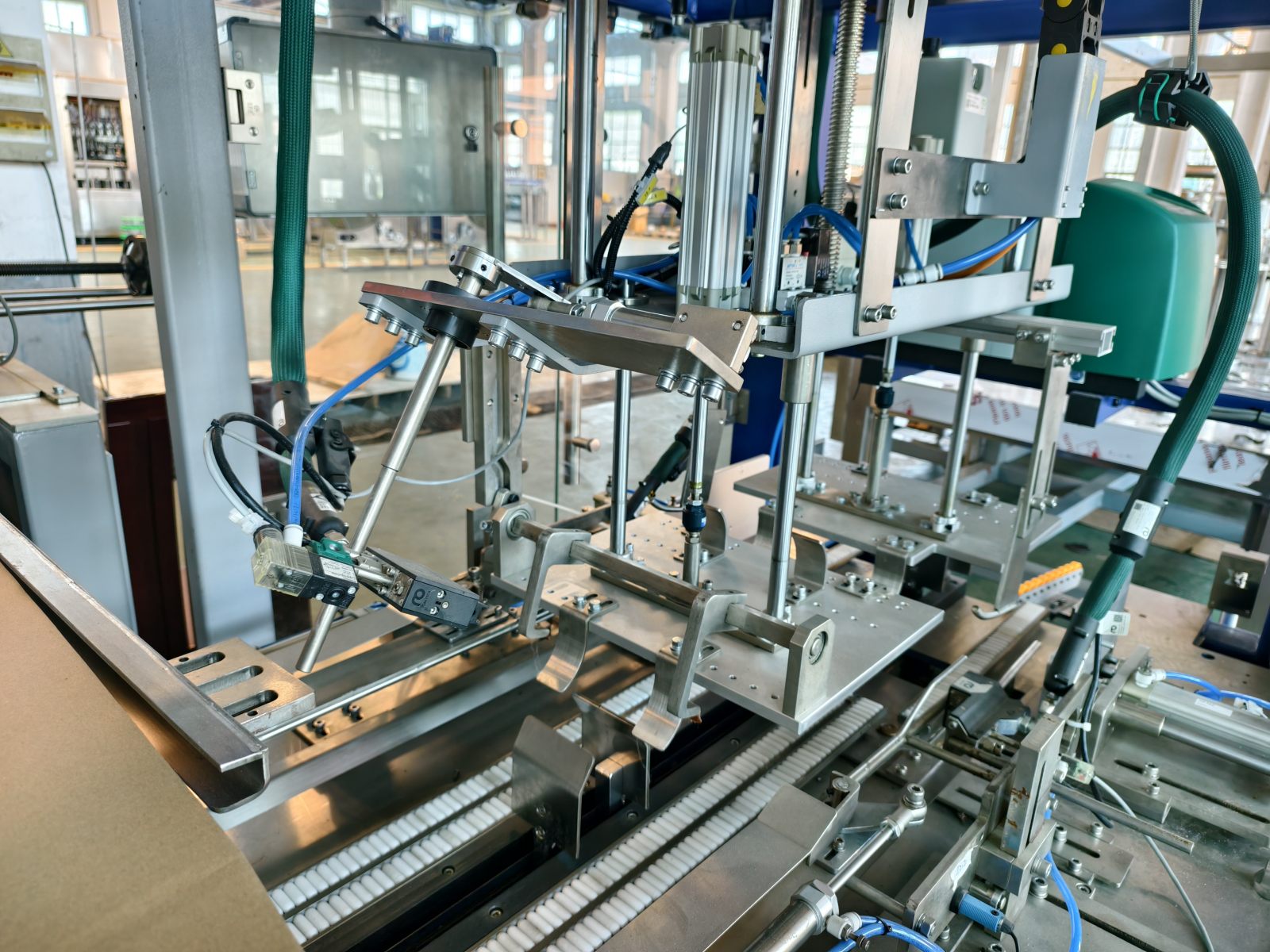
Case-loading unit (side-push / inflatable gripper / drop-in module)
Core mechanism for inserting products into cartons.
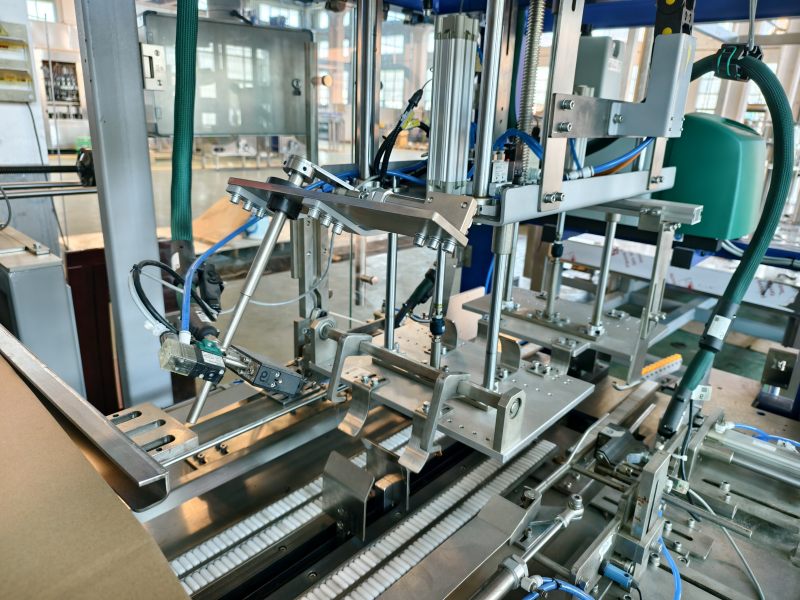
Flap-folding and sealing head (tape / hot-melt adhesive)
Flap-folding and sealing head (tape / hot-melt adhesive)
Optional
01
Hot-melt adhesive carton sealing system
02
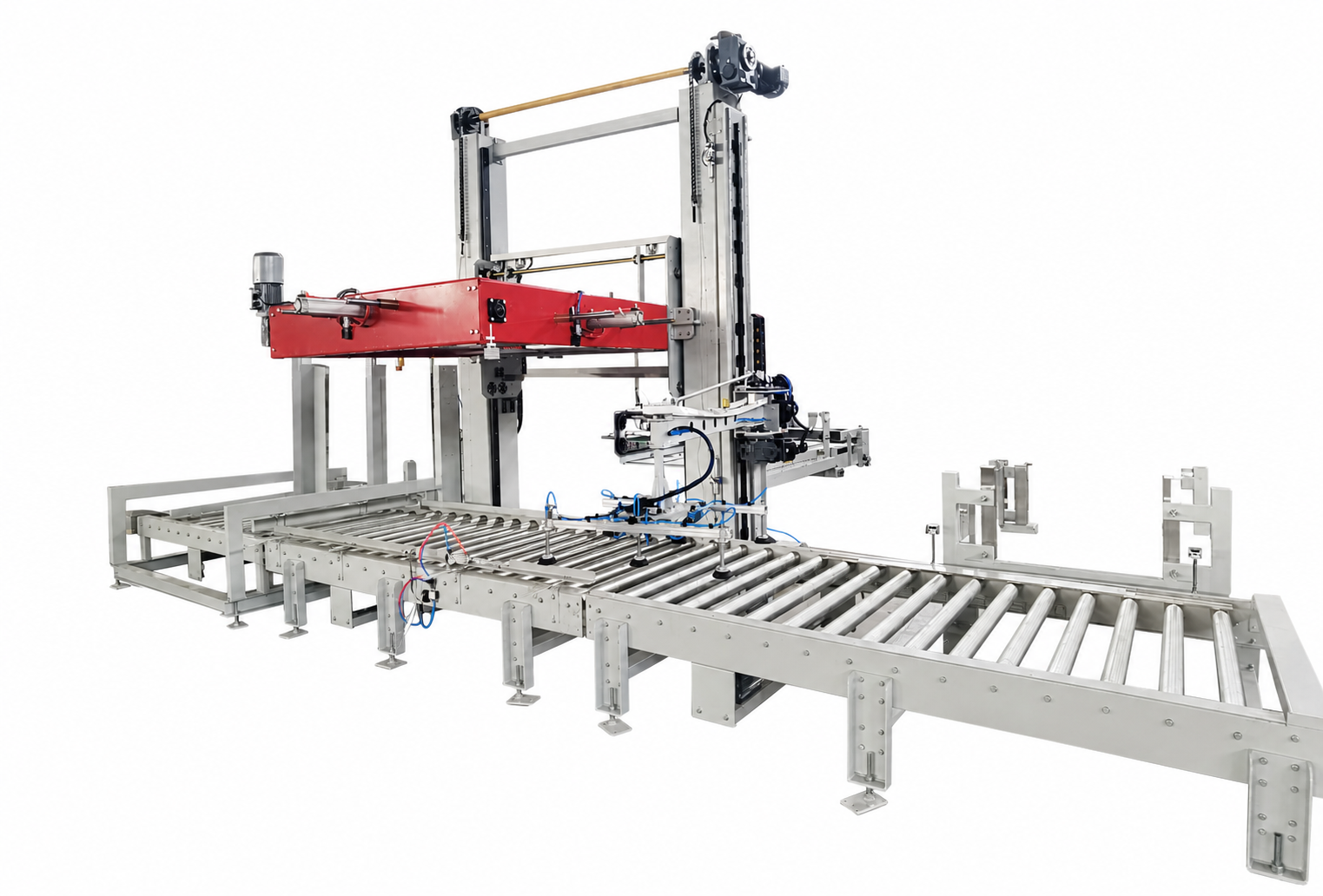
Automatic palletizing transfer, transition conveyors, and buffering accumulation tables
03
Quick-change tooling for various specifications; gripper/pusher block assemblies
Changeover/Cleaning/Maintenance
Changeover
Perform Lockout/Tagout (LOTO) procedures; swap out grouping guides, case-loading pushers, carton guides, and the case-sealing head; load the appropriate recipe via the HMI and adjust settings such as pack count, carton dimensions, sealing delay, and conveyor speed; conduct a test run to calibrate the loading position, ensuring no bottle jams or crushing occur; and save the parameters.
Maintenance
Daily: Inspect suction cups, sealing pressure rollers, sensors, and air pressure. Weekly: Lubricate chains and guide rails; check suction cups for wear and inspect sealing blades/glue nozzles. Monthly: Tighten drive components and clean dust from electrical control cabinets. Stock spare parts such as suction cups, tape rollers, seals, and photoelectric sensors.
What are the common case-packing methods, and which is typically used for beverages?
Mainstream methods include side-push (cost-effective; common for bottled water), inflatable gripper (for glass bottles or scratch-prone products), and drop-packing; side-push systems are the most widely used in beverage production lines.
How long does a format changeover take?
For similar sizes requiring only parameter adjustments: 10–20 minutes; for significant size changes requiring the replacement of grippers, push blocks, or case-opening tooling: 25–45 minutes.
How do I choose between tape sealing and hot-melt adhesive sealing?
Tape is suitable for standard domestic sales and low-cost requirements; hot-melt adhesive is preferred for exports, applications requiring high aesthetic appeal, or cases with surfaces that are difficult for tape to adhere to.
Can this be used for glass bottles?
Yes; flexible inflatable grippers are the recommended choice to provide cushioning and protection, preventing scratches, impacts, or breakage.
Contact Us
Complete 2 easy steps below to get your factory matrix and a complimentary factory layout design within 24 hours.
Request Factory Price & Factory Layout Within 24h
Request Factory Price & Factory Layout Within 24h