


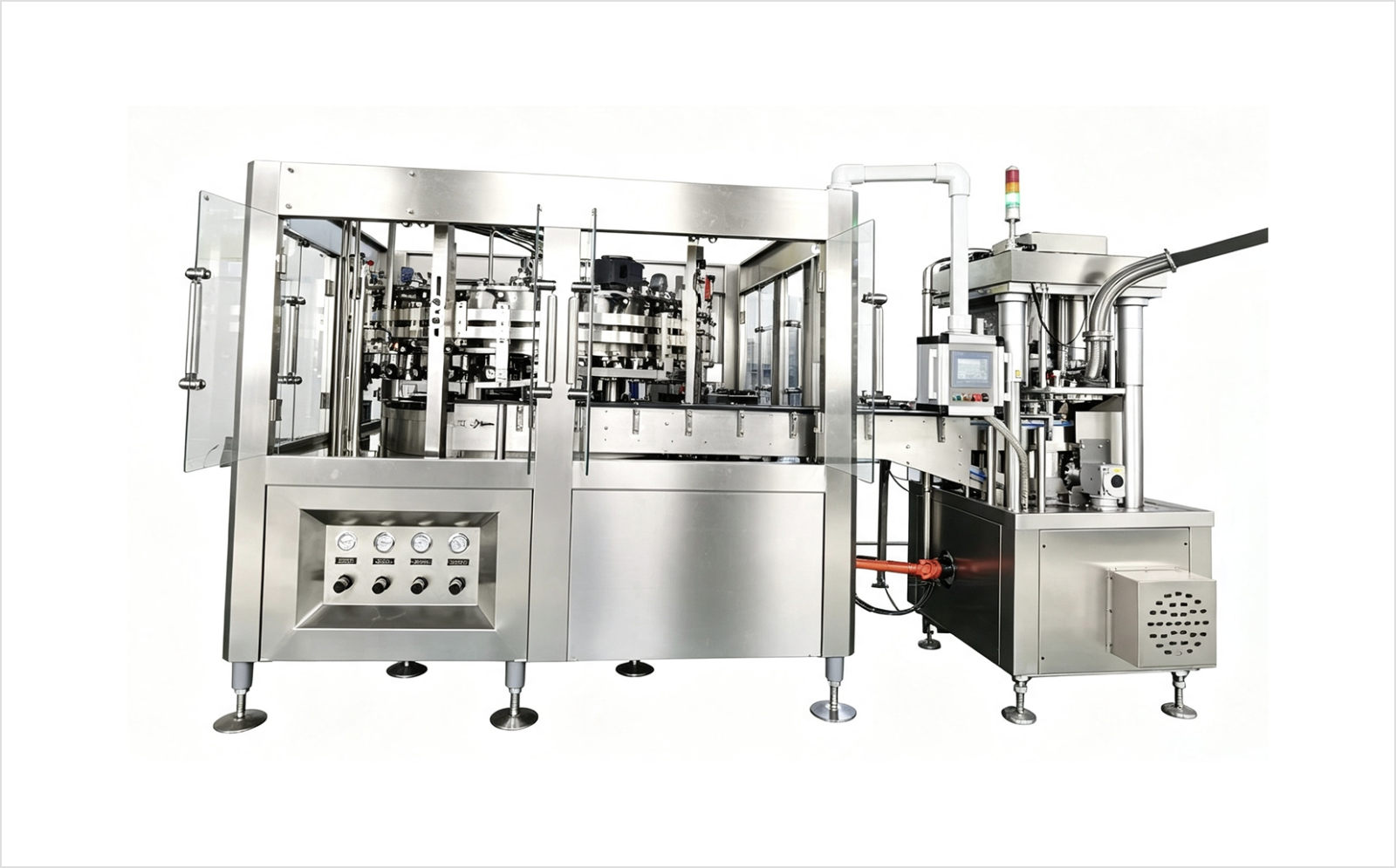
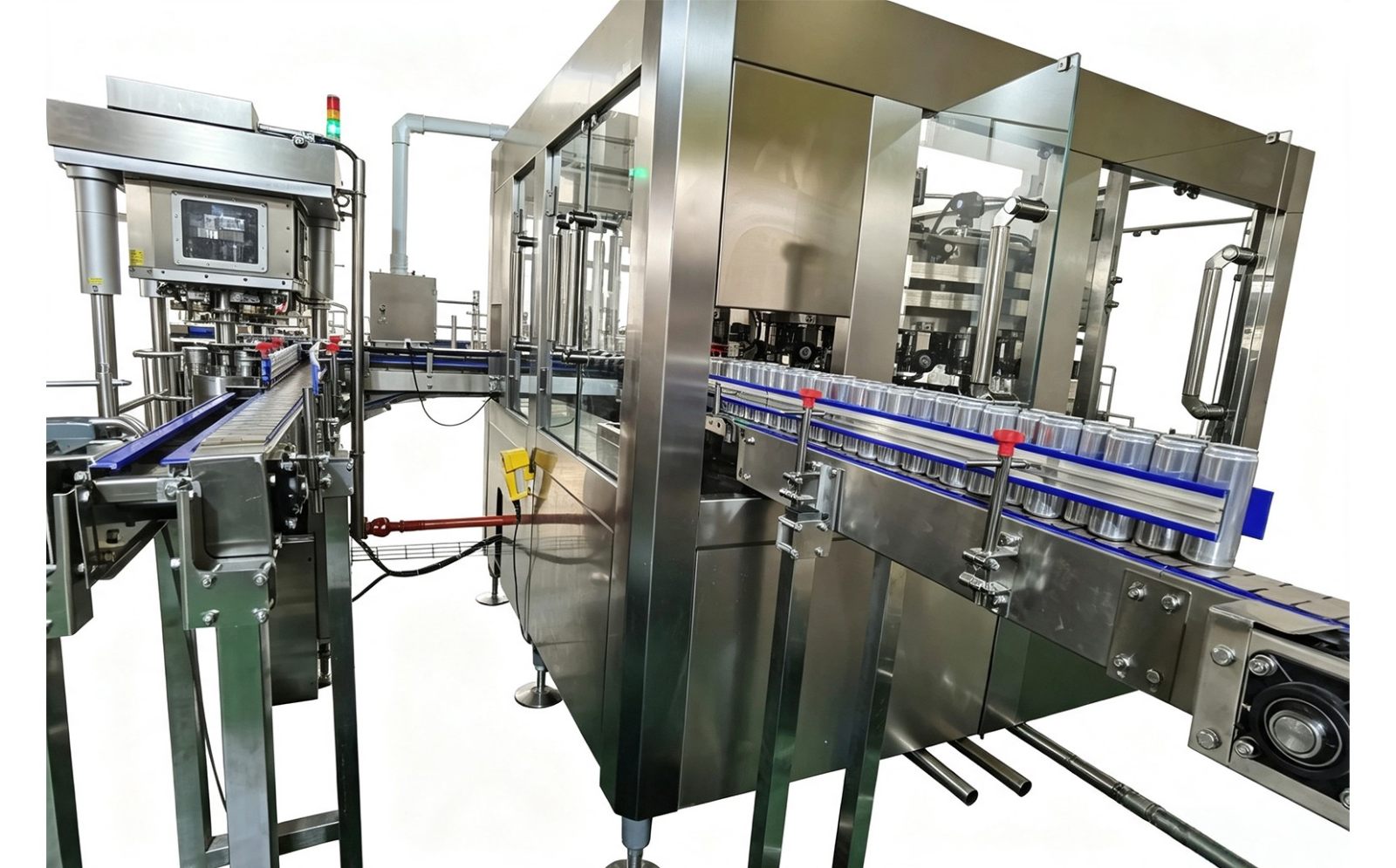
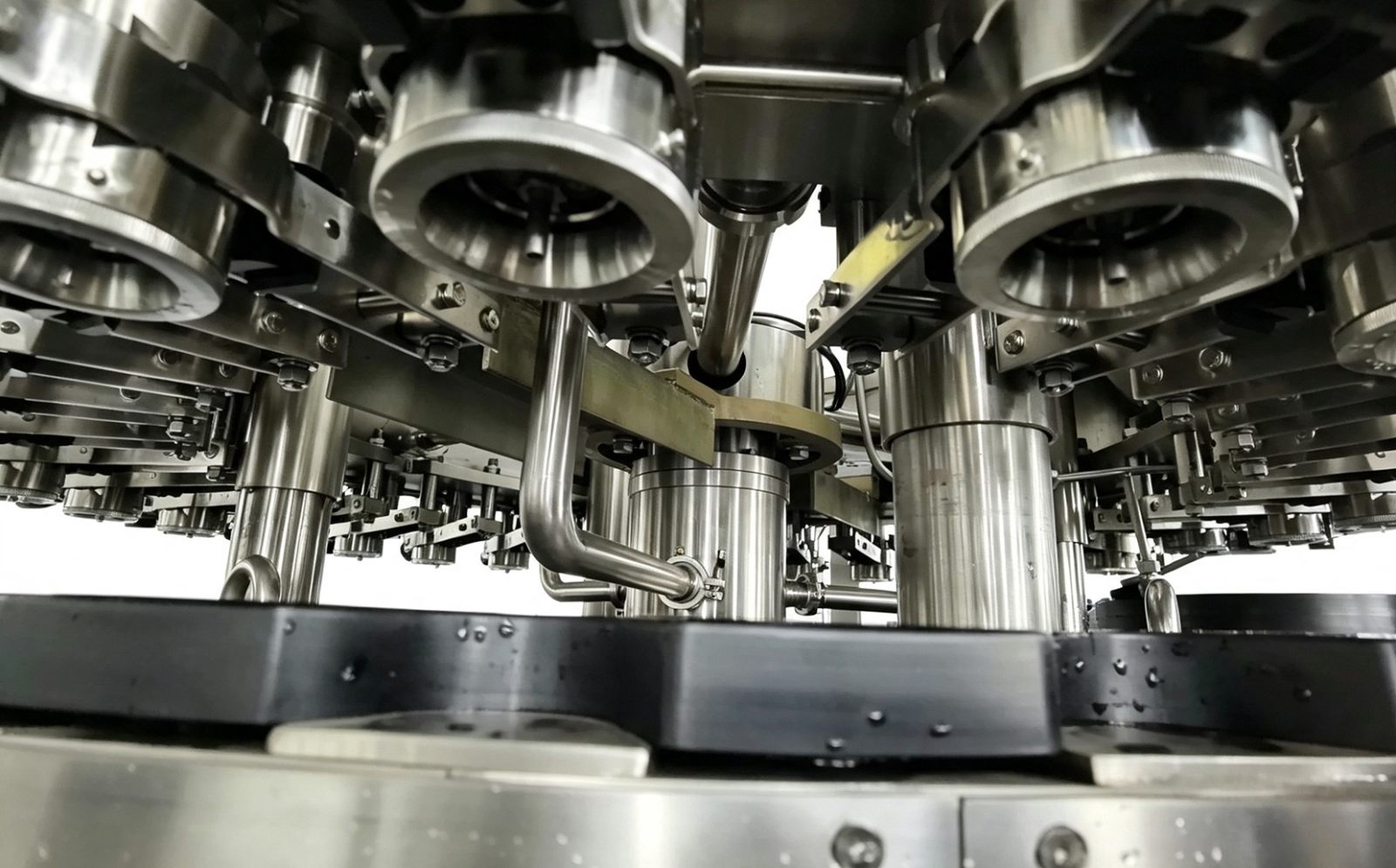
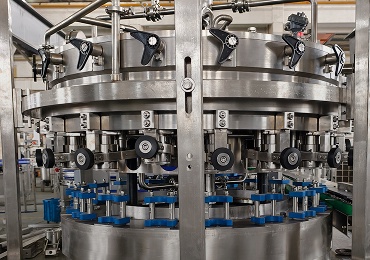
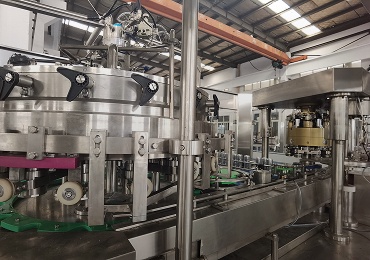
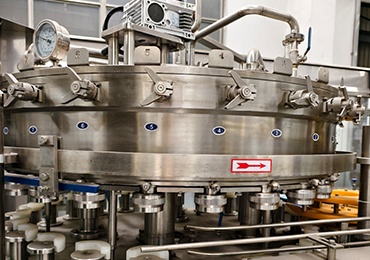
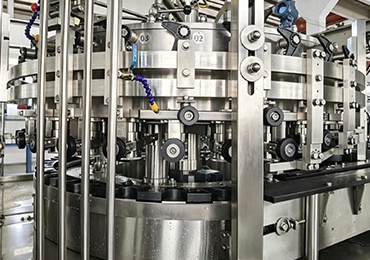
Carbonated drink/Beer canning machine

Product Value
01
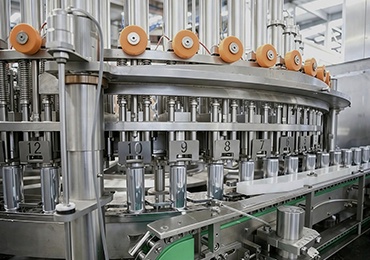
Precision Isobaric Filling Process
Synchronized pressure balancing between the can and the product tank ensures a foam-free and splash-free filling process, making it ideal for high-pressure carbonated beverages such as beer, soda, and sparkling drinks.
02
Integrated Filling and Seaming
Structure
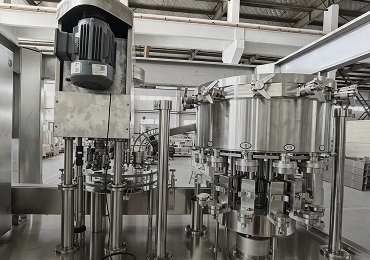
Features an integrated design combining the filling valve and seaming head; the single-line system handles the entire process—can feeding, isobaric filling, pre-pressurization, and seaming—with a high level of automation, allowing a single operator to manage the entire production line.
03
Intelligent Variable-Frequency Touch Control System
Equipped with a PLC touchscreen HMI, the system allows for one-touch can-type switching and production capacity adjustment; variable-frequency speed control ensures smooth startup and shutdown without mechanical shock, protecting both the cans and the equipment.
04
Superior Product Quality
Isobaric filling prevents CO2 loss in carbonated beverages, ensures consistent liquid levels, and guarantees airtight, leak-proof seals; this reduces defect rates and maintains stable product taste throughout the shelf life.
05
Long-Term Operational Value
Constructed from 304 food-grade stainless steel and featuring an energy-efficient variable-frequency drive, the machine is designed for easy disassembly and cleaning; it is compatible with CIP (Clean-in-Place) systems, significantly extending equipment lifespan and minimizing downtime for maintenance.
Applicability boundaries

Beverage types
Beer, cola, sparkling water, carbonated fruit juice, carbonated energy drinks, and other carbonated canned products

Beverage types
Standard two-piece aluminum cans, tinplate carbonated beverage cans, PET can
Working Principle
Can Feeding & Positioning
Empty cans are precisely indexed by a feed screw, delivered to the filling station, and sealed at the opening.
Isobaric Balancing
Carbon dioxide is introduced into the empty can to equalize the internal pressure with that of the product reservoir.
Pressure Relief & Return
Once filling is complete, the valve closes, and residual pressure within the can is slowly released to standardize the liquid level.
Seaming & Forming
The can is conveyed to the seaming head, where rollers perform a double-seam operation to seal the lid, and the finished product is automatically discharged.
Core components
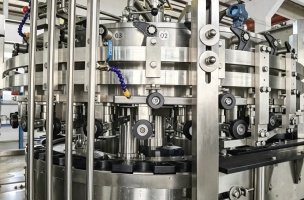
Filling Assembly
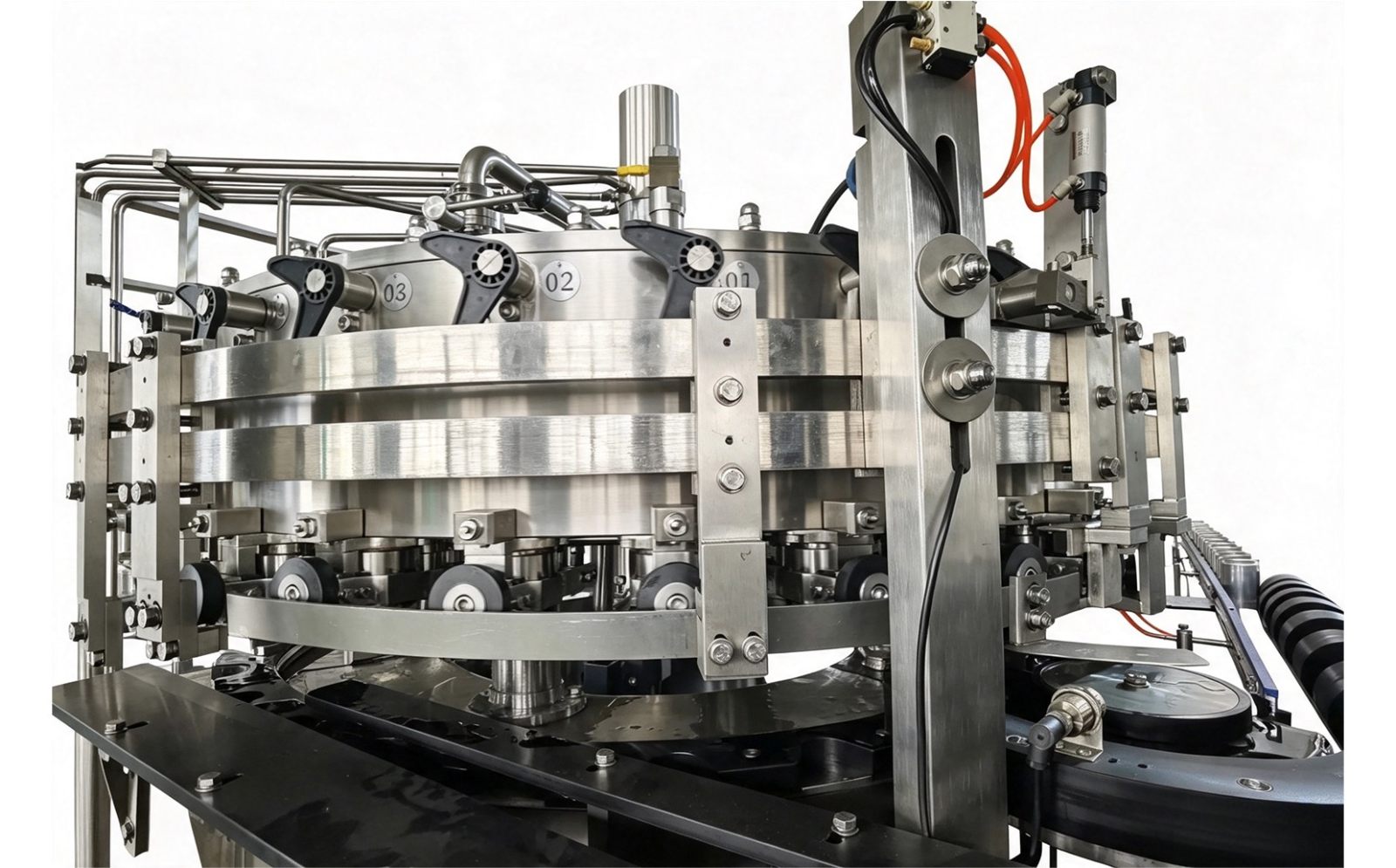
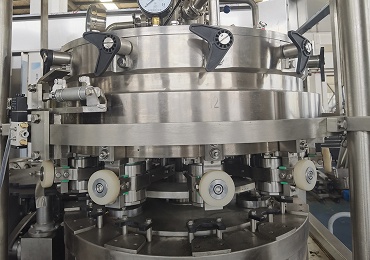
Stainless steel isobaric filling valve (specialized anti-foaming valve core), constant-temperature product tank, pressure regulation assembly
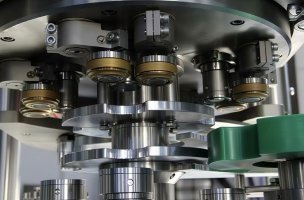
Seaming Assembly
Seaming head, first-operation seaming roll, second-operation seaming roll, lid dispensing and placement mechanism
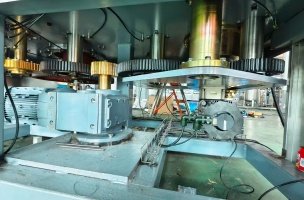
Drive System
Variable-frequency motor, precision planetary gearbox, cam indexer (ensuring synchronized can positioning)
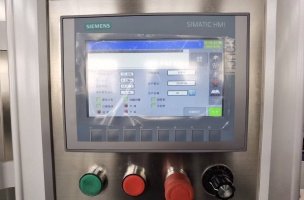
Electrical Control System
PLC controller, color touchscreen, pressure sensor, liquid level sensor, variable-frequency control cabinet
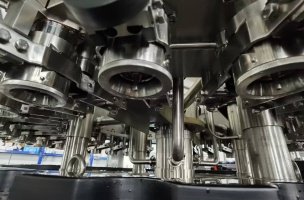
Main Structure
304 stainless steel frame, food-grade infeed screw, infeed starwheel, can guide rails.
Optional
CIP (Clean-in-Place) System
Automatically cleans product tanks and piping via acid, alkali, and water circulation without requiring equipment disassembly.
Foam-Inducing Device
Used in beer filling, this device sprays high-temperature, high-pressure deoxygenated water onto the beer to rapidly generate foam. This displaces air from the can and prevents air from being re-absorbed.
Rapid Can-Format Changeover Kit
Includes various infeed screws and positioning molds, enabling a format switch in just 15 minutes.
Changeover/Cleaning/Maintenance
Hygienic Design
All parts in contact with the product are detachable and free of sanitary dead zones; the system supports full-line CIP (Clean-in-Place) and complies with food safety standards in the food and beverage industry.
High Versatility
What do the model designations DGF12-1 and DGF30-6 signify?
DGF stands for an integrated isobaric can filling and seaming machine; the first number indicates the number of filling valves, and the second number indicates the number of seaming roller stations. Example: DGF18-4 = 18 filling valves + 4 seaming heads, with filling and seaming operations running synchronously.
How can uneven liquid levels in the cans after filling be resolved?
1. Check if the pressure in the material storage tank is stable; pressure fluctuations can cause variations in the liquid intake volume.
2. If the filling valve spool seal is worn or jammed by material, disassemble and clean the component or replace the seal.
3. Misalignment of the star wheel can result in an imperfect seal on the container, leading to a loss of pressure.
4. Inconsistent filling pressure-release delay settings; calibrate the delay time uniformly via the touchscreen.
The touchscreen displays an abnormal pressure alarm, and the machine stops automatically.
① Insufficient CO₂ supply pressure or a damaged gas source pressure-reducing valve; ② dirty or malfunctioning pressure sensor on the material storage tank; ③ clogged gas return line preventing the release of internal tank pressure; ④ leaking pneumatic solenoid valve causing continuous pressure fluctuations. The system can be reset by checking the gas source, cleaning the sensor, and clearing the pipeline.
What are the core wear parts of the equipment, and what are their replacement intervals?
① Filling valve silicone seal: 3–6 months; ② Seaming rollers: 8–12 months; ③ Can-dividing starwheel wear-resistant guard plate: approx. 1 year; ④ Pressure sensor diaphragm: 1.5 years; machine parts are shipped together with the equipment.
Select the Suitable Model
 DGF12-1Inquire Now
- DGF12-4Inquire Now
- DGF18-4Inquire Now
- DGF20-4Inquire Now
- DGF24-6Inquire Now
- DGF30-6Inquire Now
- Fully-electronic-fillingInquire Now
Related Product Recommendations
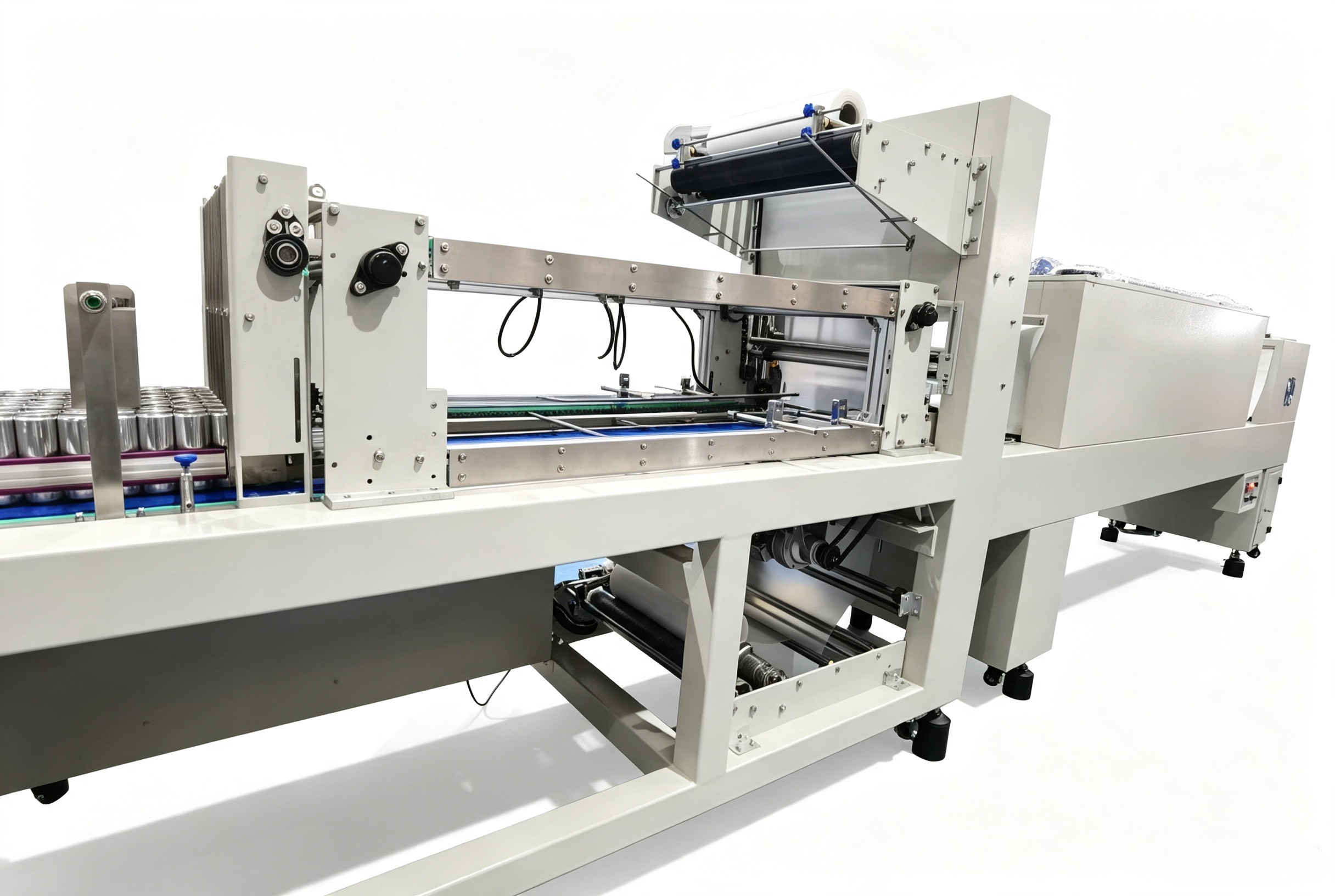
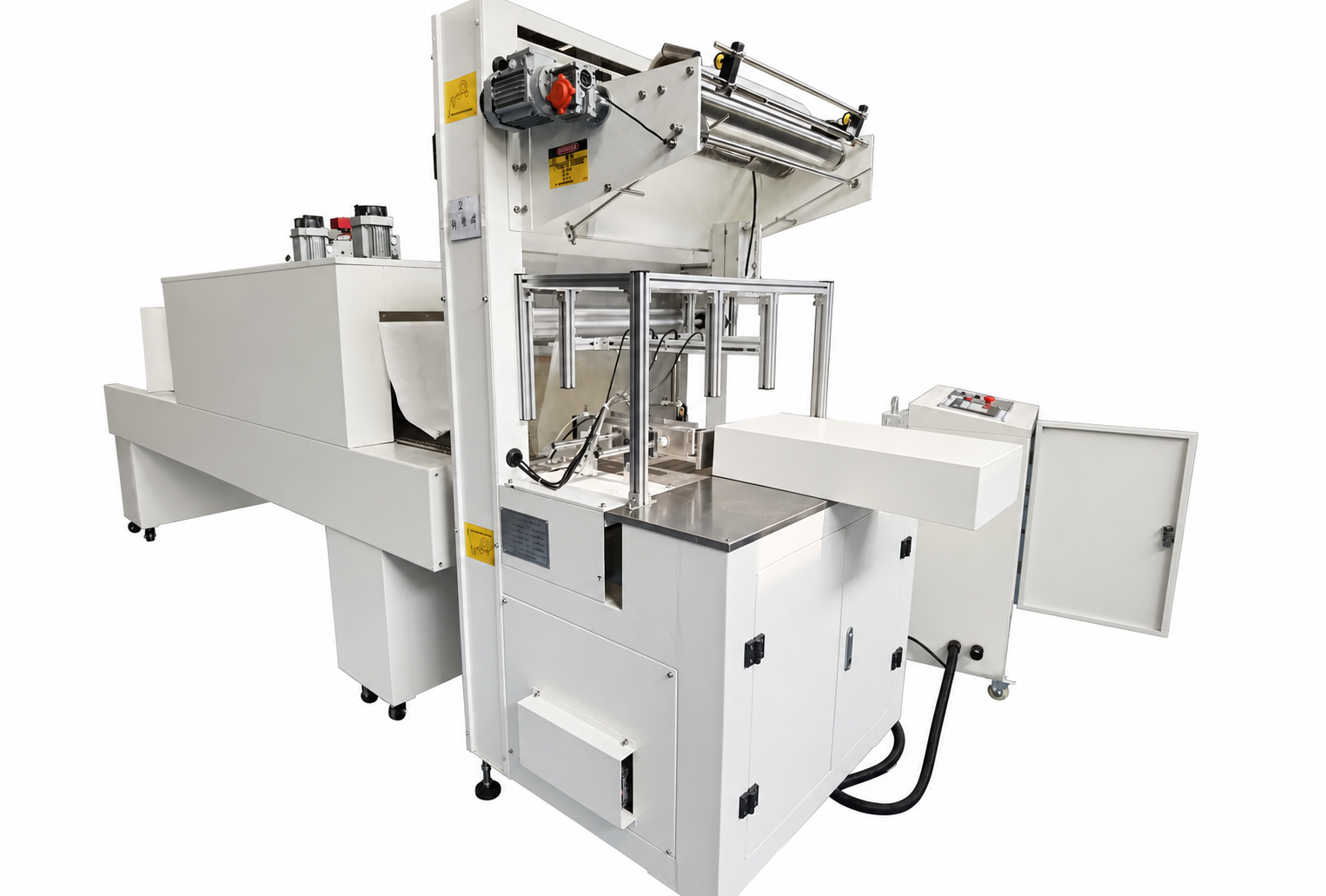
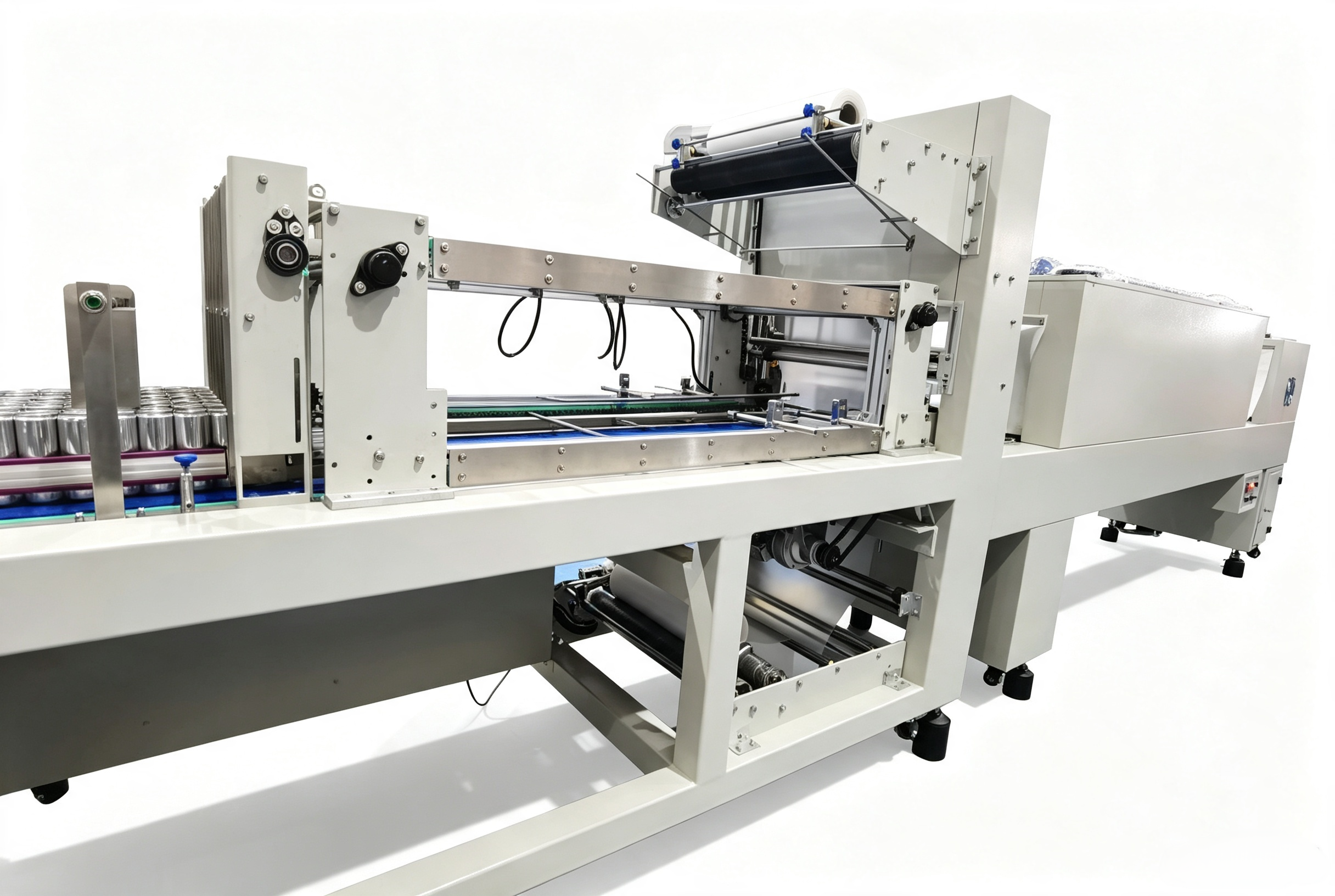
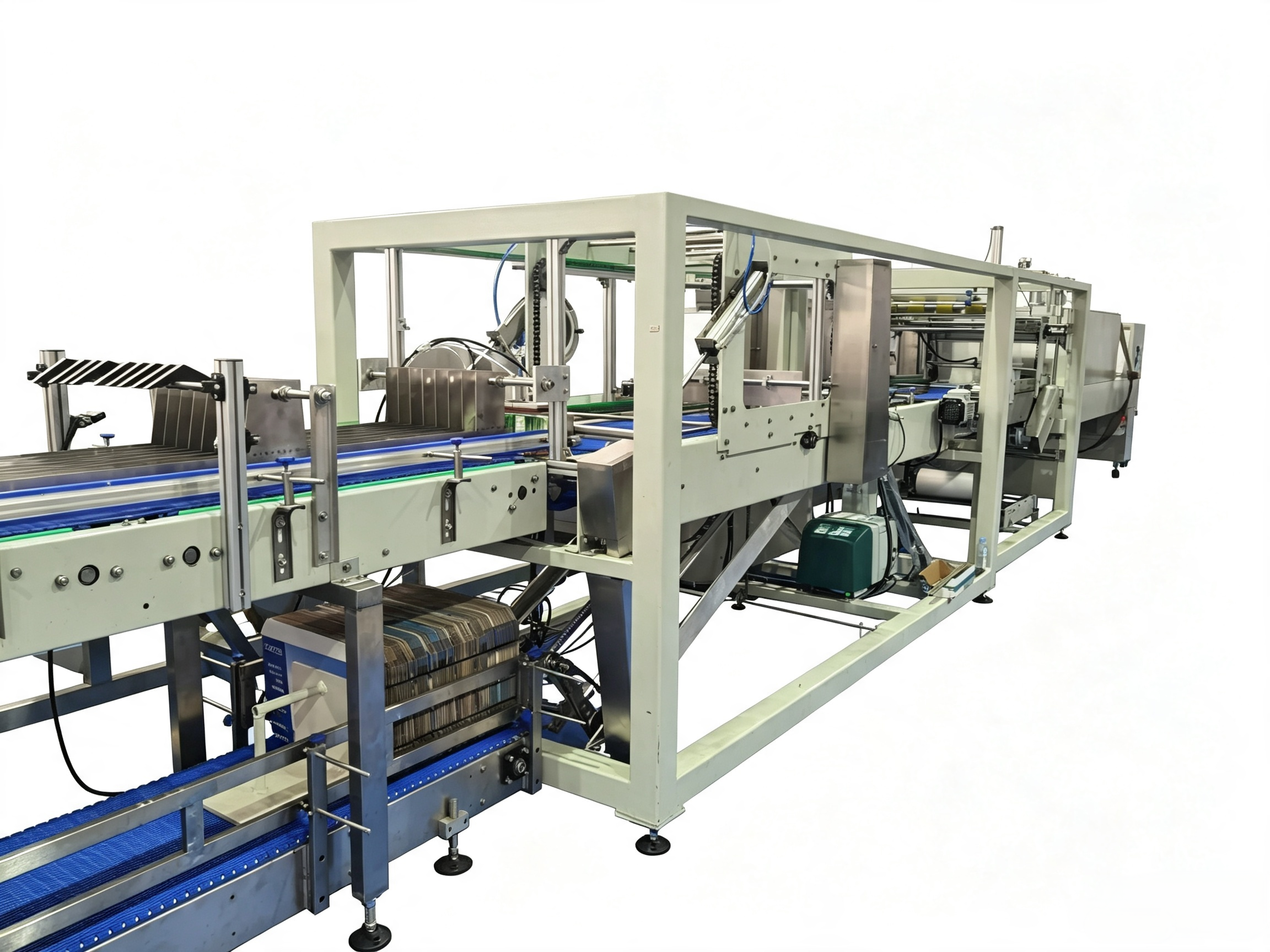
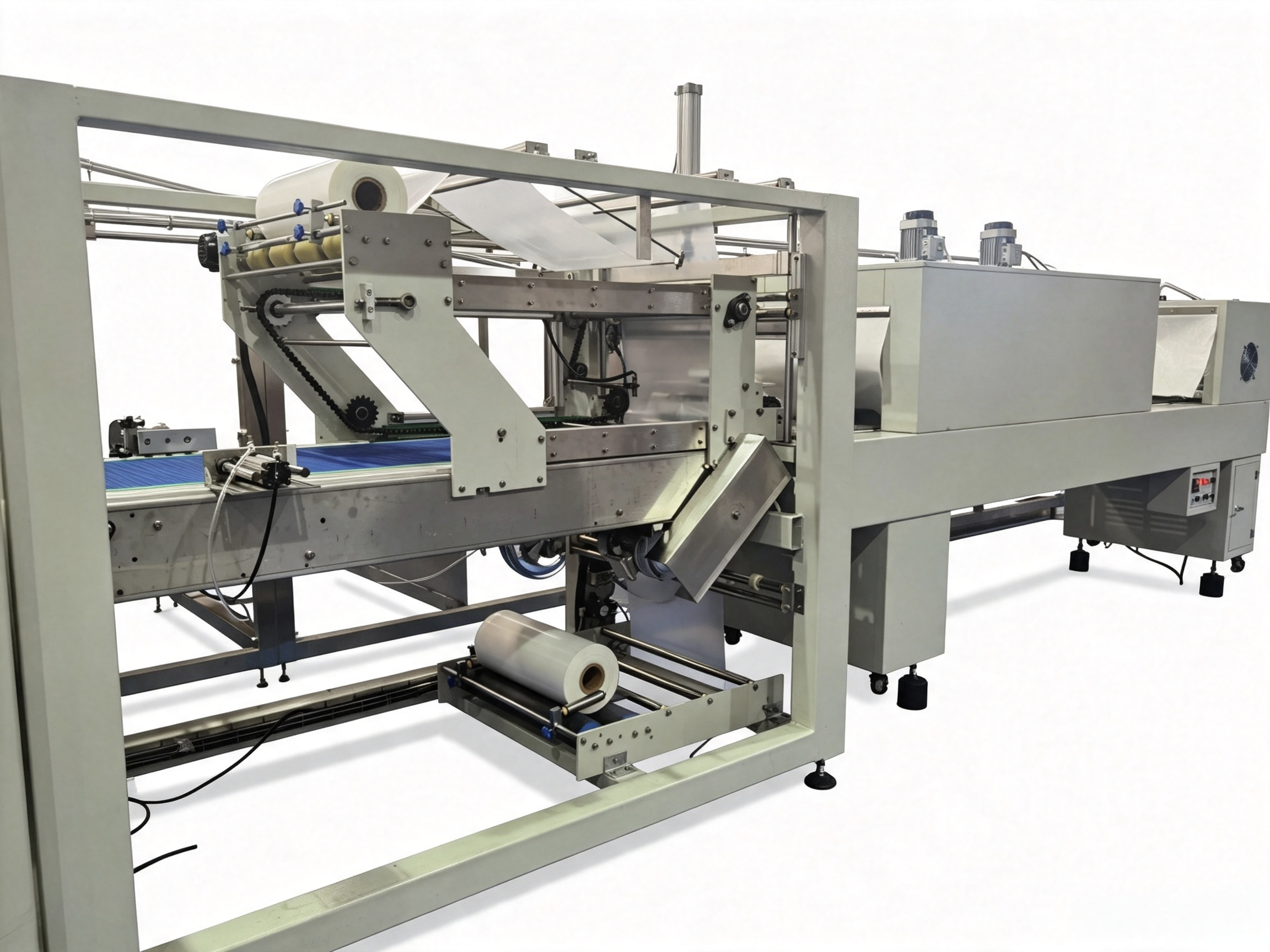
 Liner Type PE Film Wrapping MachineLearn More →
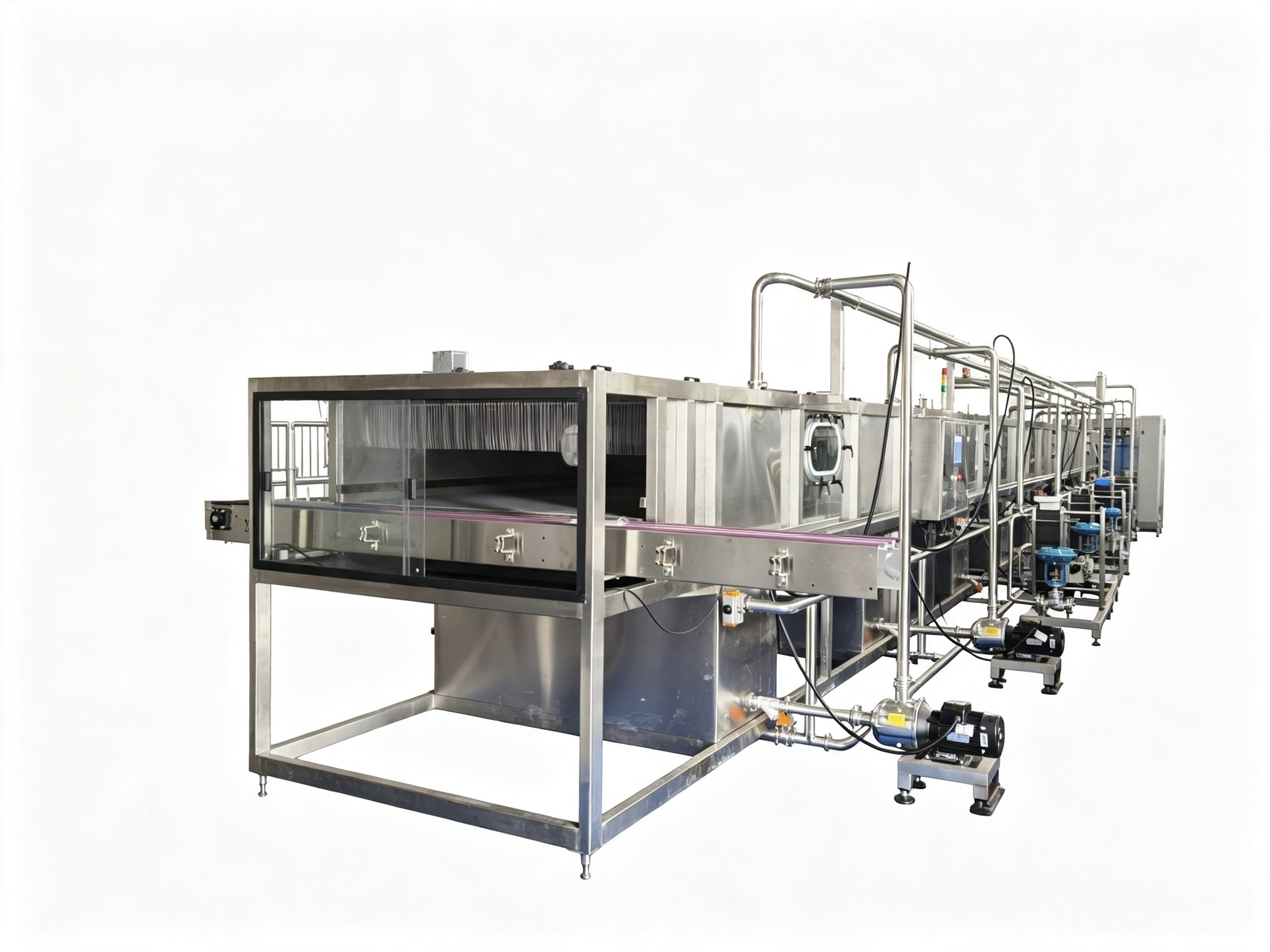
 Warming TunnelLearn More →
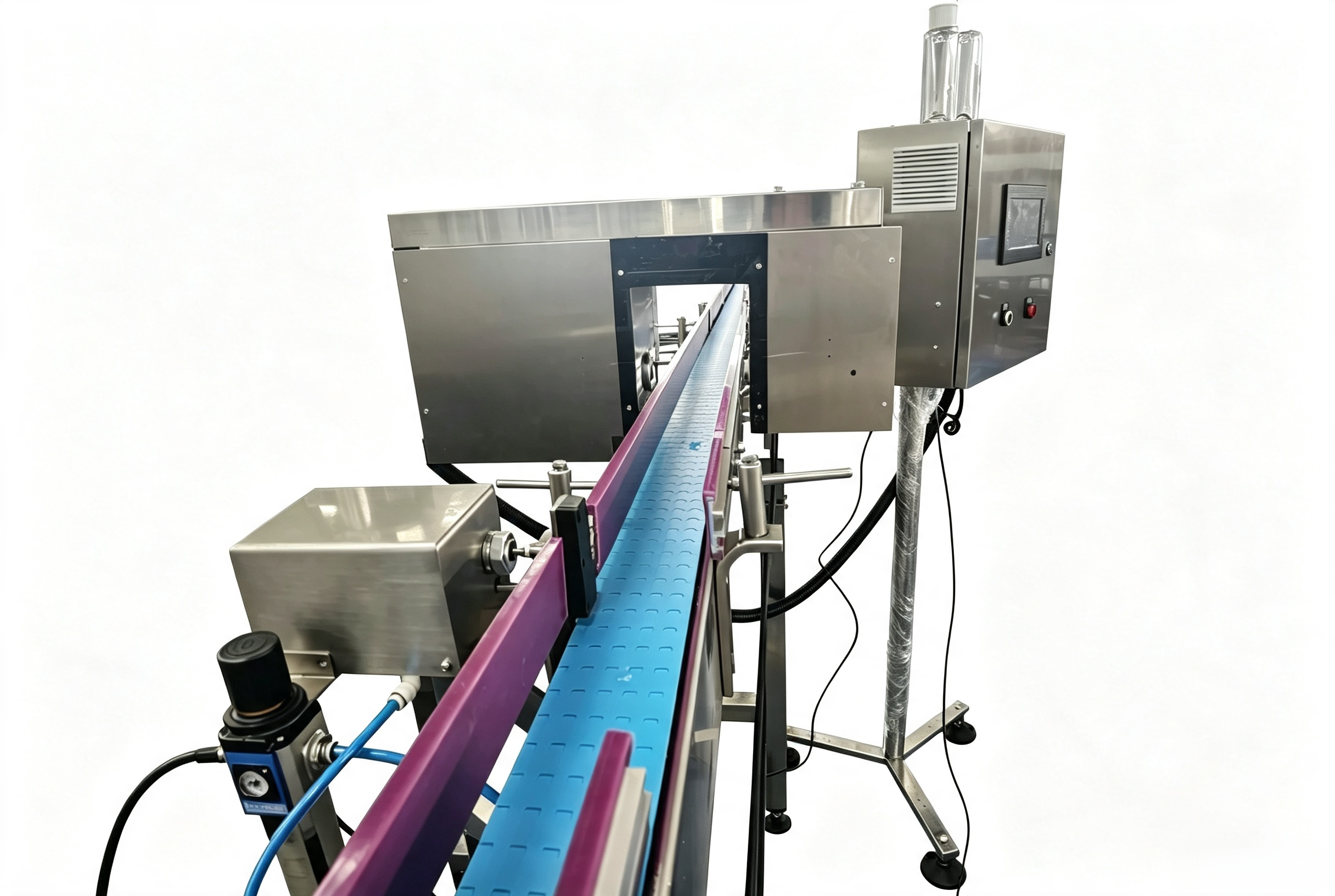
- Liquid Level DetectionLearn More →
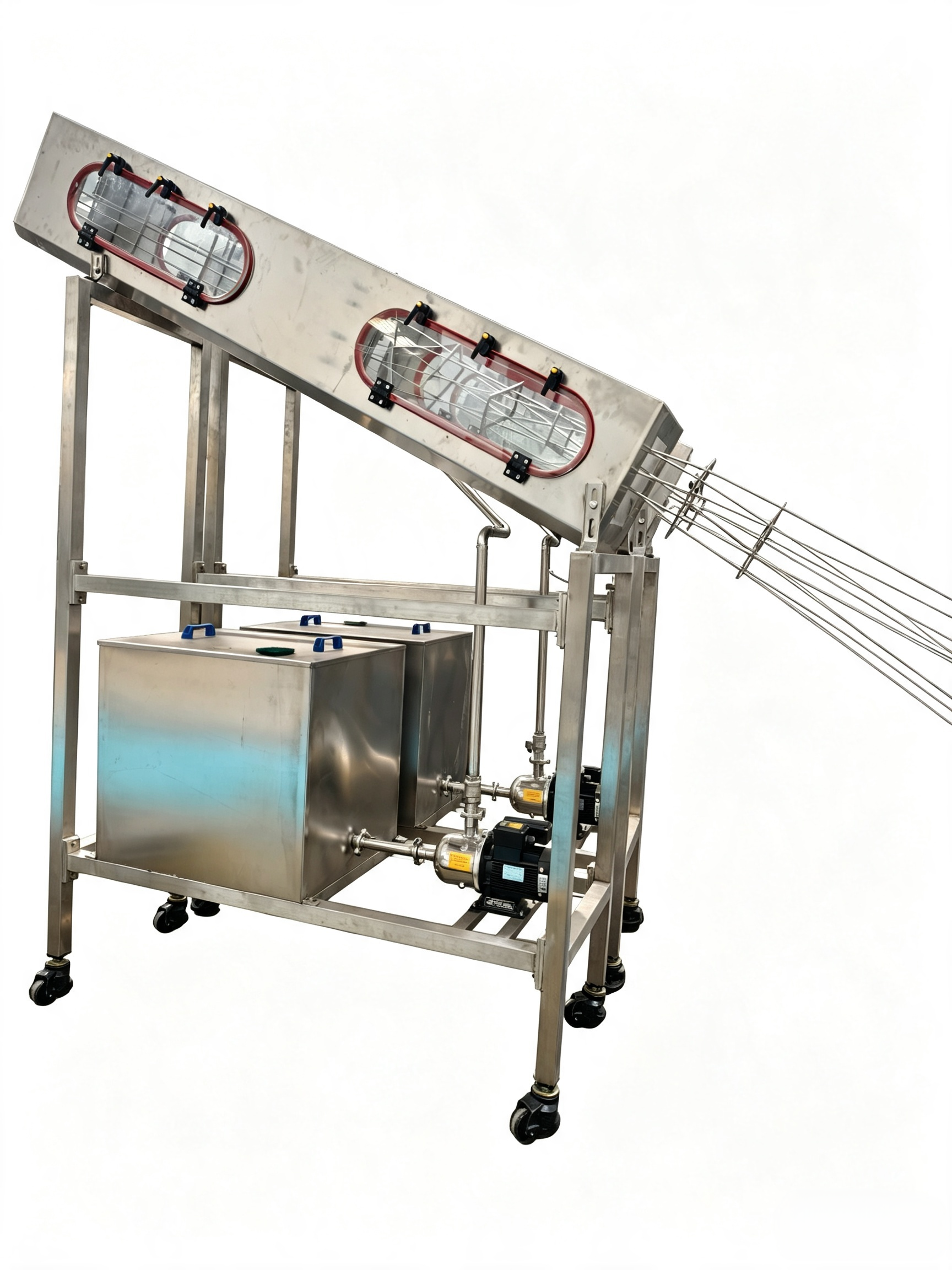
 Can WasherLearn More →
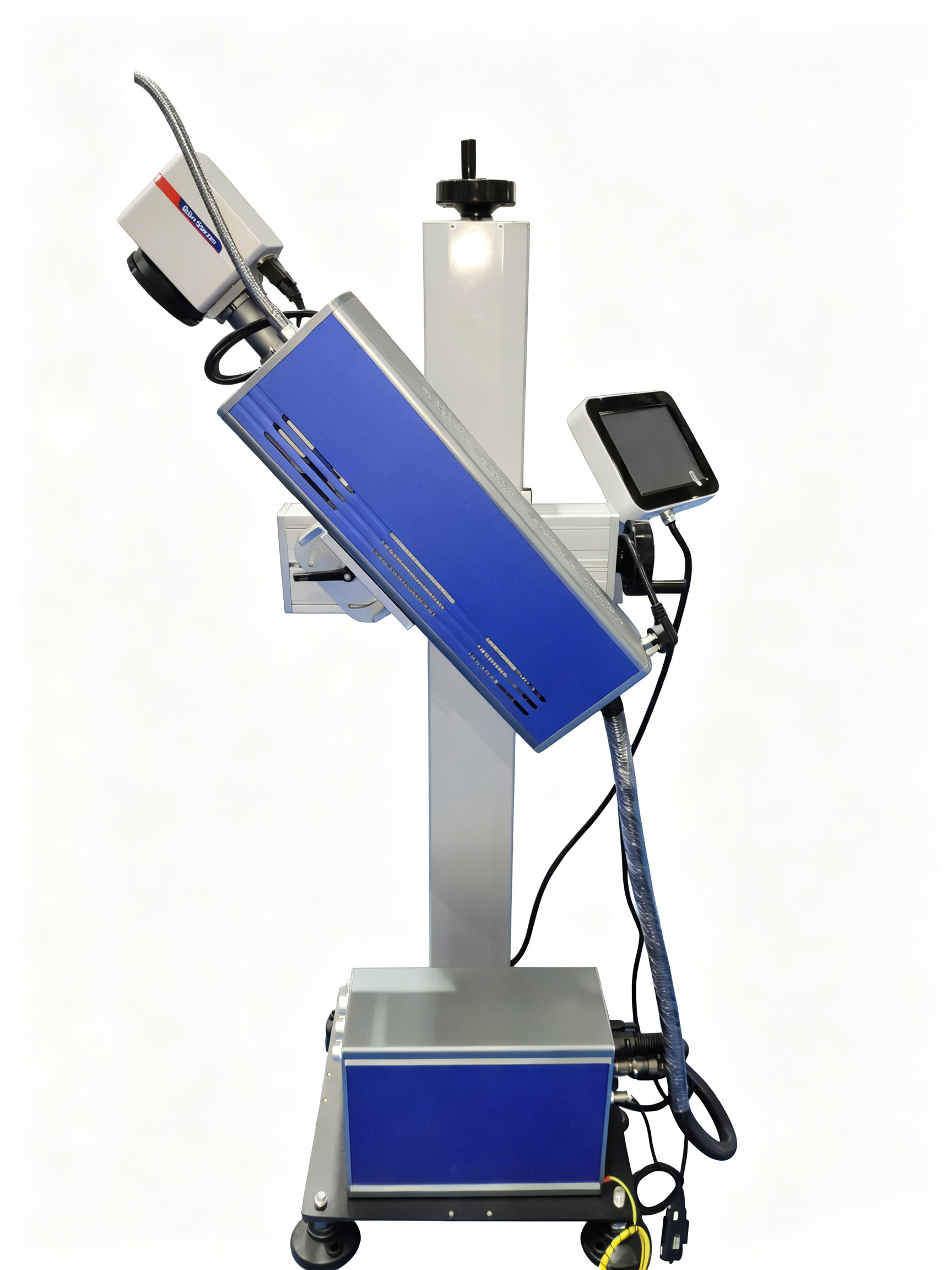
- Laser PrinterLearn More →
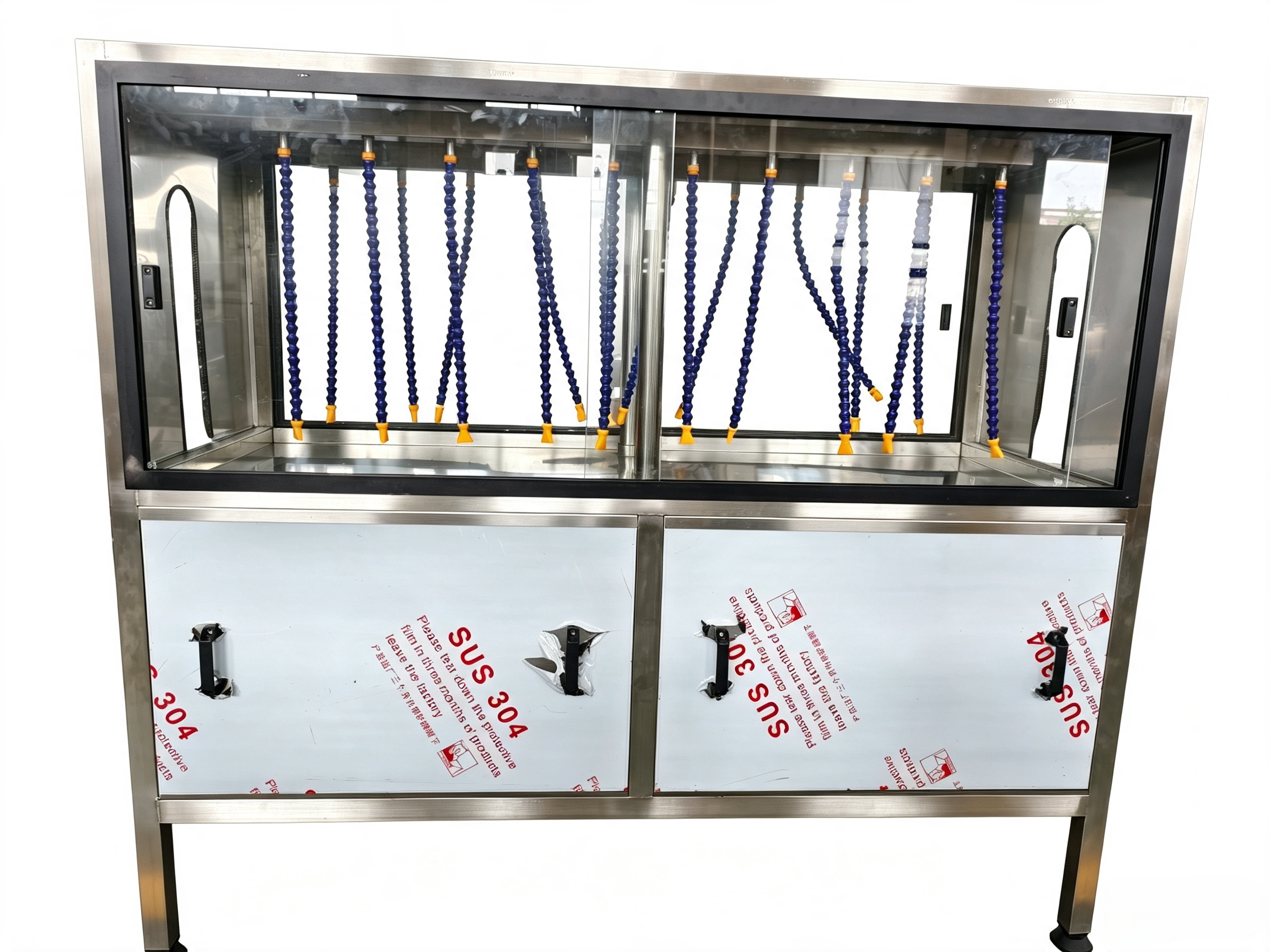
- Blow DryerLearn More →
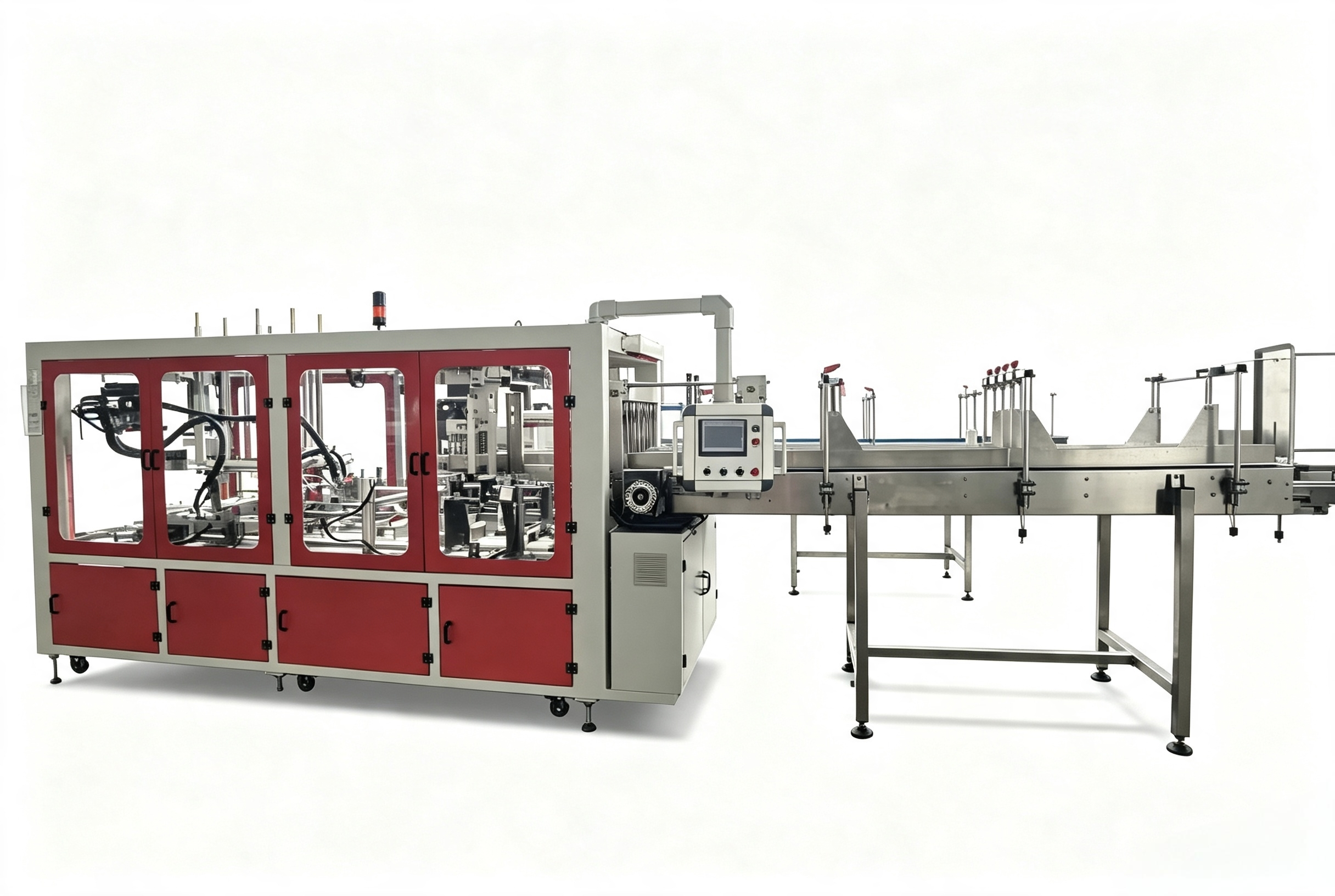
 PE film packing machineLearn More →
- Half tray packing machineLearn More →
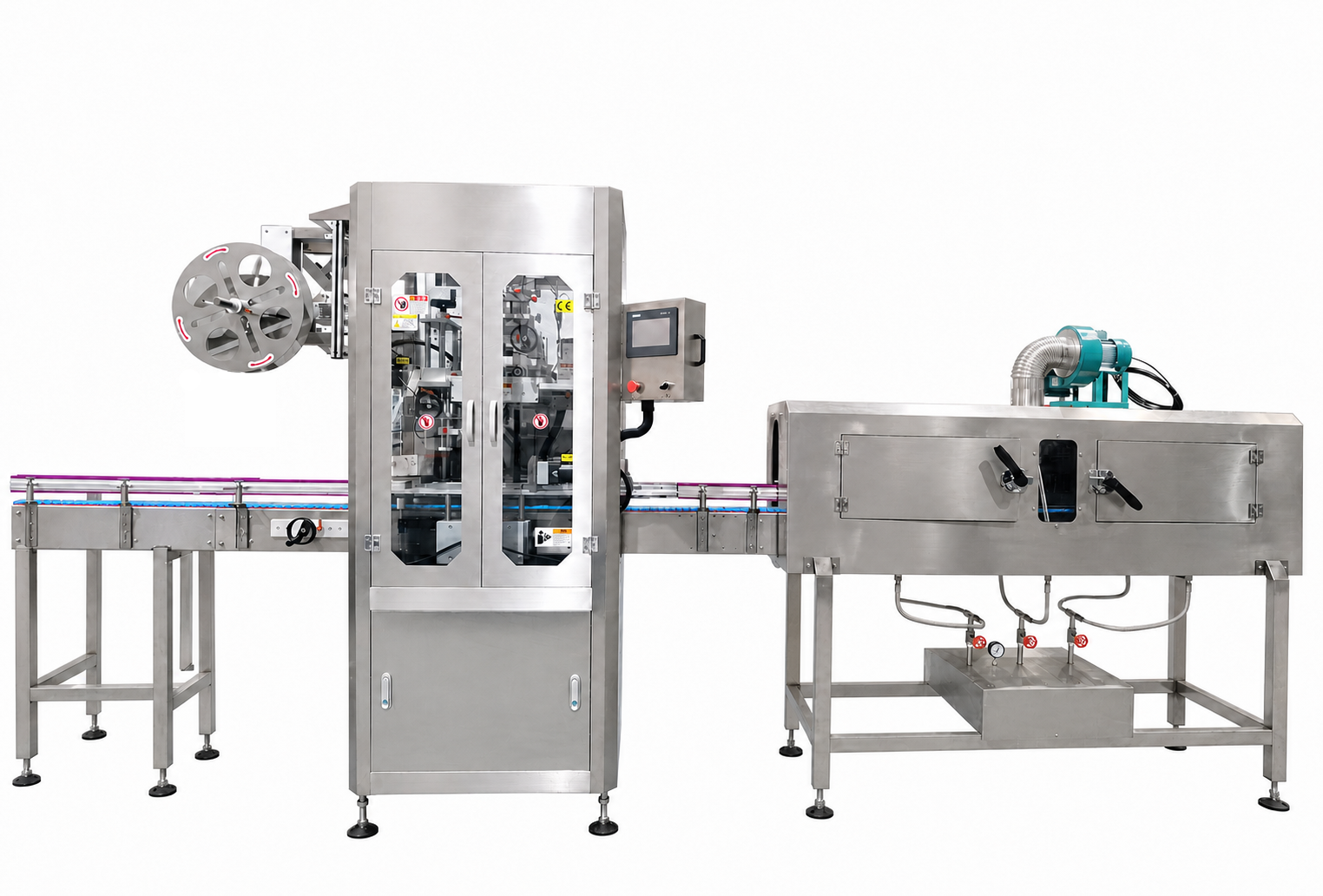
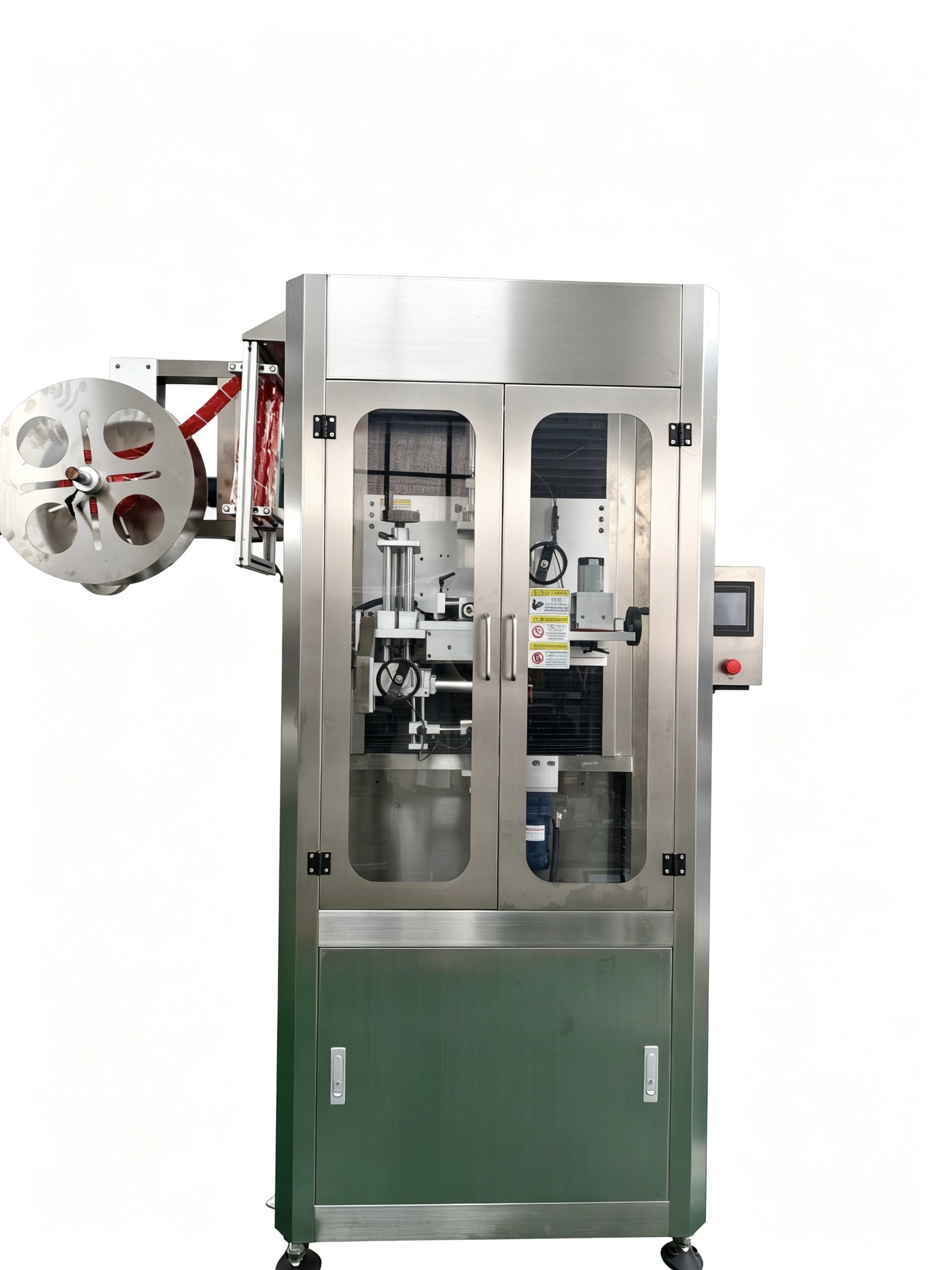
 Sleeve and shrink labeling machineLearn More →
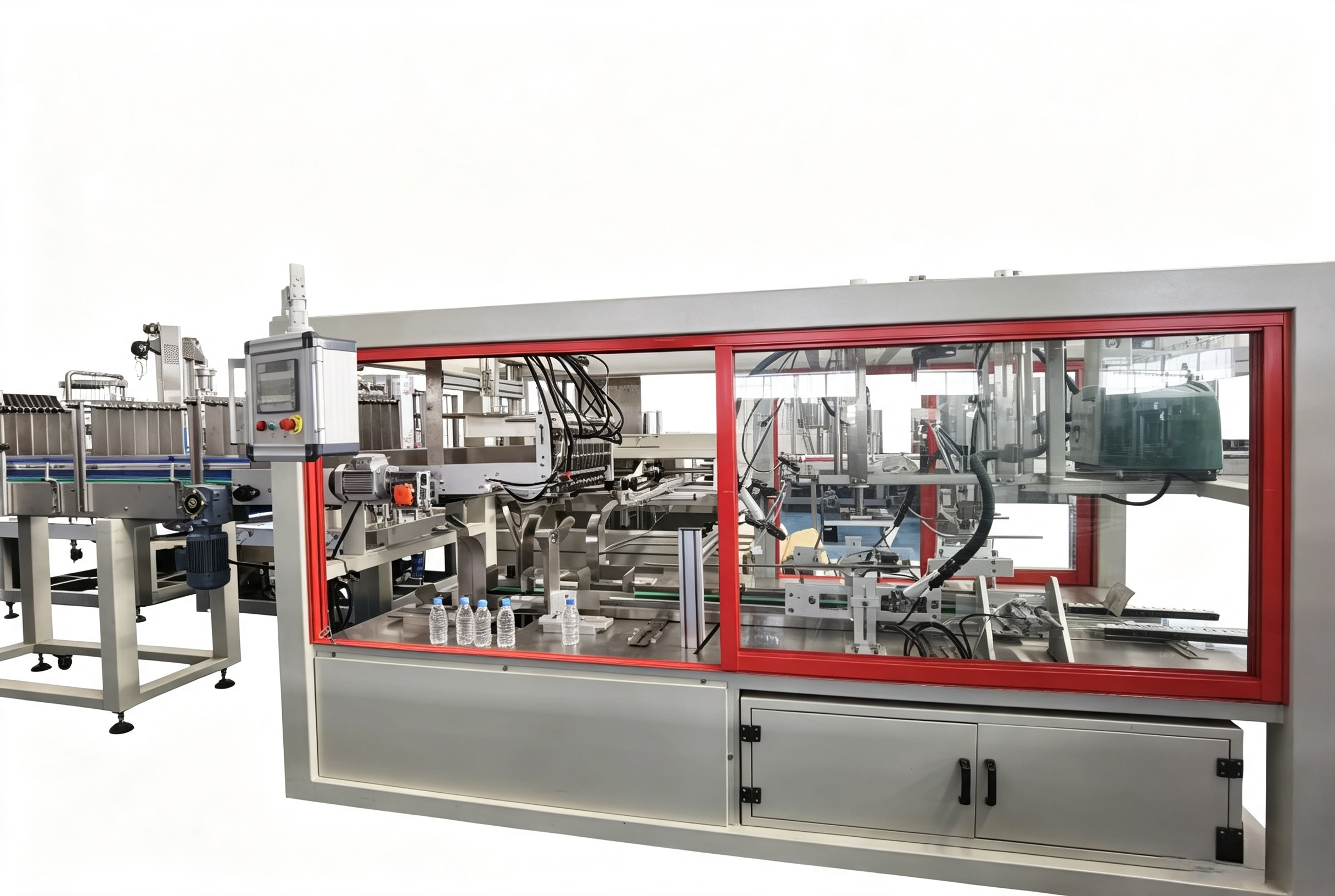
- Carton packing machineLearn More →
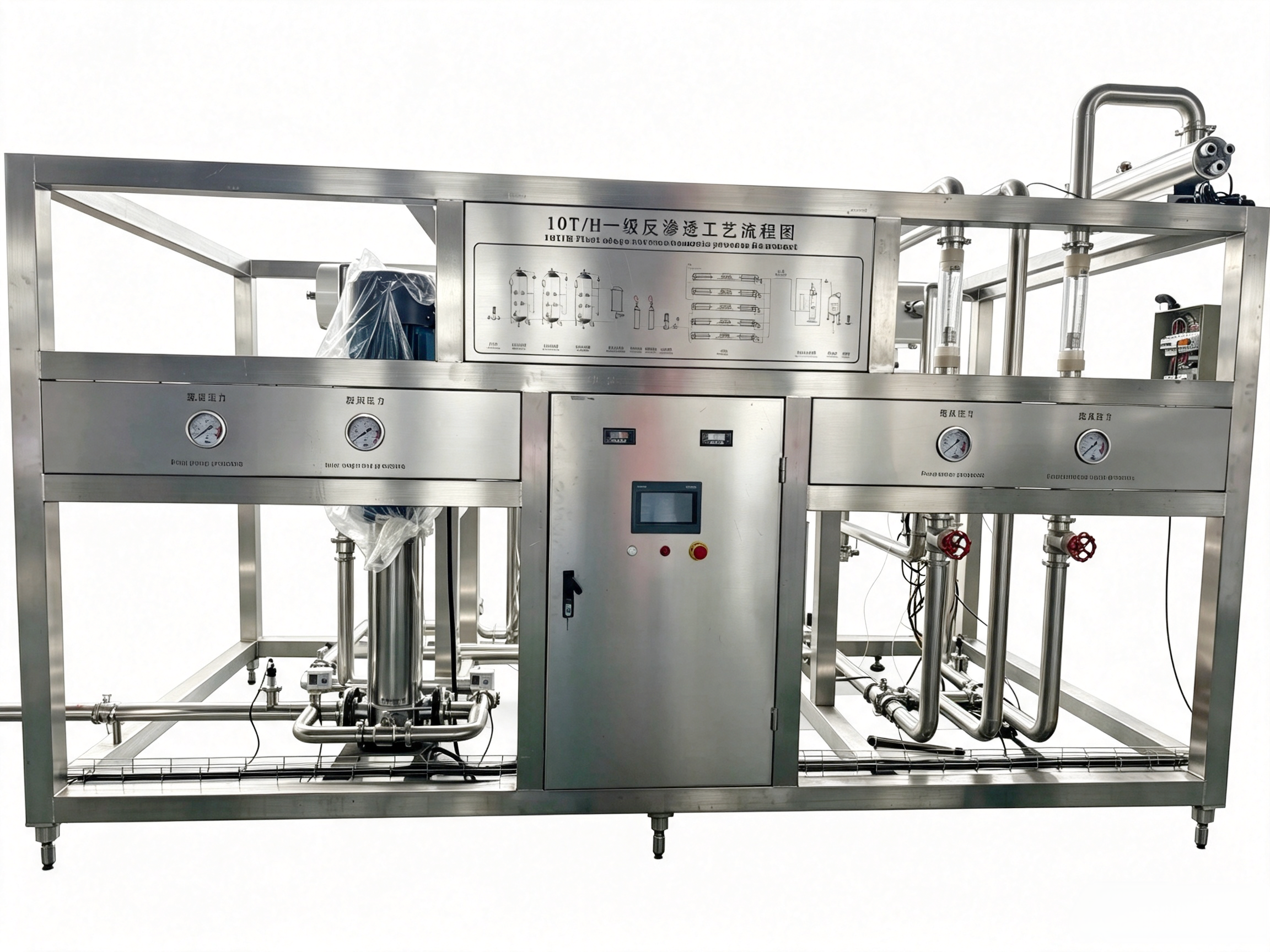
- Reverse osmosisLearn More →
- CO2 mixerLearn More →
Contact Us
Complete 2 easy steps below to get your factory matrix and a complimentary factory layout design within 24 hours.
Request Factory Price & Factory Layout Within 24h
Request Factory Price & Factory Layout Within 24h