



Blending System
Reliable blending solutions for beverage manufacturers worldwide.
Our blending systems ensure accurate ingredient mixing, consistent product quality and efficient production for water, juice, carbonated drinks, dairy beverages and functional drinks.

video
The Fillron Blending System is the core hub of pre-processing in beverage production lines. It mixes raw materials such as water, syrup, fruit juice, and auxiliary ingredients according to strict formulas, and ensures that the final product has a smooth taste, stable texture, and meets commercial sterility standards through physical and thermal treatment processes such as degassing, homogenization, and sterilization.
Selection criteria
| Selection Dimensions | Options/Instructions | Matching suggestions |
| By process stage | Dissolving sugar and adding ingredients / Degassing and homogenization / Sterilization / Cleaning | Identify the pre-processing steps that need to be addressed in the current production line. |
| According to material properties | Pure water / Fruit juice / Drinks containing fruit pulp / Protein drinks / Carbonated drinks | Protein drinks require enhanced homogenization; carbonated drinks require CO2 mixers. |
| According to capacity demand | 1T/H - 100T/H (tons/hour) | The tank volume and sterilizer flow rate are matched and adjusted according to the capacity requirements of the back-end filling line. |
| By degree of automation | Manual ingredient dispensing / Fully automatic centralized control | Large beverage factories recommend fully automated MES (Manufacturing Execution System) integration to reduce human error. |
Blending Solutions for Every Beverage
Explore our complete range of blending equipment designed for different beverage formulations, production capacities and processing requirements.
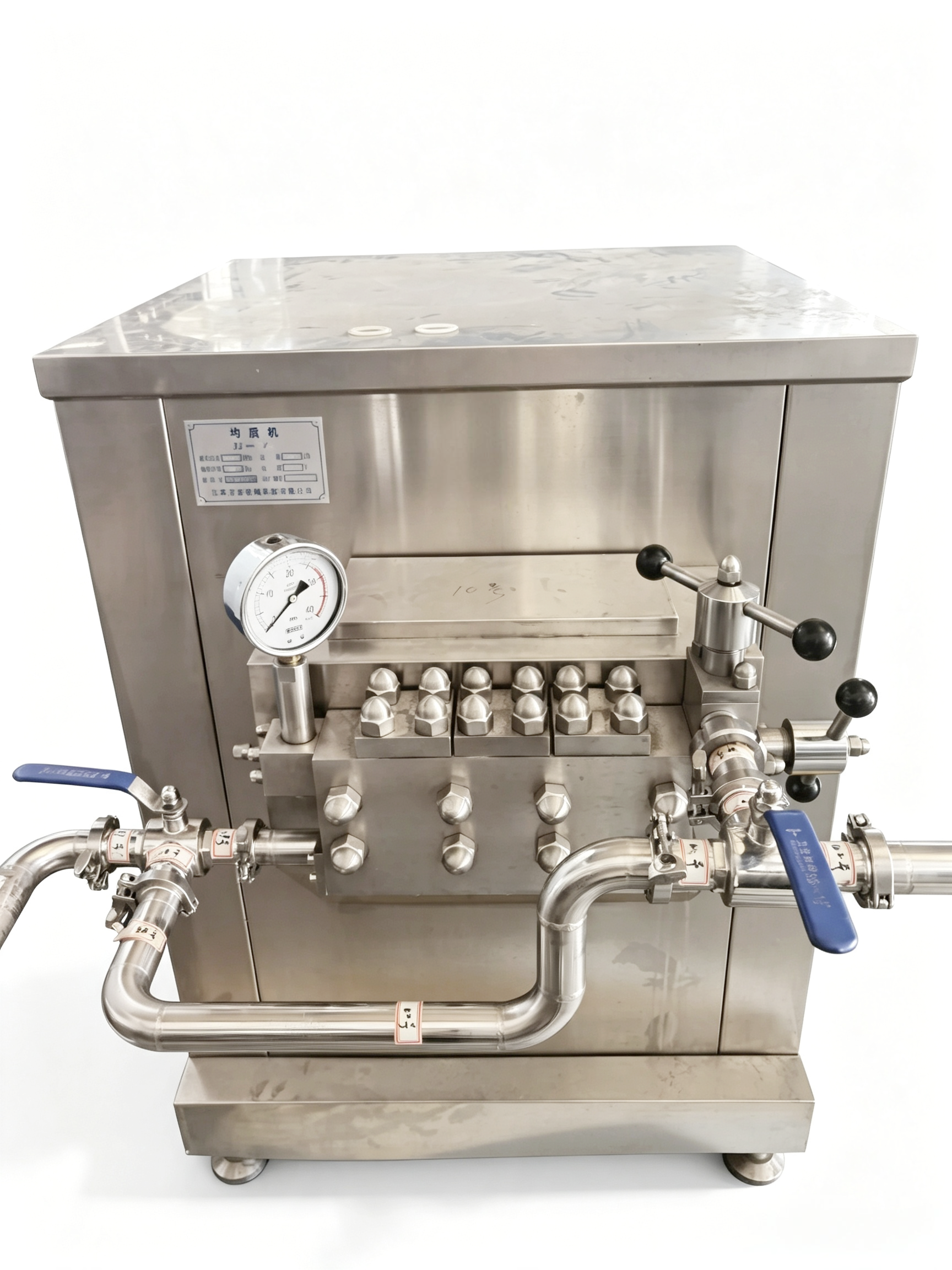
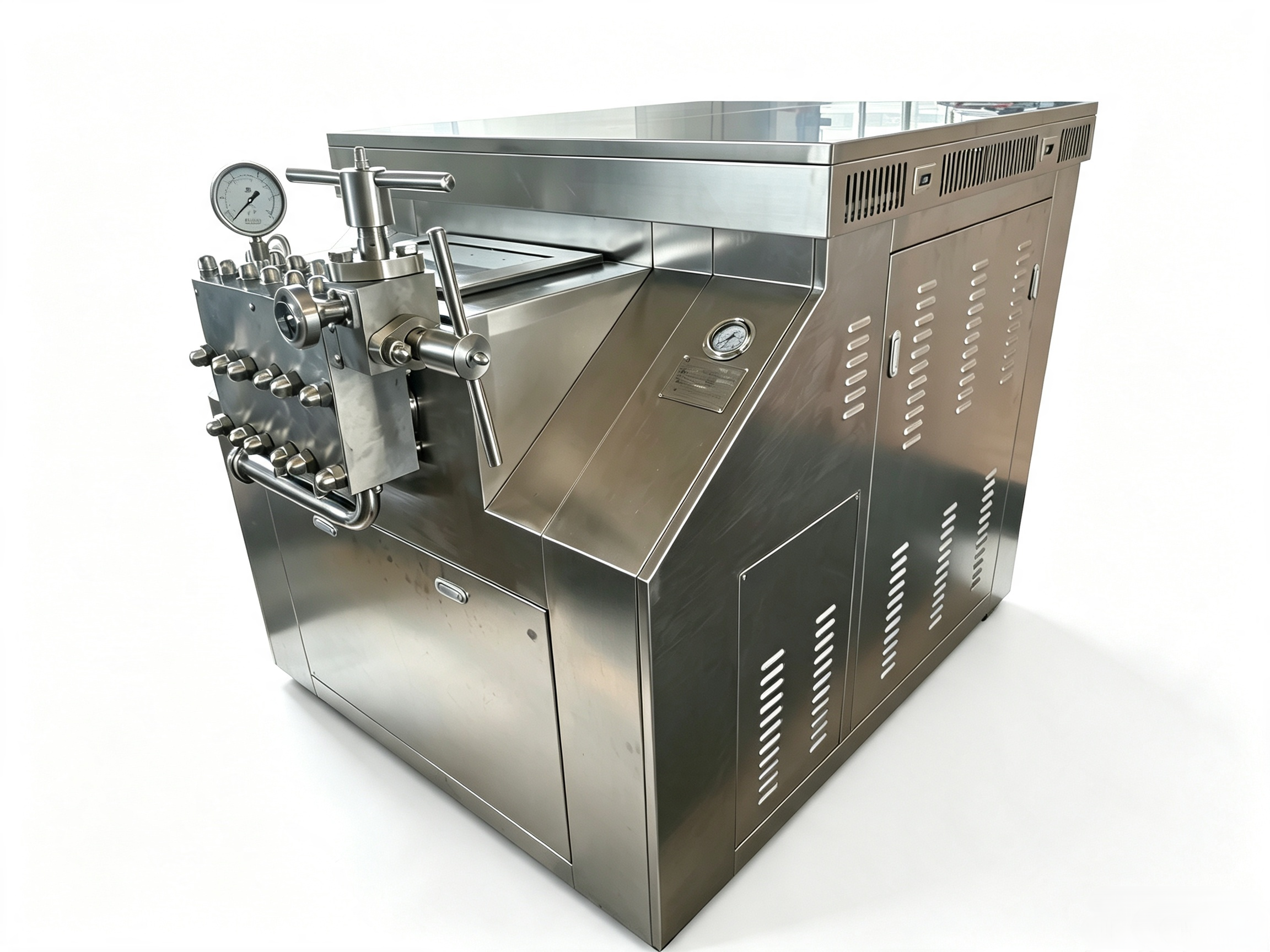
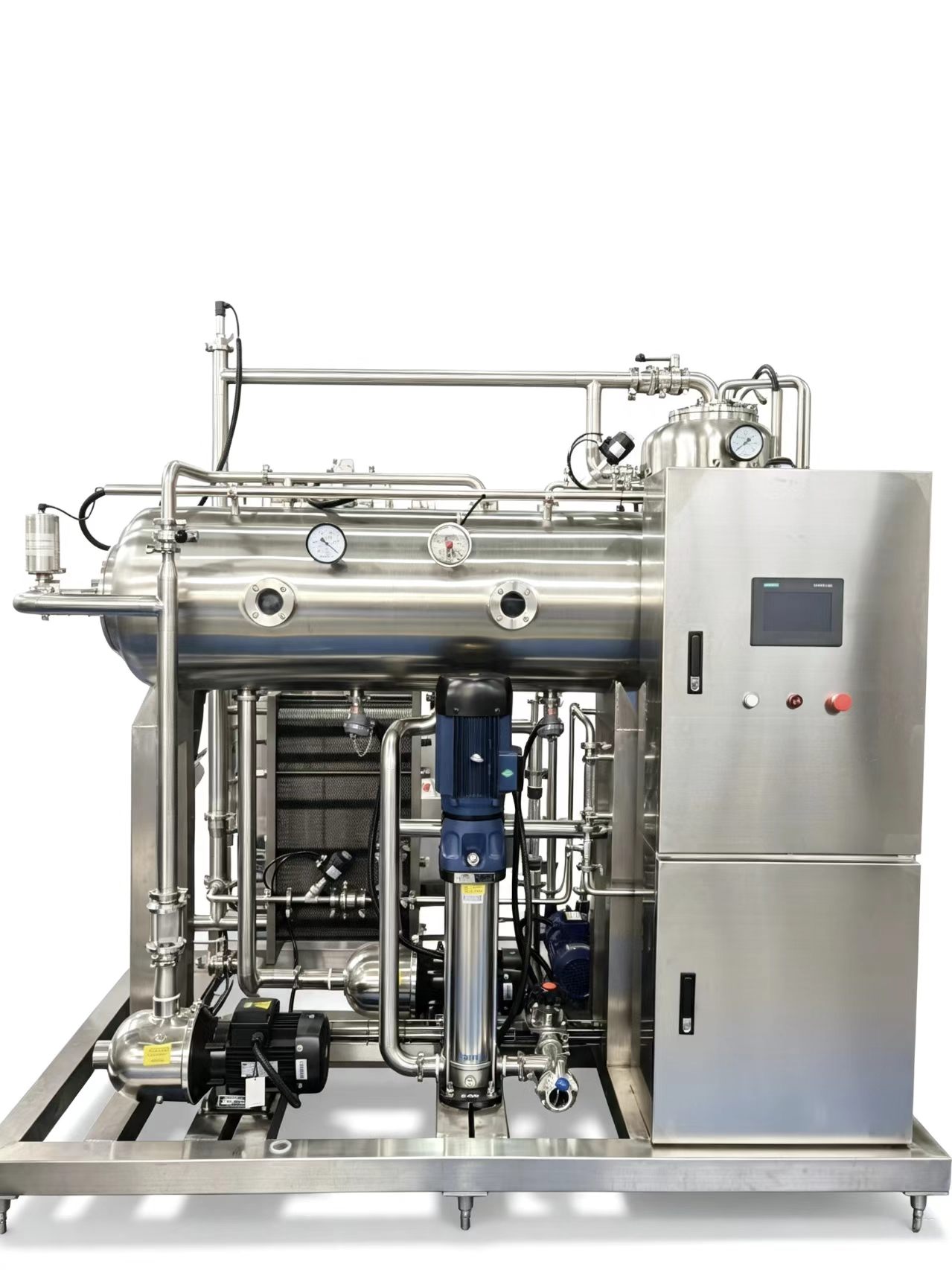
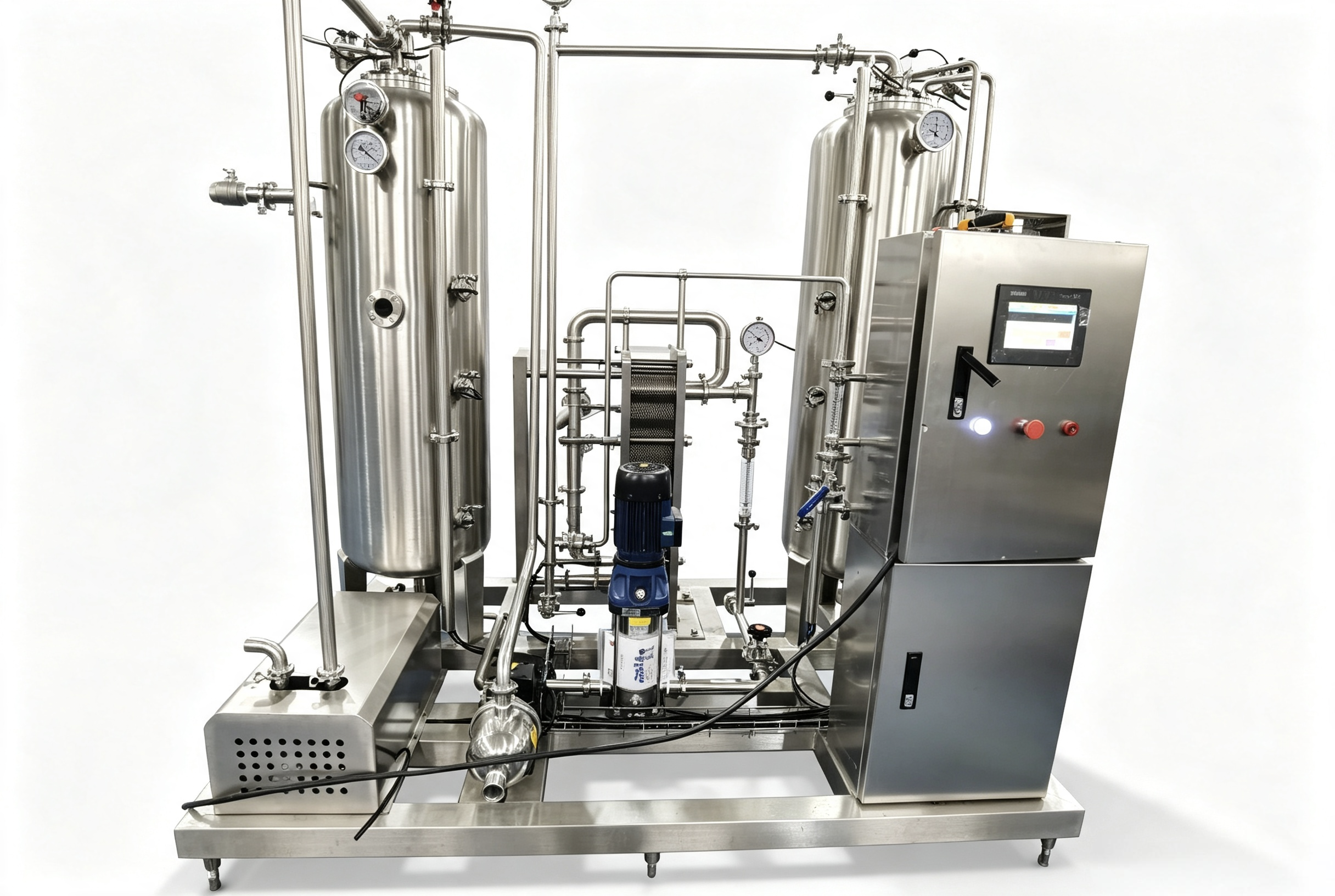
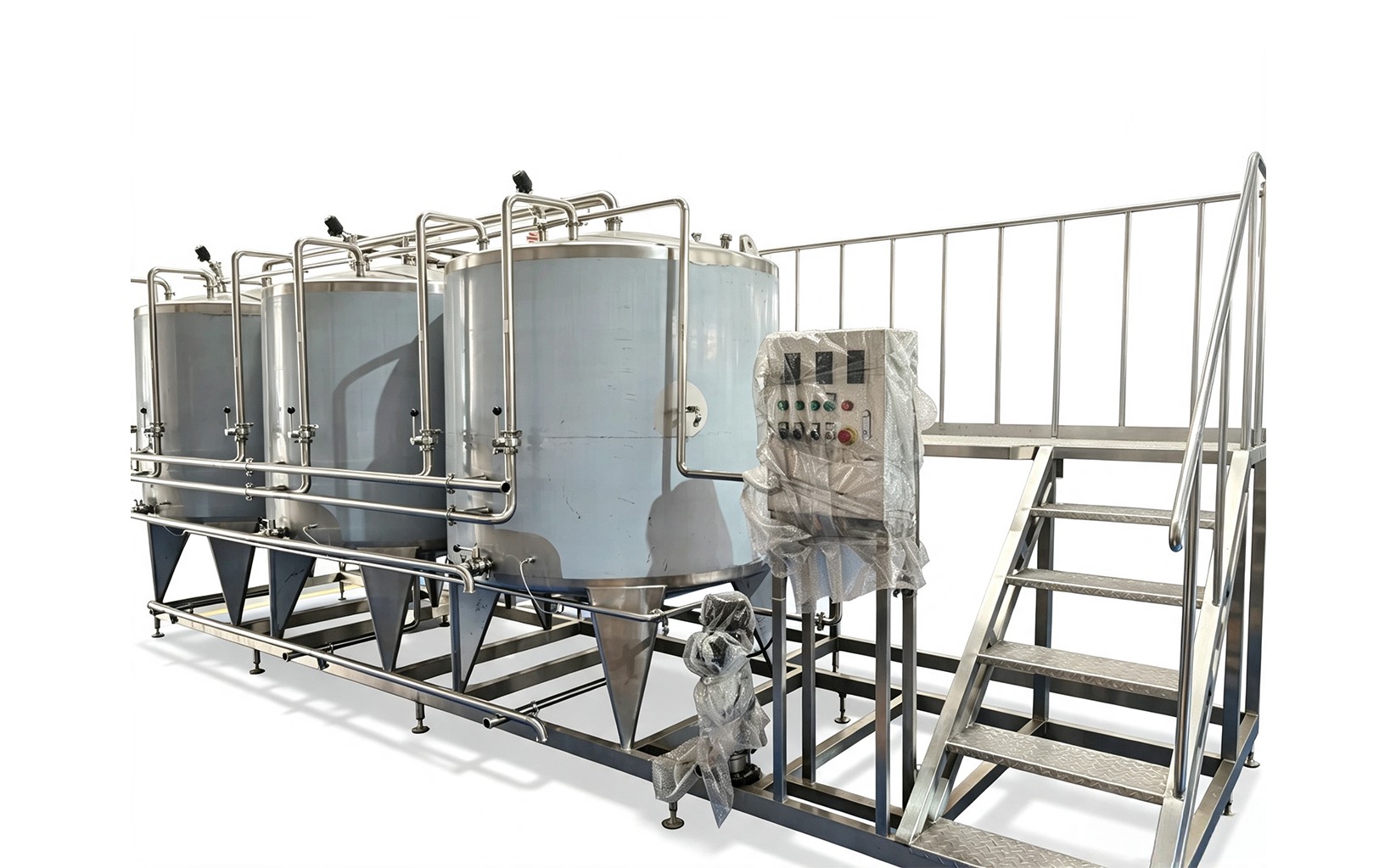
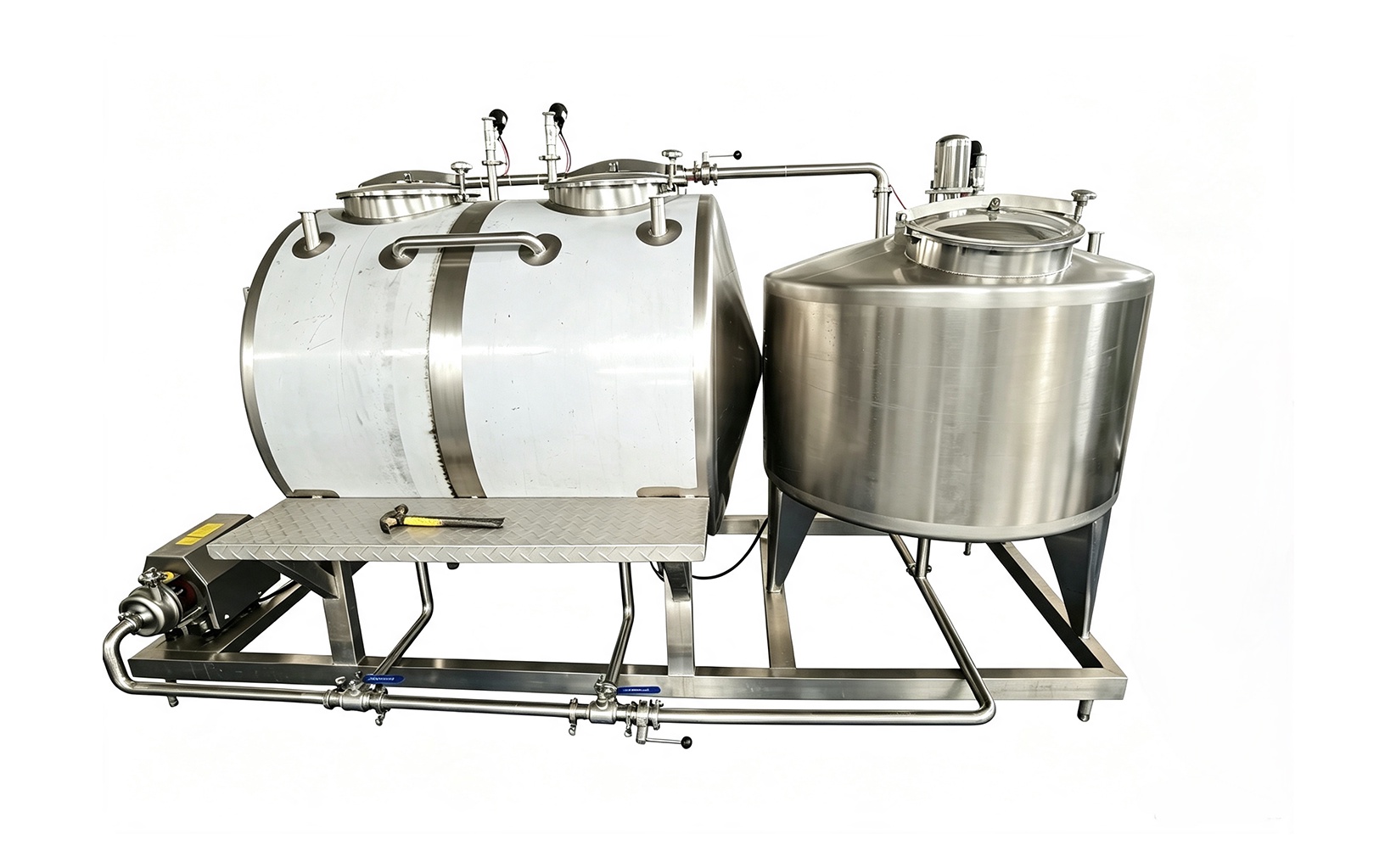
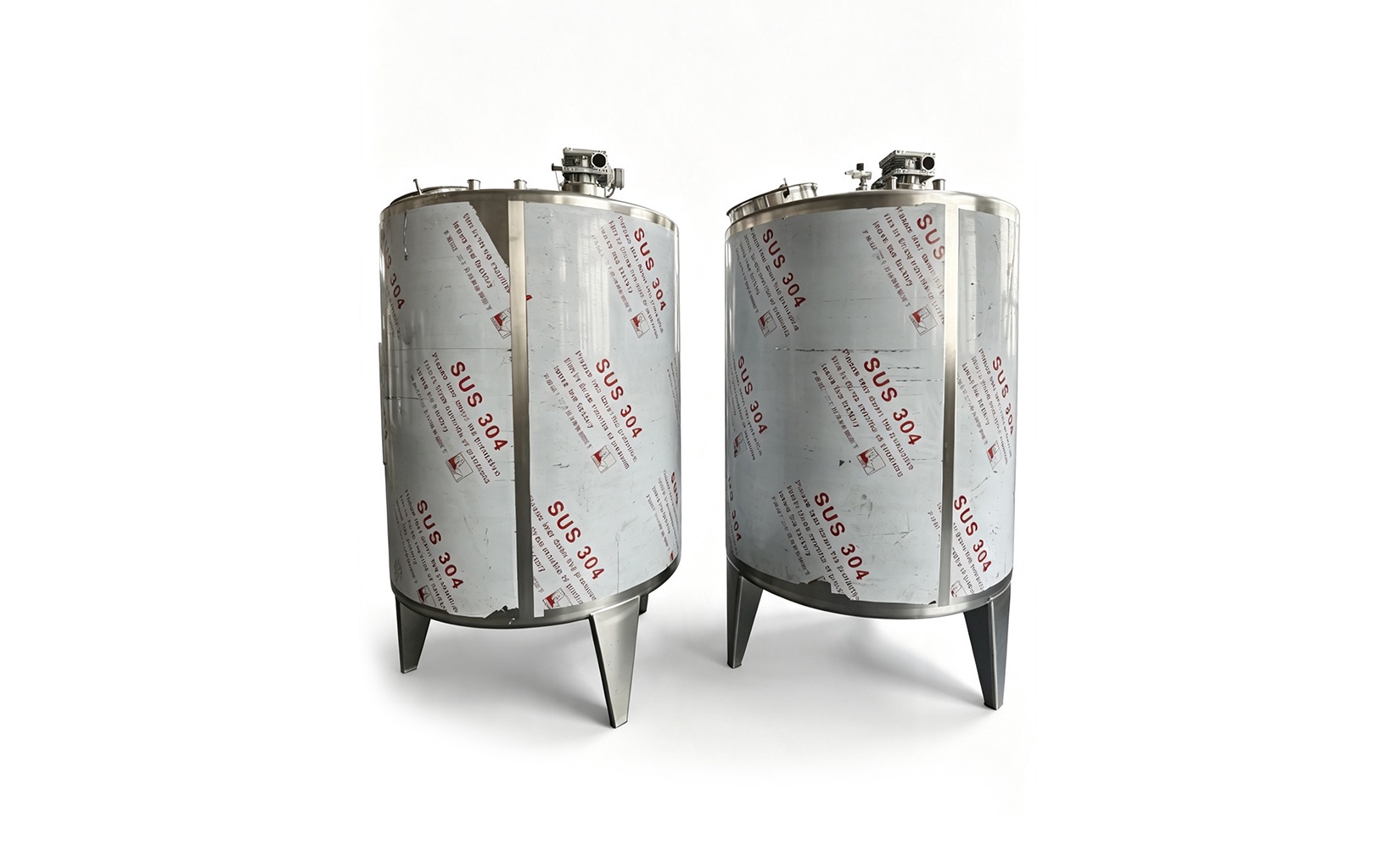
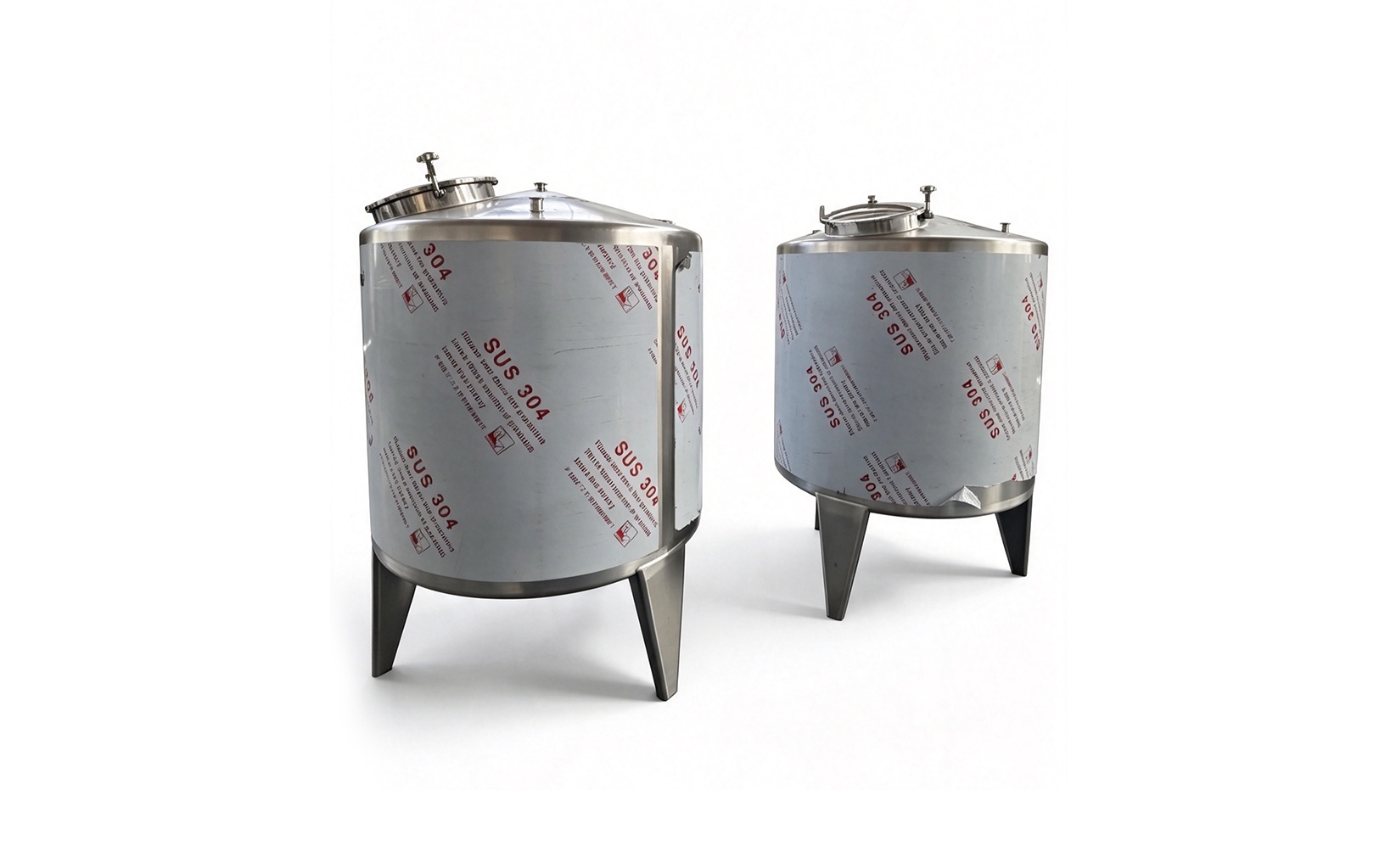

Technology Type
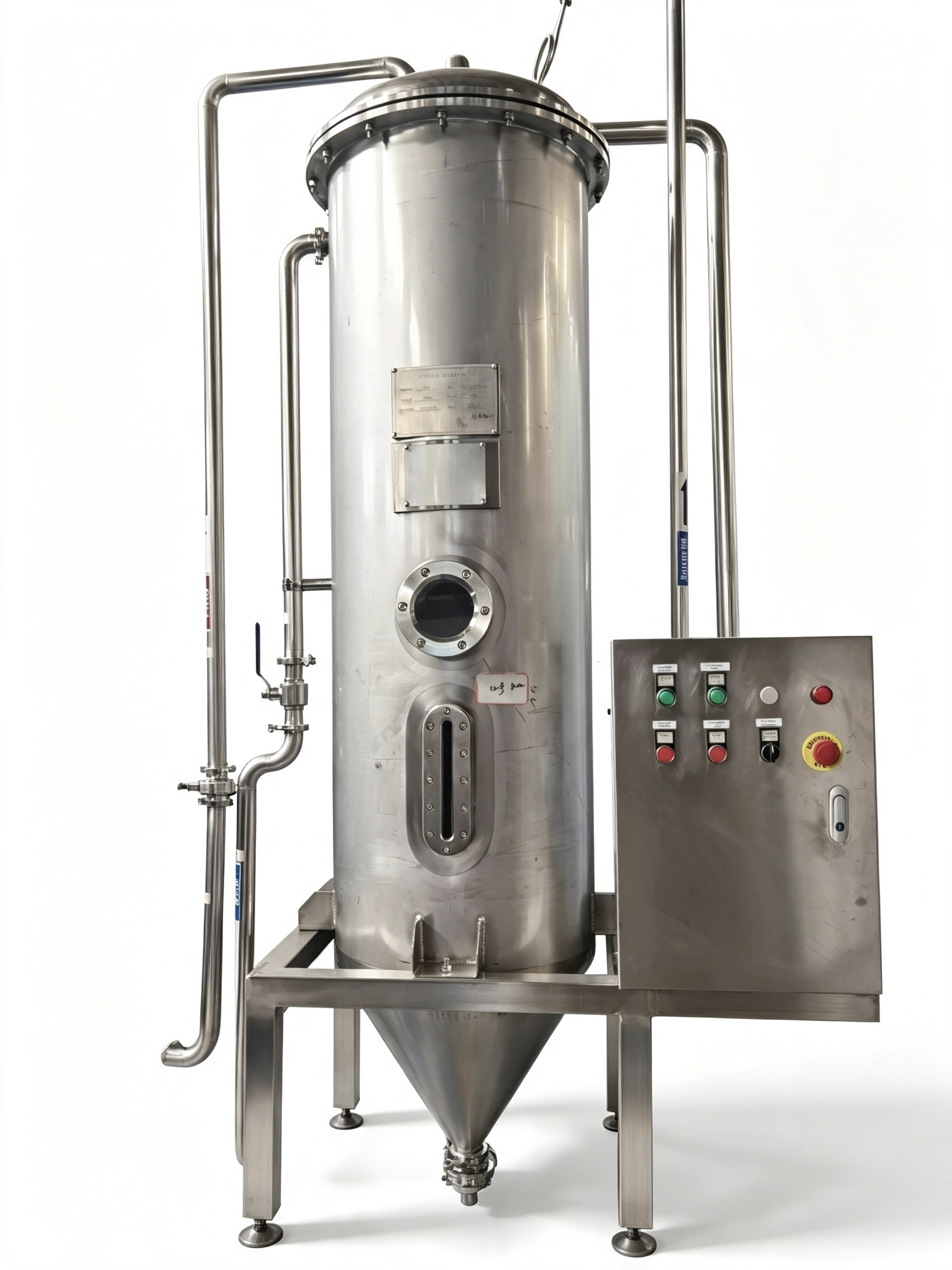
Vacuum thin-film degassing
Brief description of the principle: Atomize the liquid under negative pressure to instantly release dissolved gases.
Applicable scenarios: In fruit juices and tea beverages, they prevent oxidation; in carbonated drinks, they prevent foaming.
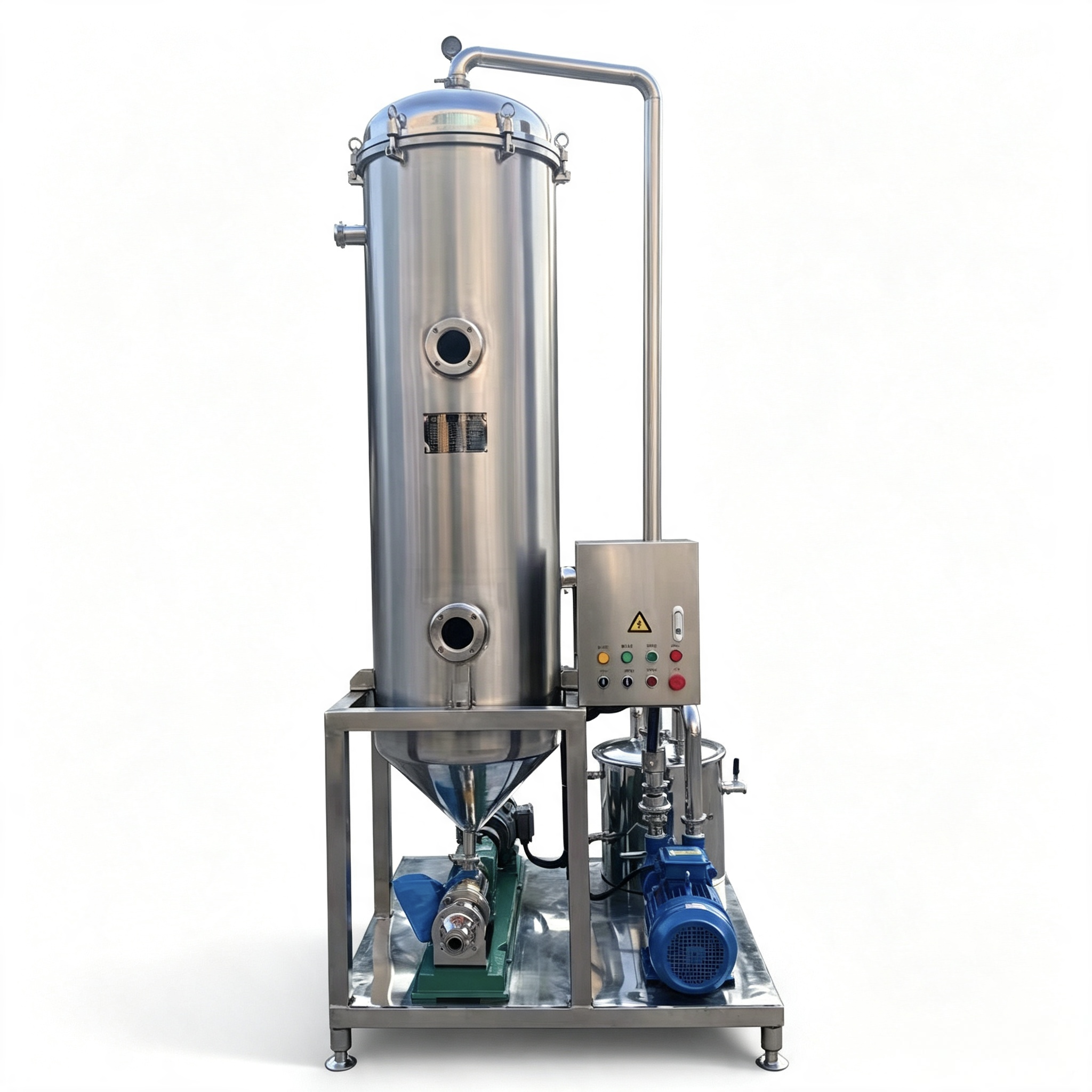
High-pressure shear homogenization
Brief description of the principle: Large particles are broken down to the micron scale through high-frequency shearing, impact, and cavitation effects.
Applicable scenarios: Prevents sedimentation in soy milk and peanut milk, and improves the mouthfeel of fruit juice.
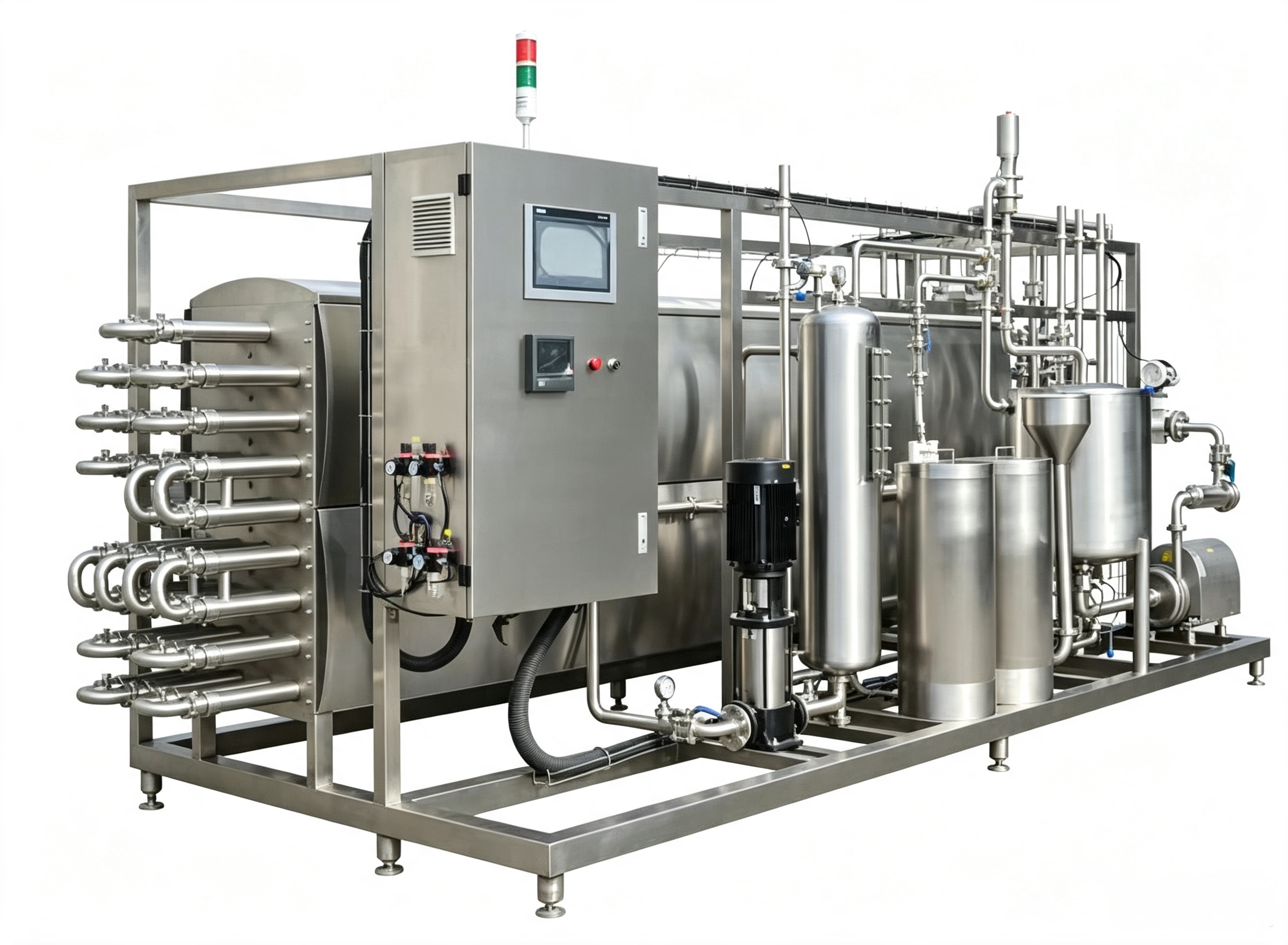
UHT instant sterilization
Brief description of the principle: Heat at 135°C–150°C for 2–5 seconds, utilizing a heat recovery system.
Applicable scenarios: Pre-processing for high value-added beverages, hot filling, and aseptic cold filling.
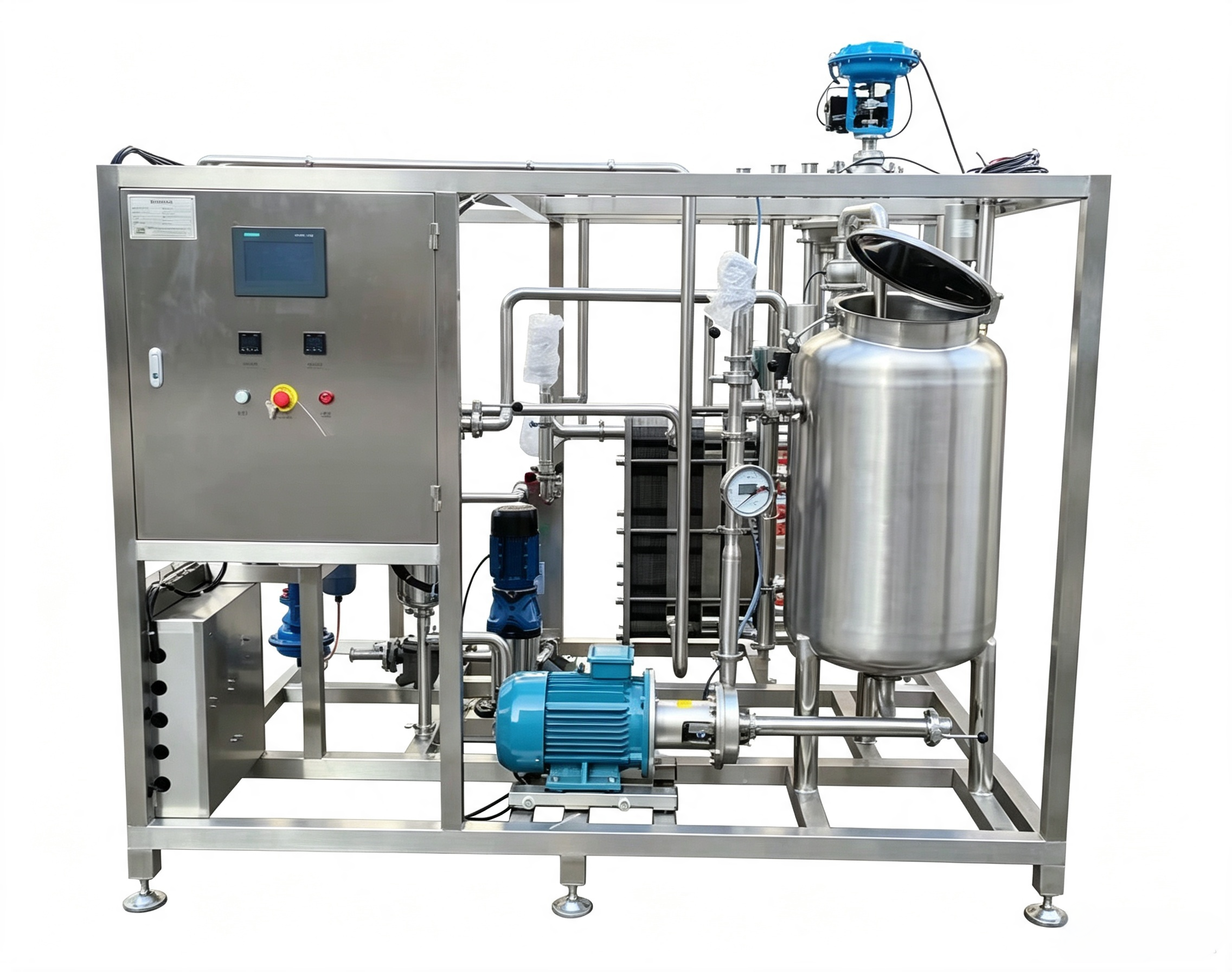
CIP (Clean-in-Place)
Brief description of the principle: Scour the pipe walls using the chemical energy, thermal energy, and fluid kinetic energy of the cleaning solution.
Applicable scenarios: Daily sanitary maintenance of all enclosed blending systems and filling machines.
CO2 Mixer
Brief description of the principle: Precisely blends water and syrup, then dissolves CO₂ into the beverage under controlled temperature and pressure to ensure stable carbonation and consistent taste.
Applicable scenarios: Carbonated soft drinks, sparkling water, soda, energy drinks and other carbonated beverages.
application

Tea & Plant Protein

Juice & Pulp Drinks

CSD & Soda Water

Milk Drinks & Yogurt

Wine & RTD Alcohol

Liquid Daily Chemicals
FAQ
Why must fruit juice and tea beverages undergo "vacuum degassing" after blending?
During the mixing and heating processes, significant amounts of air (oxygen) become incorporated into the product. Without degassing, the juice is highly susceptible to oxidation—leading to discoloration and nutrient loss—while dissolved gases can cause severe foaming and inaccurate fill levels during hot filling; additionally, oxygen accelerates the corrosion of equipment and piping. Degassing is a crucial step in ensuring beverage quality.
My plant-based protein drinks (such as soy milk or oat milk) always separate and settle; how can I solve this?
This is caused by large, unrefined particles. Fillron's high-pressure homogenizer breaks down fat globules and protein particles to the micron level, allowing them to remain uniformly suspended in the liquid. When combined with stabilizers, this effectively eliminates separation issues and enhances the smoothness of the mouthfeel.
Is the temperature control of the UHT sterilizer precise? Could it scorch the product or result in incomplete sterilization?
Absolutely not. Fillron’s UHT system utilizes high-precision PID temperature control, keeping the margin of error within ±1°C. Additionally, the system is equipped with an automatic product recirculation valve; if the temperature falls short of the target, the product is automatically diverted back to the balance tank for reheating, ensuring that every drop of the output fully meets the required sterilization F-value.
Is cleaning the piping and tanks of the blending system difficult? How is hygiene ensured?
Our system comes standard with a CIP (Clean-in-Place) system. Eliminating the need for manual disassembly of piping or valves, the system automatically performs alkali washing, acid washing, and rinsing with hot and purified water according to preset programs. Cleaning solution concentration, temperature, and flow rate are monitored in real-time by the PLC, ensuring no sanitary dead zones and full compliance with GMP and FDA standards.
How do CO2 mixers for carbonated beverages ensure consistent carbonation levels across every bottle?
Fillron’s CO2 mixer utilizes a precision Venturi mixing principle and operates at low temperatures (2–4°C), the range where CO2 solubility is highest and most stable. Integrated with an inline CO2 concentration analyzer, the system enables closed-loop automatic adjustment, ensuring carbonation precision of ±0.05 g/L.
Contact Us
Complete 2 easy steps below to get your factory matrix and a complimentary factory layout design within 24 hours.
Request Factory Price & Factory Layout Within 24h
Request Factory Price & Factory Layout Within 24h