



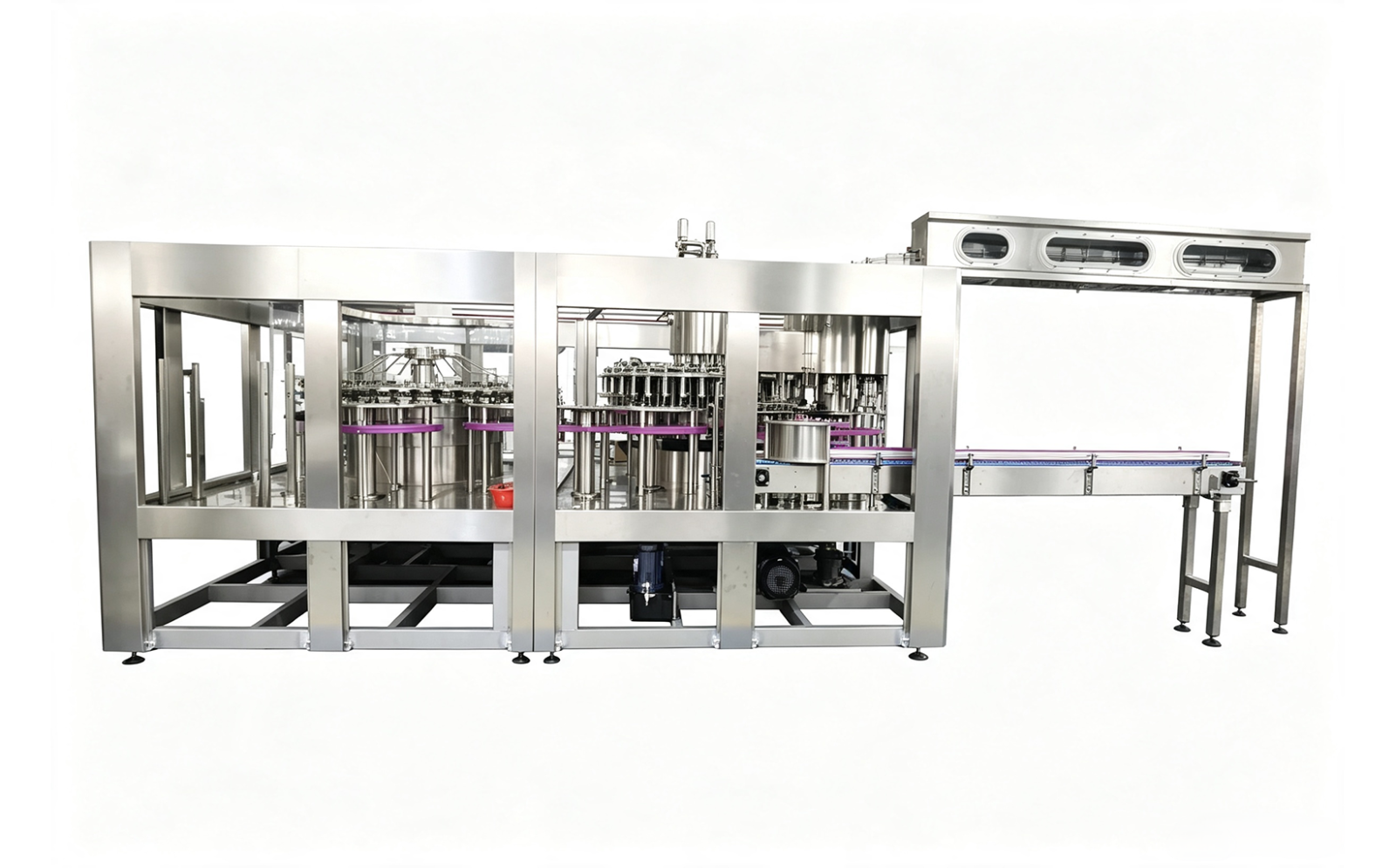
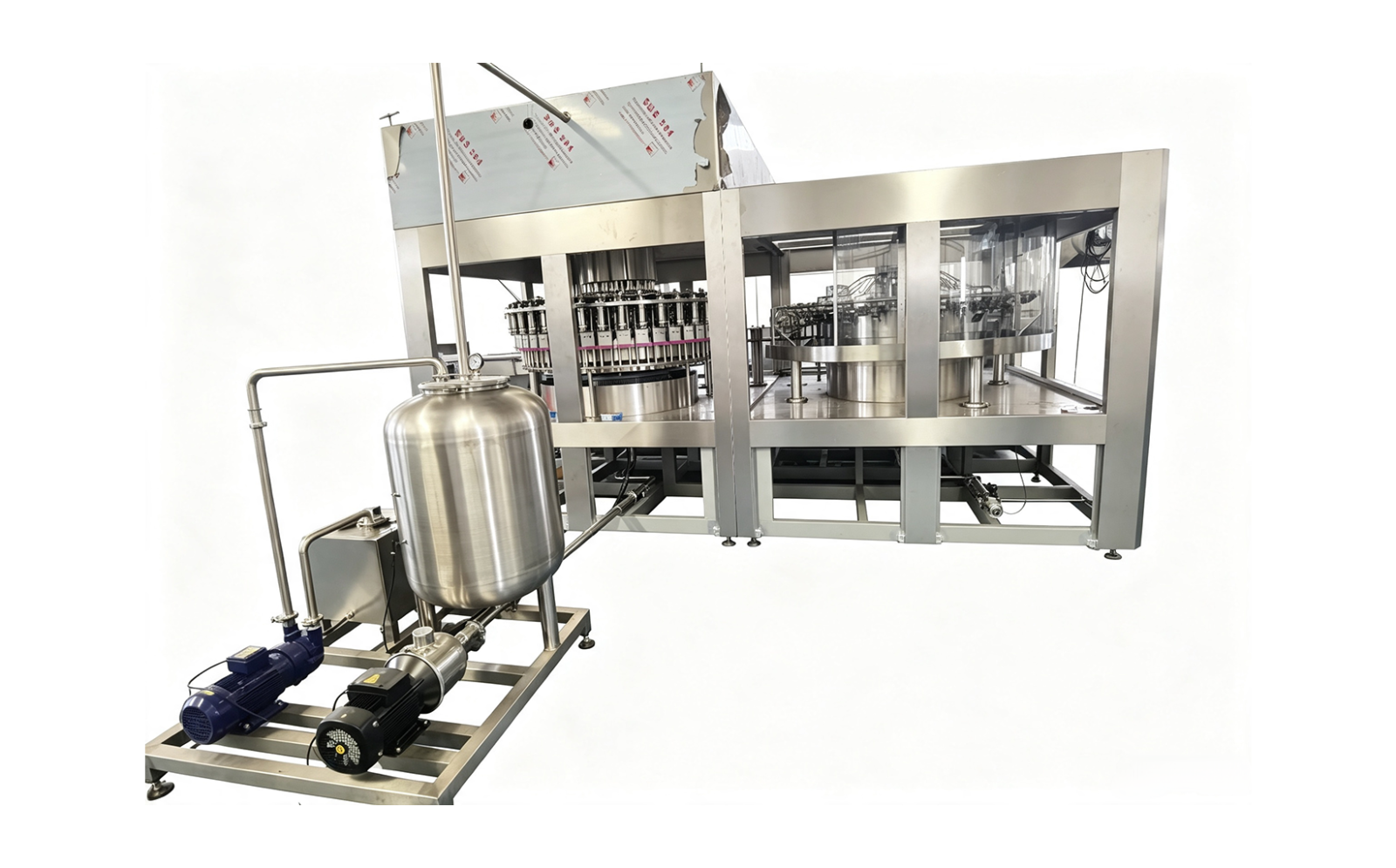
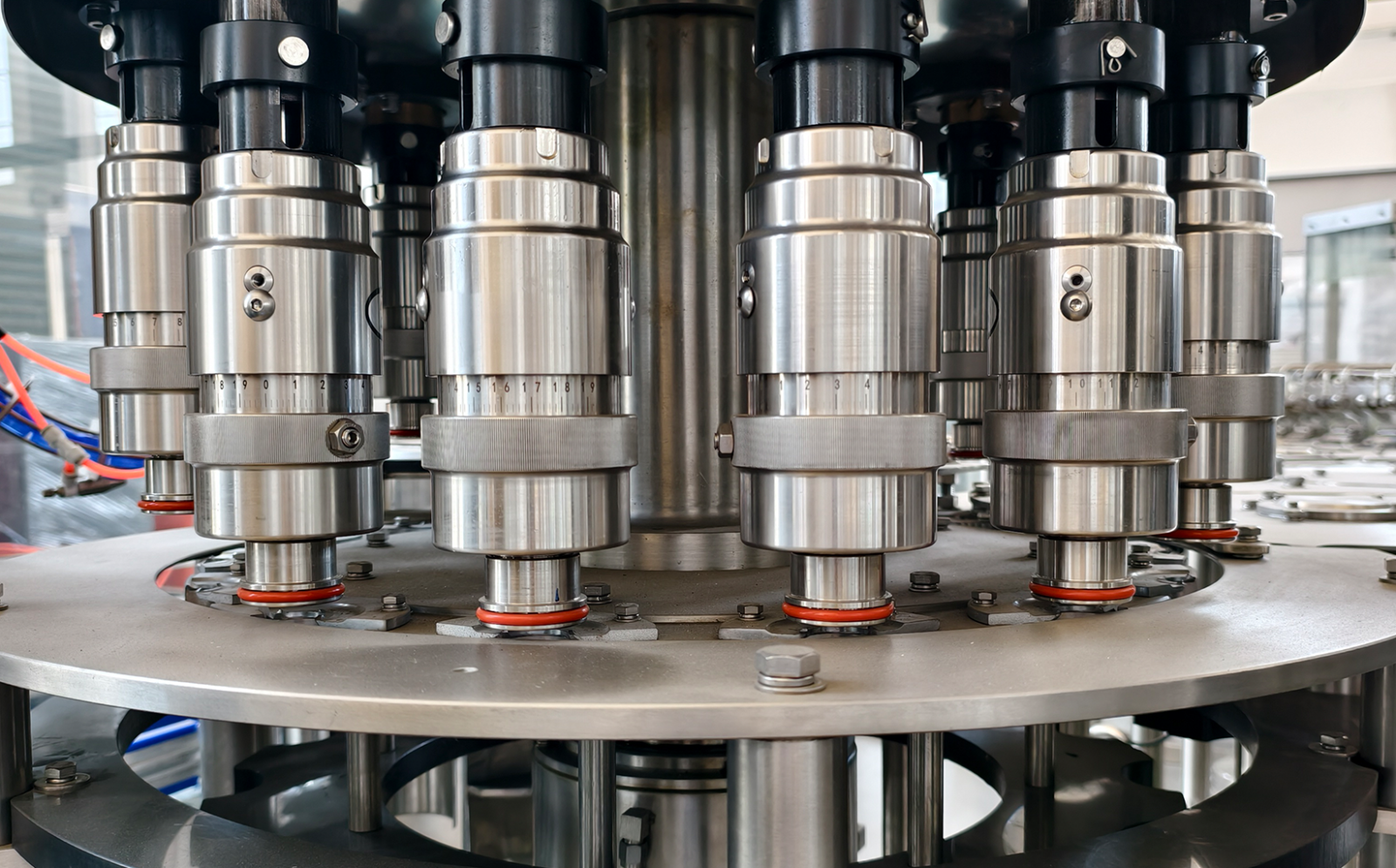
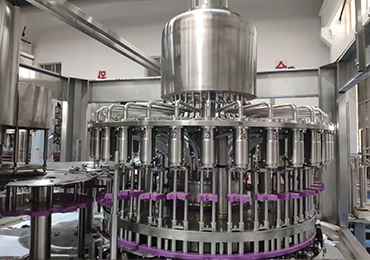
Juice filling machine

Product Value
01
Hot-fill preservation: Combines a hot-filling process with UHT sterilization to reduce microbial load, extend shelf life, and minimize the need for preservatives.
02
Suitable for products with particulates or high viscosity: Features an optimized anti-clogging filling valve capable of handling clear juices as well as juices containing pulp or fruit pieces, ensuring smooth flow and preventing blockages.
03
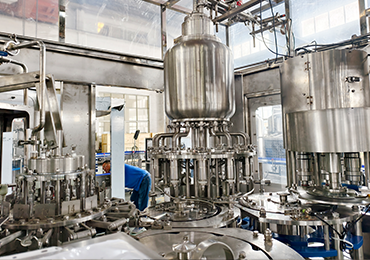
Integrated, fully automated production: Combines bottle rinsing, filling, and capping into a continuous operation, reducing manual handling, boosting production capacity, and lowering labor costs.
04
Easy to clean and residue-free: Utilizes a fully open, detachable valve assembly that supports CIP (Clean-in-Place) procedures, minimizing sugar and pulp residue to prevent bacterial growth.
Applicability boundaries

Applicable products
Clear fruit juices, fruit-flavored beverages, juices with fine pulp, and tea beverages; hot filling at 85–92°C.

Applicable containers
Heat-resistant PET bottles; machines for glass bottles can be customized.

Required auxiliary equipment
UHT sterilizer, blending system, and air compressor; production facility must meet food hygiene standards.
Working Principle
01
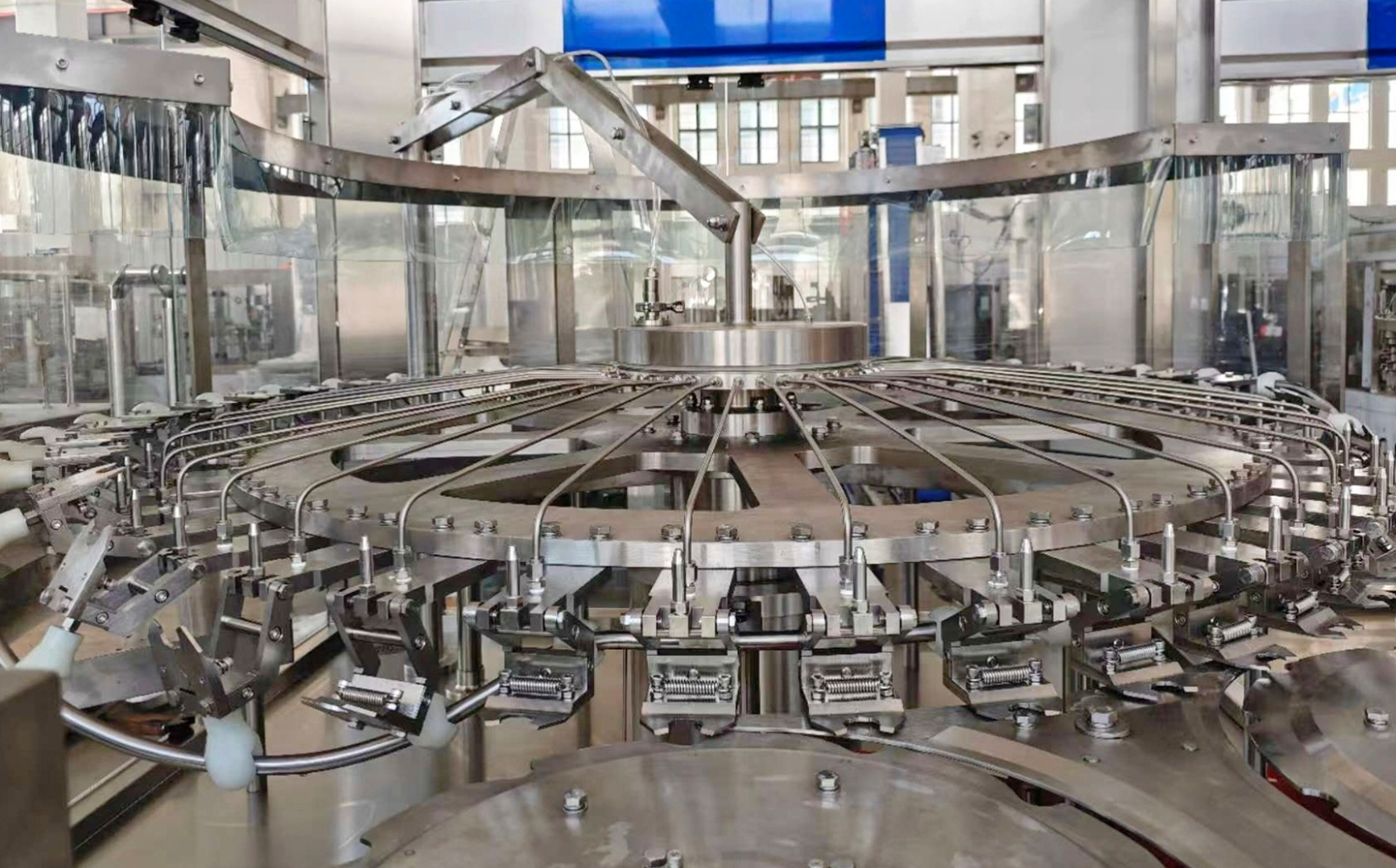
Empty bottles are fed into the rinsing station, where their inner walls are washed with high-temperature purified water.
02
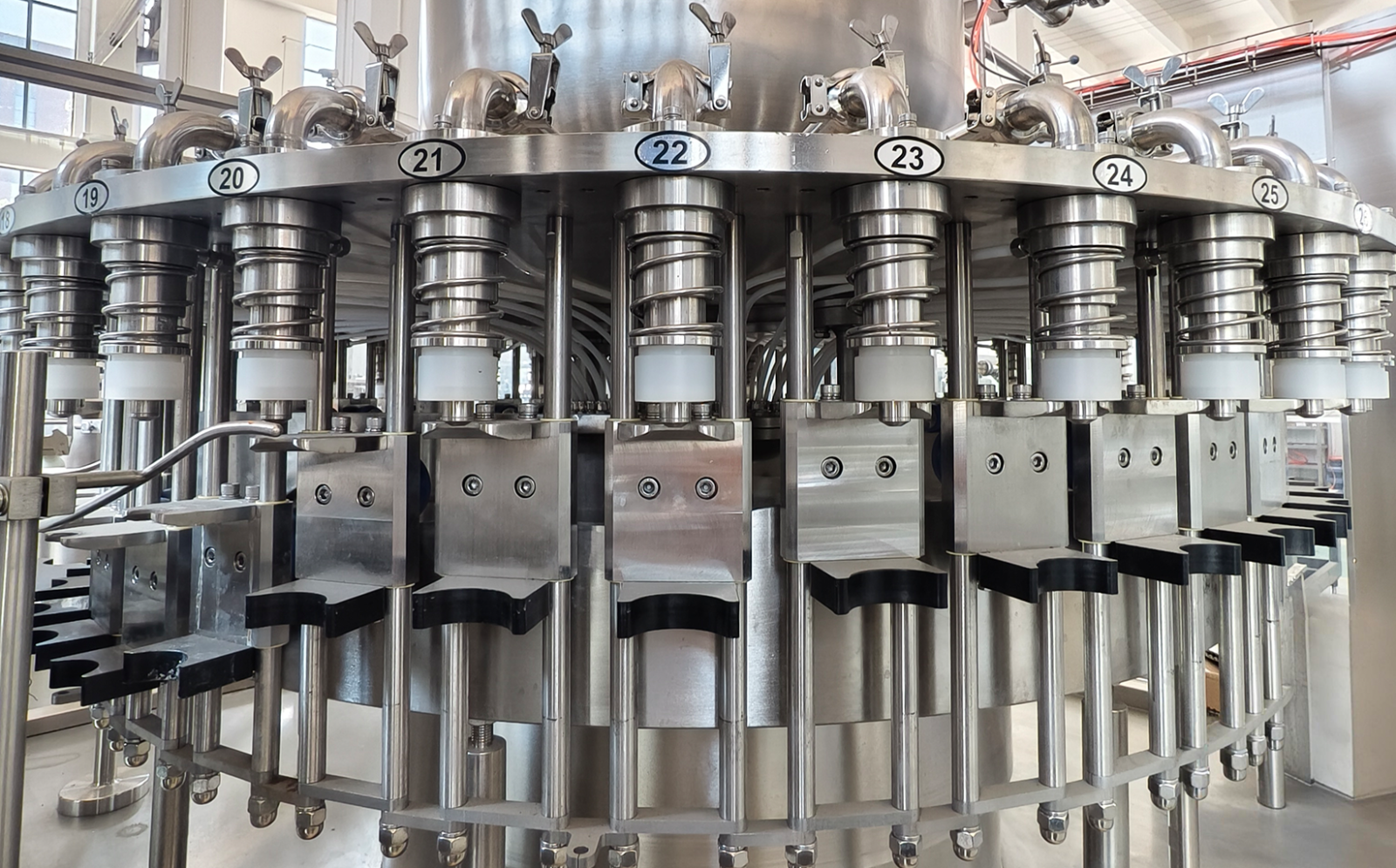
The bottles are conveyed to the filling station, where the hot-filling valve opens to allow high-temperature fruit juice to flow in, with the fill level controlled by a liquid level ring.
03
The valve closes once filling is complete.
04
The bottles, now filled with hot product, proceed to the capping station for cap placement and tightening
05
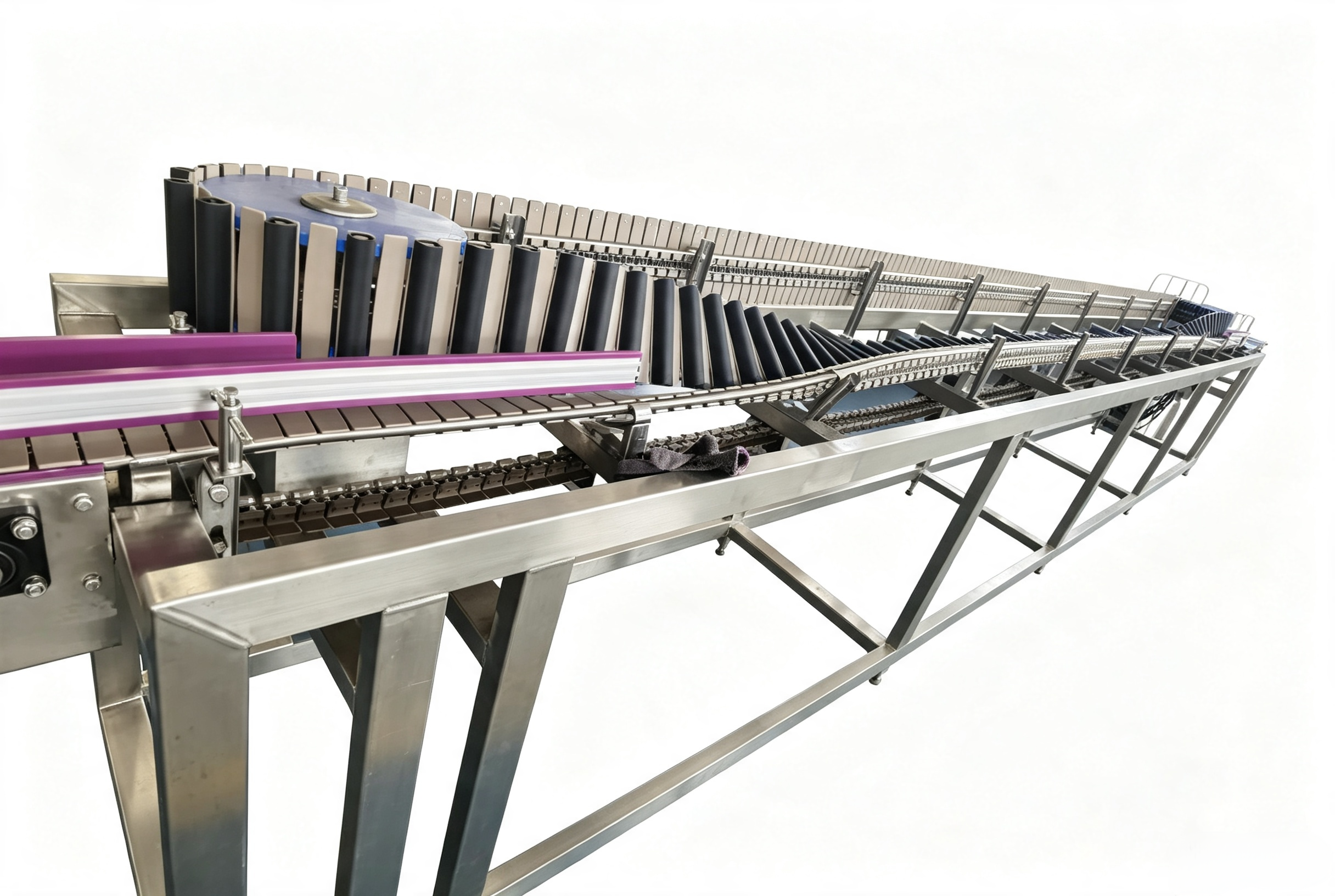
Following hot filling, the bottles undergo an inversion sterilization process to sterilize the cap and bottle mouth, after which they are cooled and conveyed to the next stage of the process.
Core components
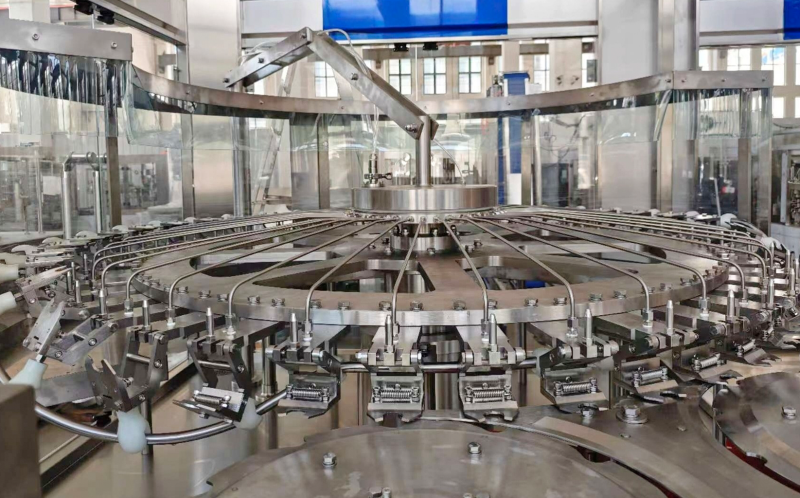
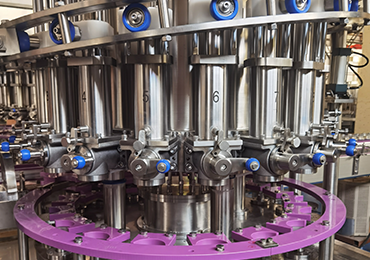
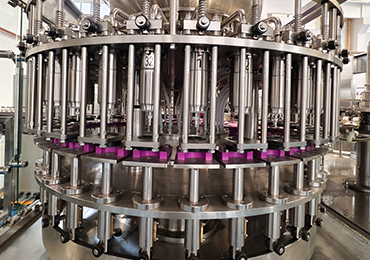
Bottle rinsing gripper assembly
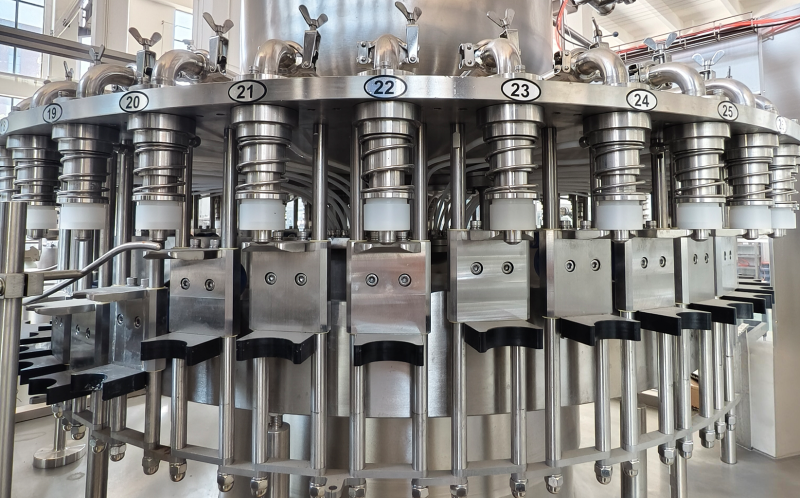
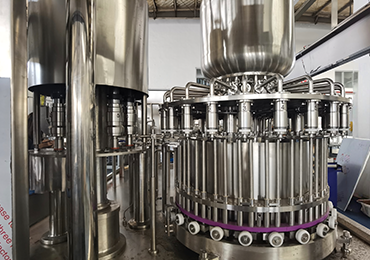
Hot-filling valve assembly (anti-clogging type, suitable for juice with pulp/particles)
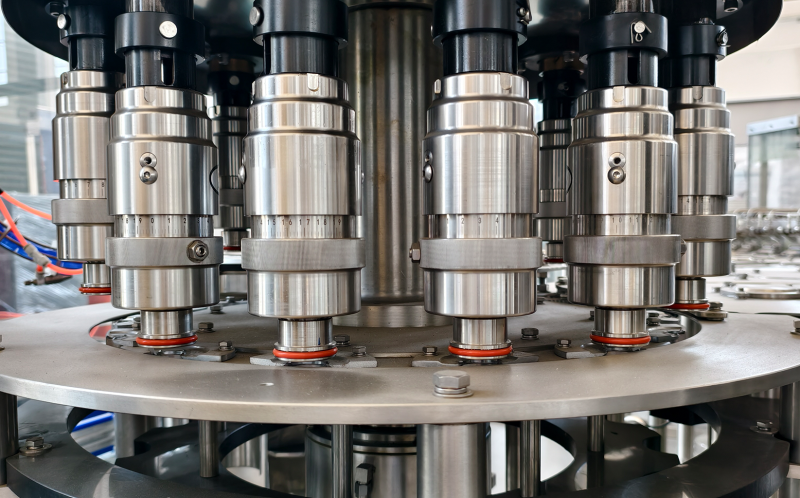
Capping head assembly
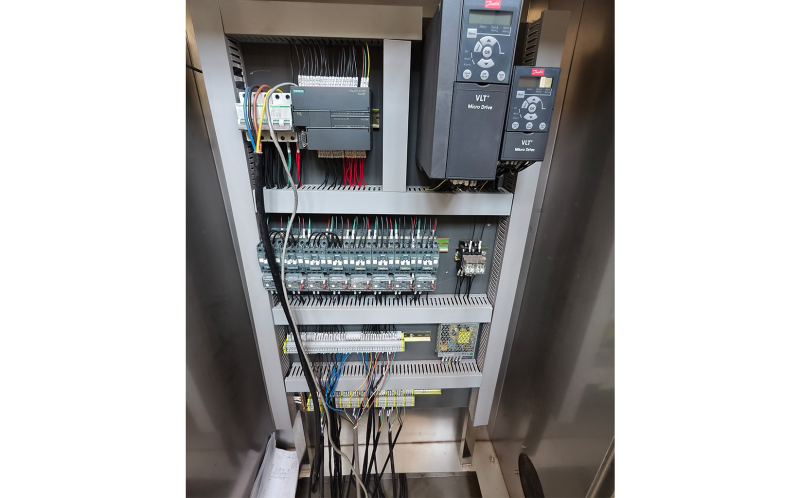
Insulated product tank and insulated product piping
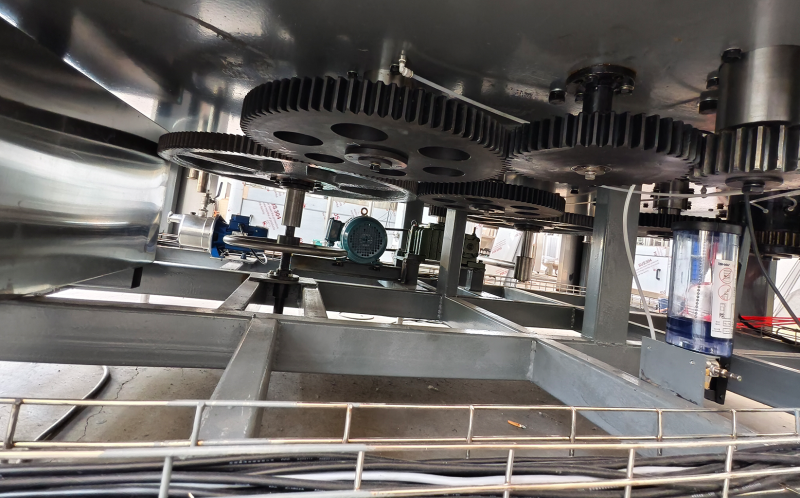
Starwheels, infeed/discharge feed screws, and drive mechanism
Optional
01
Online cap sterilization
02
CIP (Clean-in-Place) connection port
03
Fully enclosed protective housing
04
Variable-frequency speed control upgrade
05
HMI touchscreen upgrade
Changeover/Cleaning/Maintenance
Changeover
1. Adjust the spacing of the infeed/outfeed screws and star wheels to match the bottle diameter.
2. Adjust the heights of the rinsing grippers, filling valves, and capping heads to match the bottle height.
3. Adjust the capping torque and verify the fit between the filling valves and bottle mouths.
4. Configure filling time and temperature parameters; run a test cycle to verify the liquid level.
Cleaning
End of daily production: Perform a full CIP (Clean-in-Place) procedure—including caustic wash, hot water rinse, and fresh water rinse—to remove fruit pulp and sugar deposits from the piping.
Routine Maintenance
Replace wear parts such as filling valve seals and gripper pads; calibrate pressure gauges and check the lubrication of drive components.
How should I handle clogging in the filling valve?
Causes include oversized fruit pulp particles, clumping due to temperature drops, or filter screen blockages. Solutions: Ensure proper upstream filtration, maintain the correct filling temperature, and regularly clean the feed filter and filling valve assembly.
How long does it take to switch bottle specifications?
If the bottle neck remains unchanged and only the height and diameter vary, a skilled operator takes 20–35 minutes.
Why does the bottle body deform or collapse after filling?
Causes include using standard (non-heat-resistant) PET bottles or an improper cooling process. Solutions: Use heat-resistant bottles specifically designed for hot filling; strictly follow the process of bottle-inversion sterilization before proceeding to spray cooling.
What are the key precautions for CIP (Clean-in-Place) cleaning?
High sugar content in juice makes it prone to scaling and fermentation. Solutions: Perform a complete CIP cycle (caustic wash followed by hot water rinse) at the end of every shift; disassemble removable filling valve parts for cleaning whenever possible; and ensure pipelines are drained of residual material during shutdowns to prevent sugar scale from hardening.
Select the Suitable Model
 BRGF884Inquire Now
- BRGF18186Inquire Now
- BRGF18186-for-sauceInquire Now
- BRGF323210Inquire Now
- RCGF14125Inquire Now
- RCGF24248Inquire Now
- RCGF323210Inquire Now
Related Product Recommendations
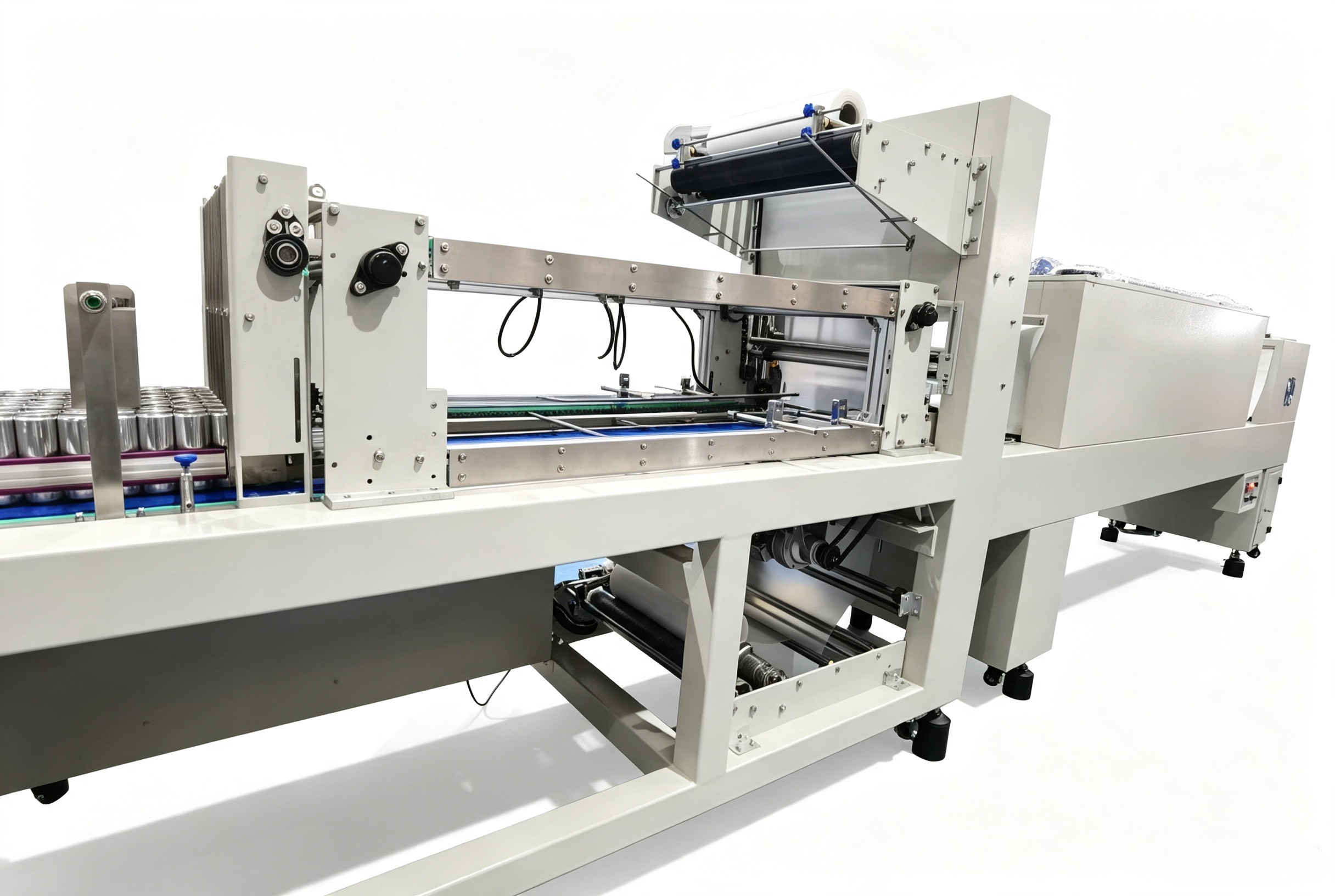
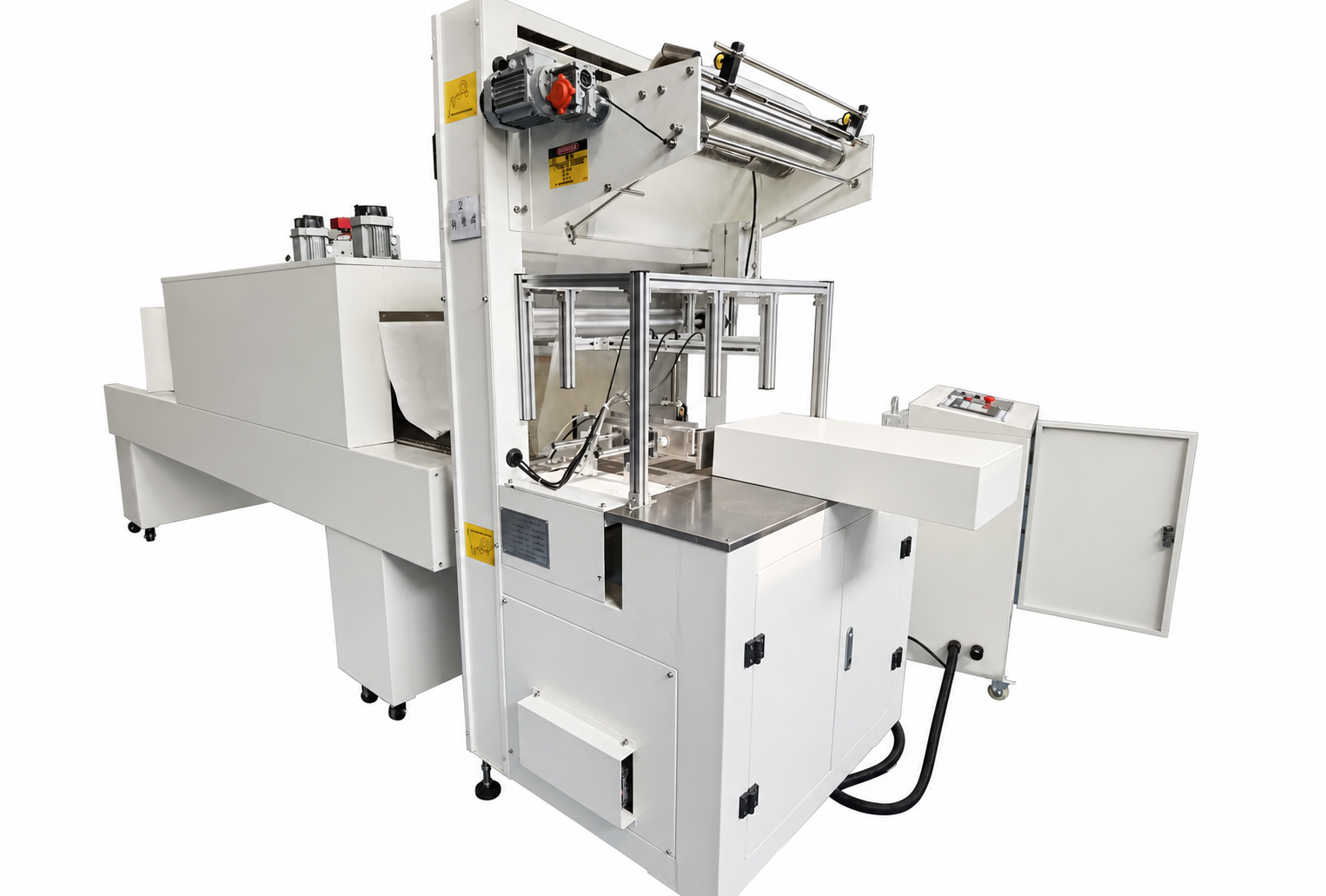
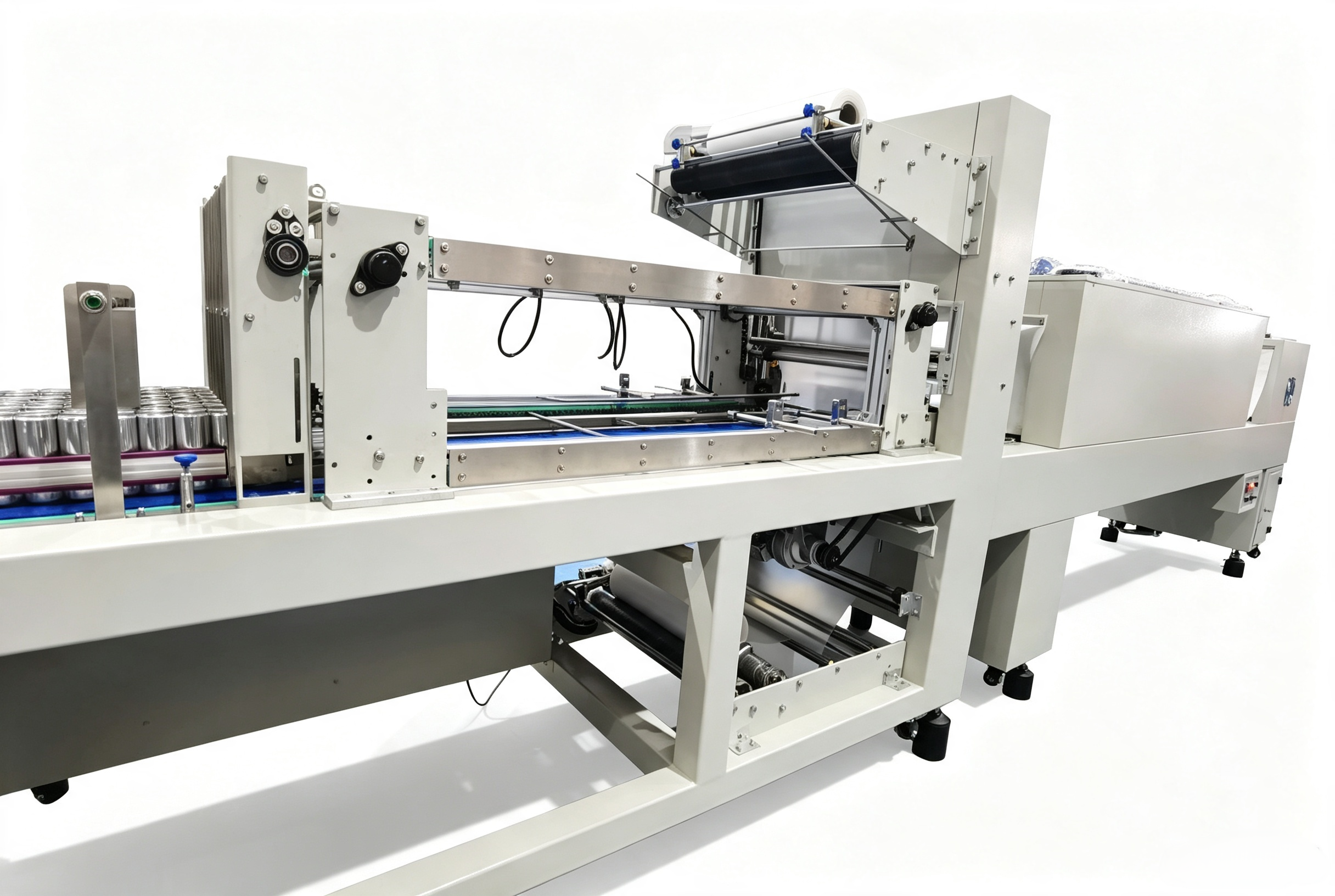
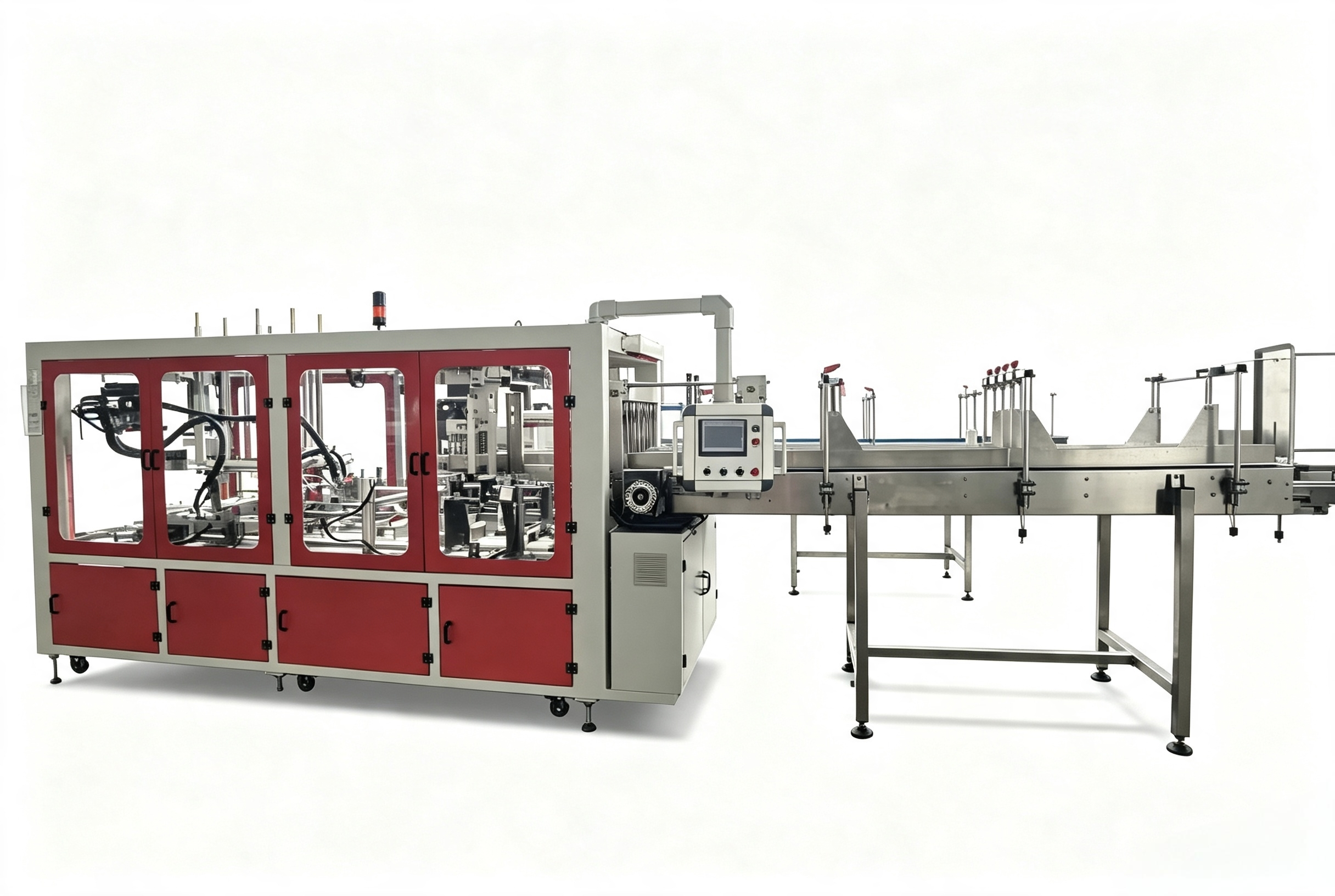
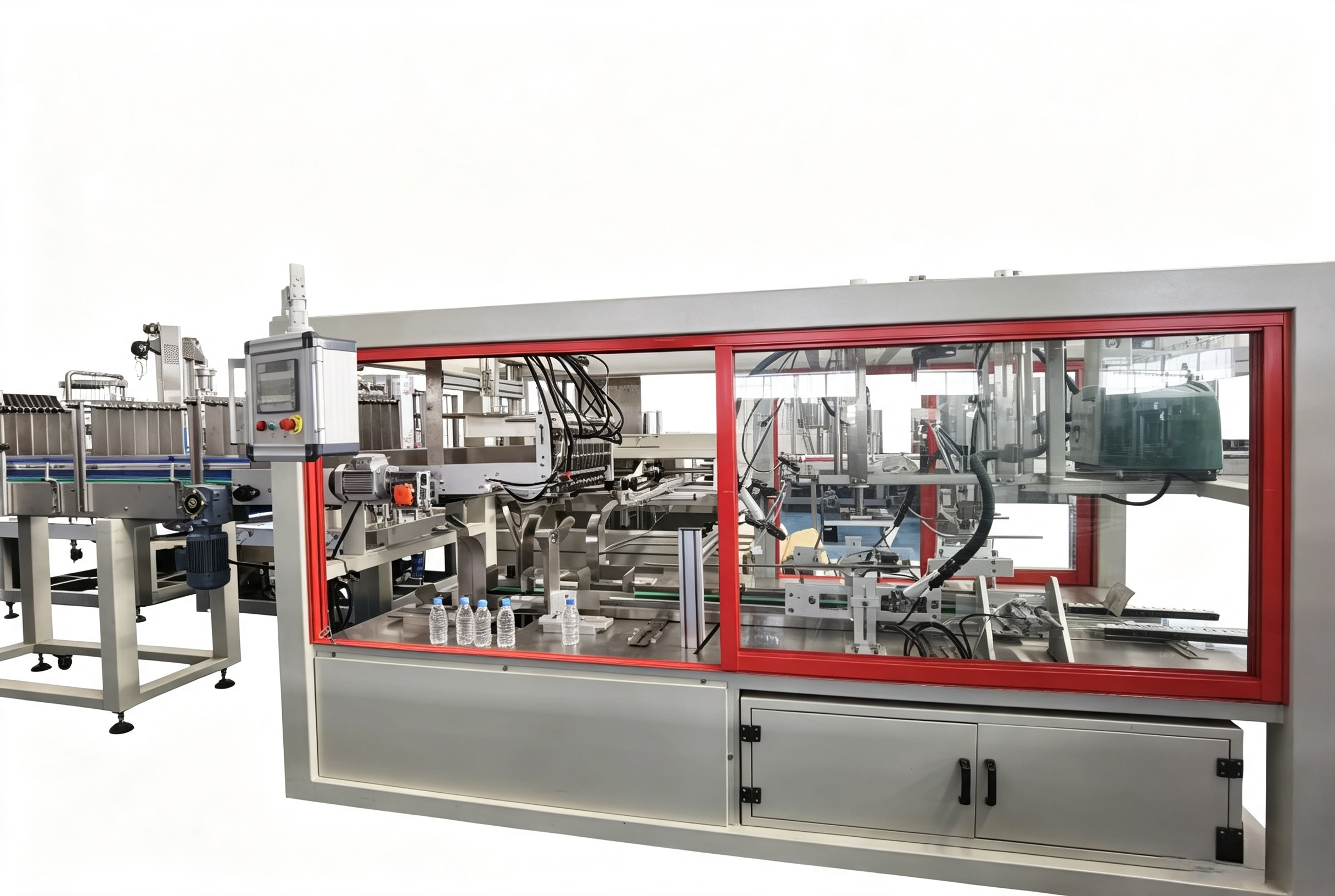
 Liner Type PE Film Wrapping MachineLearn More →
- Inversing SterilizerLearn More →
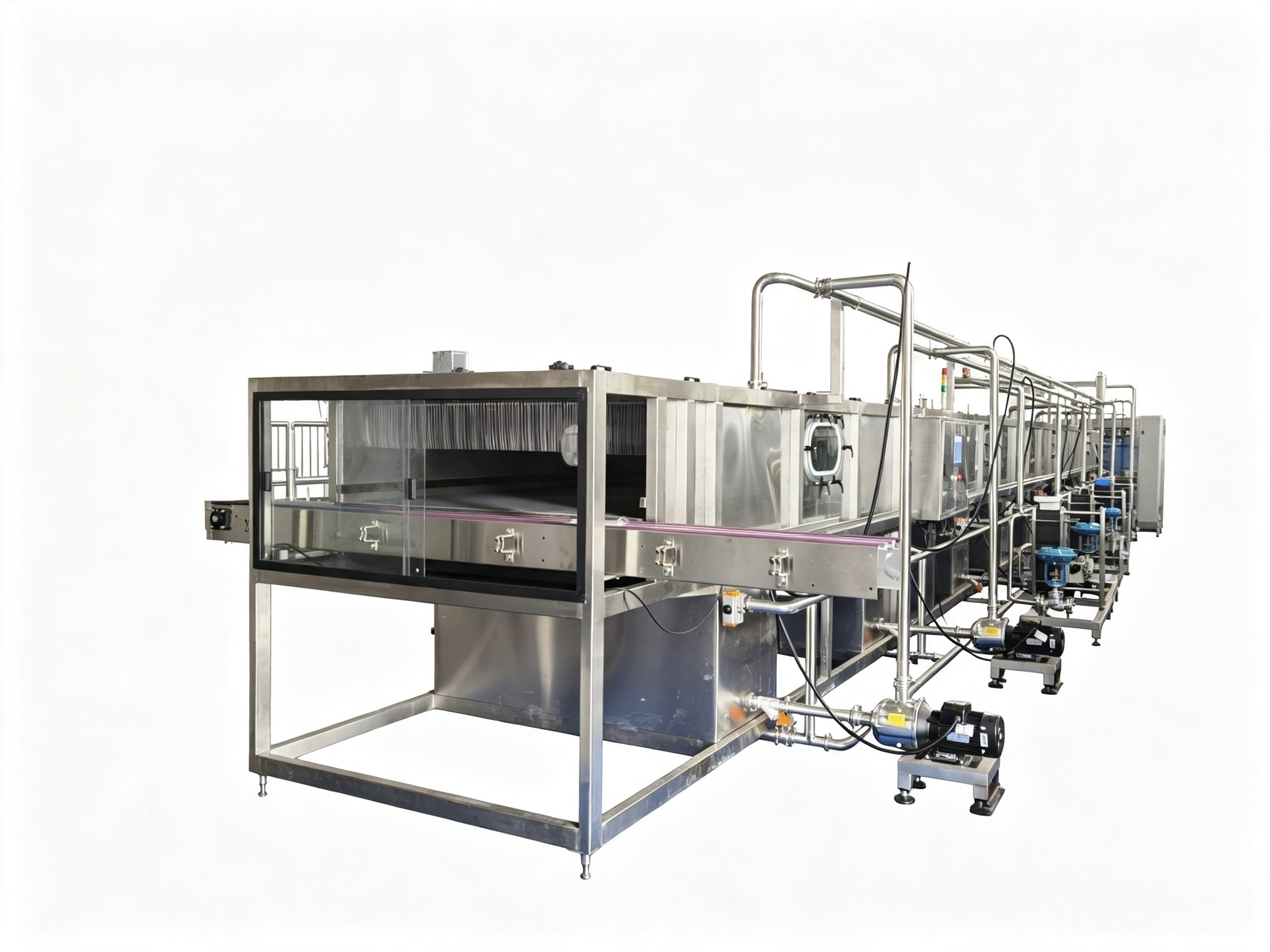
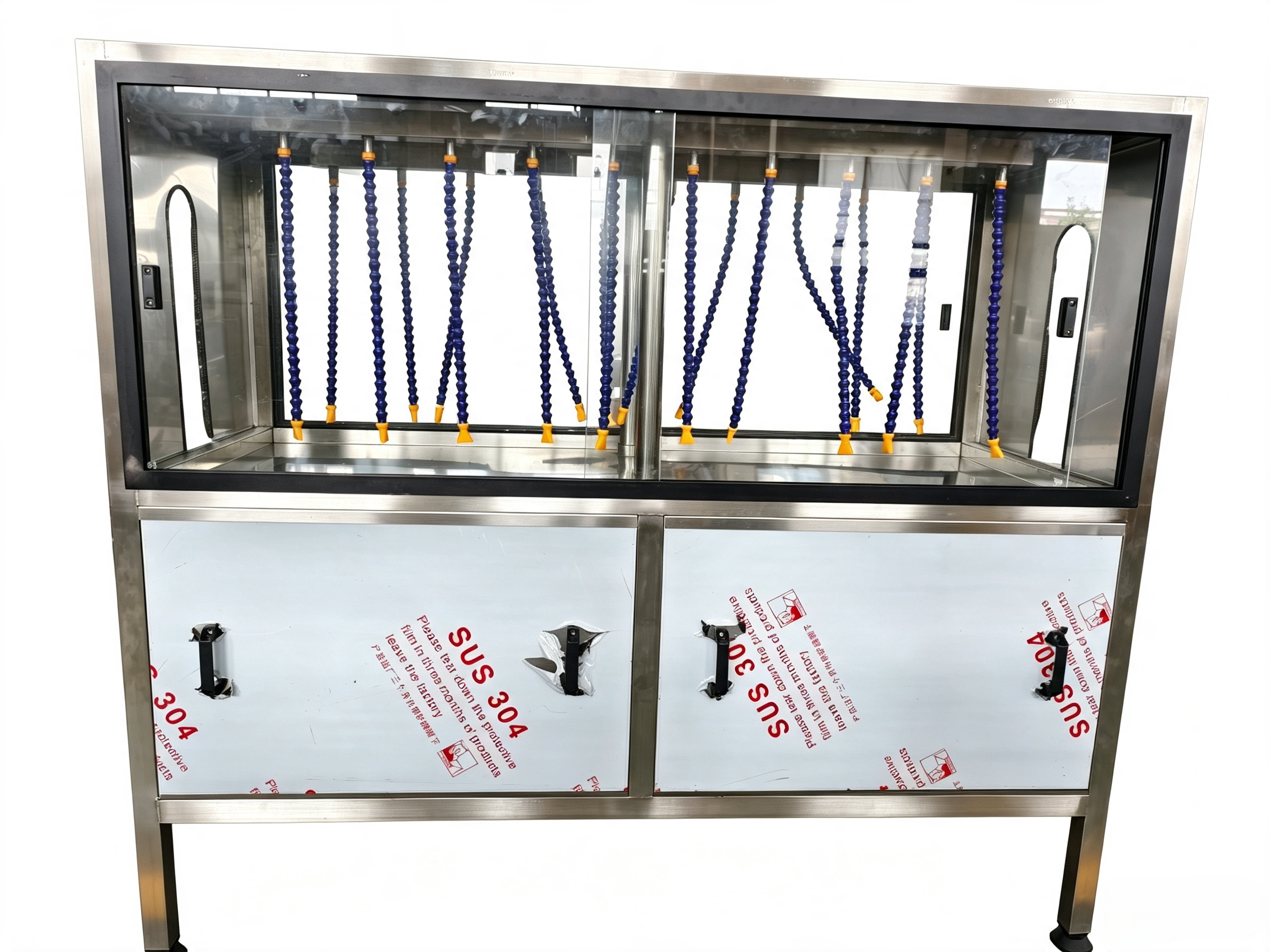
 Cooling TunnelLearn More →
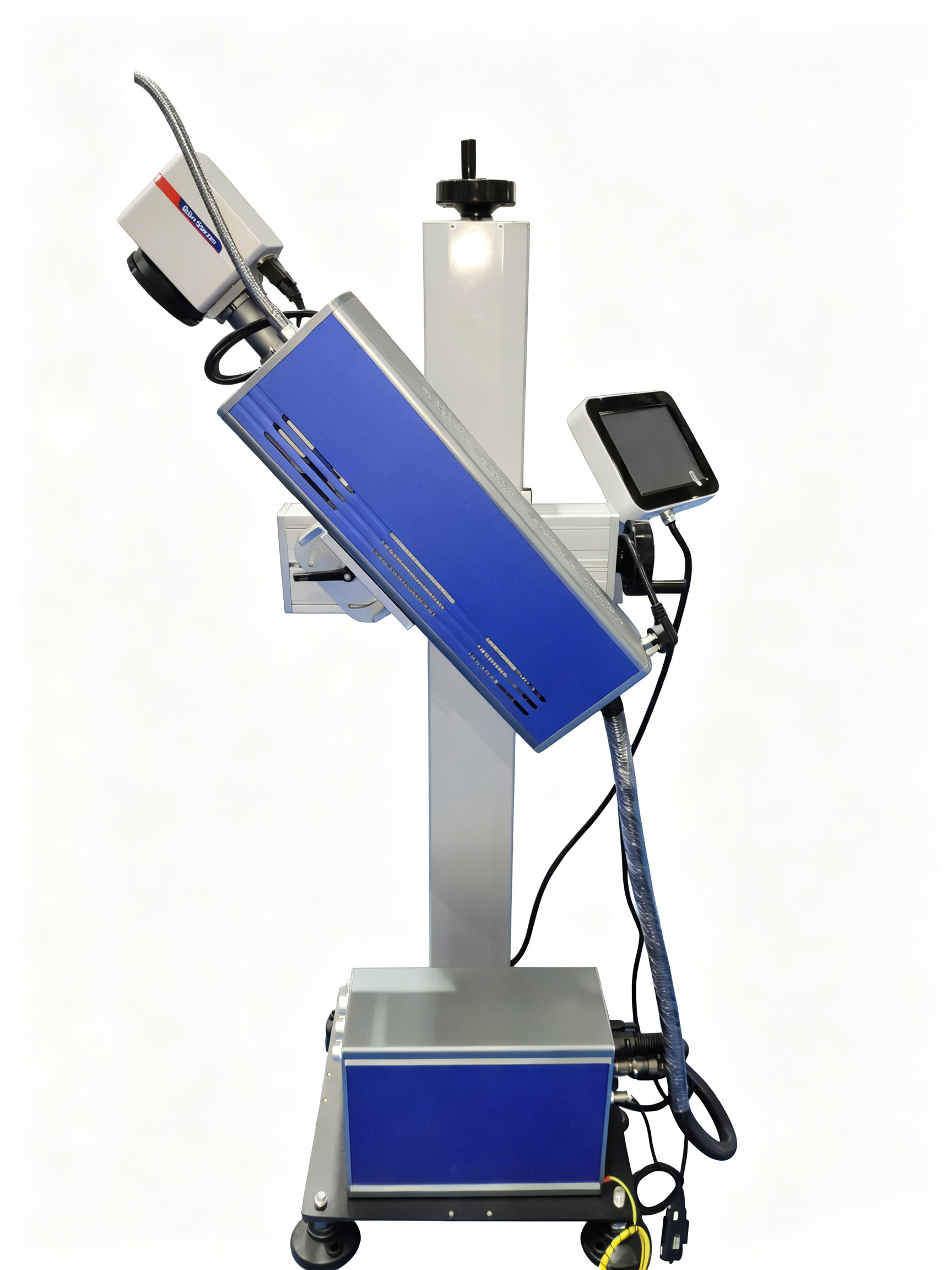
 Laser PrinterLearn More →
- Blow DryerLearn More →
 opp labeling machine oppLearn More →
 PE film packing machineLearn More →
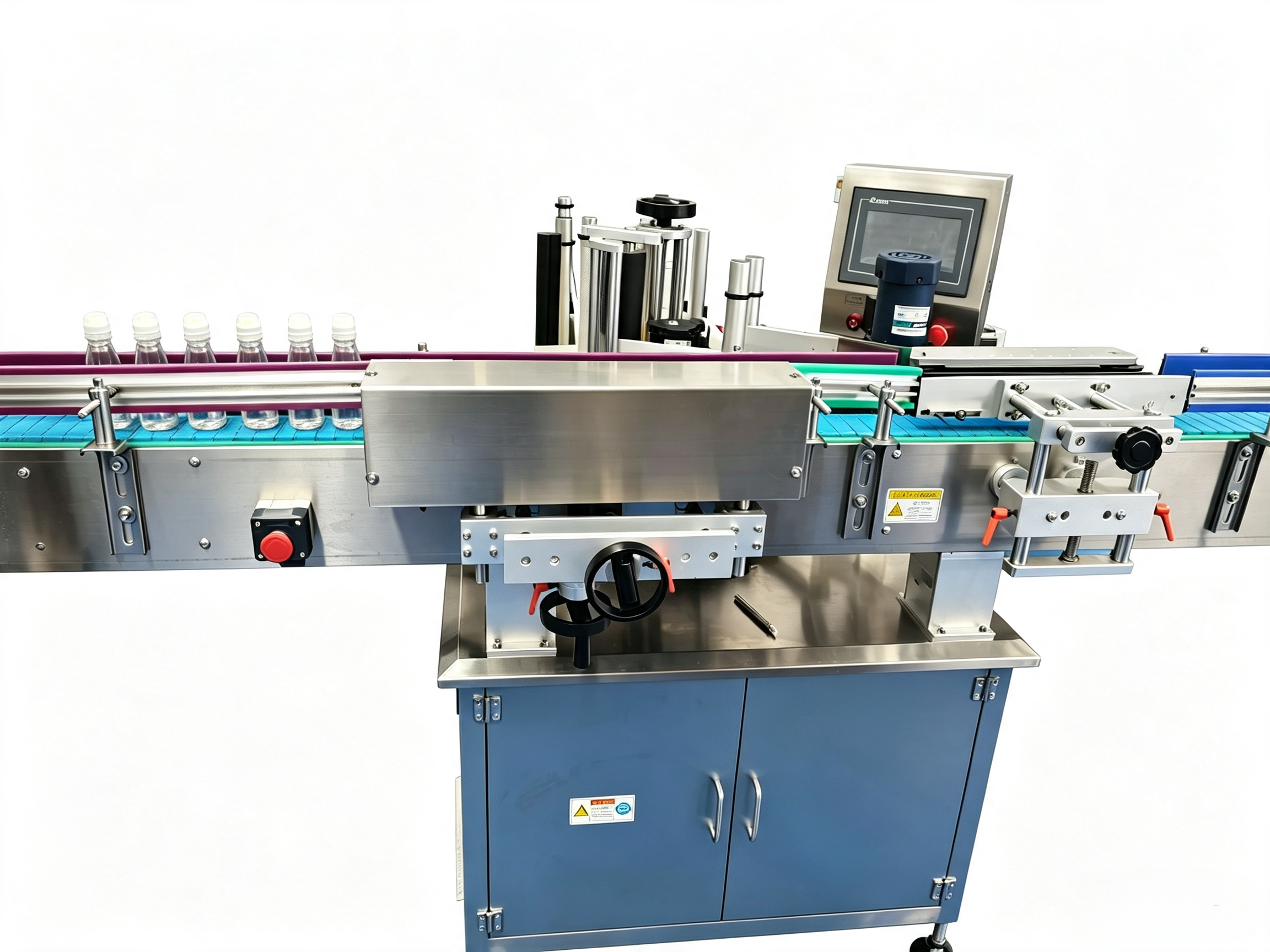
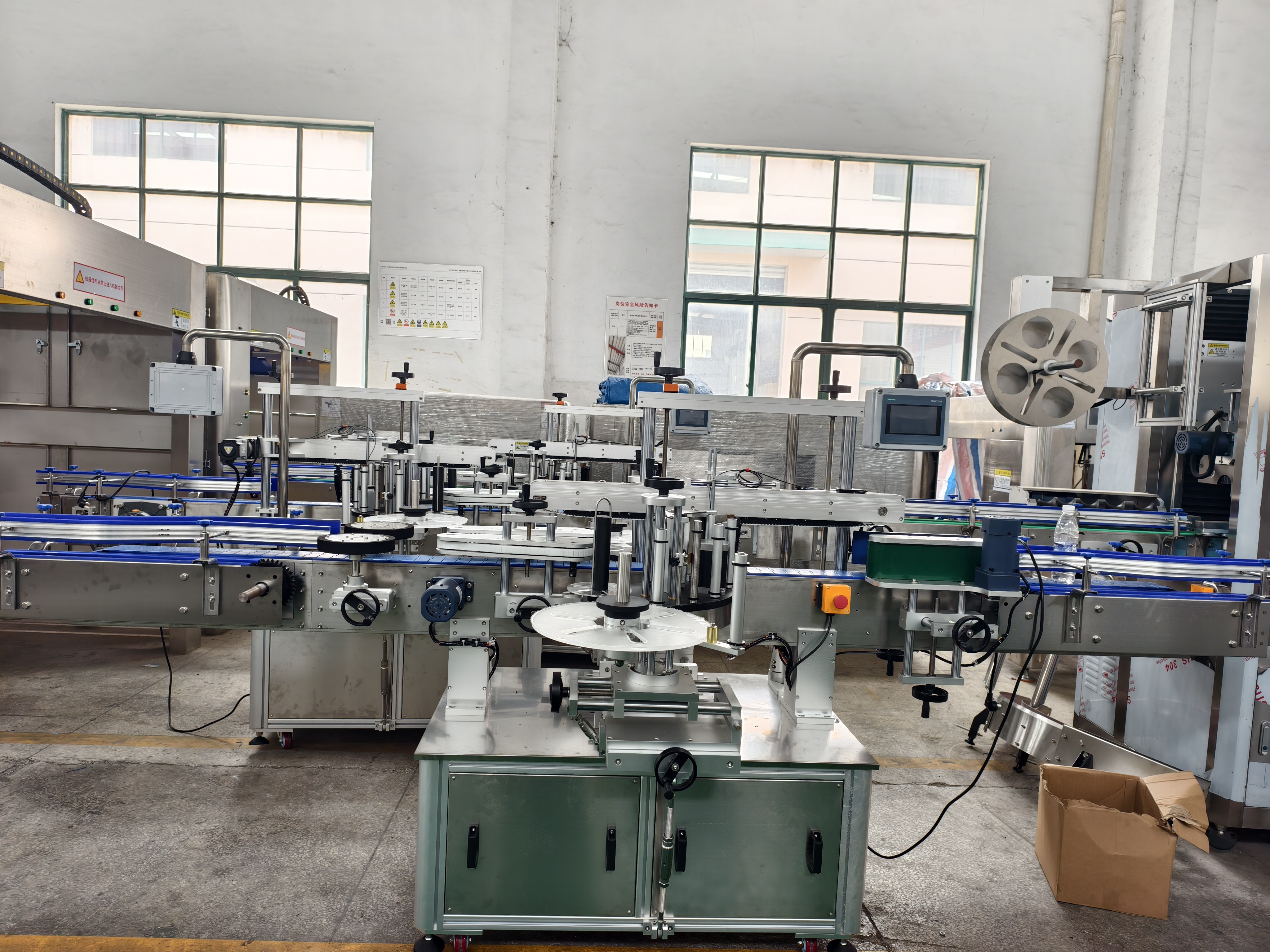
- Sticker labeling machineLearn More →
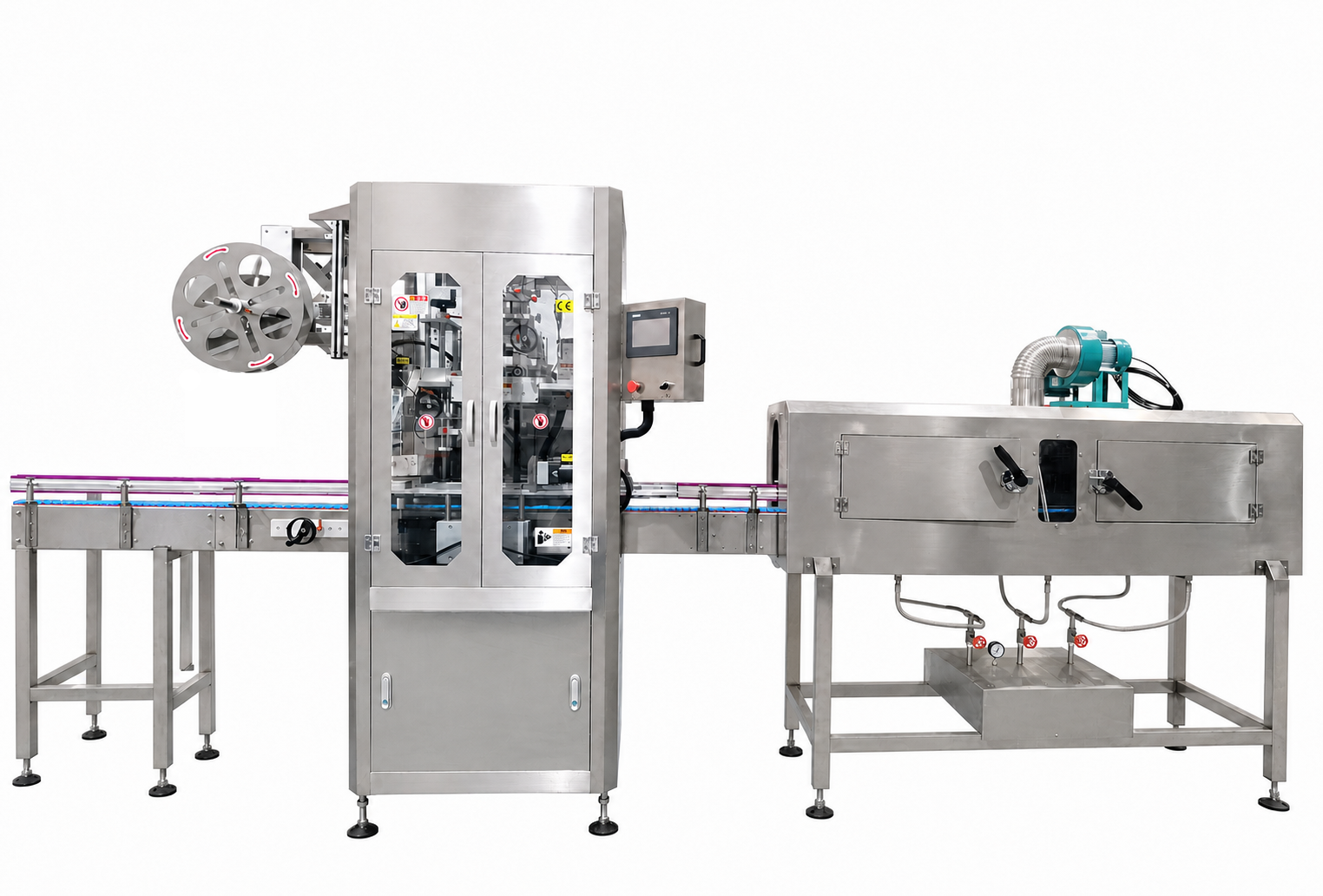
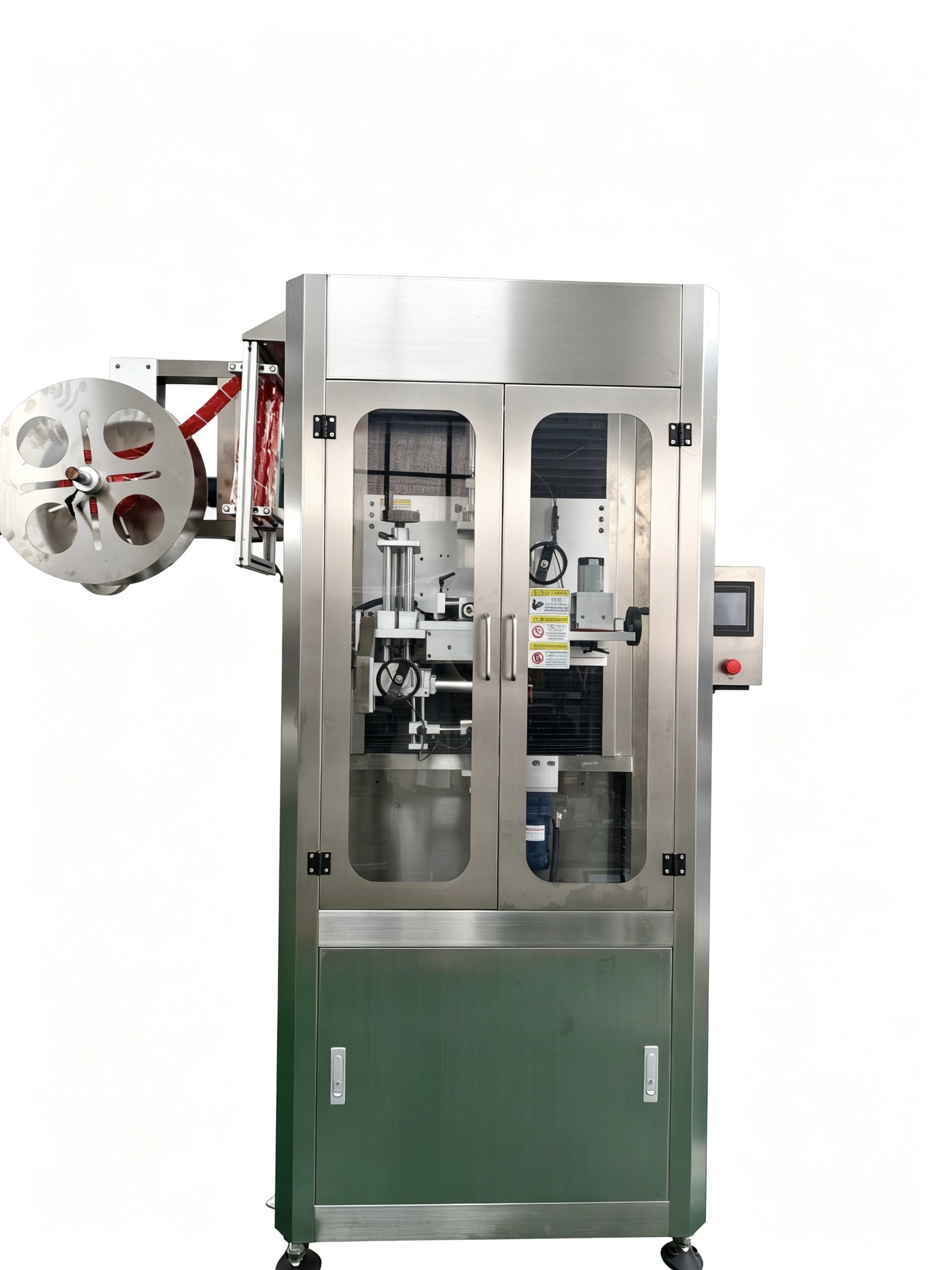
 Sleeve and shrink labeling machineLearn More →
- Carton packing machineLearn More →
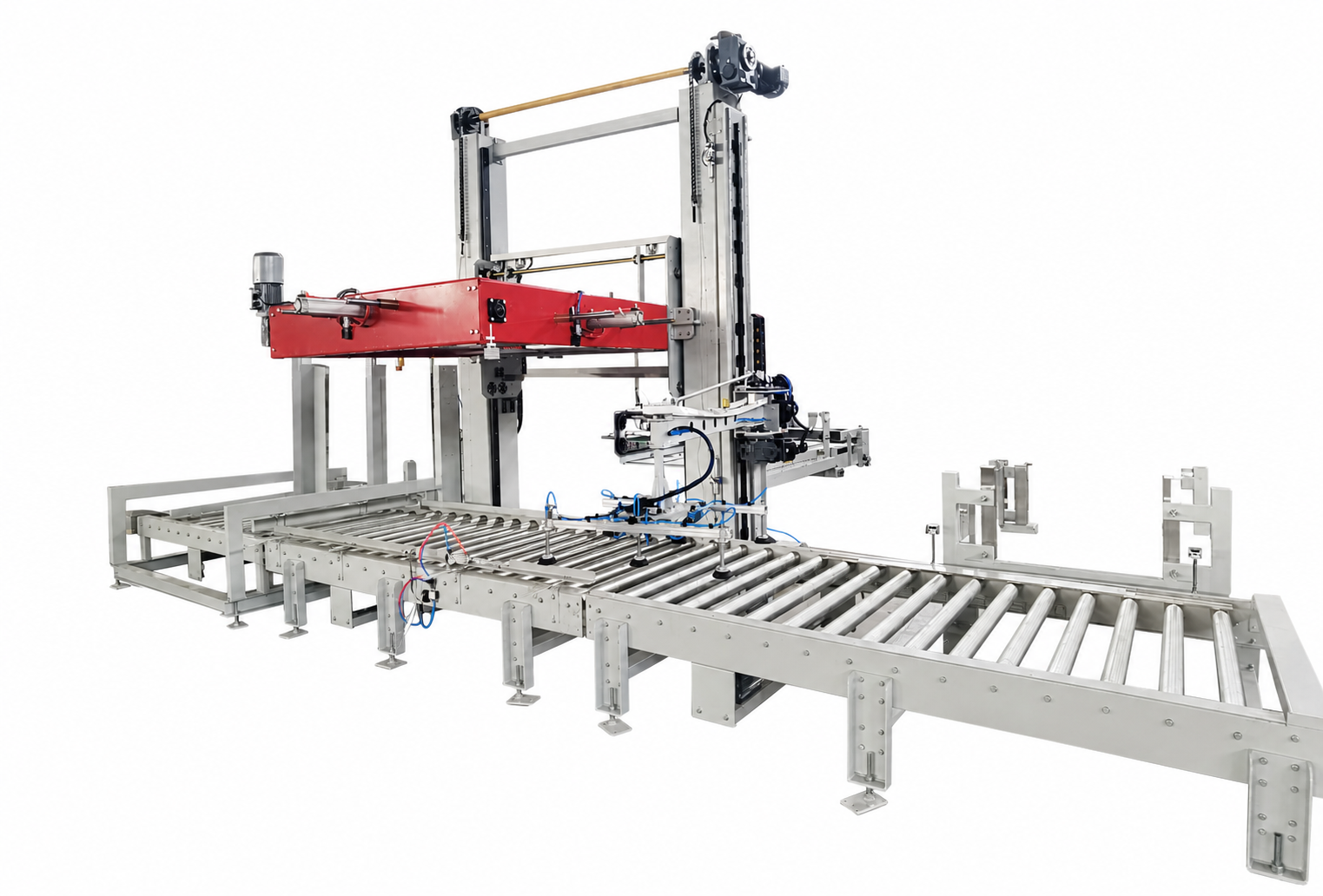
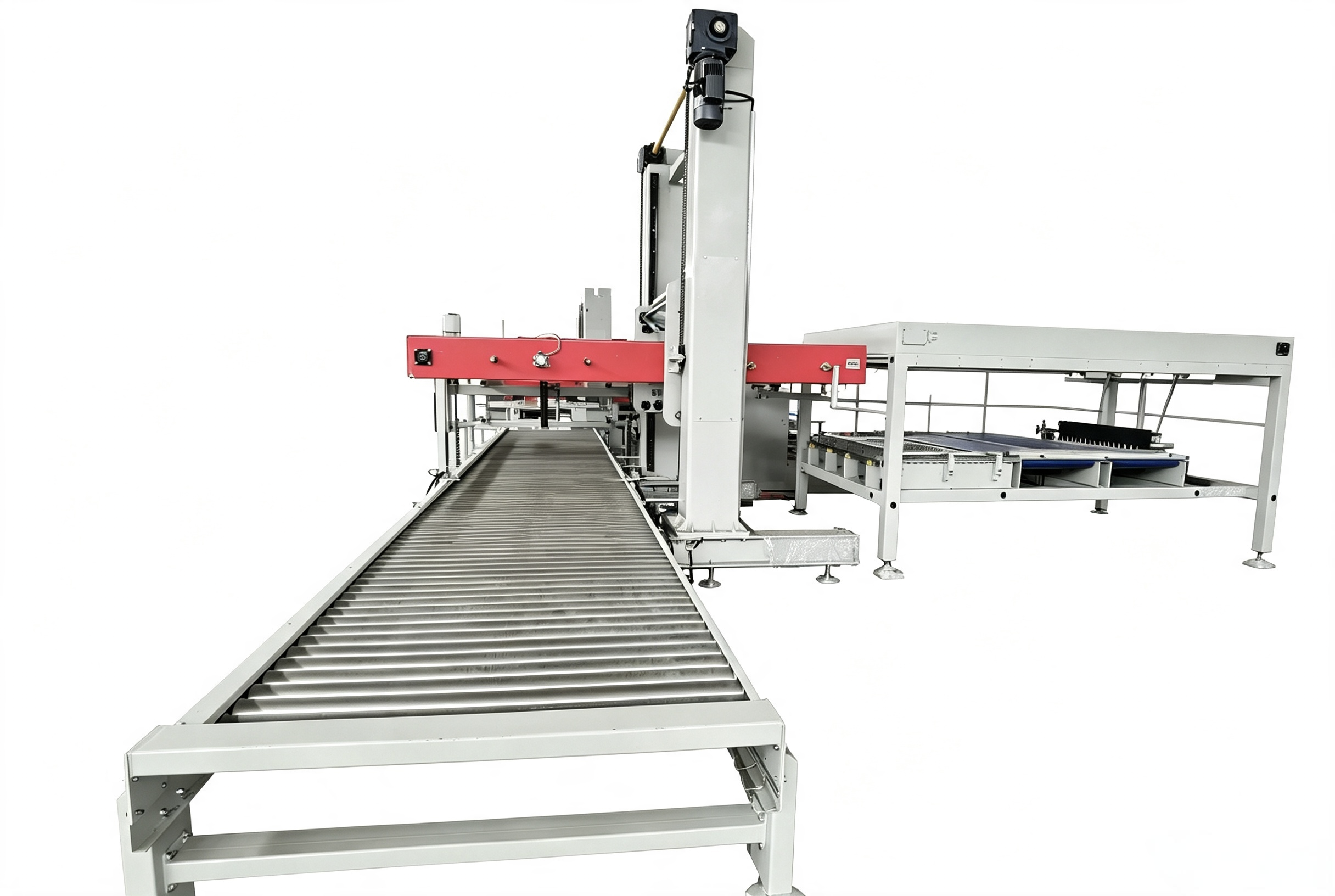
- PalletizerLearn More →
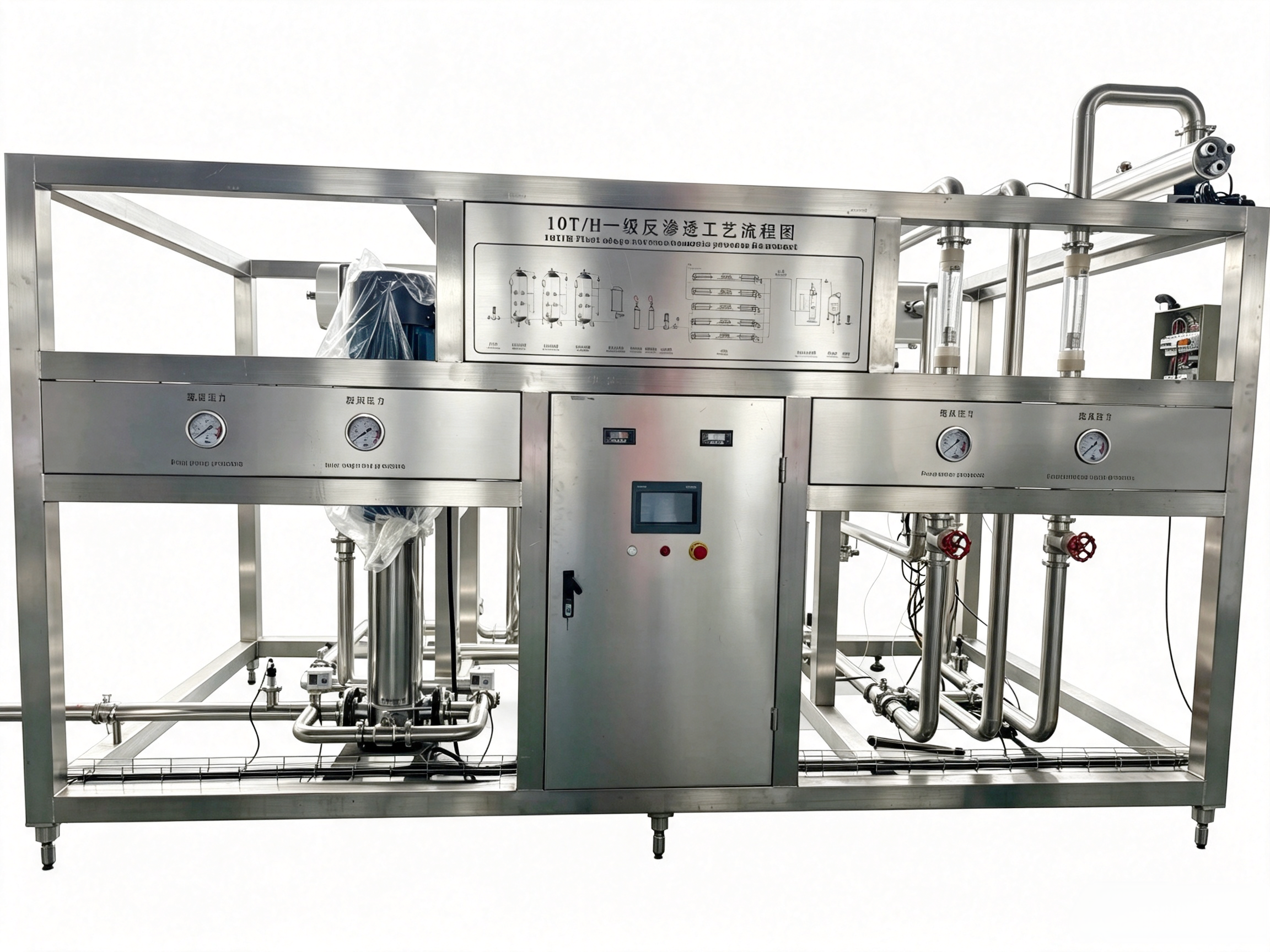
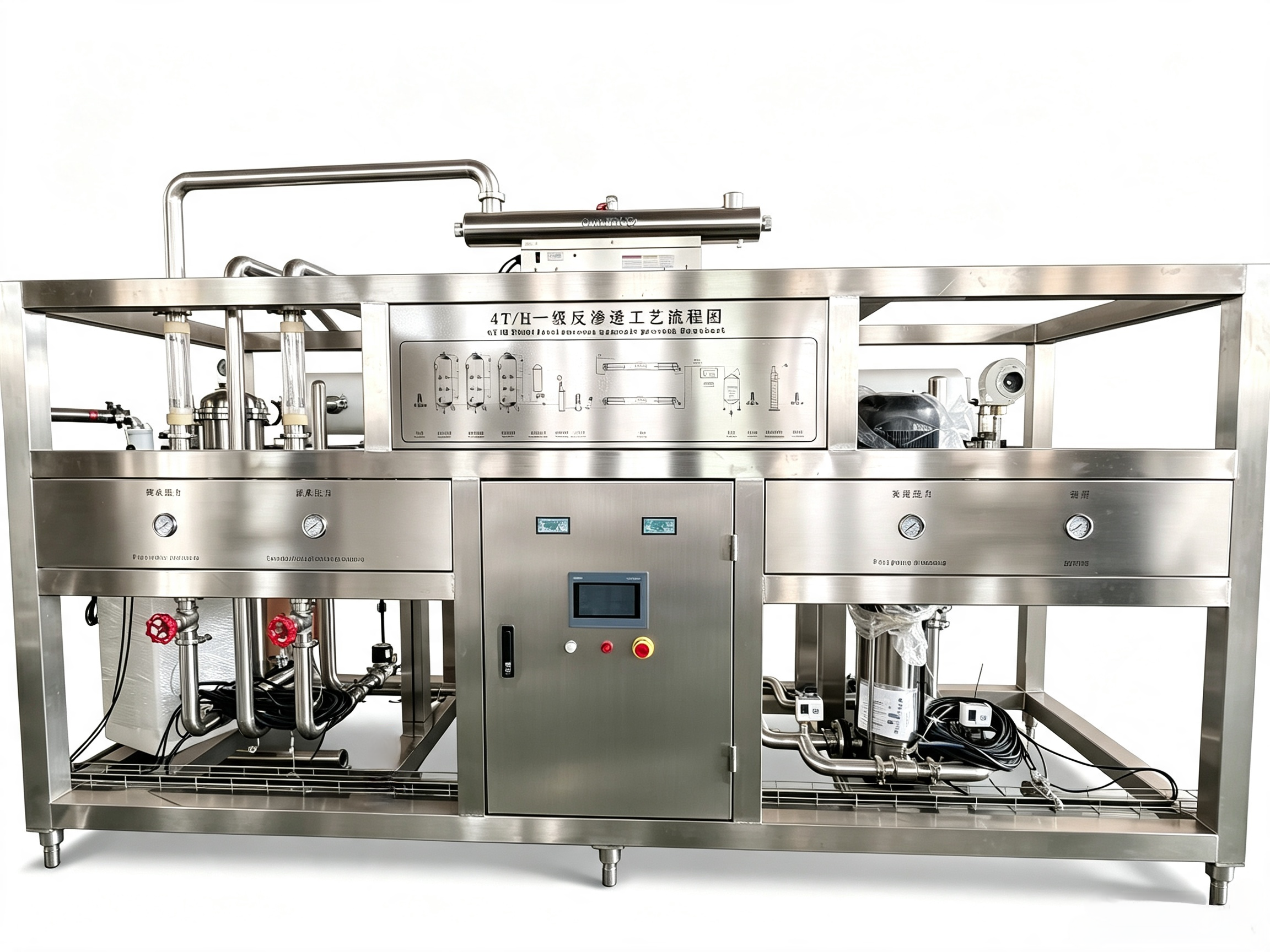
- Reverse osmosisLearn More →
Contact Us
Complete 2 easy steps below to get your factory matrix and a complimentary factory layout design within 24 hours.
Request Factory Price & Factory Layout Within 24h
Request Factory Price & Factory Layout Within 24h