



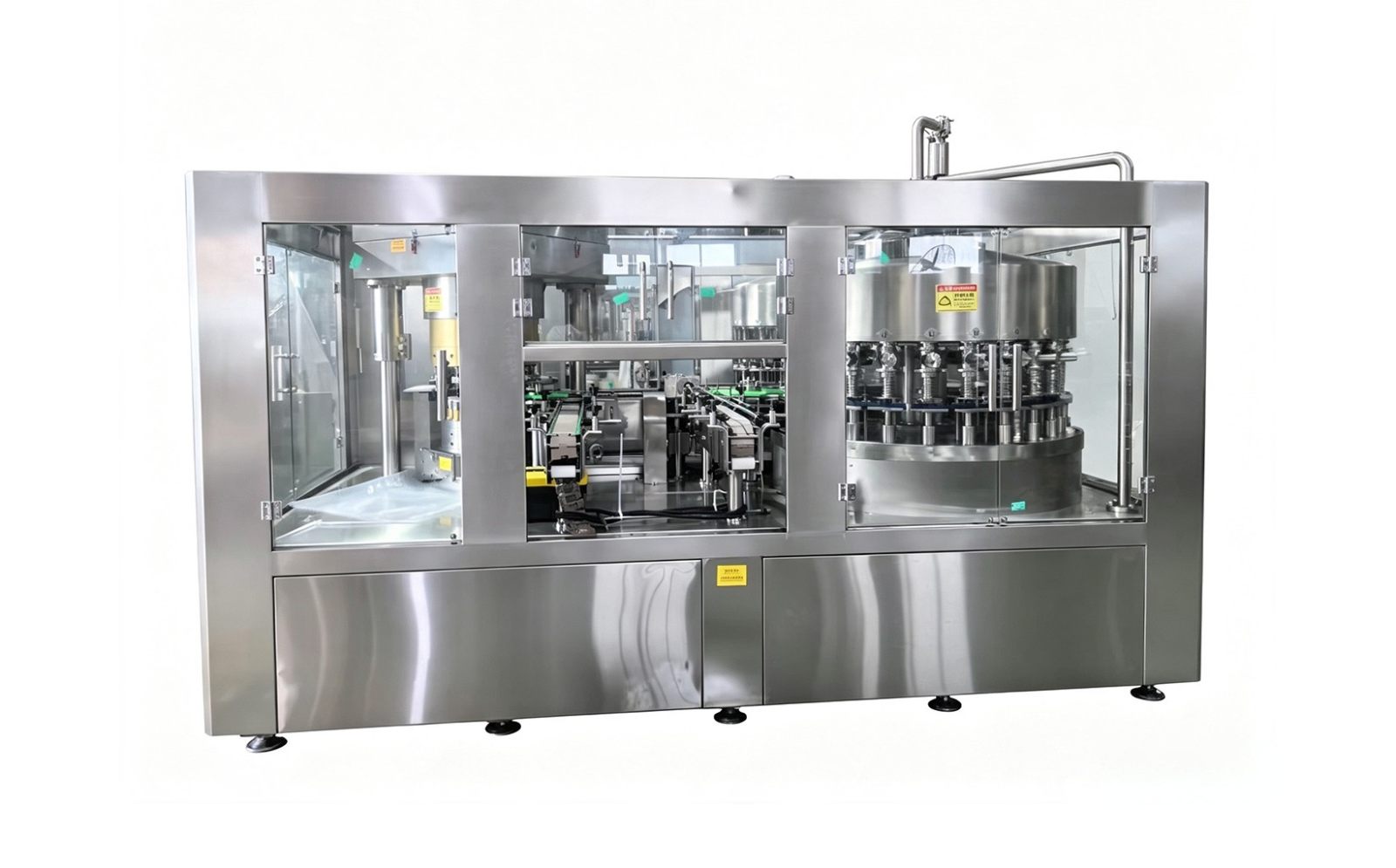
Juice canning machine

Product Value
01
Sanitary Design: All product-contact parts are made of 304 stainless steel; the design eliminates cleaning dead zones, supports full-line CIP (Clean-in-Place), and complies with food production standards.
02
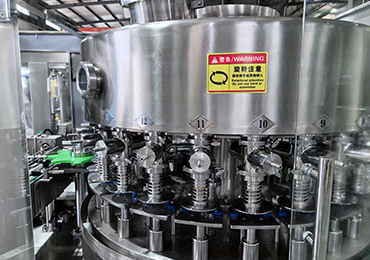
Stable and Controlled Filling: Specialized juice filling valves minimize foaming and spillage, ensure consistent fill levels, and reduce raw material waste; compatible with juices containing fine pulp fibers.
03
Reliable Seaming System: Precision double-seaming mechanism ensures uniform seams and a strong seal, effectively blocking oxygen to extend the juice's shelf life.
04
Intelligent Automation: Centralized control via PLC and touchscreen with variable frequency speed regulation; features automatic alarms for missing cans or system faults, as well as a "no-can, no-fill" protection function.
Applicability boundaries

Filling products
Clear fruit juice, concentrated fruit juice, fruit juice with pulp, fruit-flavored tea, plant-based beverages, non-dairy and non-carbonated drinks

Applicable can types
250ml, 330ml, 355ml, and 500ml standard aluminum cans; supports rapid format changeover

Optional processes
Ambient-temperature micro-pressure filling / 85–92°C hot filling
Working Principle
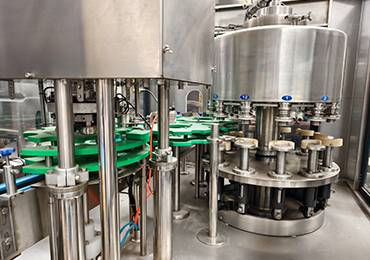
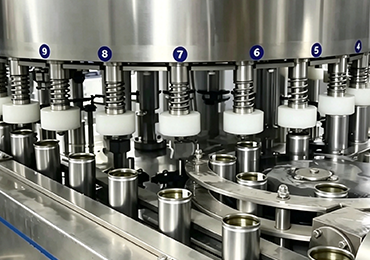
Empty cans are fed systematically via a conveyor system to the filling station, where a lifting mechanism raises the can body to engage with the filling valve for precise volumetric filling. Once filled, the cans are synchronously conveyed to the seaming unit for accurate lid placement and seaming, ensuring a continuous, fully automated operation. The equipment is compatible with an in-line CIP (Clean-in-Place) system, supports high-temperature hot-filling processes for fruit juice, and complies with food hygiene standards.
Core components
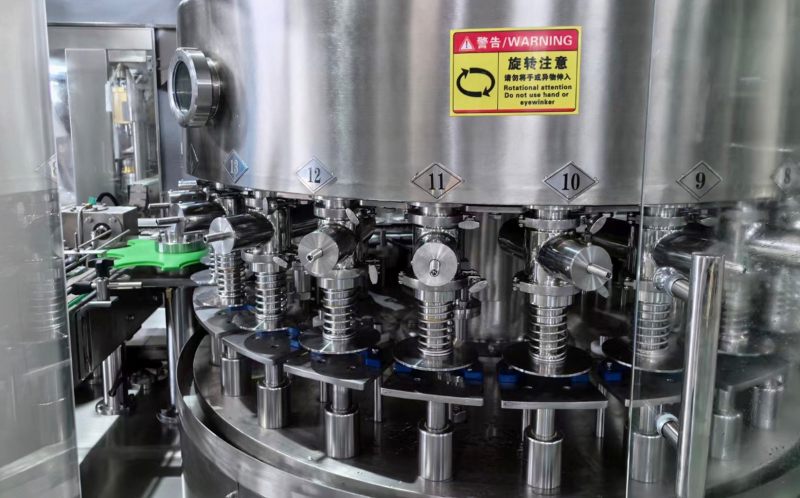
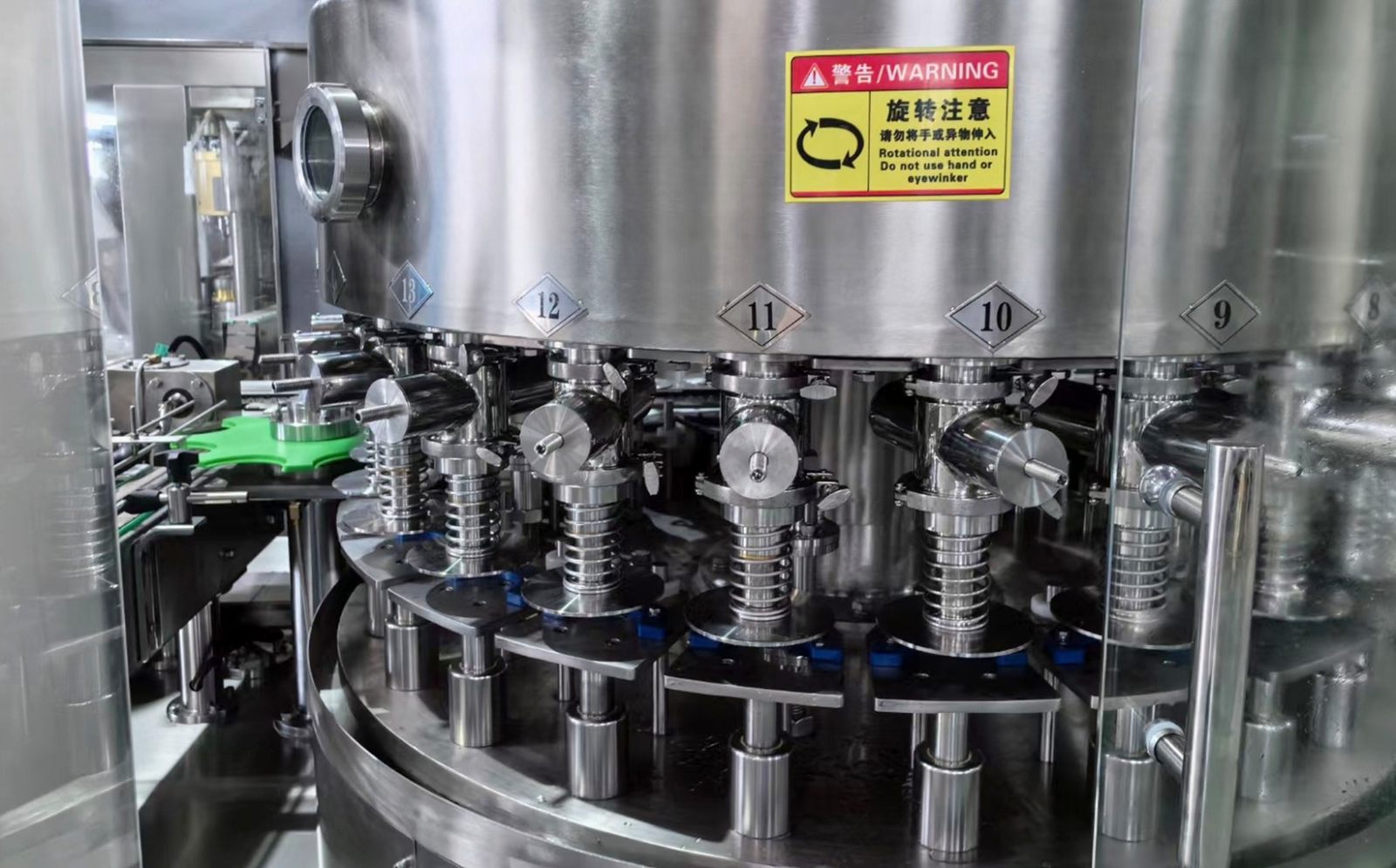
Specialized Juice Filling Valve
SUS304 sanitary-grade construction with anti-foaming design; large-passage, anti-clogging valves available for models handling juice with pulp; a core component of the machine.
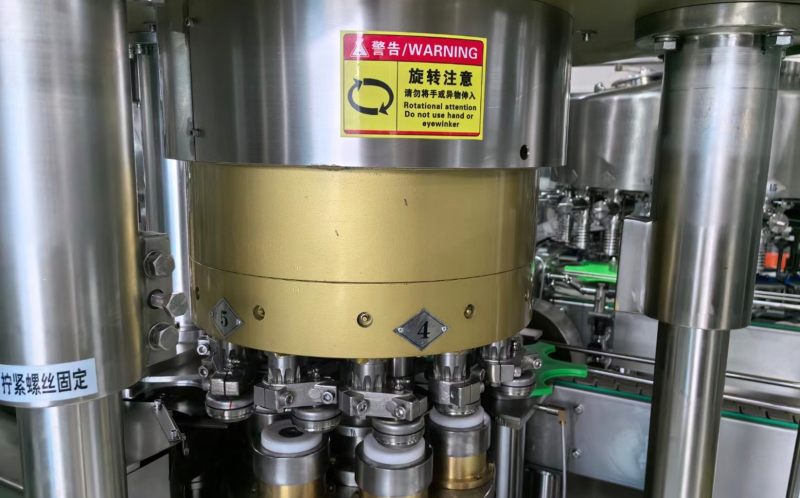
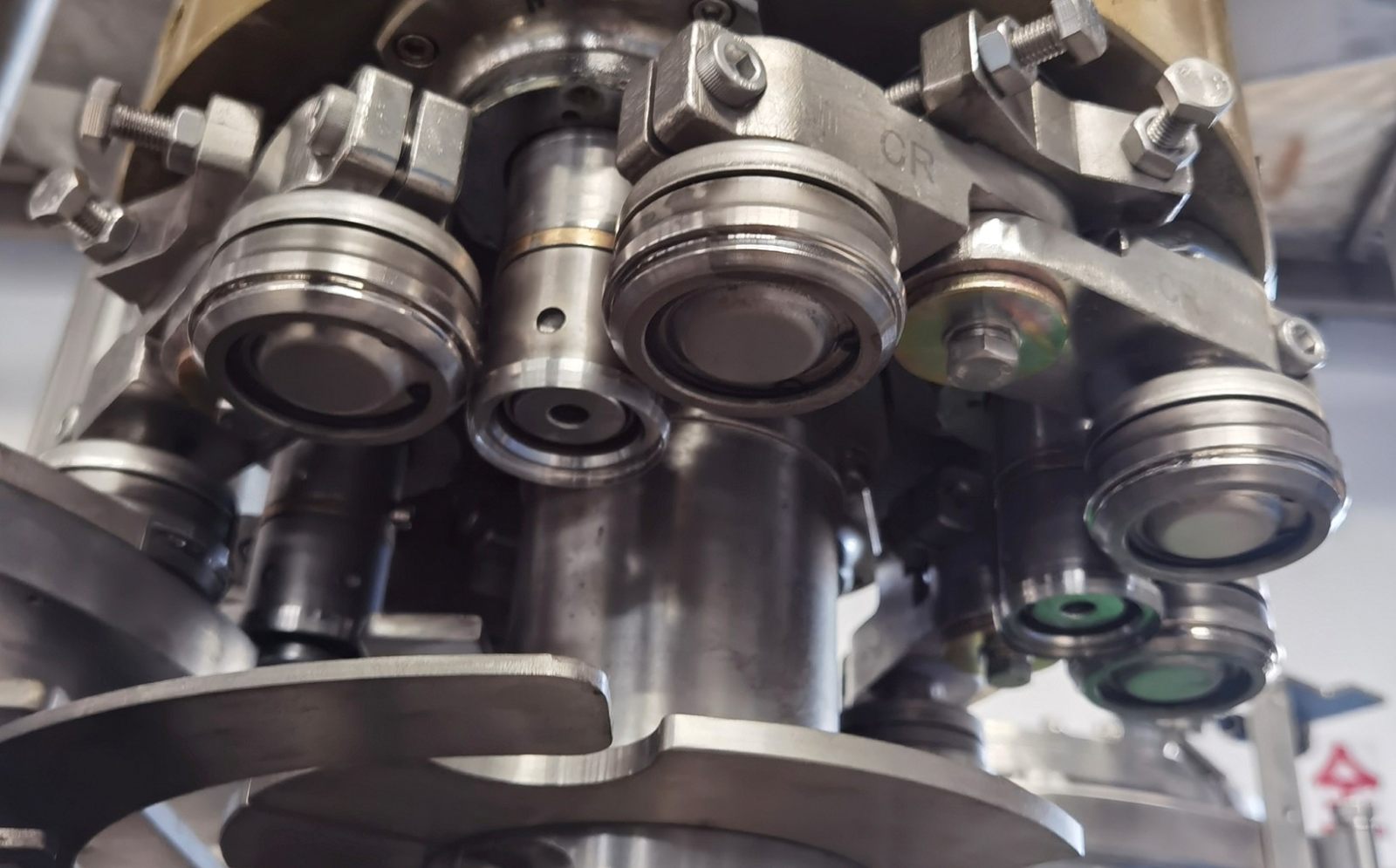
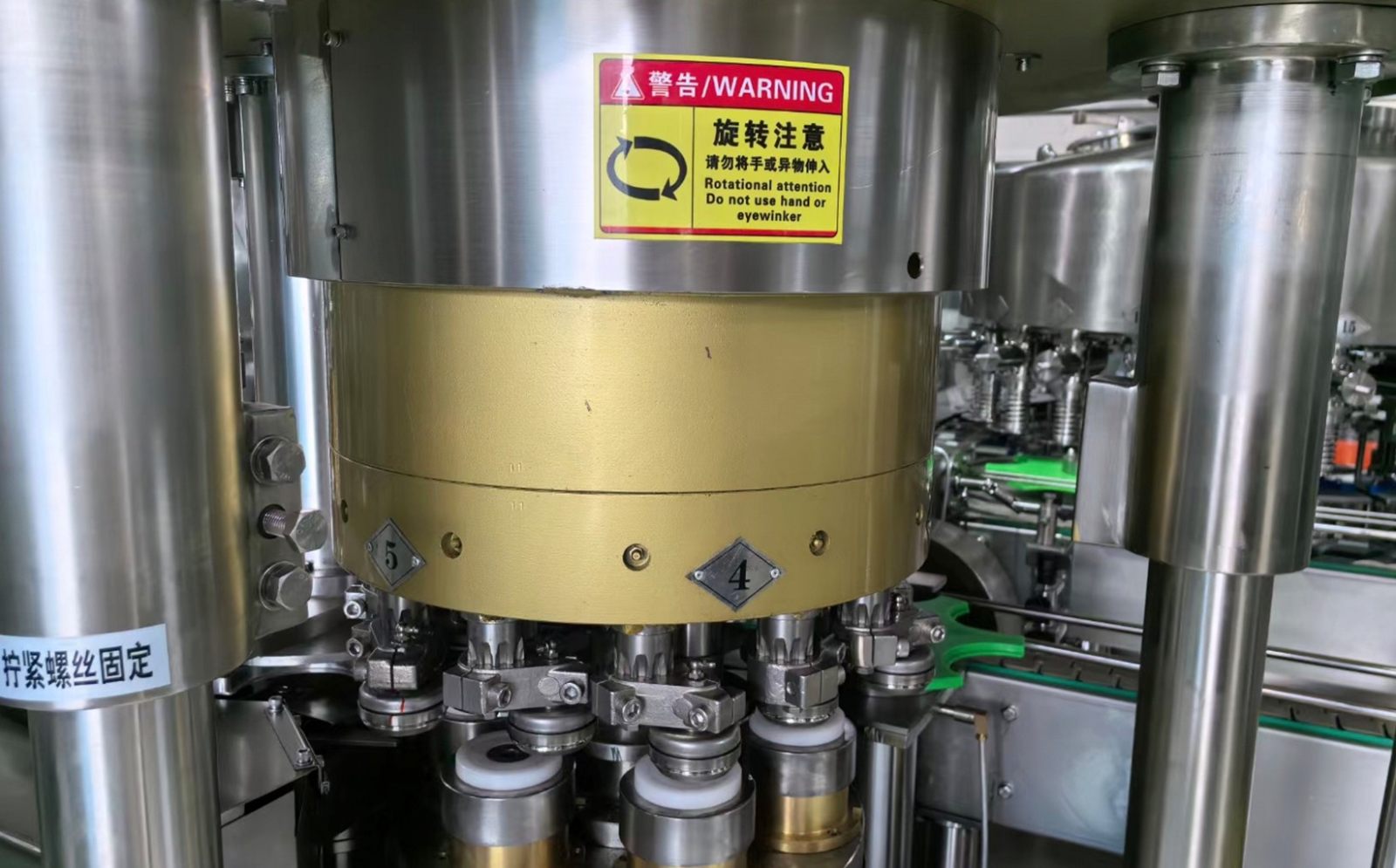
Double-Seaming Head (Can Seamer Head)
Comprising seaming rolls, the main spindle, and the chuck; determines the sealing quality and directly impacts the juice's shelf life.
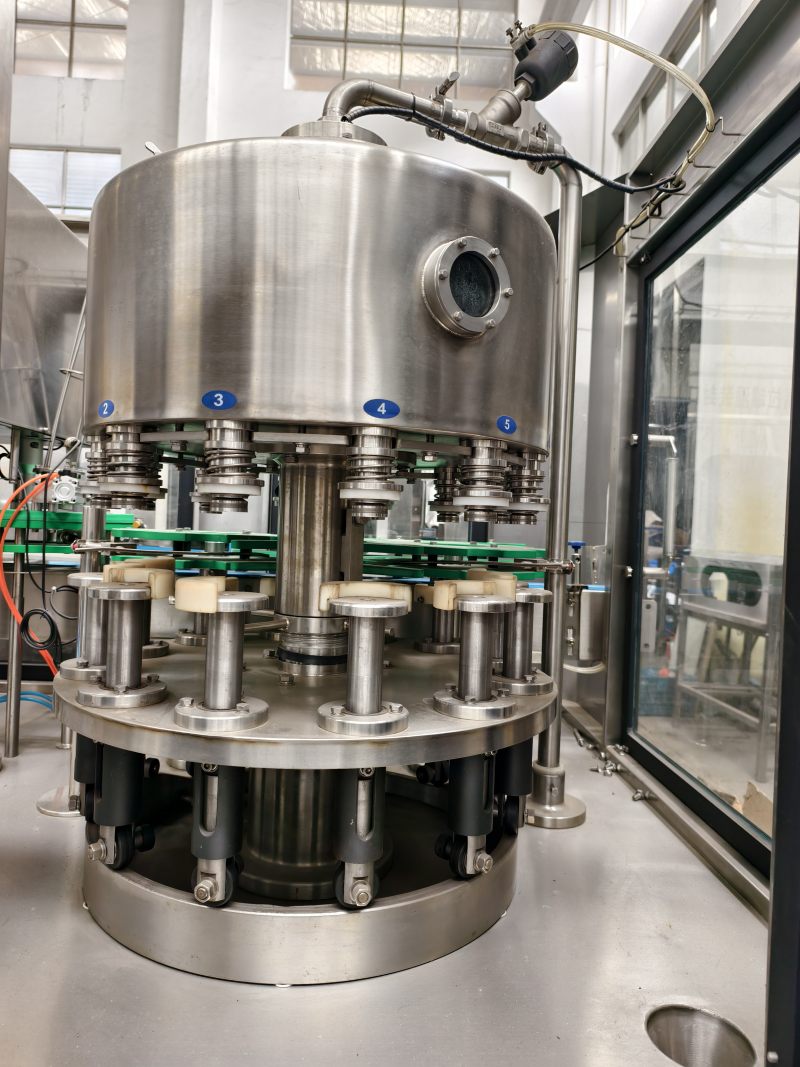
The cylinder, can support plate, &guide assembly
ensure precise alignment of the can body with the filling valve.
Optional
CIP (Clean-in-Place) System (Cleaning tank + pump + piping)
Suitable for high-standard food processing plants; enables automatic cleaning of the interior of product tanks and filling valves without dismantling the equipment.
Hot-Filling Temperature Control System
Features temperature probes, insulated product tanks, and insulated piping to maintain a constant hot-filling temperature of 85–92°C.
Sterile Dust-Proof Enclosure
A fully enclosed protective housing minimizes workshop dust contamination and meets high-cleanliness production standards.
Changeover/Cleaning/Maintenance
Hygienic Design
All parts in contact with the liquid are detachable and free of sanitary dead zones; the system supports full-line CIP (Clean-in-Place) and complies with food safety standards in the food and beverage industry.
High Versatility
Compatible with standard 330ml/500ml aluminum cans by replacing only a few components (such as screws and valve parts), allowing for flexible switching between can diameters of Φ53.5–80mm and heights of 65–160mm.
Can this juice canning line handle juices containing pulp?
The standard model is designed for clear juices and fruit teas. For mango juice, juices with fruit/vegetable particulates, or juices with fibrous pulp, we recommend selecting a large-bore, anti-clogging filling valve assembly (such as a piston valve) to widen the flow path and prevent pulp from blocking the valve body. Please inform us of the pulp particle size before placing your order so we can configure the equipment accordingly.
Can production capacity be customized? What models are available?
Customization is available. Mainstream models offer capacities ranging from 1,000 to 24,000 cans per hour, with configurations including 12, 18, 24, or 36 filling heads. We can select the appropriate model based on the capacities of your upstream preparation equipment and downstream sterilization systems.
Issues with foaming or spillage during filling?
Since fruit juice foams easily, this machine utilizes specialized low-turbulence filling valves. Other factors to check include: excessive liquid transfer flow rates, excessively high product tank pressure, and significant fluctuations in material temperature. Maintaining a steady feed rate during hot filling operations effectively minimizes foaming.
Is it easy to clean, given the high sugar content and tendency for juice to stick to the equipment?
All product-contact surfaces are made of 304 stainless steel. Two cleaning methods are supported: an optional CIP (Clean-in-Place) system allows for circulating cleaning without dismantling the machine; alternatively, filling valves can be quickly disassembled for manual cleaning—ideal when processing pulpy juices or switching product varieties. Important: Cleaning is mandatory at the end of every production shift, as residual juice inside the equipment can ferment, cause scaling, and breed bacteria.
Select the Suitable Model
 Piston-fillingInquire Now
- RGF12-1Inquire Now
- RGF20-4Inquire Now
- RGF24-6Inquire Now
Related Product Recommendations
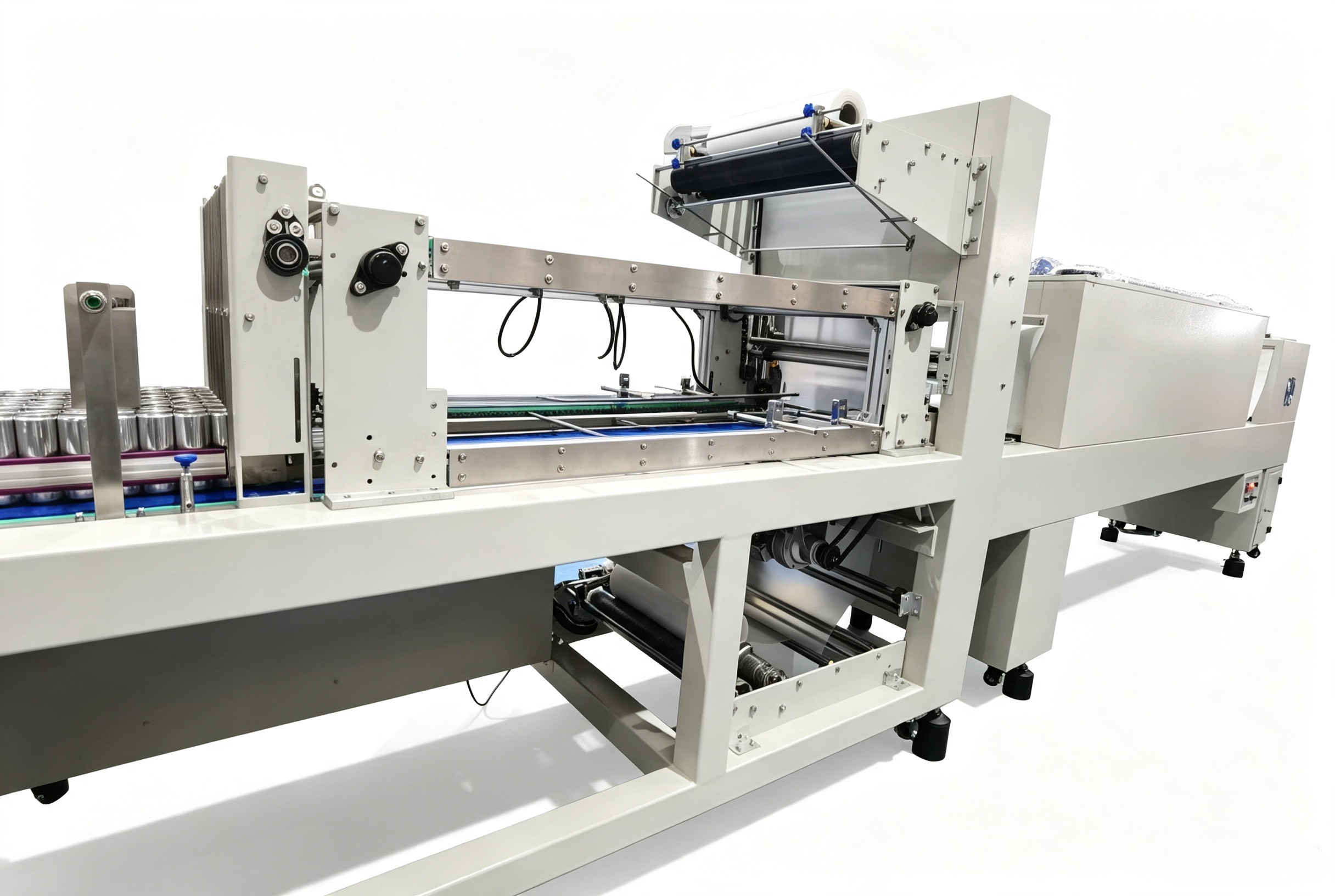
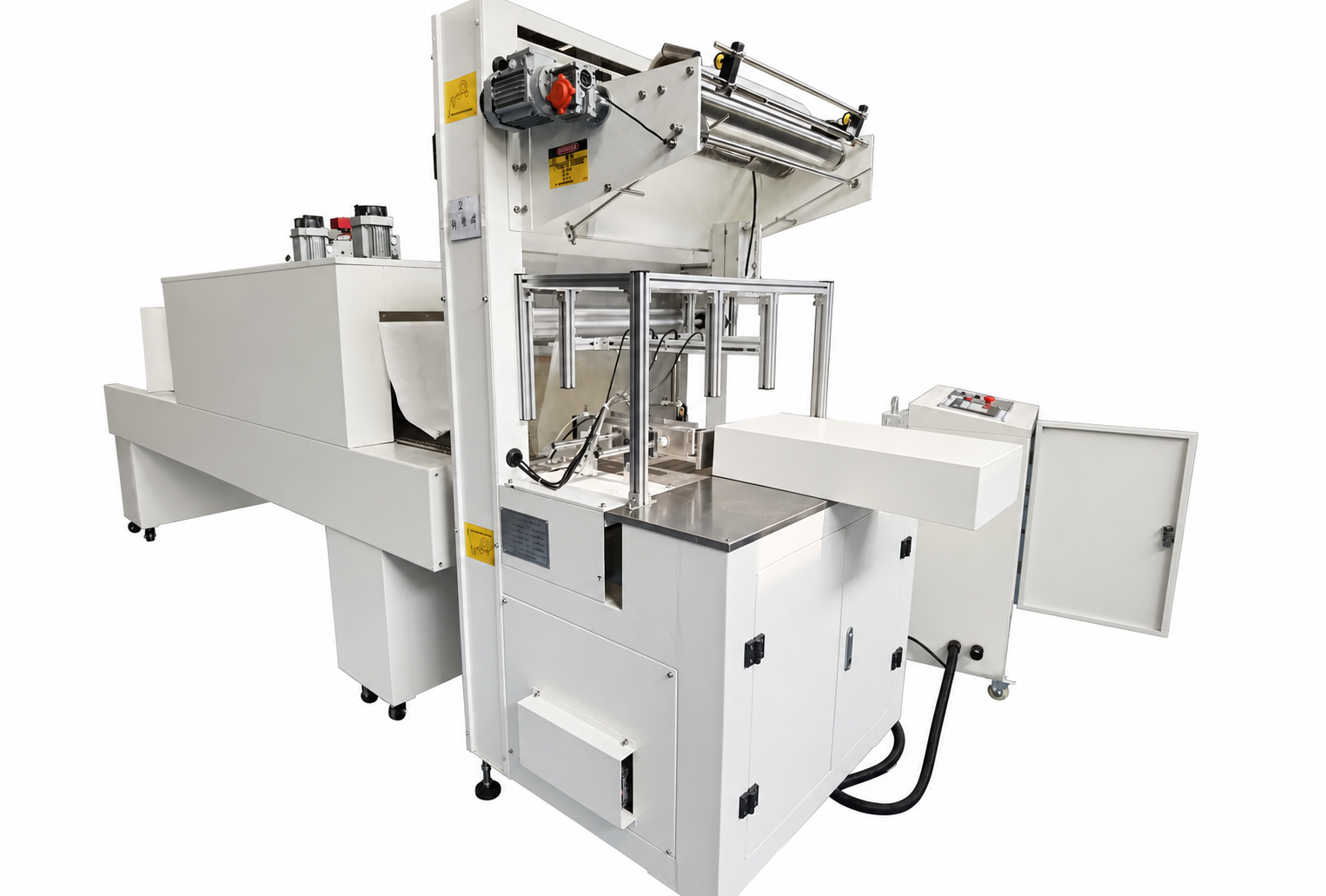
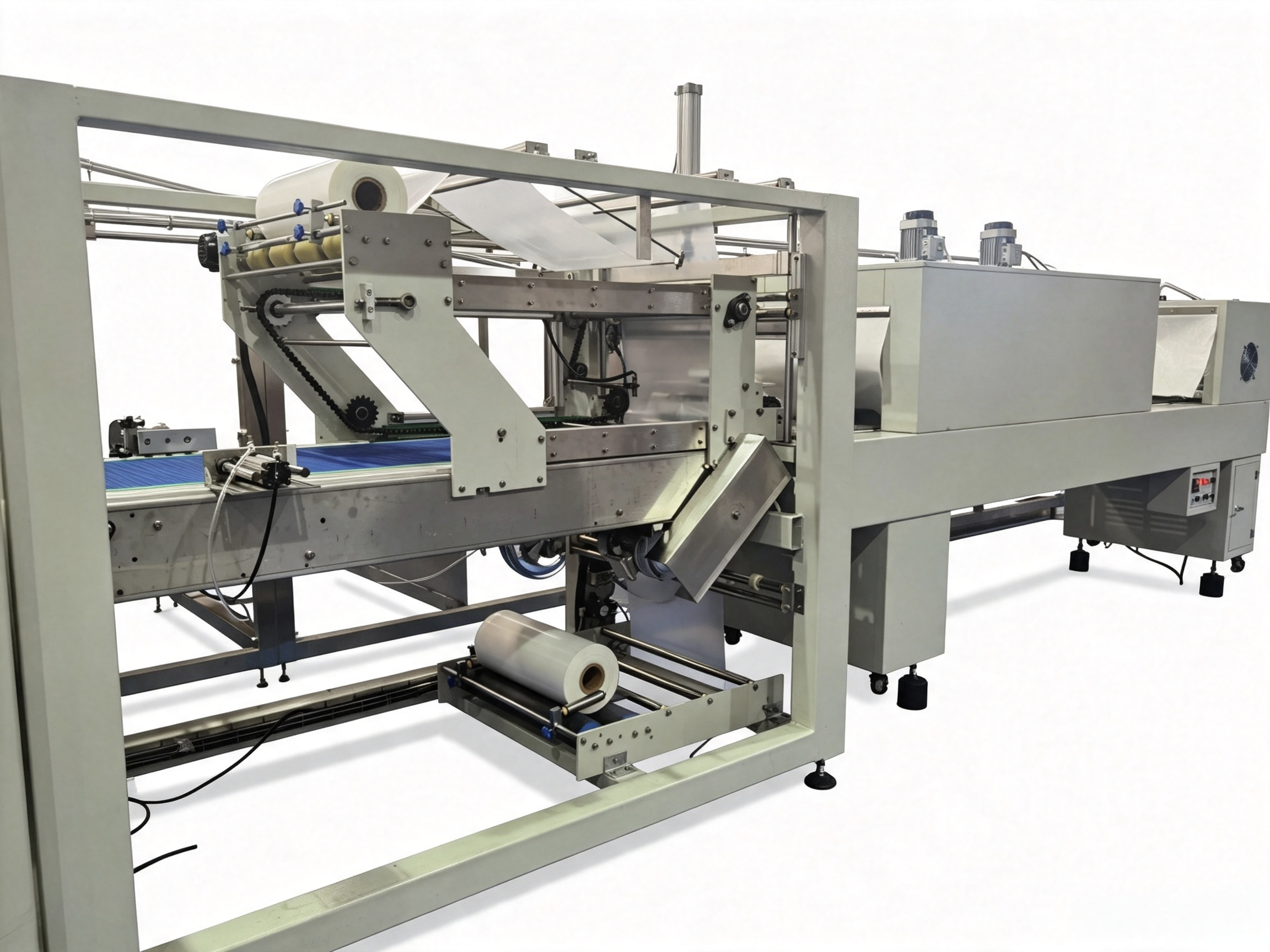
 Liner Type PE Film Wrapping MachineLearn More →
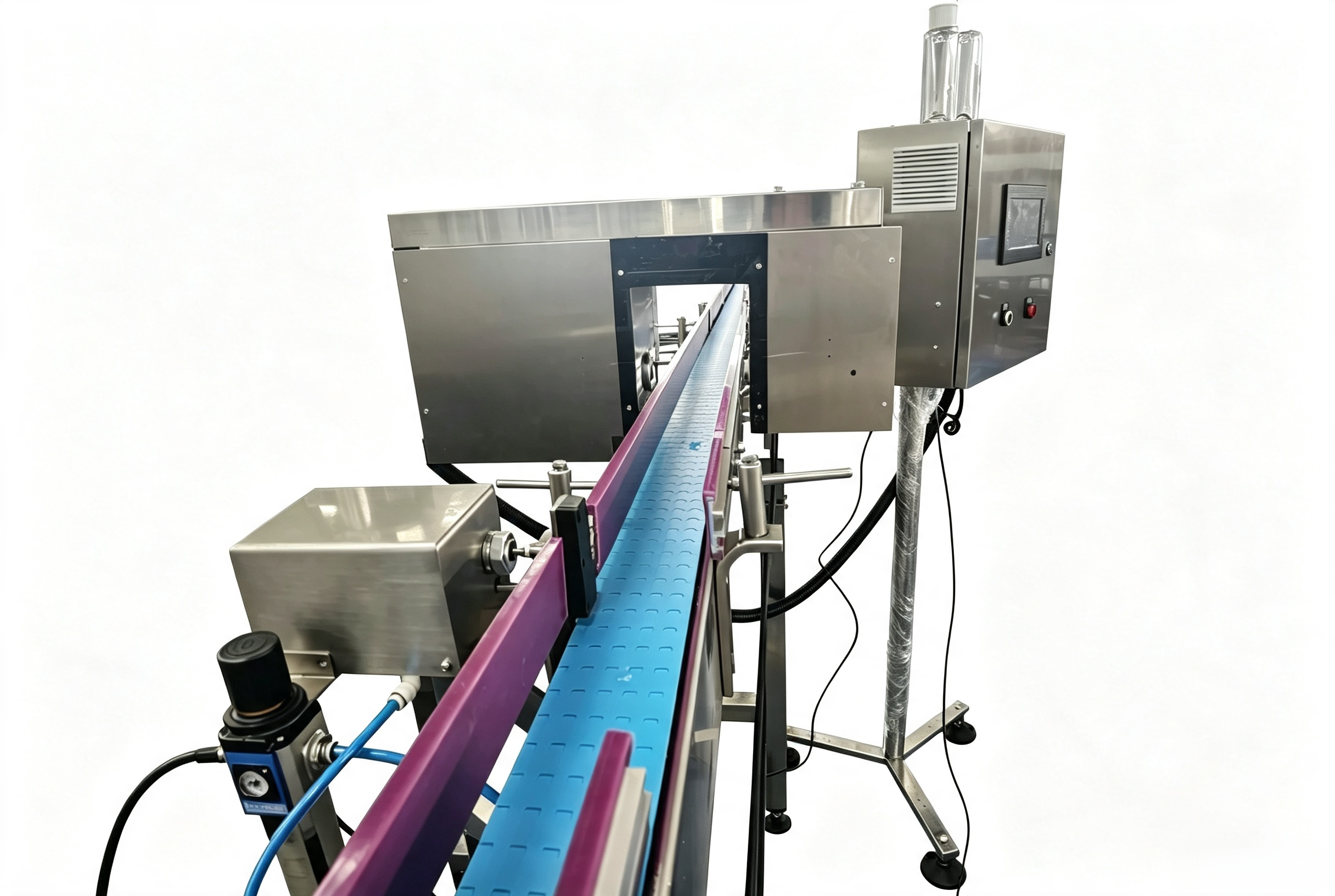
- Liquid Level DetectionLearn More →
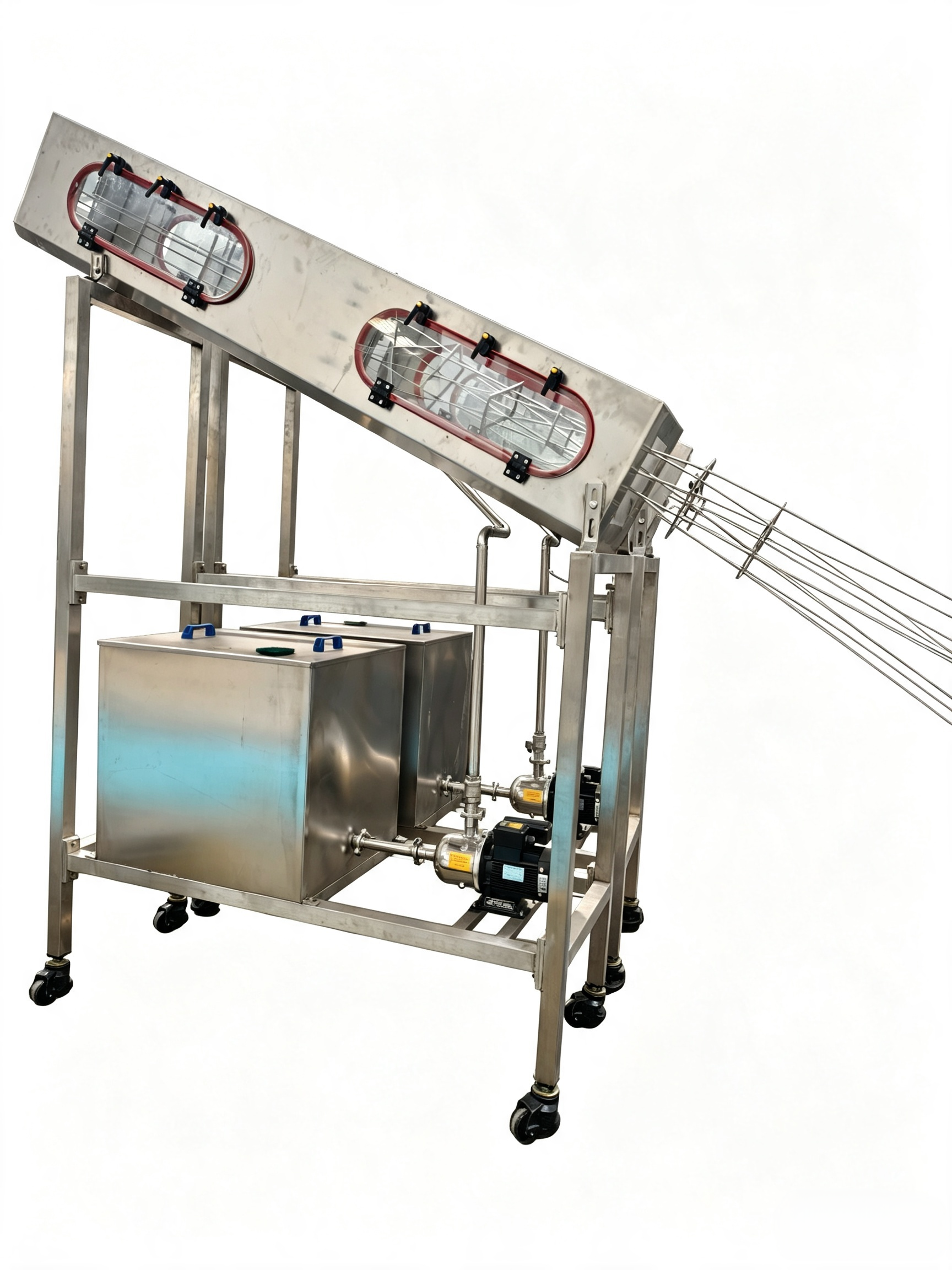
 Can WasherLearn More →
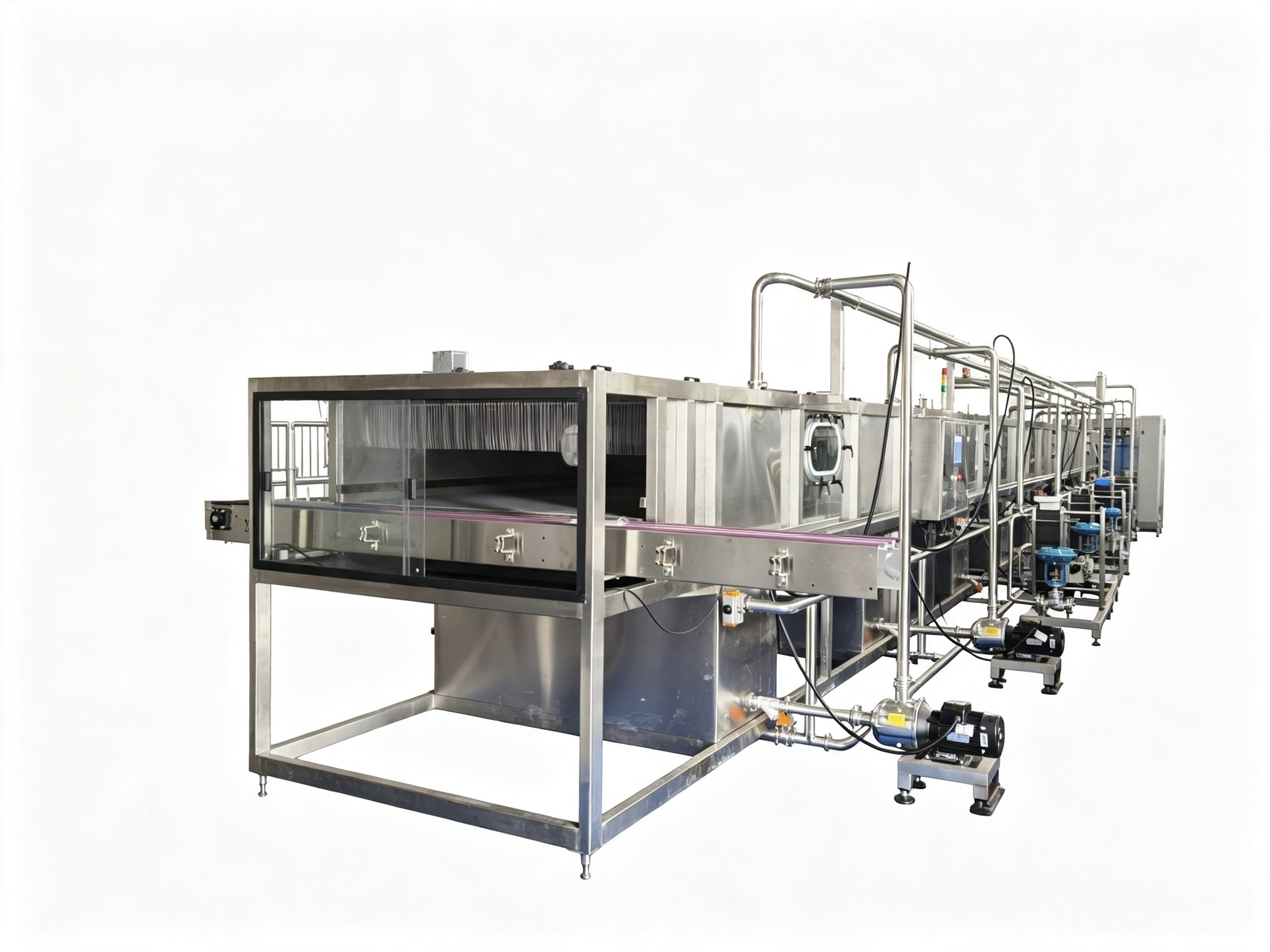
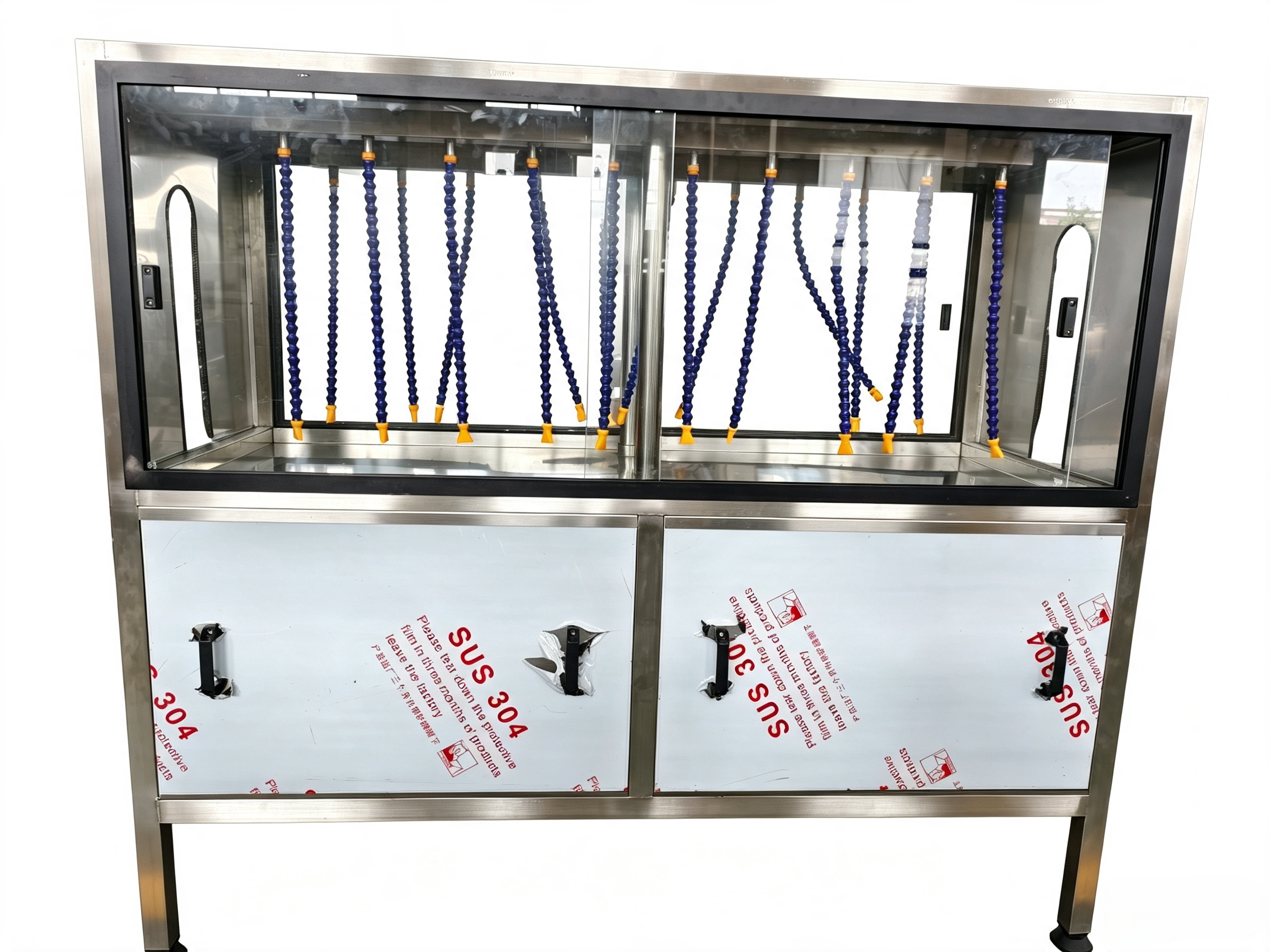
 Cooling TunnelLearn More →
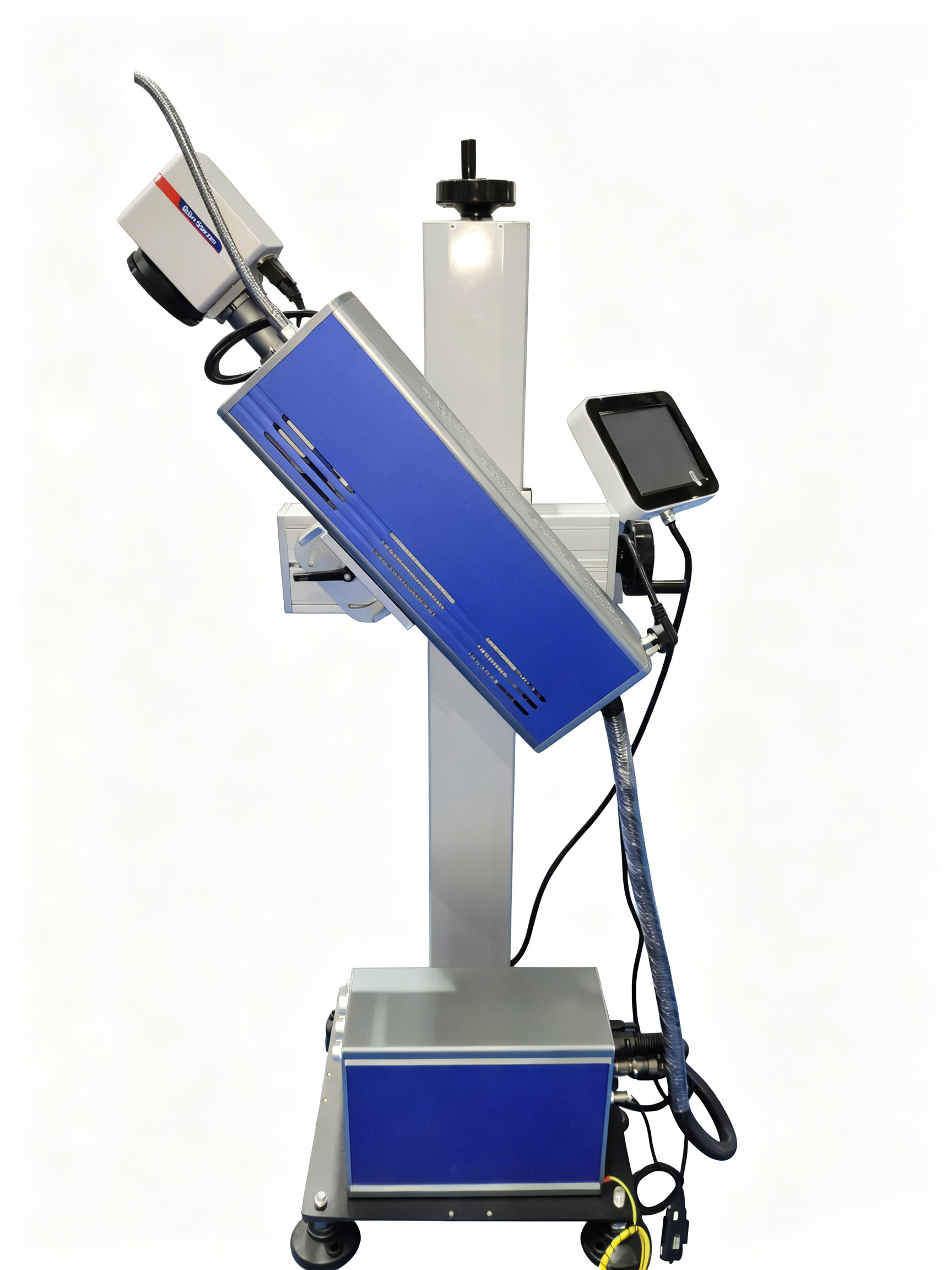
- Laser PrinterLearn More →
- Blow DryerLearn More →
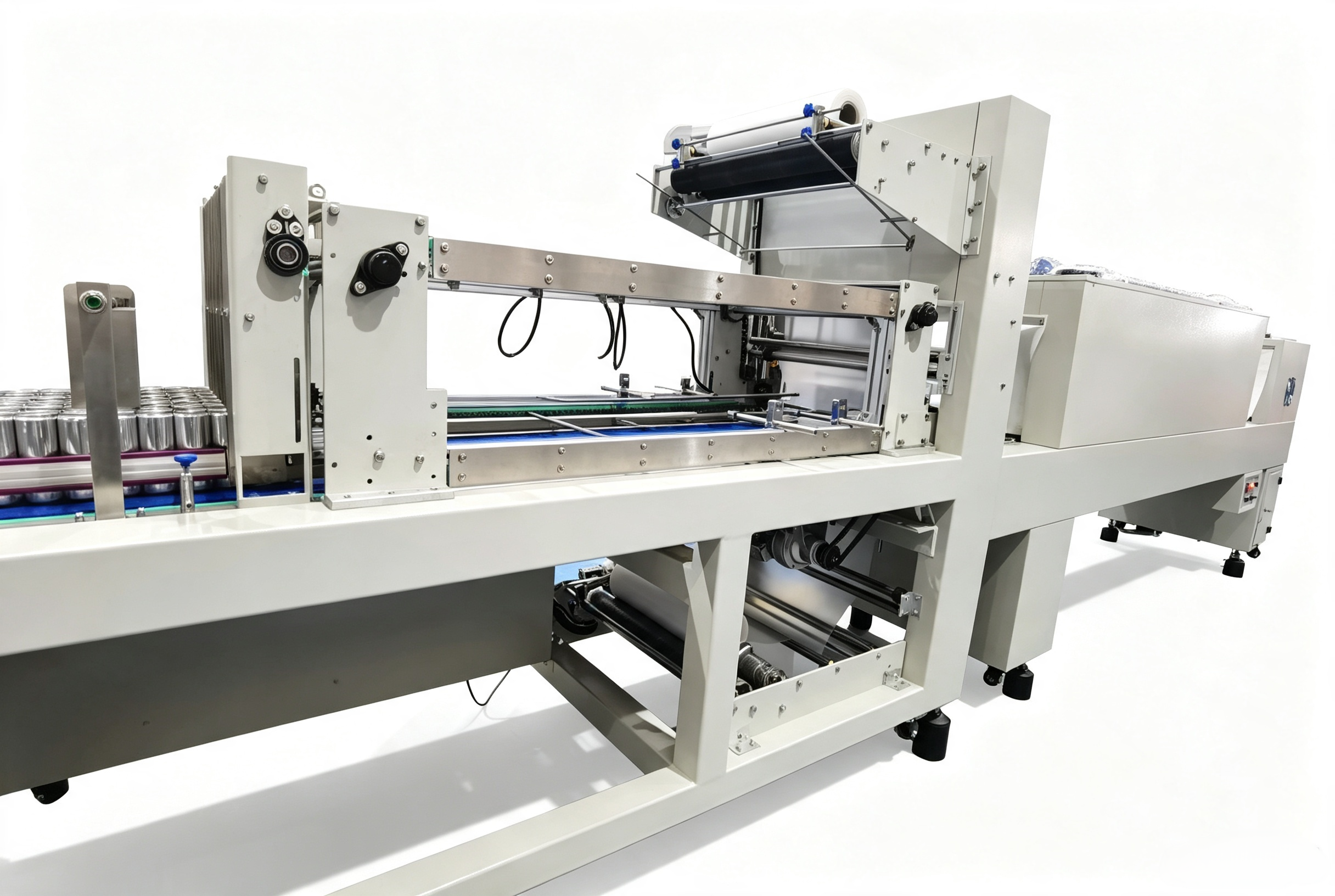
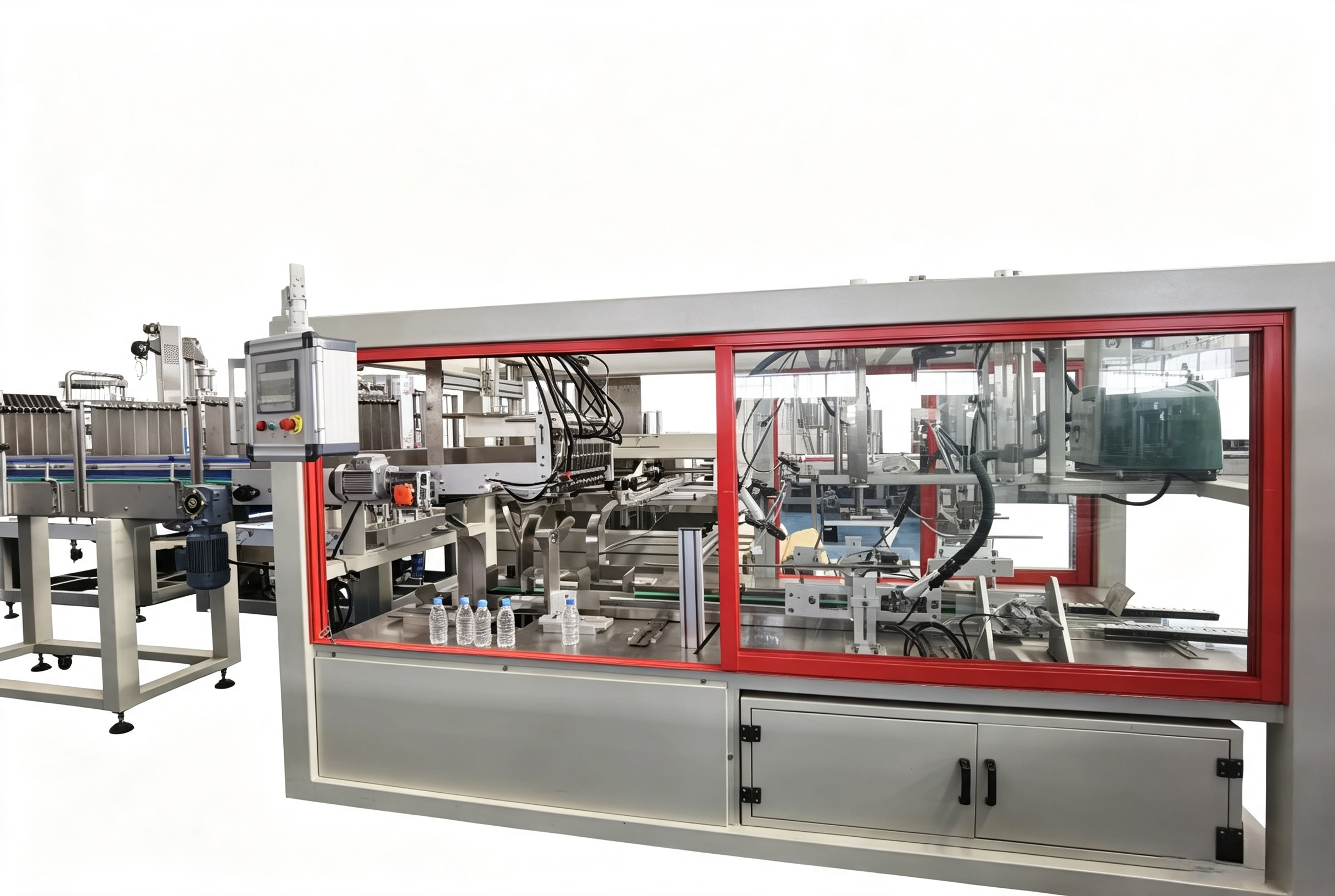
 PE film packing machineLearn More →
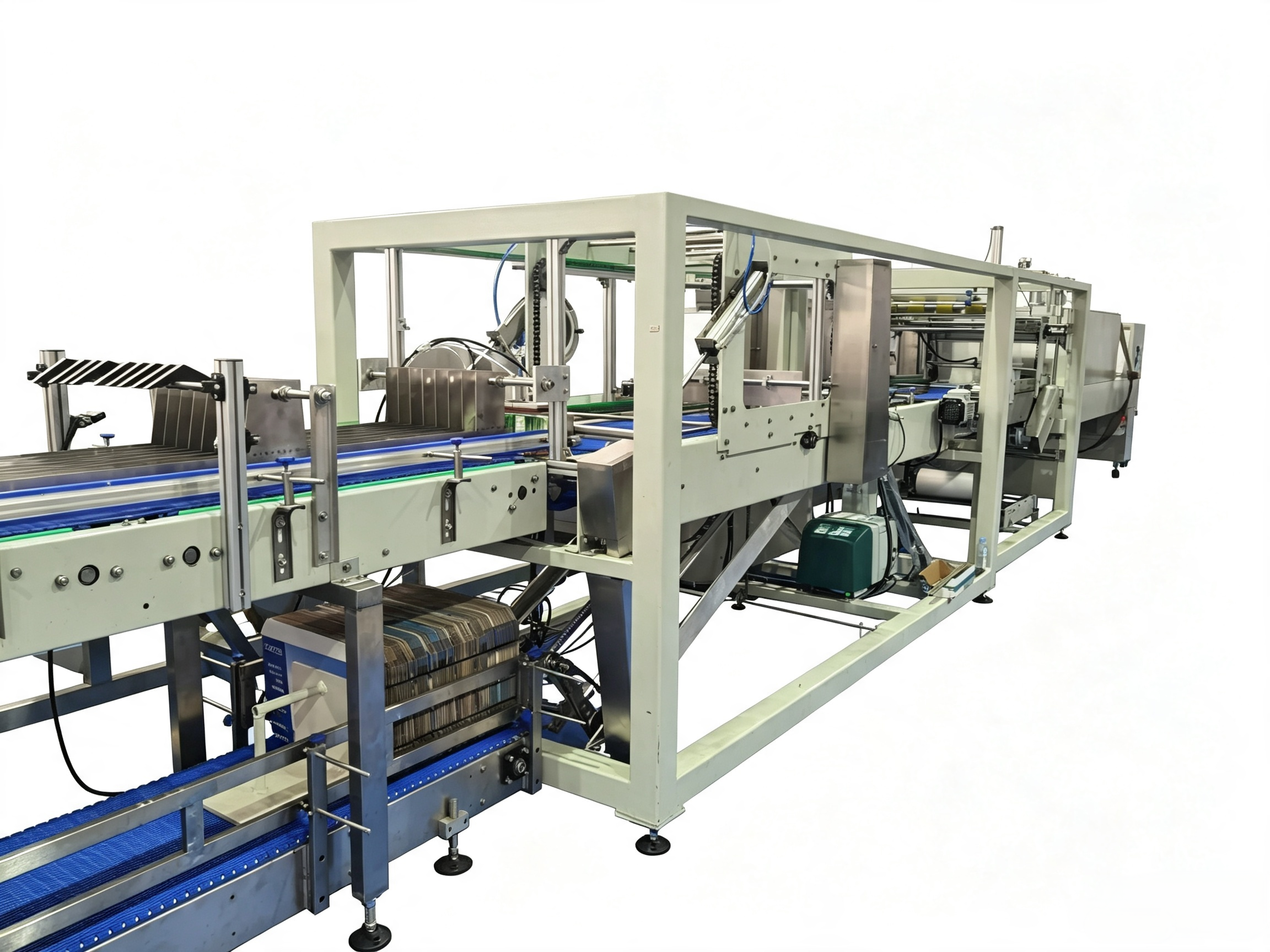
- Half tray packing machineLearn More →
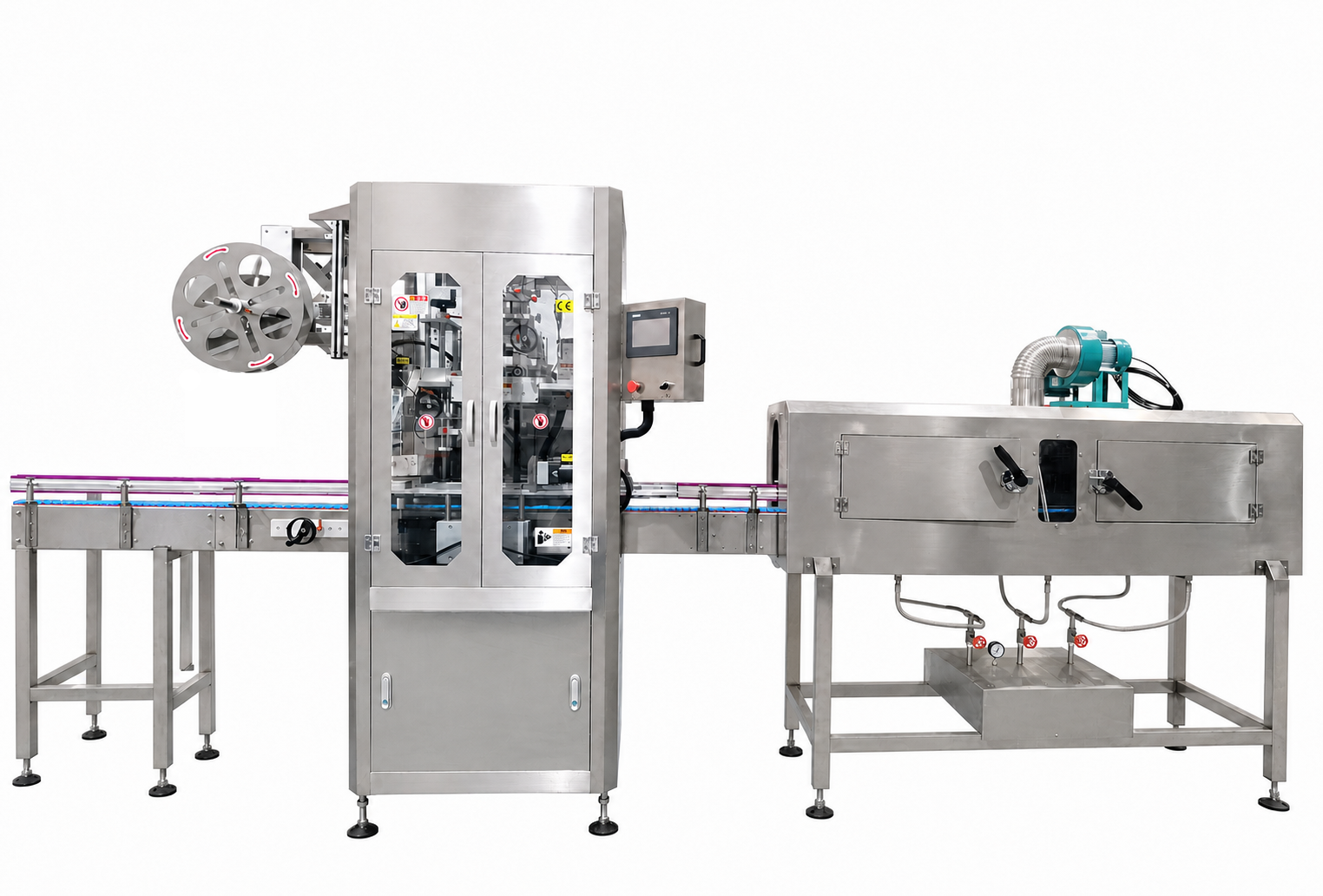
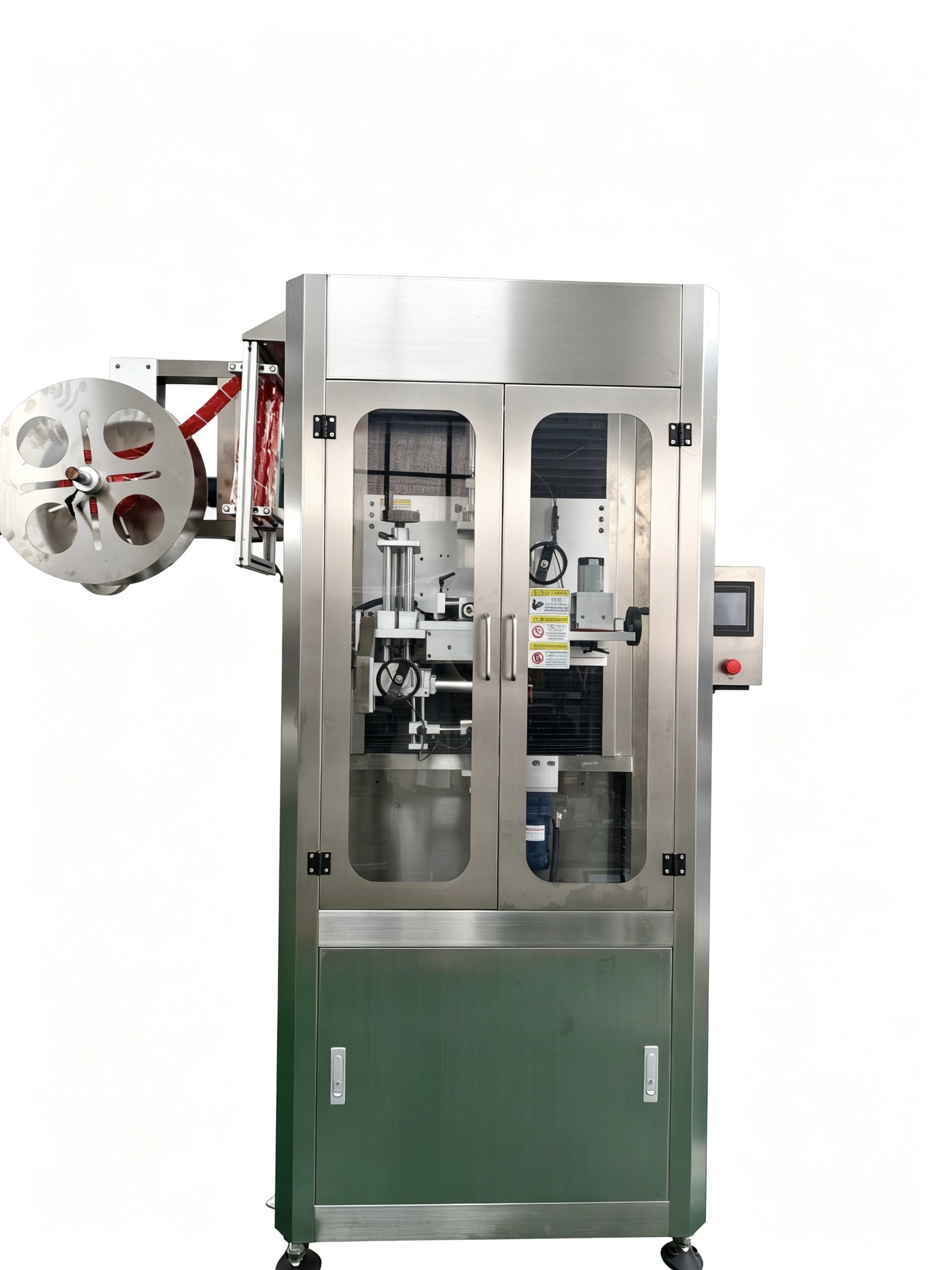
 Sleeve and shrink labeling machineLearn More →
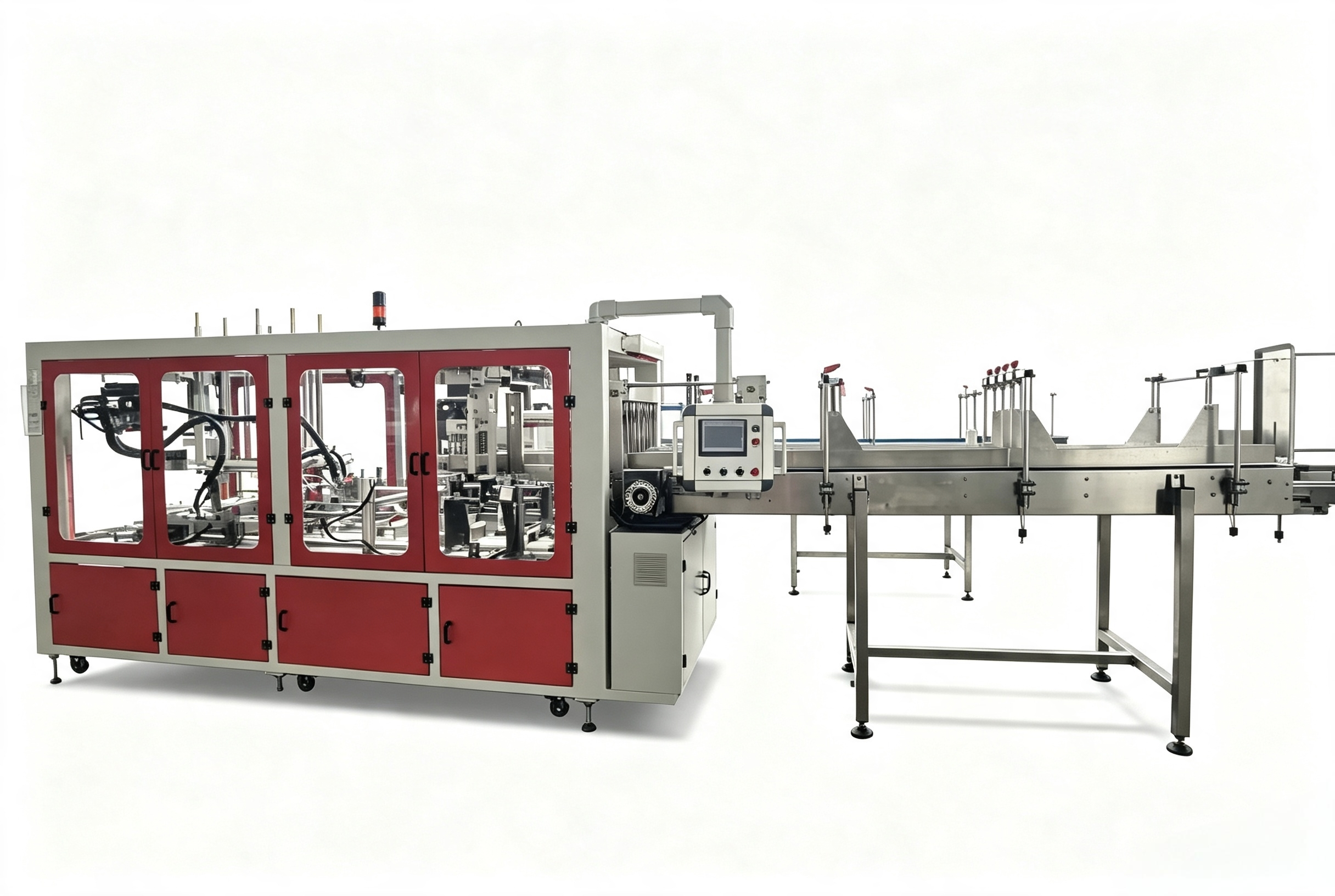
- Carton packing machineLearn More →
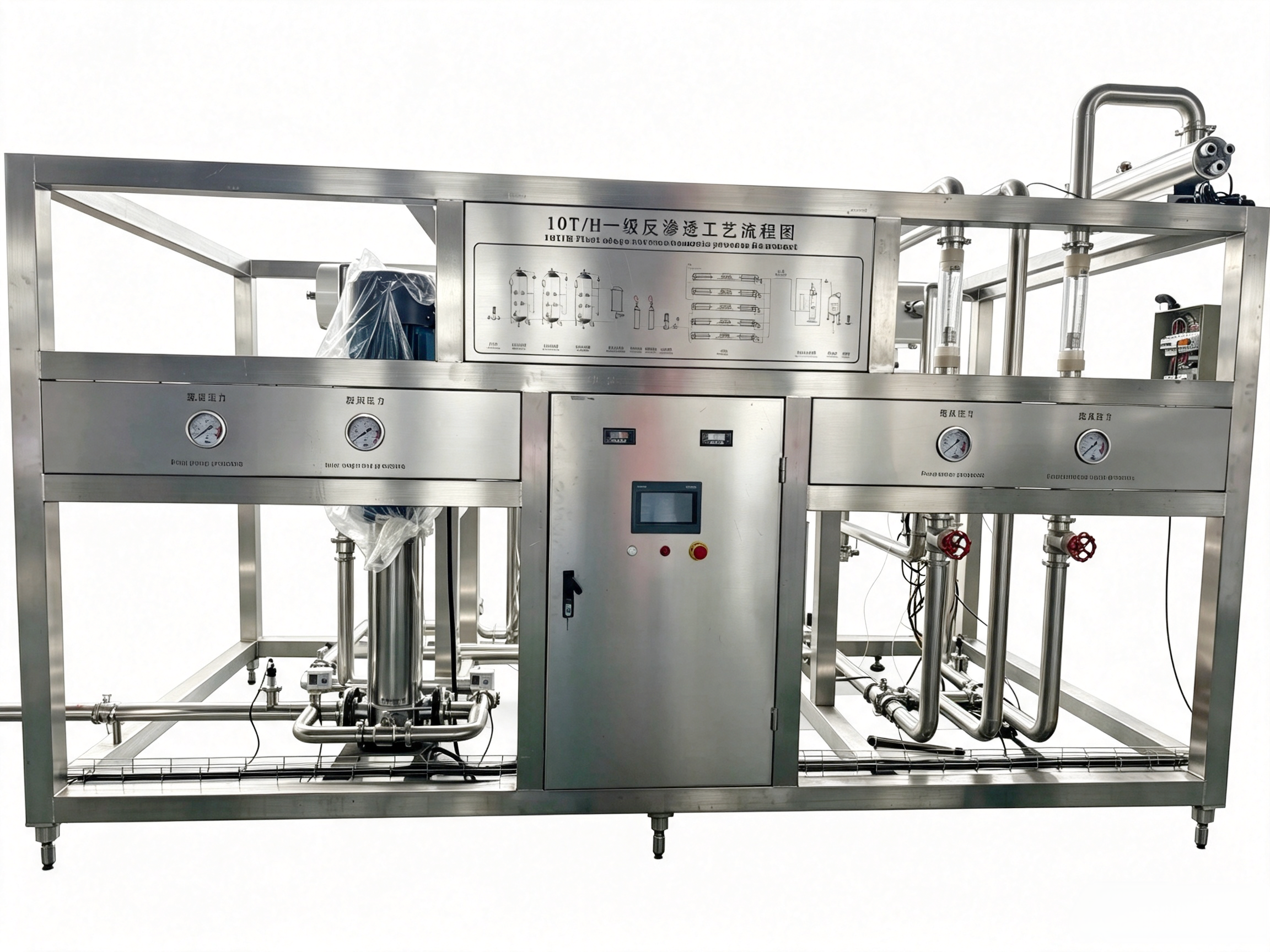
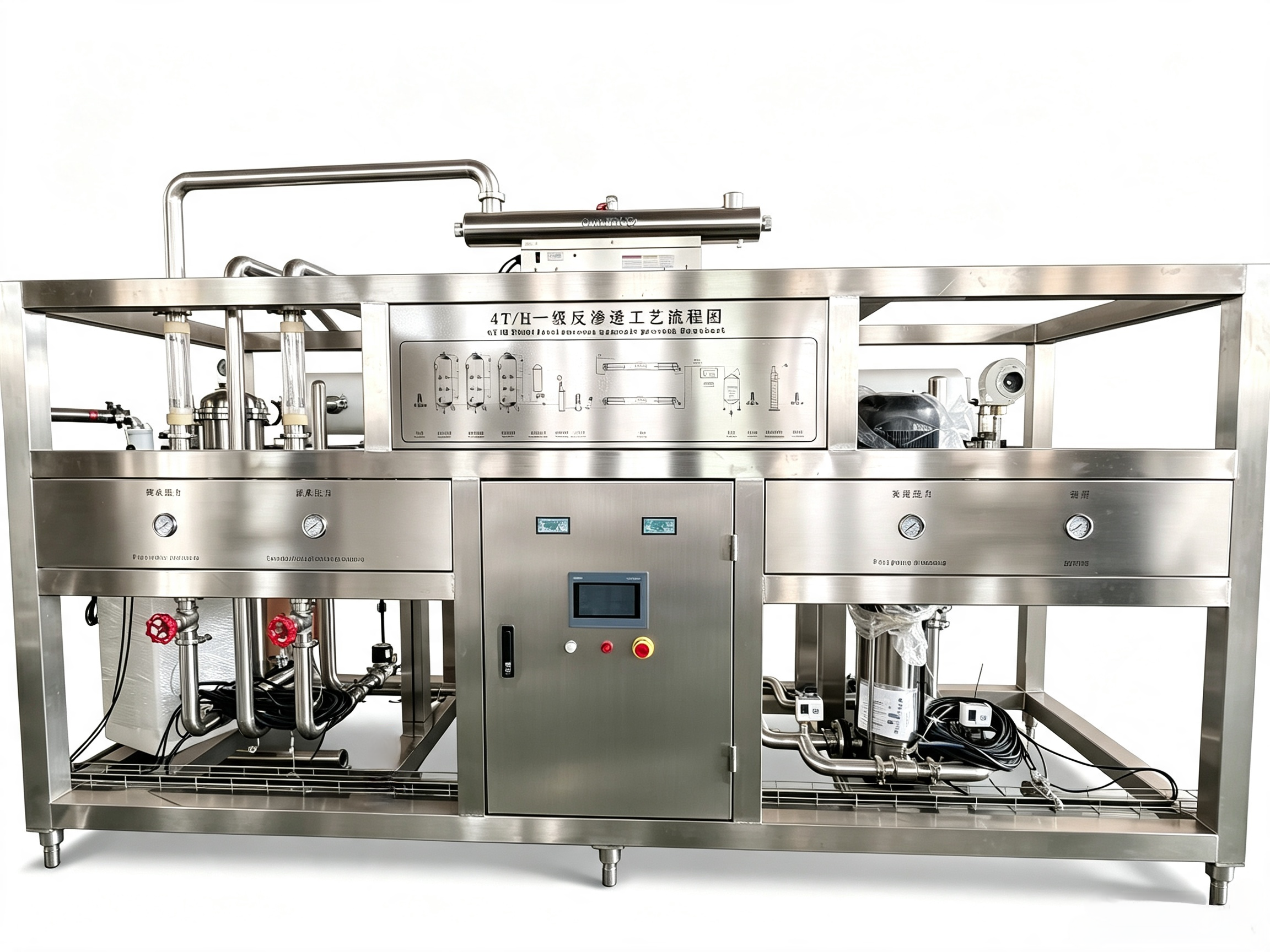
- Reverse osmosisLearn More →
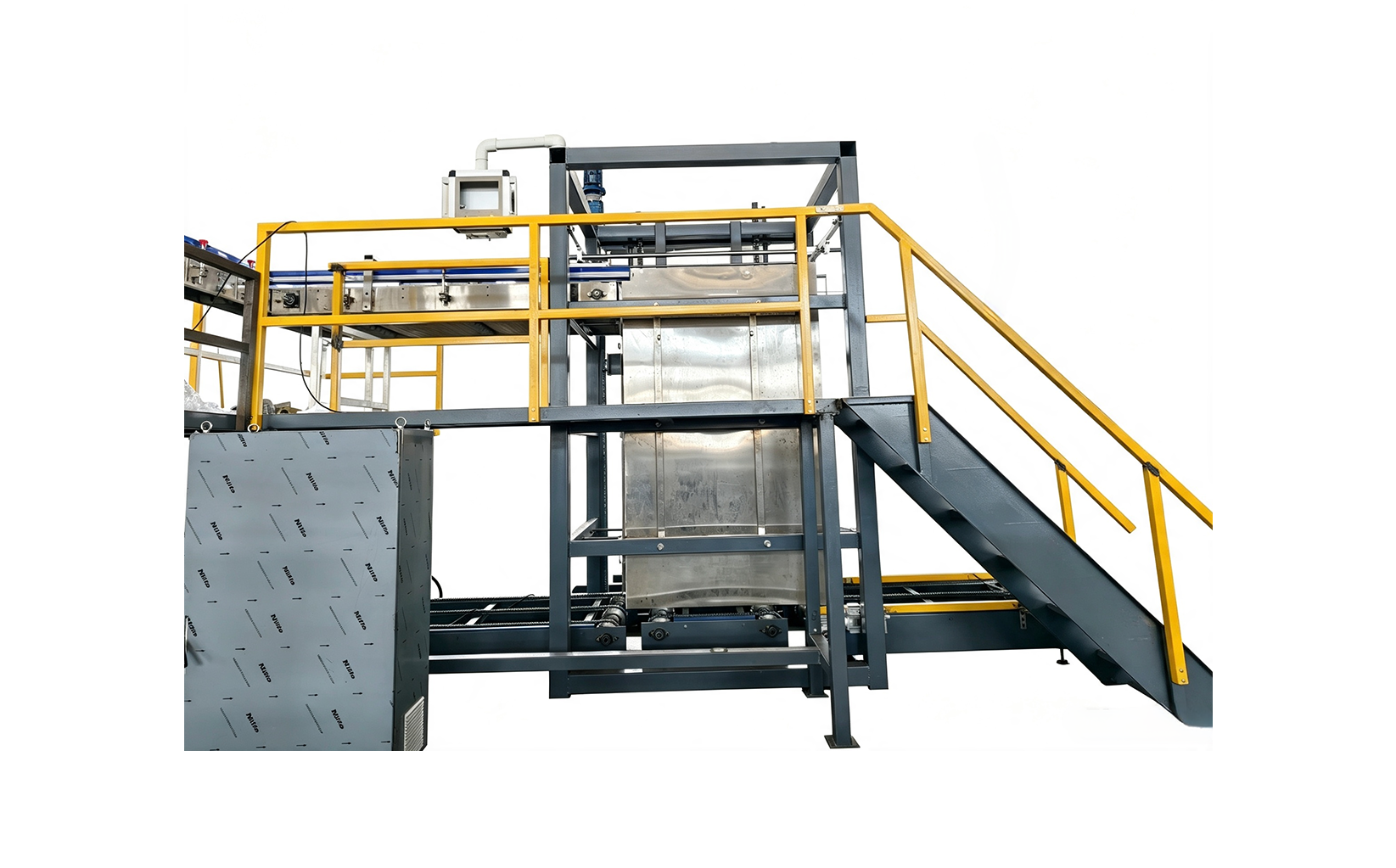
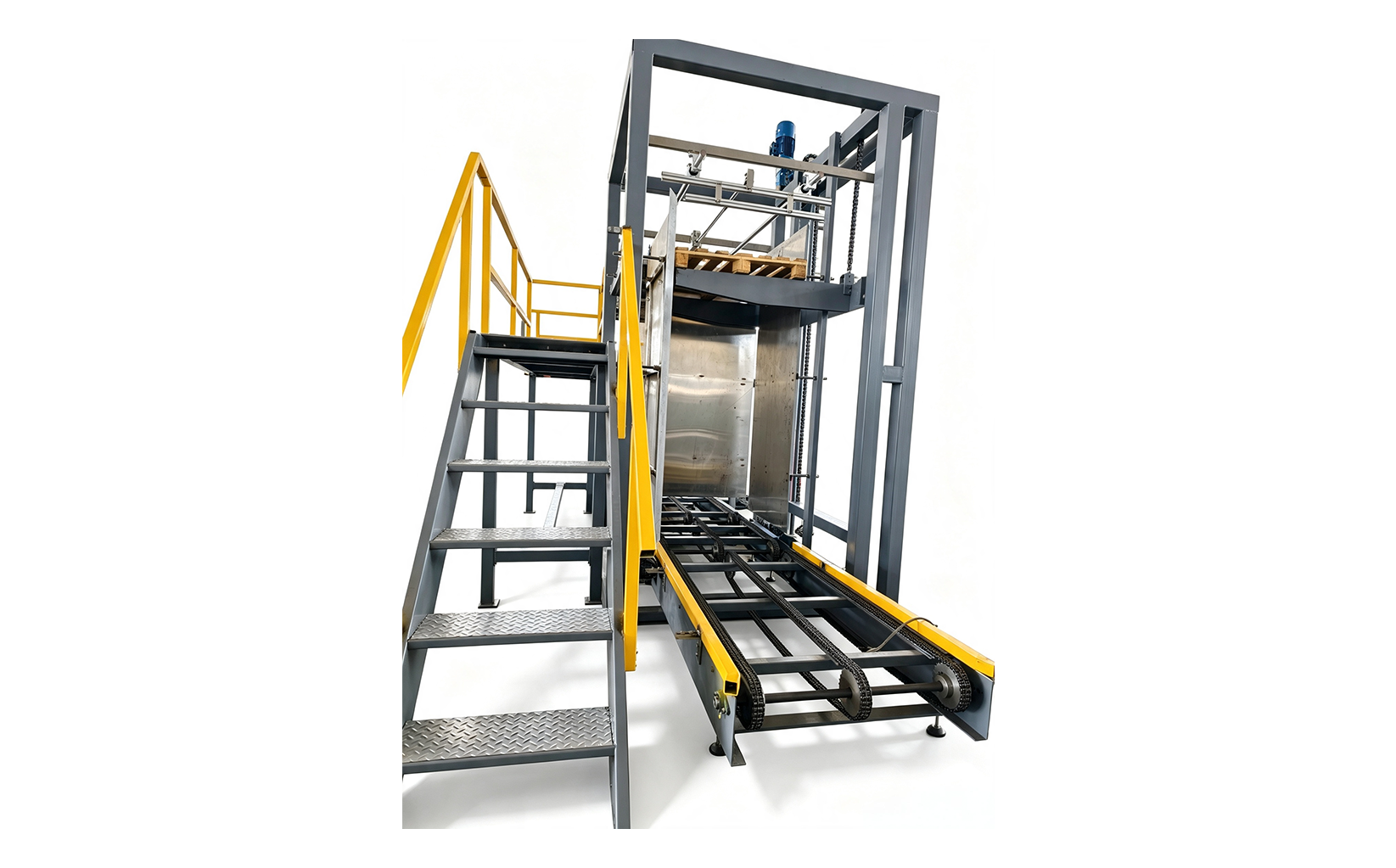
 DepalletizerLearn More →
Contact Us
Complete 2 easy steps below to get your factory matrix and a complimentary factory layout design within 24 hours.
Request Factory Price & Factory Layout Within 24h
Request Factory Price & Factory Layout Within 24h