



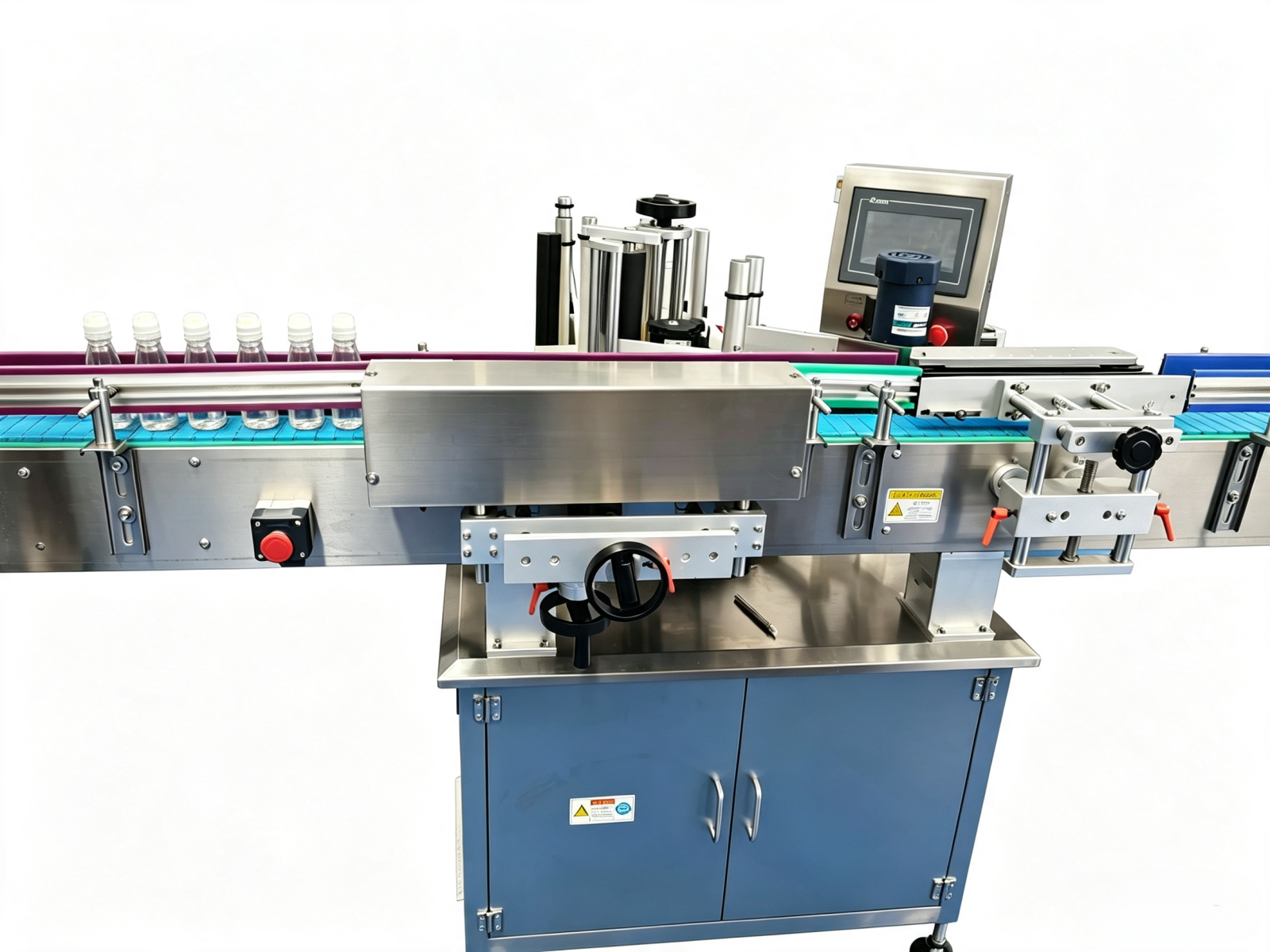
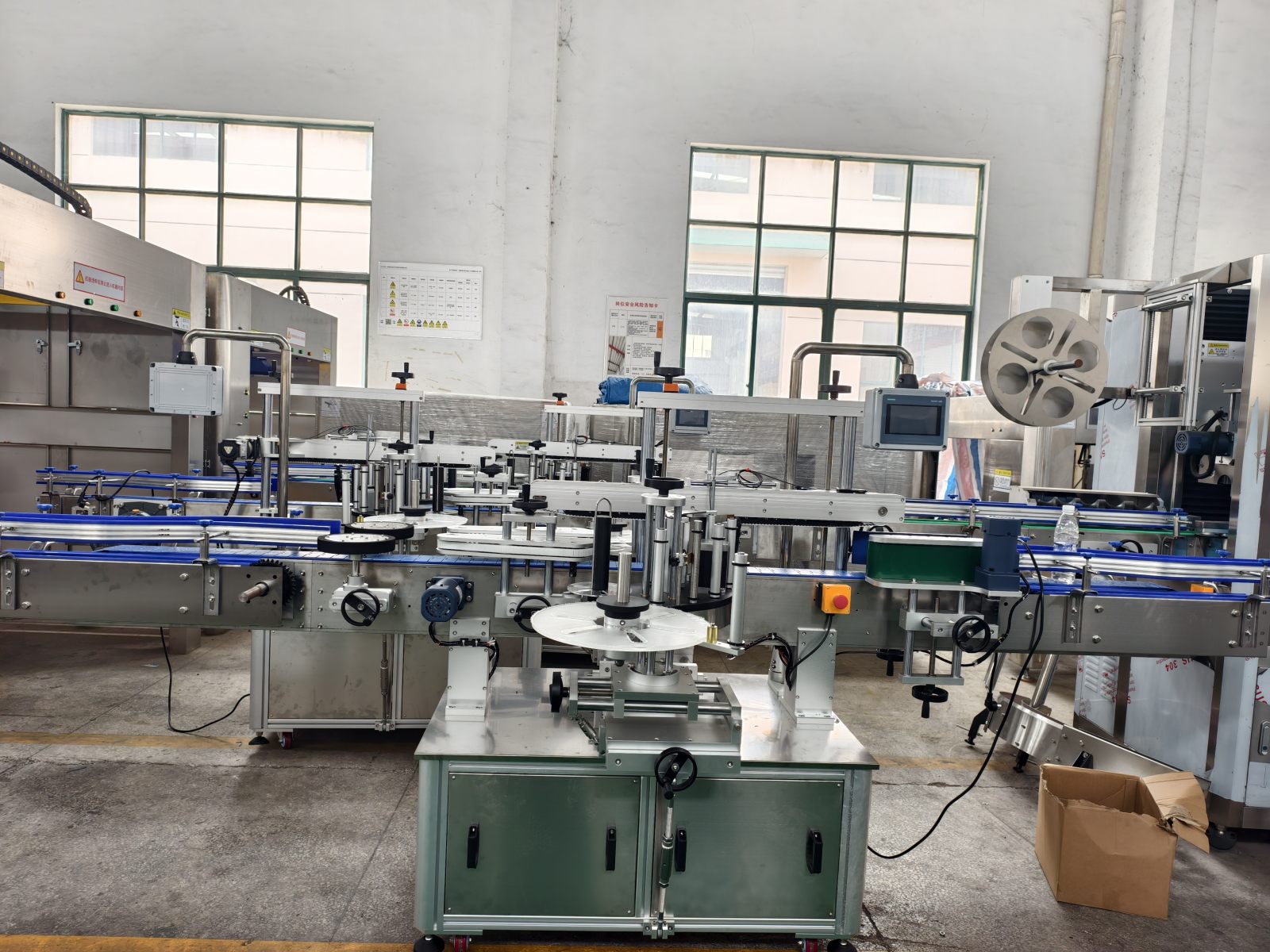
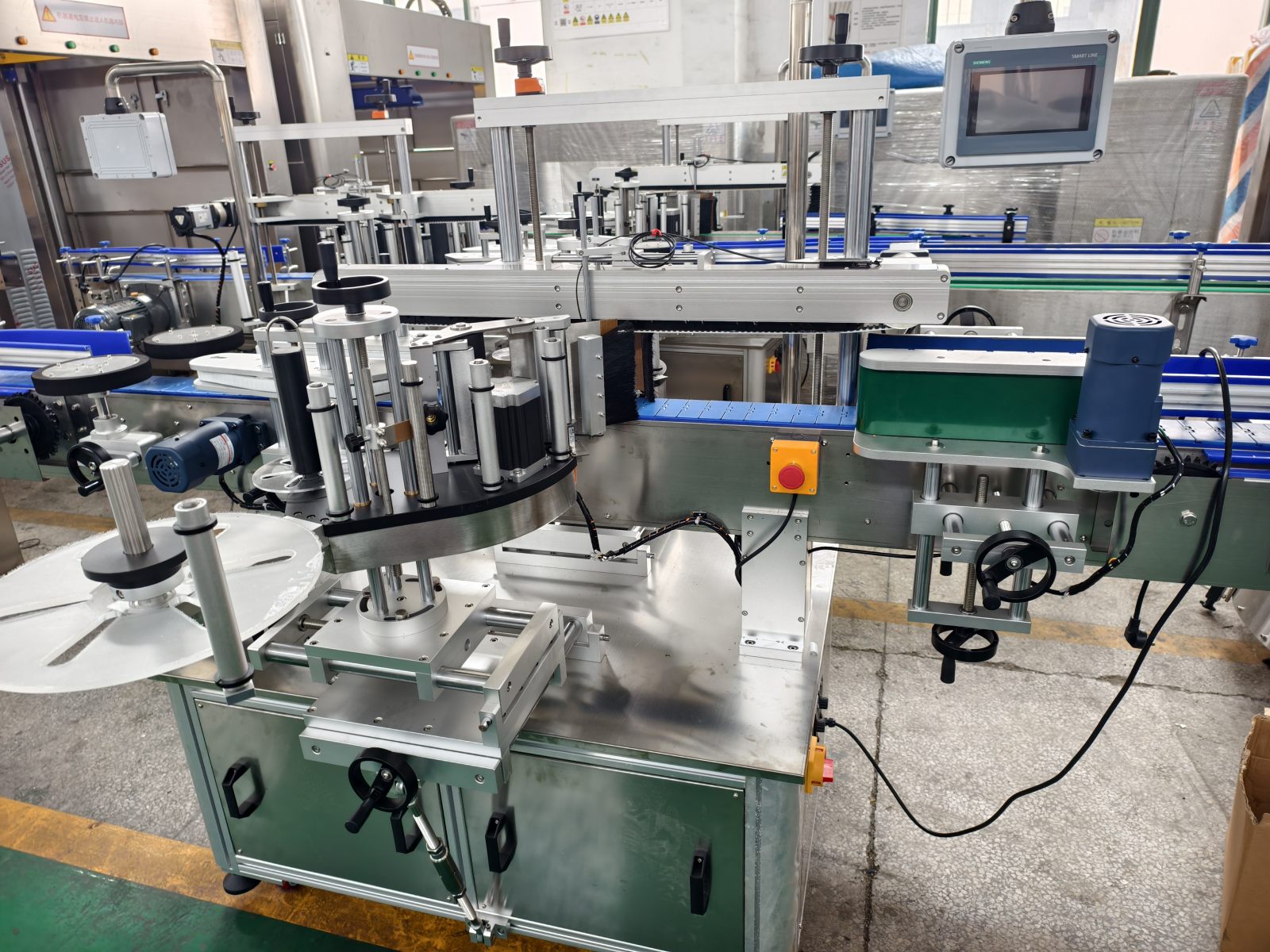
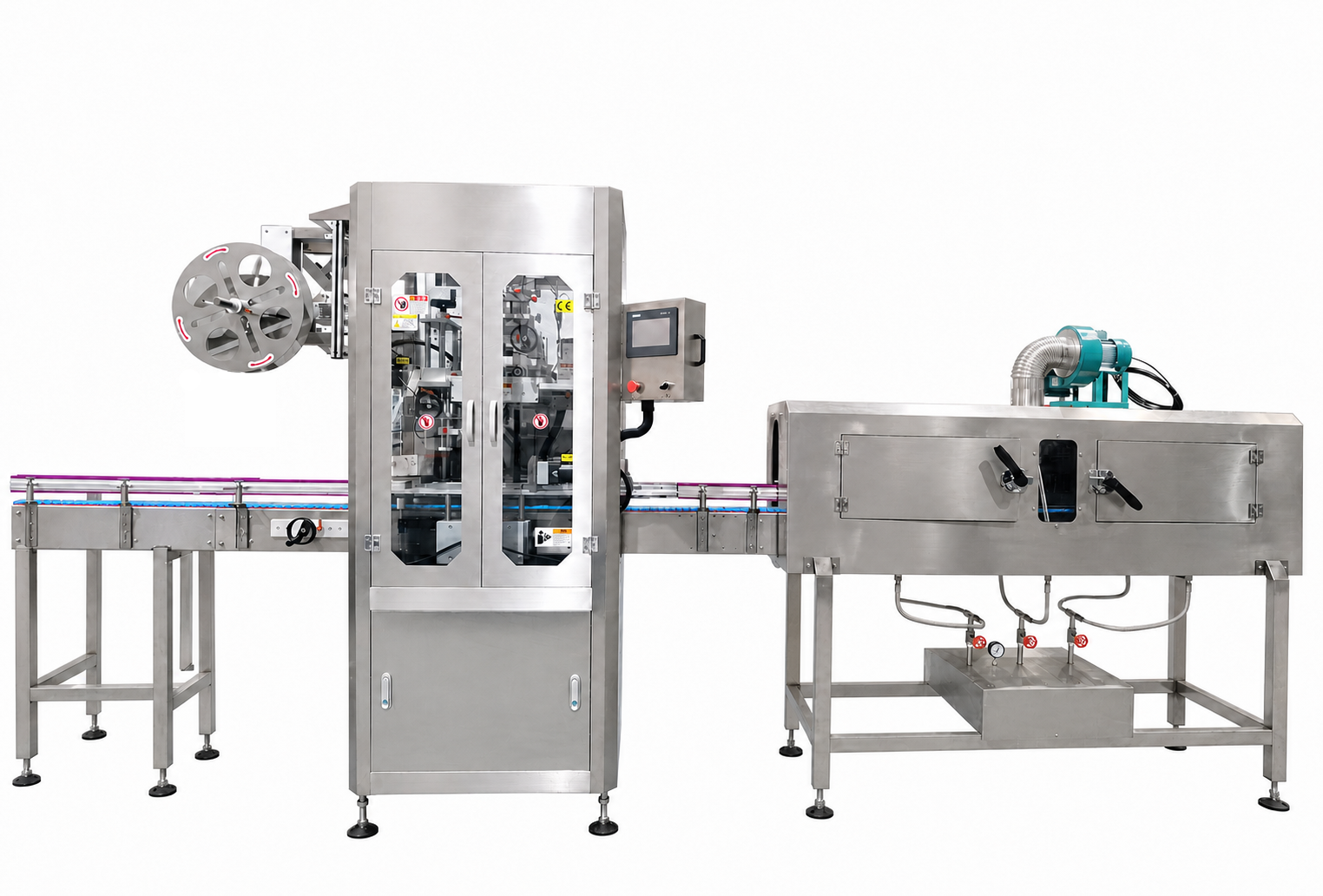
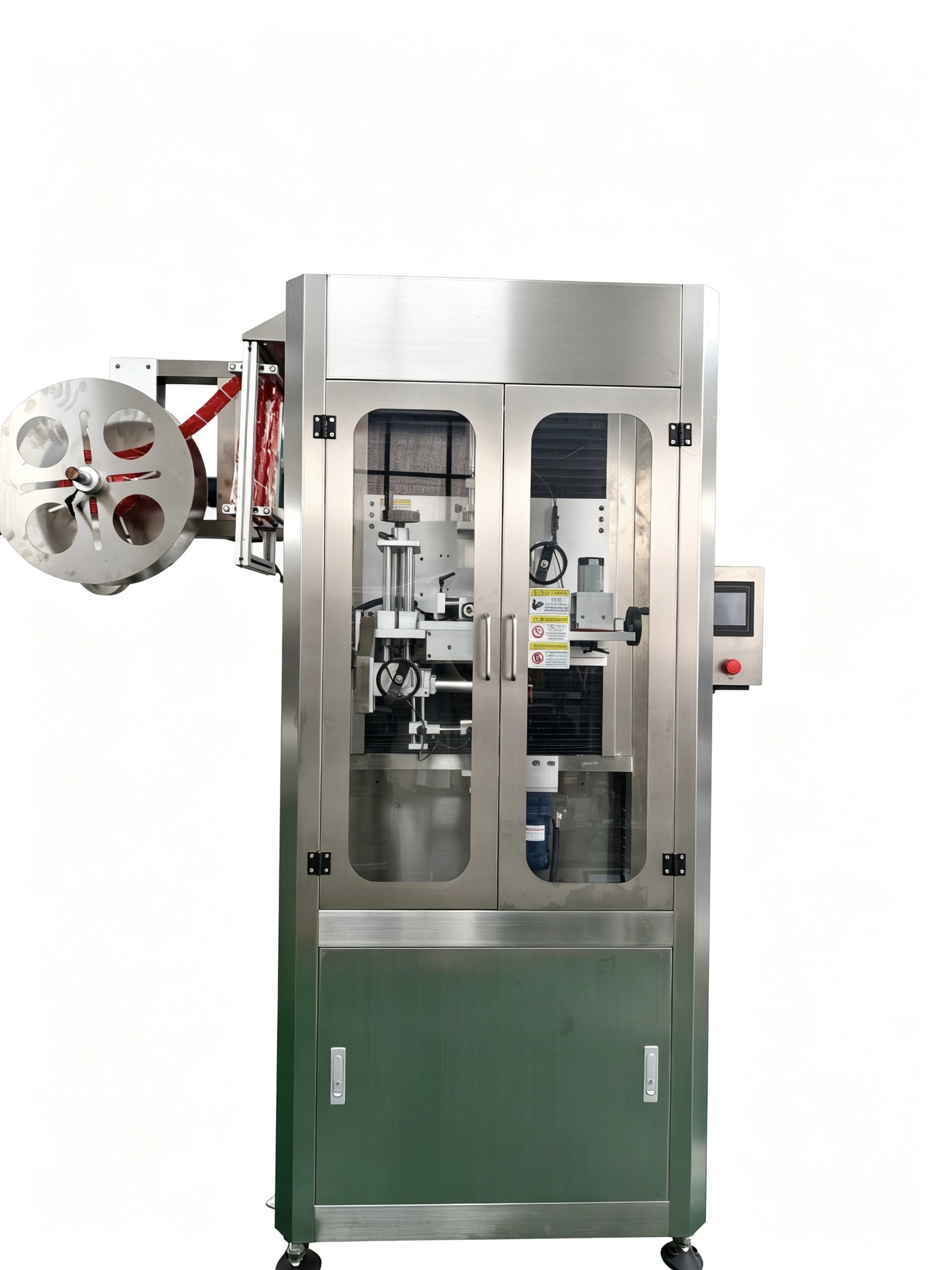
Sticker labeling machine

Product Value
01
Labels are applied smoothly and precisely (single-sided, double-sided, or top/bottom); text and graphics remain undistorted; ideal for basic product information and branding; ensures a consistent high-quality yield.
02
Highly adaptable to various container types: Suitable for round, flat, and square bottles, irregularly shaped containers, and cartons; supports single-label, dual-label, and positional (registered) labeling.
03
Uses readily available, standard self-adhesive roll labels; requires no heat-shrink tunnel and eliminates energy consumption associated with steam or hot air.
Applicability boundaries

Containers
Rigid, stable workpieces such as round, square, or flat bottles, metal cans, paper boxes, flat components, small tubular parts, etc.

Labels
Self-adhesive roll labels (coated paper, synthetic paper, PET, matte silver polyester, transparent film labels).

Application
Single-sided, double-sided, top, or bottom labeling; does not require full wrapping or tamper-evident seals.
Working Principle
Unwinding of self-adhesive label roll → backing paper peeling → workpiece positioning and transport → pressure roller applies label to product surface → smoothing and air bubble removal.
Core components
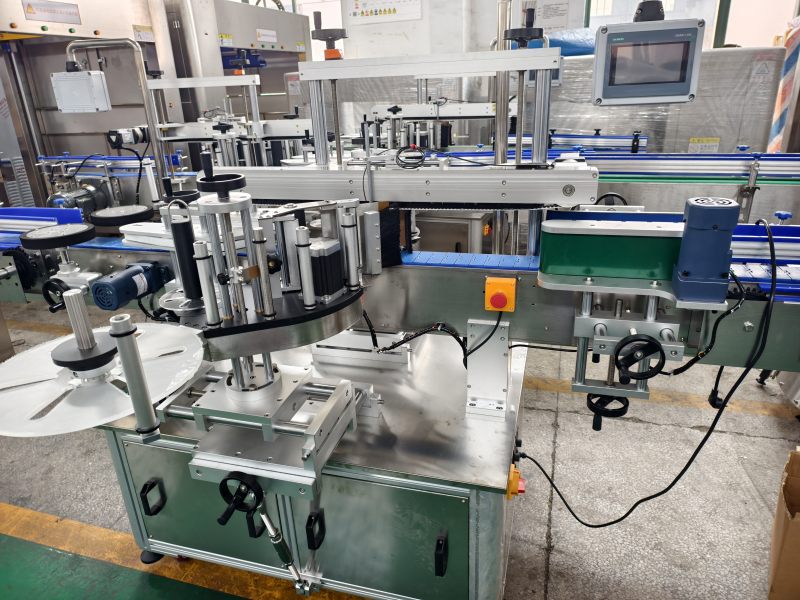
Label Unwinding Unit+Label Peeling Plate
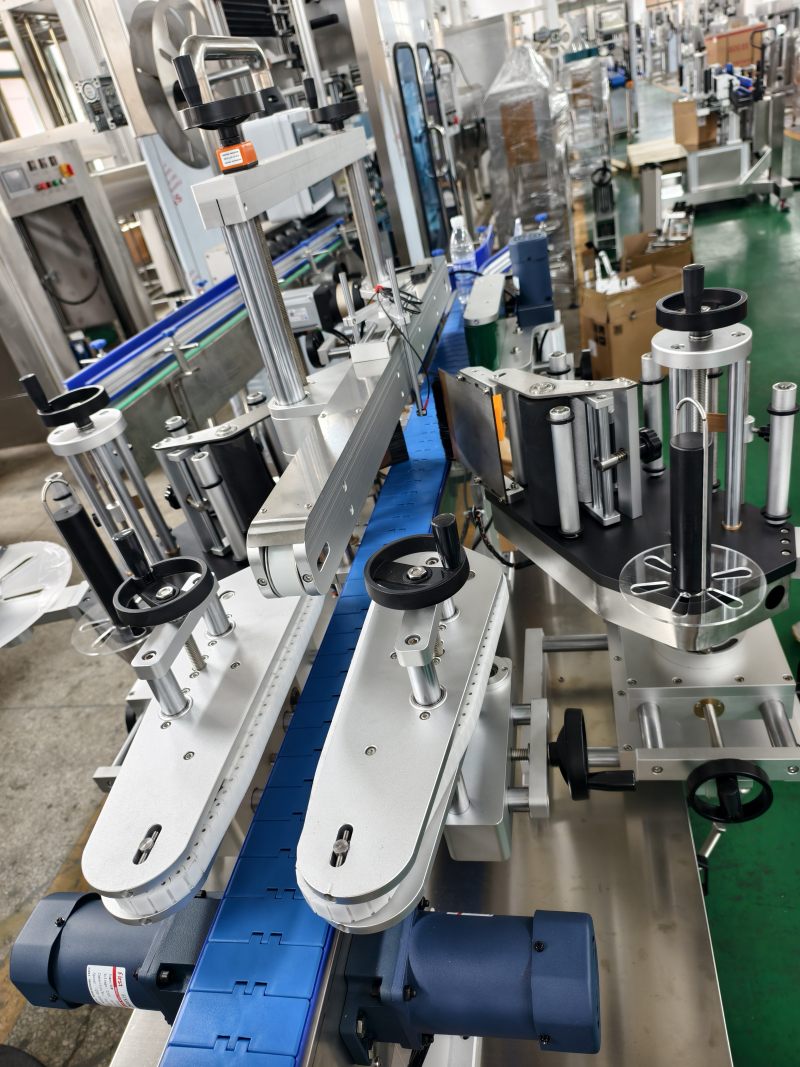
Reel holder and damping/servo unwinding mechanism; prevents label stretching and slippage.
Traction Servo & Backing Paper Rewind Assembly
Controls label feed length and dispensing precision; the core component for labeling accuracy.
Photoelectric/Color Mark Sensors
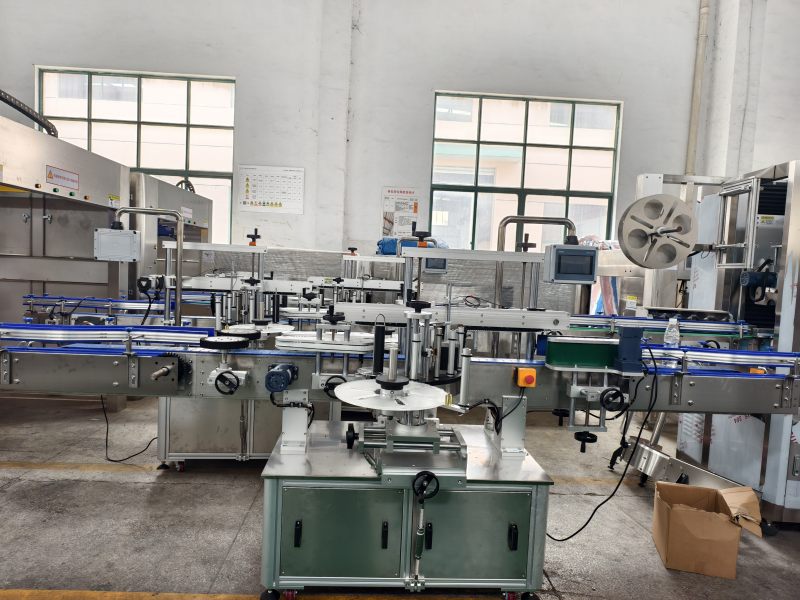
Detects products and identifies label gaps to control the timing of label dispensing.
Label Pressing Roller & Smoothing Brush
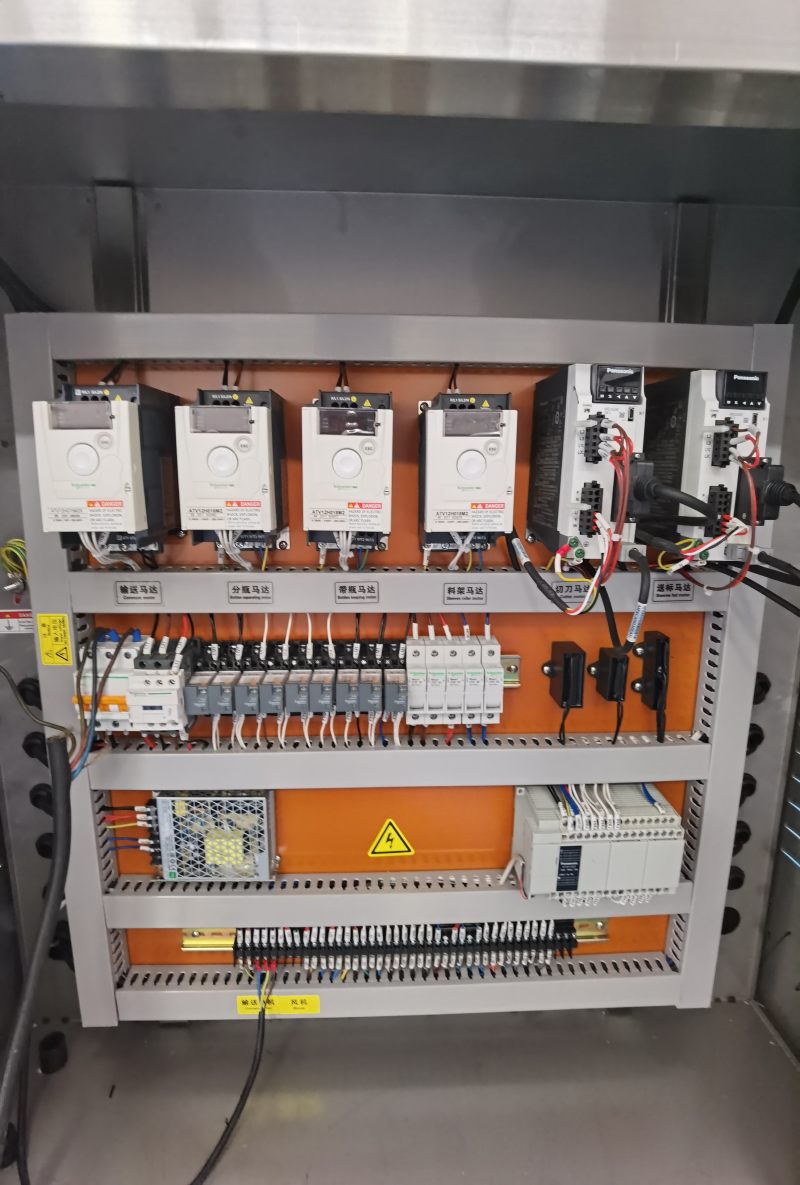
Presses labels firmly, eliminates air bubbles, and smooths down any lifted edges.
Optional
01
Dual-sided labeling module (simultaneous front and back labeling)
02
Rotary positioning labeling (precise alignment for round bottles; e.g., aligning a design with a graduation mark)
03
Top/bottom labeling heads (simultaneous labeling of top and bottom surfaces)
Changeover/Cleaning/Maintenance
Changeover
Ensure safety via lockout/tagout; replace bottle guide rails, infeed screws, and label-pressing wheels; load the recipe via the HMI and adjust label dispensing length, trigger delay, and conveyor speed; perform a test run to calibrate label positioning, verify the absence of air bubbles or skewed labels, and save the parameters.
Maintenance
Daily checks: label web tension, cleanliness of photoelectric sensors, and wear on pressure rollers. Weekly checks: drive belts and bearing lubrication; remove adhesive residue. Monthly tasks: tighten fasteners and clean dust from electrical control components; maintain a stock of wear parts such as label-peeling plates, pressure rollers, and brushes.
Can positional labeling be performed on round bottles
Yes. By installing a positioning photoelectric sensor or encoder, fixed-point labeling around the circumference can be achieved—suitable for aligning logos or scale marks.
What causes label wrinkling, air bubbles, or edge lifting?
Causes include an unclean workpiece surface, insufficient labeling pressure, a mismatch between labeling speed and conveyor speed, a worn-out label dispensing plate, or label material that is too rigid.
Can transparent self-adhesive labels be used?
Yes, but a specialized sensor for transparent labels is required; standard sensors cannot detect the gaps between transparent labels.
Contact Us
Complete 2 easy steps below to get your factory matrix and a complimentary factory layout design within 24 hours.
Request Factory Price & Factory Layout Within 24h
Request Factory Price & Factory Layout Within 24h