


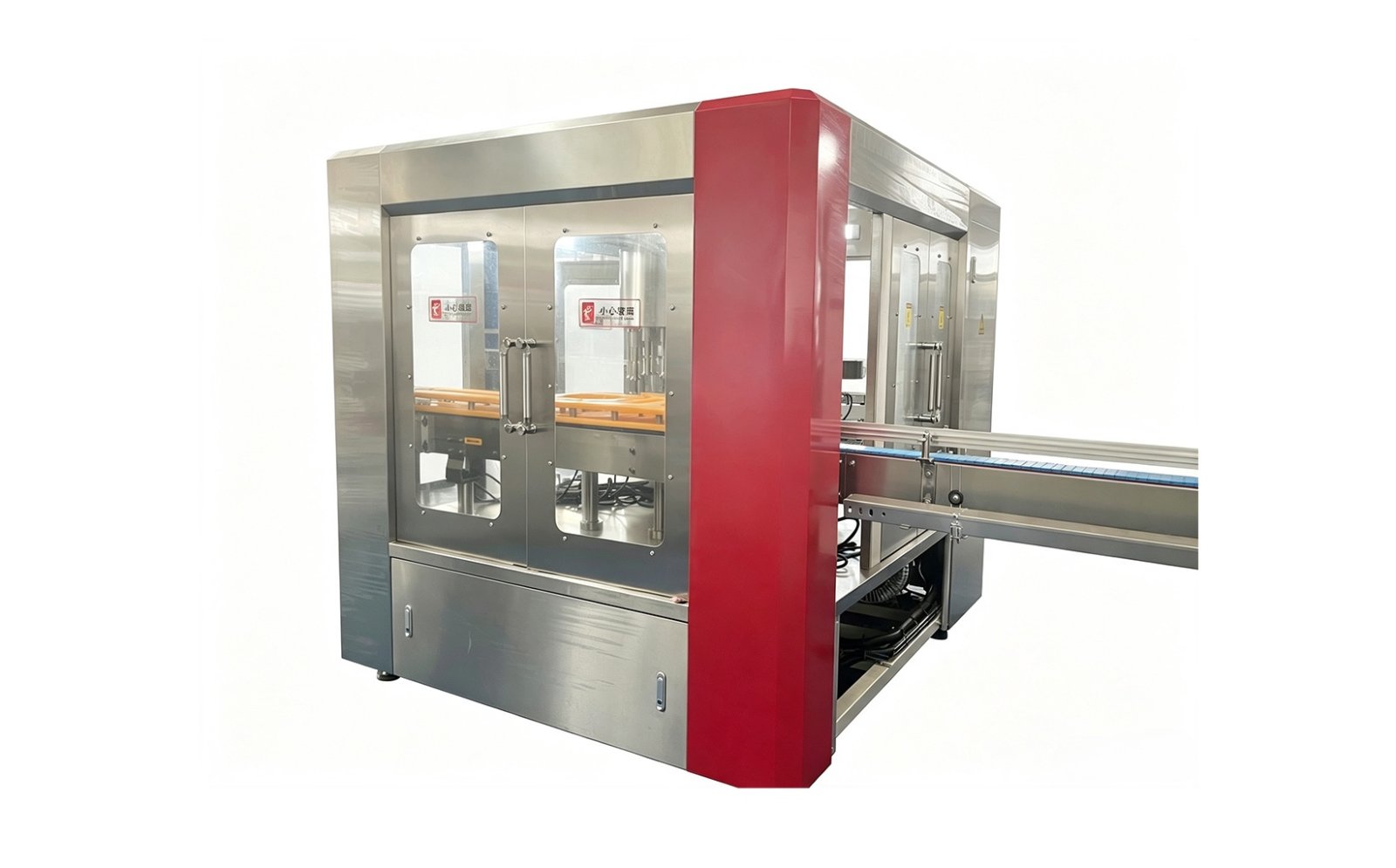
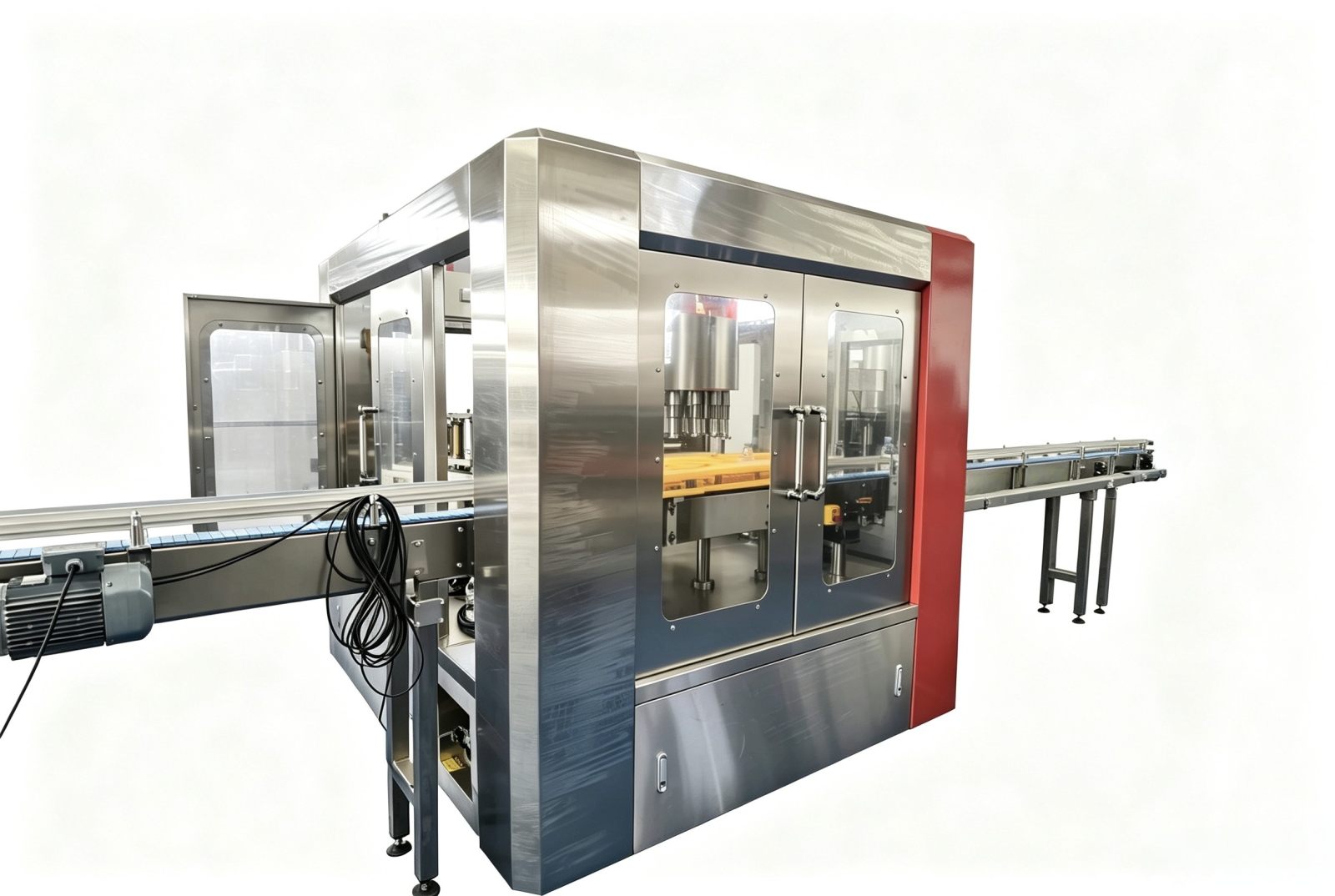
opp labeling machine opp

Product Value
01
Significantly lower label material costs: Uses affordable OPP/BOPP film with hot-melt adhesive applied only at the leading and trailing edges; minimal adhesive consumption results in a total labeling cost over 30% lower than self-adhesive or sleeve labeling for high-volume production lines.
02
Ultra-high line speeds, suitable for large-scale beverage production lines.
03
Smooth, flat full-wrap application with no heat-shrink deformation.
04
Supports full-wrap labeling for a seamless, integrated appearance.
Applicability boundaries

Containers
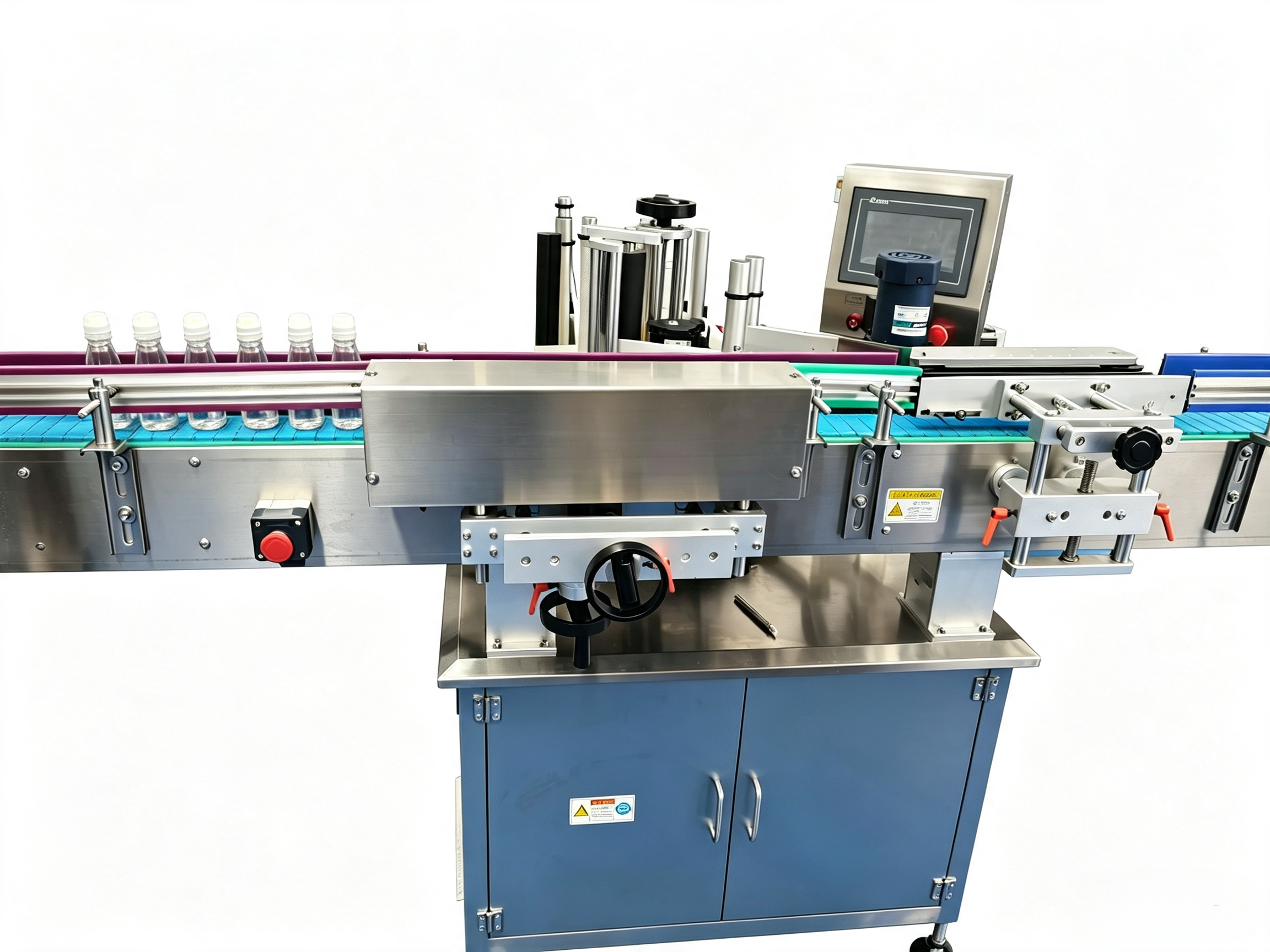
Primarily rigid round bottles (PET, glass, or metal cans); select models support standard square or oval bottles.

Labels
OPP/BOPP pearlescent film, paper-plastic composite film (supplied in rolls; hot-melt adhesive application).

Application
High-volume continuous production; full-wrap labeling; round bottles for drinking water, carbonated beverages, fruit juice, dairy products, and personal care/household products.
Working Principle
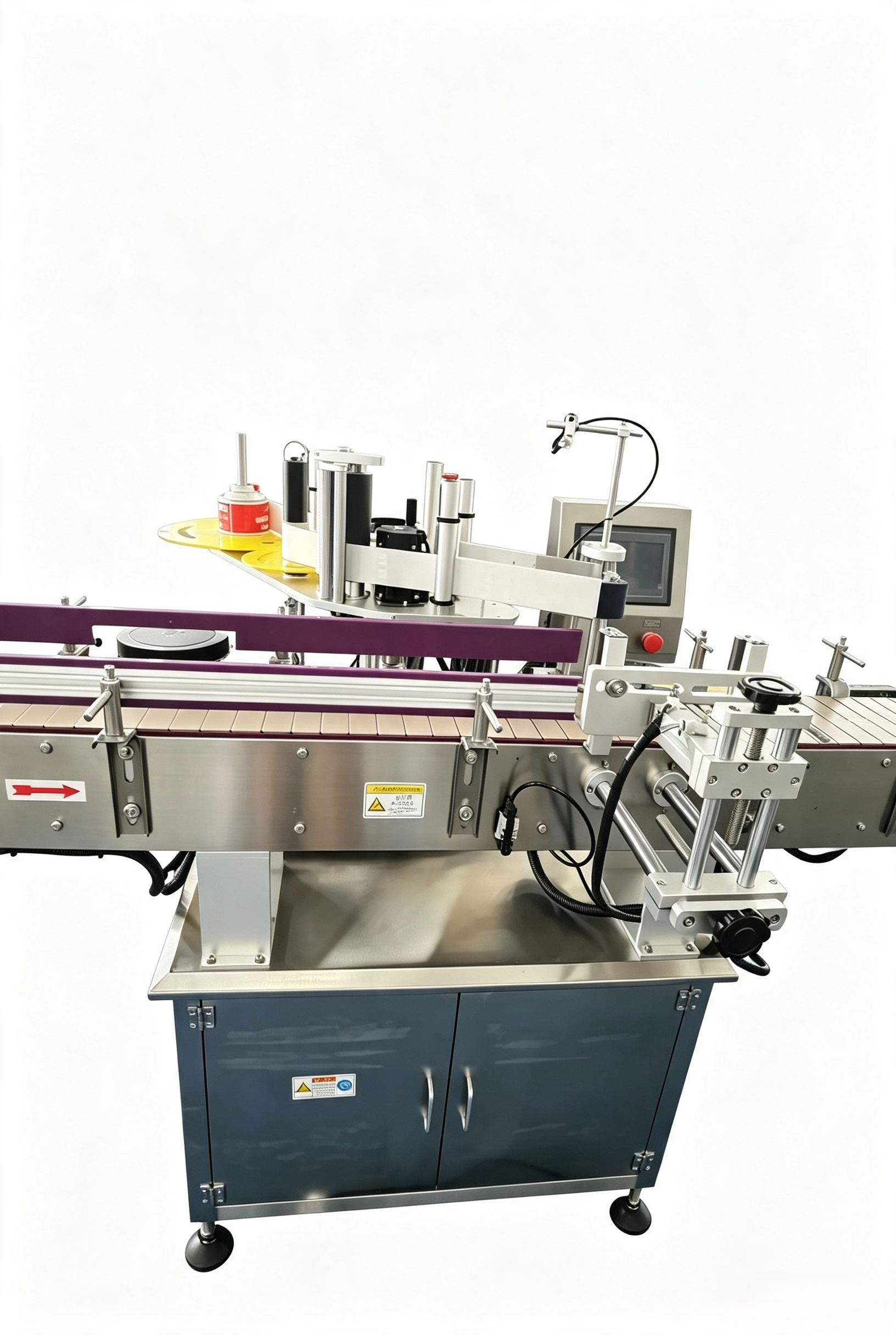
Servo-driven feeding of roll-fed OPP film → fixed-length cutting based on registration marks → vacuum drum label pickup → partial hot-melt adhesive application to label ends → positioning via starwheel/turntable and bottle rotation → label wrapping, overlap sealing, and smoothing/setting.
Core components
OPP unwinding + constant-tension film feeding assembly
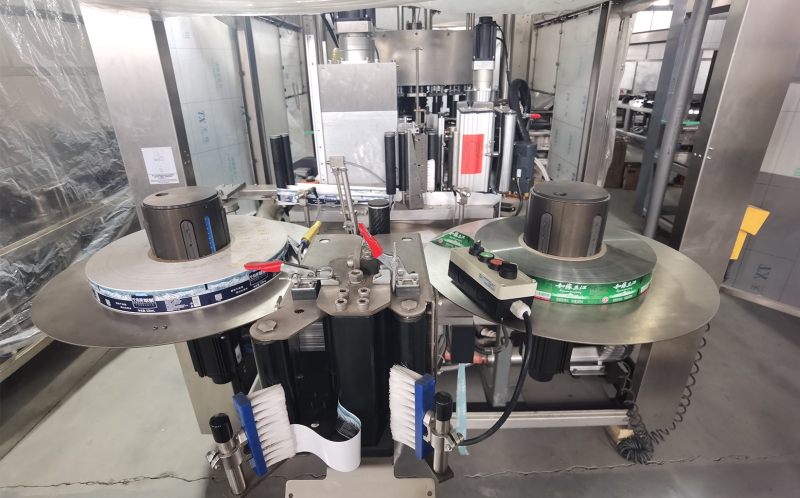
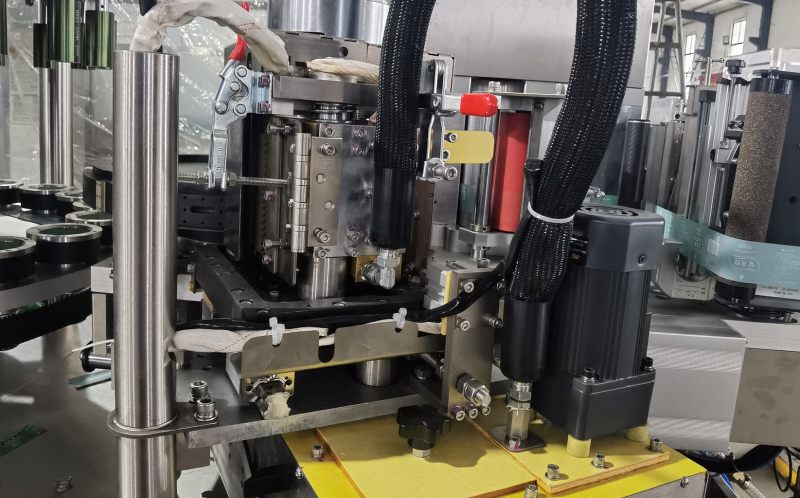
Servo label-cutting unit + registration mark sensor
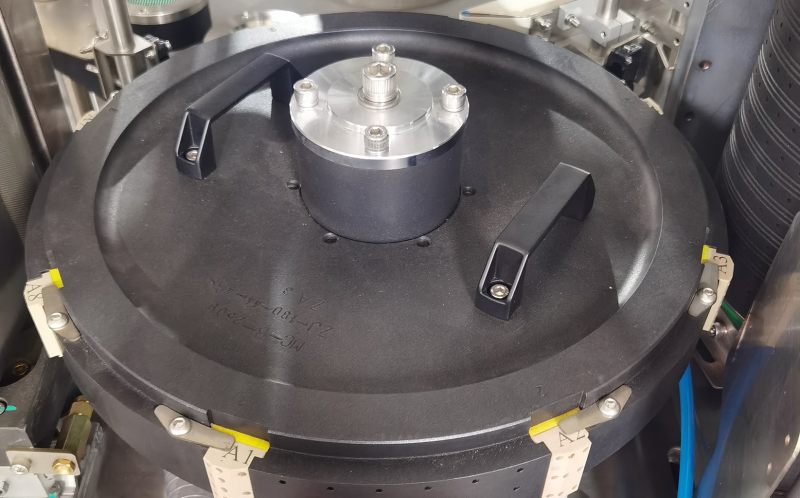
Vacuum suction drum
Hot-melt adhesive system
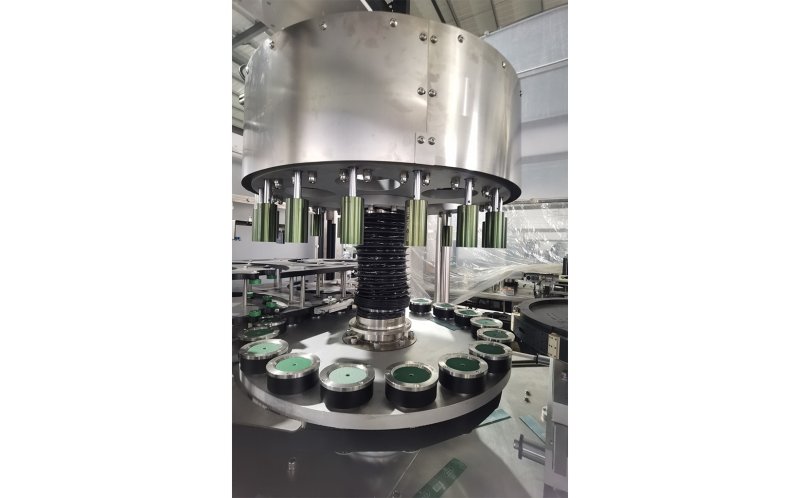
Infeed starwheel, spacing
Optional
01
Quick-change tooling for star wheels, bottle-pressing molds, and vacuum drums of various specifications
02
Auxiliary modules for adhesive path filtration, adhesive residue recovery, and automatic adhesive cleaning
03
Clean-room grade and explosion-proof configurations; bottle infeed/outfeed transfer tables or bottle unscramblers
04
Remote monitoring and line integration signal interfaces (for connection to the complete filling line)
Changeover/Cleaning/Maintenance
Changeover
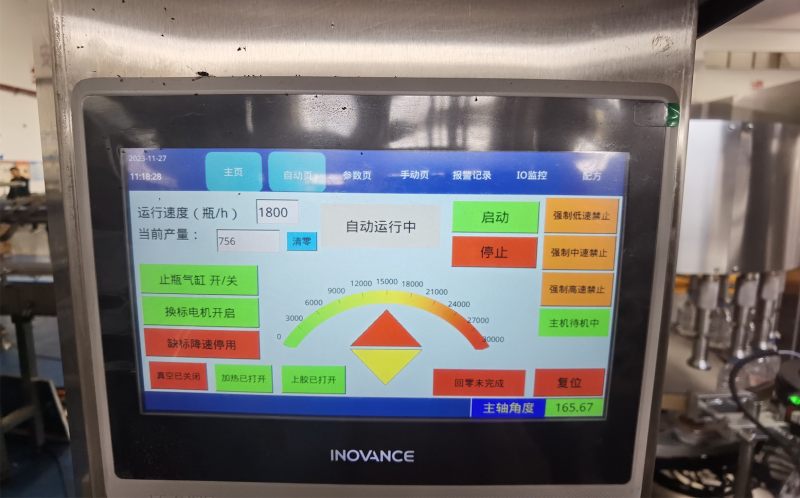
Ensure safety via machine lockout; replace the corresponding star wheel, bottle-infeed screw, bottle-centering mold, and vacuum drum tooling. Use the HMI to load the recipe and set parameters such as label length, film feed speed, adhesive temperature, and main machine speed. Conduct a test run to calibrate the registration mark and label overlap position; verify there is no edge lifting, then save the parameters.
Note: For significant changes in bottle size, the hot-melt adhesive system requires additional adhesive purging; changeovers take longer compared to self-adhesive labeling.
Cleaning
Clean adhesive rollers, adhesive circuits, and the vacuum drum to remove residual adhesive and OPP film scraps at the end of each shift. Wipe down photoelectric sensors, label-pressing rollers, and star wheels daily. Perform a thermal purge of the adhesive circuits according to protocol after shutdown to prevent the hot-melt adhesive from cooling, solidifying, and causing clogs. Do not spray water directly onto electrical control units, servo motors, or vacuum valves.
Maintenance Daily
Check adhesive temperature, vacuum pressure, registration sensors, and label seam quality. Weekly: Lubricate turntable bearings and drive gears; inspect adhesive rollers for wear and check for clogged vacuum holes. Monthly: Tighten synchronization mechanisms, clean dust from electrical control cabinets, and calibrate servo synchronization. Maintain a stock of wear parts such as cutting blades, adhesive rollers, seals, and vacuum suction plates.
How do I choose between an OPP hot-melt labeling machine and a self-adhesive labeling machine?
Choose OPP hot-melt for: high-volume round bottles, full-wrap labels, a desire to minimize label material costs, and acceptance of hot-melt adhesive maintenance. Choose self-adhesive labeling for: small-to-medium batches, single- or double-sided partial labeling, frequent SKU changes, and a preference to avoid dealing with hot-melt adhesives.
How do I choose between an OPP hot-melt labeling machine and a shrink-sleeve labeling machine?
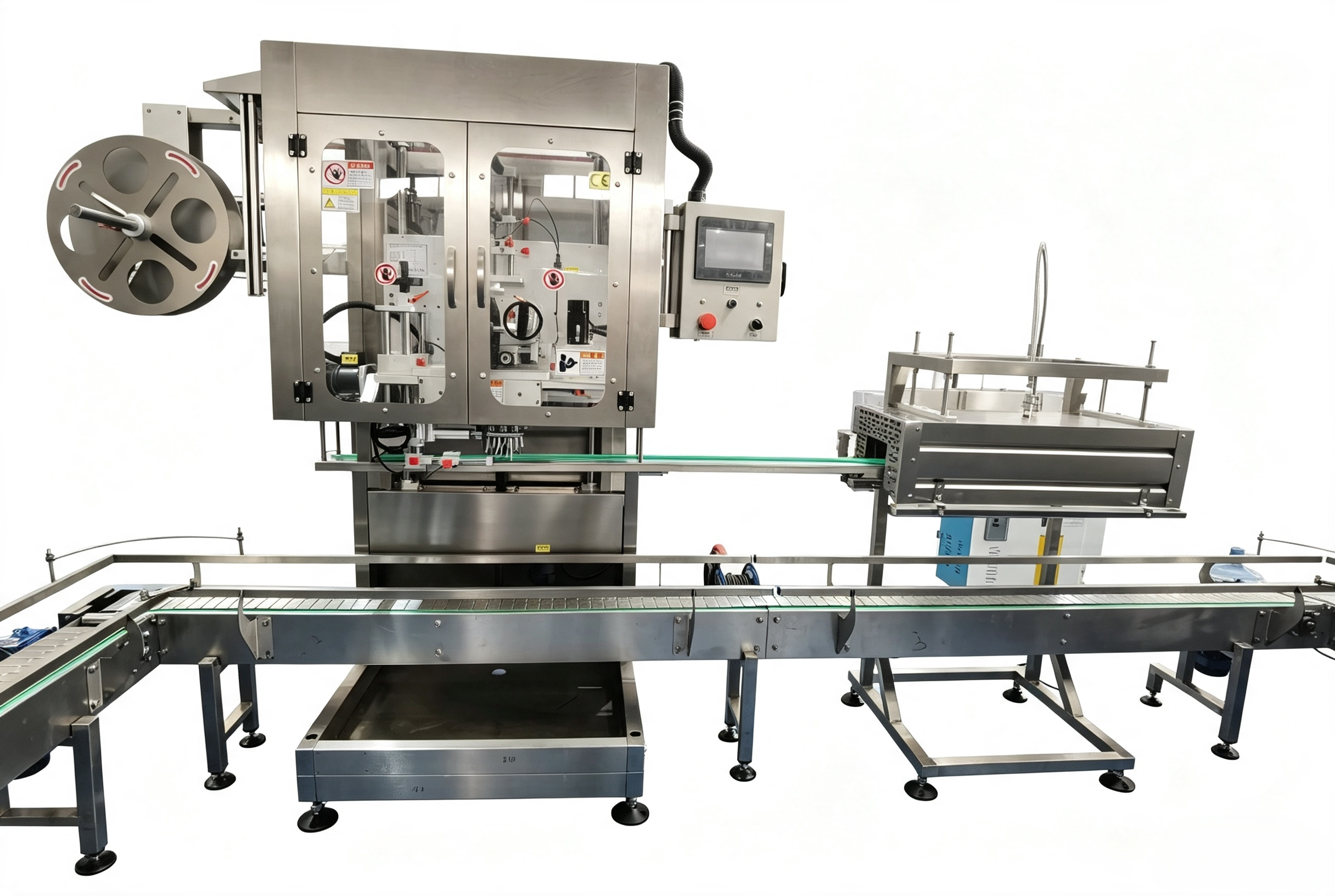
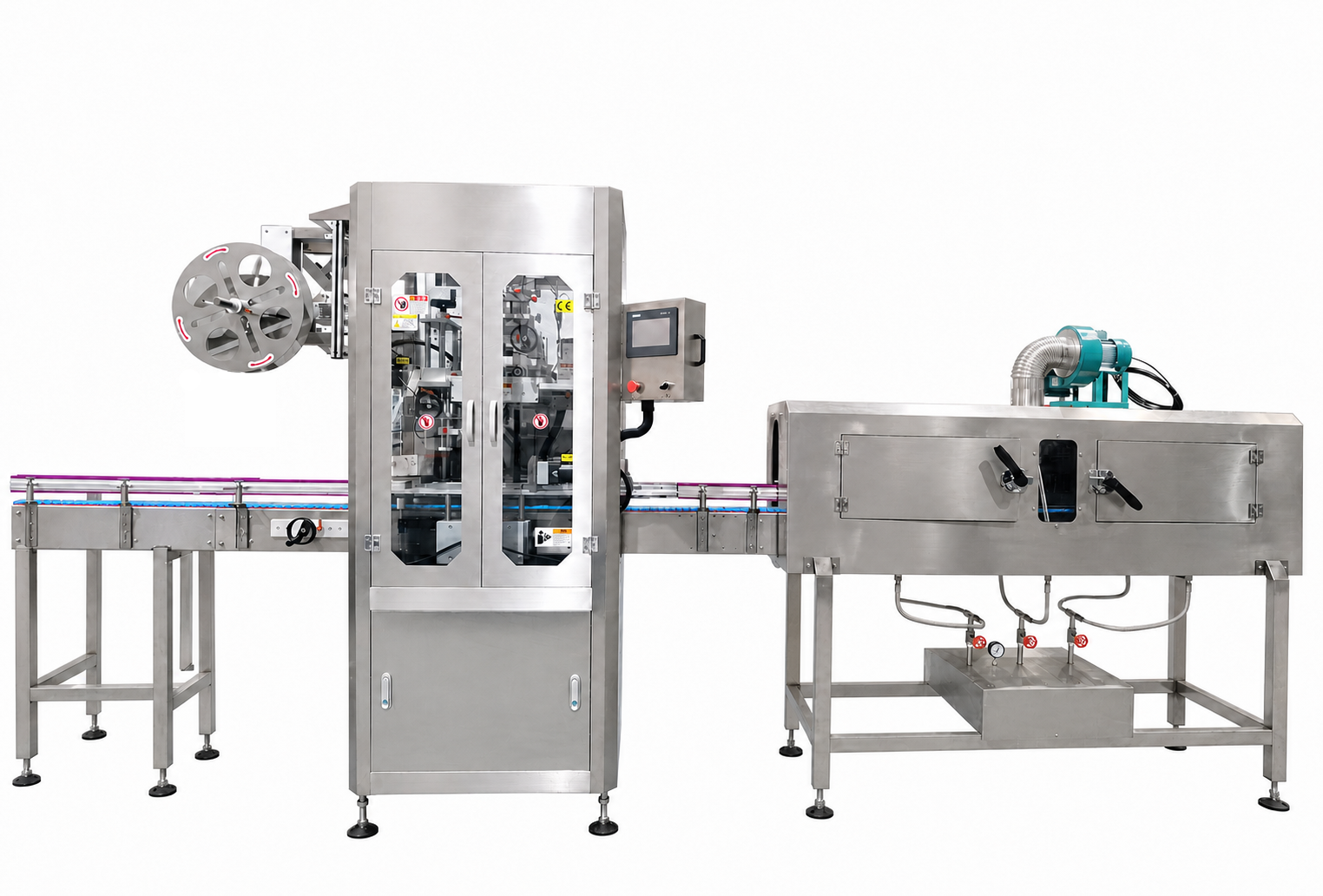
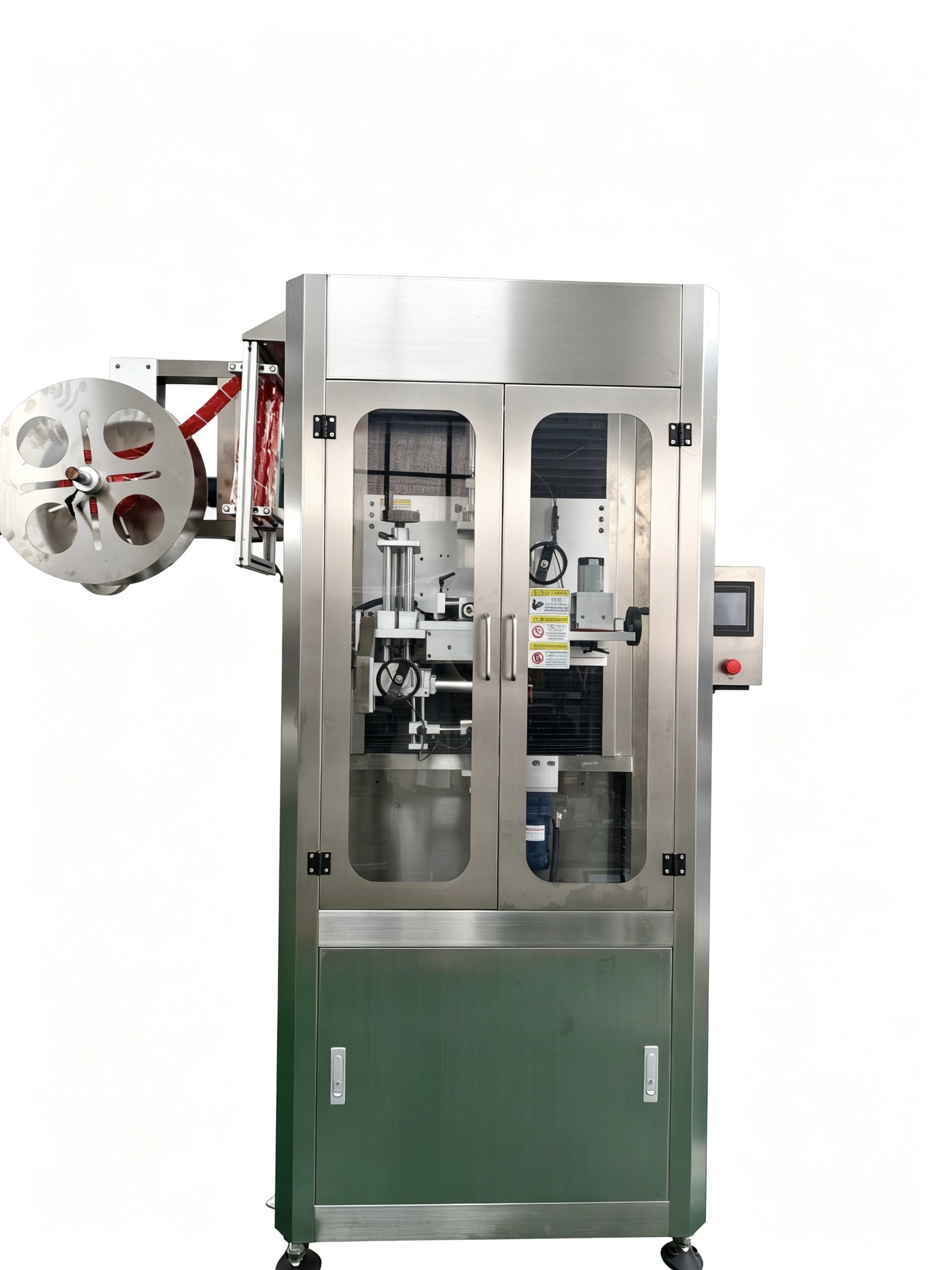
OPP hot-melt: No shrink tunnel required, lower label material costs, and a flat, undistorted label surface. Shrink-sleeve: Supports tamper-evident bands and accommodates a wider range of irregular bottle shapes; uses shrink-film labels and requires a steam or hot-air tunnel.
Can it apply transparent OPP film?
Yes; use high-contrast registration marks and a registration sensor compatible with transparent film.
Can OPP hot-melt labeling be used for square bottles?
Customization is possible only for regular, square-shaped bottles that can rotate stably; it is not recommended for irregularly shaped or sharply angled square bottles, as the label seam is prone to misalignment or lifting.
Contact Us
Complete 2 easy steps below to get your factory matrix and a complimentary factory layout design within 24 hours.
Request Factory Price & Factory Layout Within 24h
Request Factory Price & Factory Layout Within 24h