


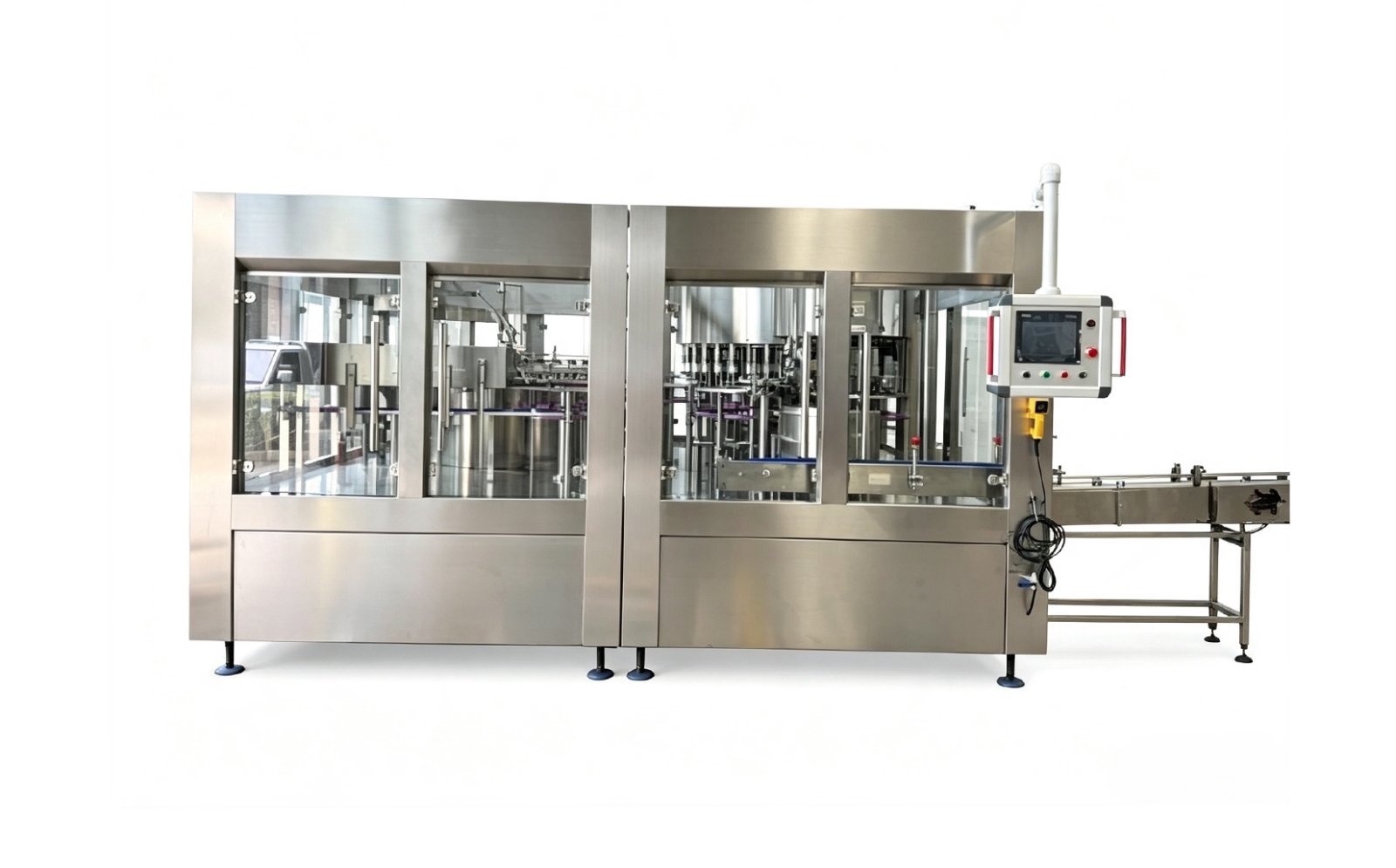
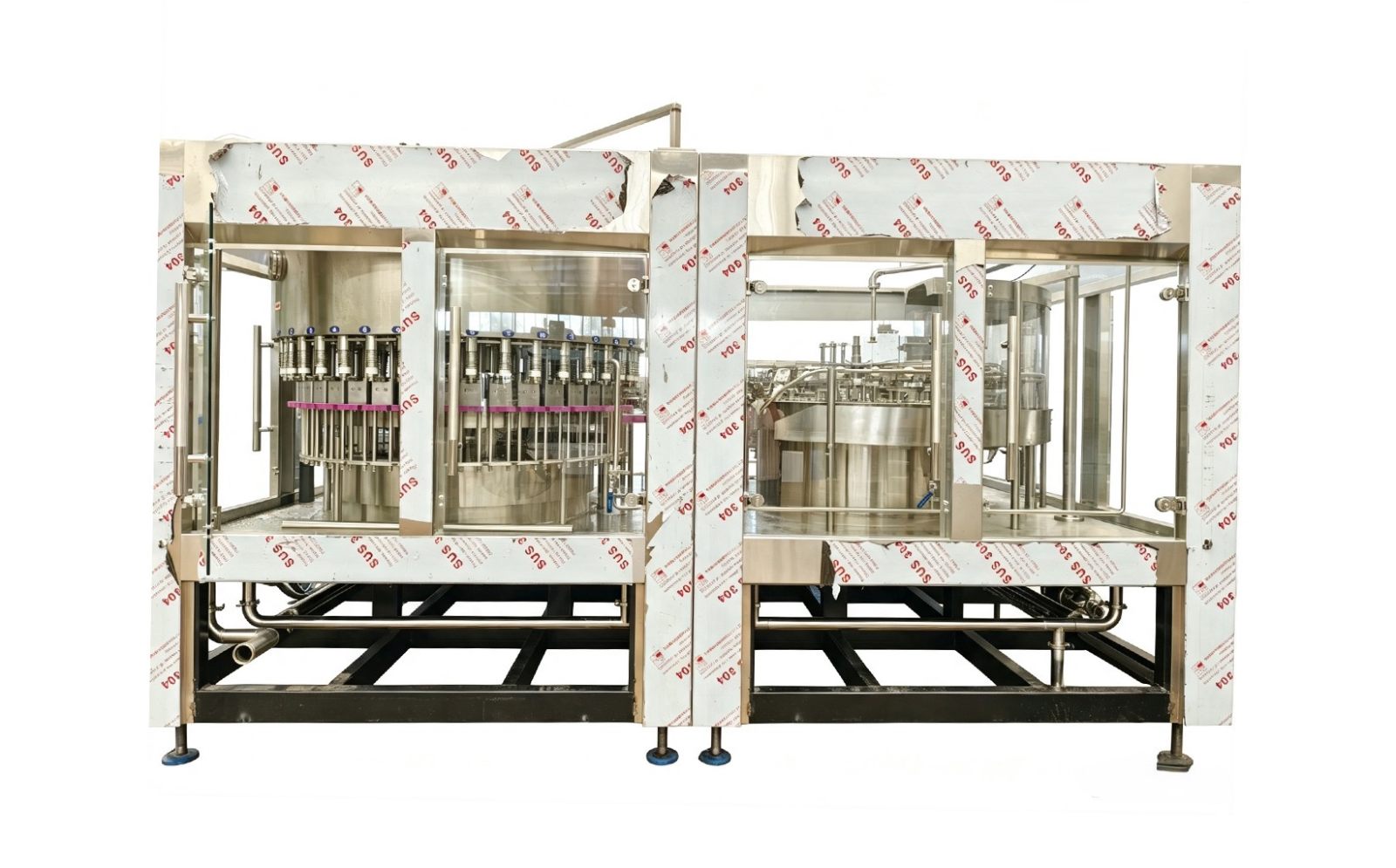
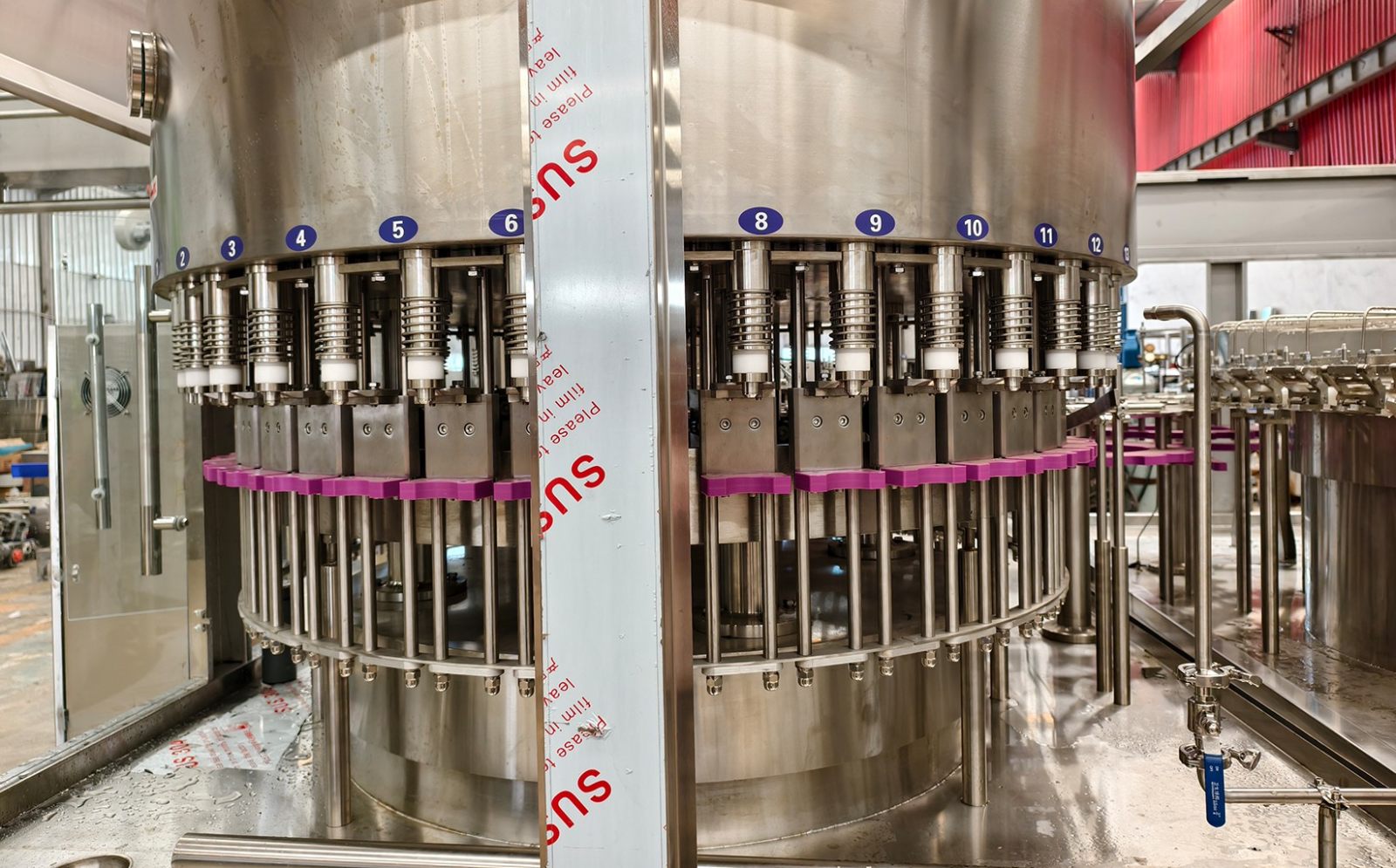
Water filling machine

Product Value
01
Cost Reduction through Automation
Integrated automated bottle washing, filling, and capping minimizes manual intervention and labor costs, making it ideal for high-volume, continuous production.
02
Ensured Beverage Hygiene and Safety
Constructed from food-grade stainless steel with a sealed fluid path, the system minimizes the risk of secondary contamination caused by human contact and meets food safety standards for drink water production.
03
Stable Production and Consistent Quality
Gravity filling ensures uniform liquid levels, while controllable capping torque reduces defects such as leakage, crooked caps, and inconsistent fill levels.
04
Flexible Specification Handling
A single machine accommodates various PET bottle types; changeover and setup are simple, supporting flexible production across multiple bottle specifications.
Applicability boundaries

Applicable products
Still drinking water (e.g., purified water, mineral water, mountain spring water)

Applicable containers
PET plastic bottles (300–2000 ml)

Production environment
Requires supporting water treatment and air purification systems; the workshop must meet food production environment standards.
Working Principle
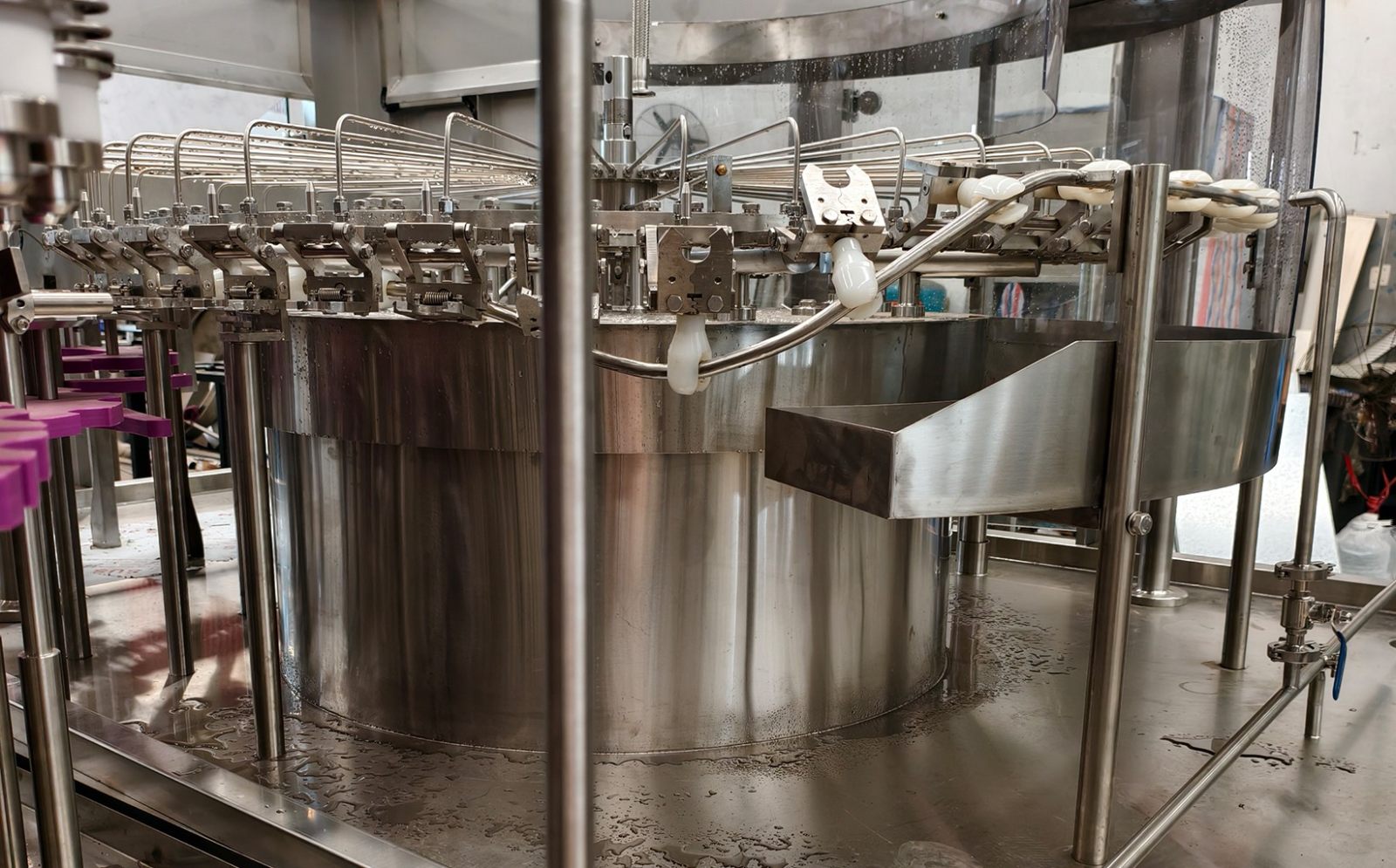
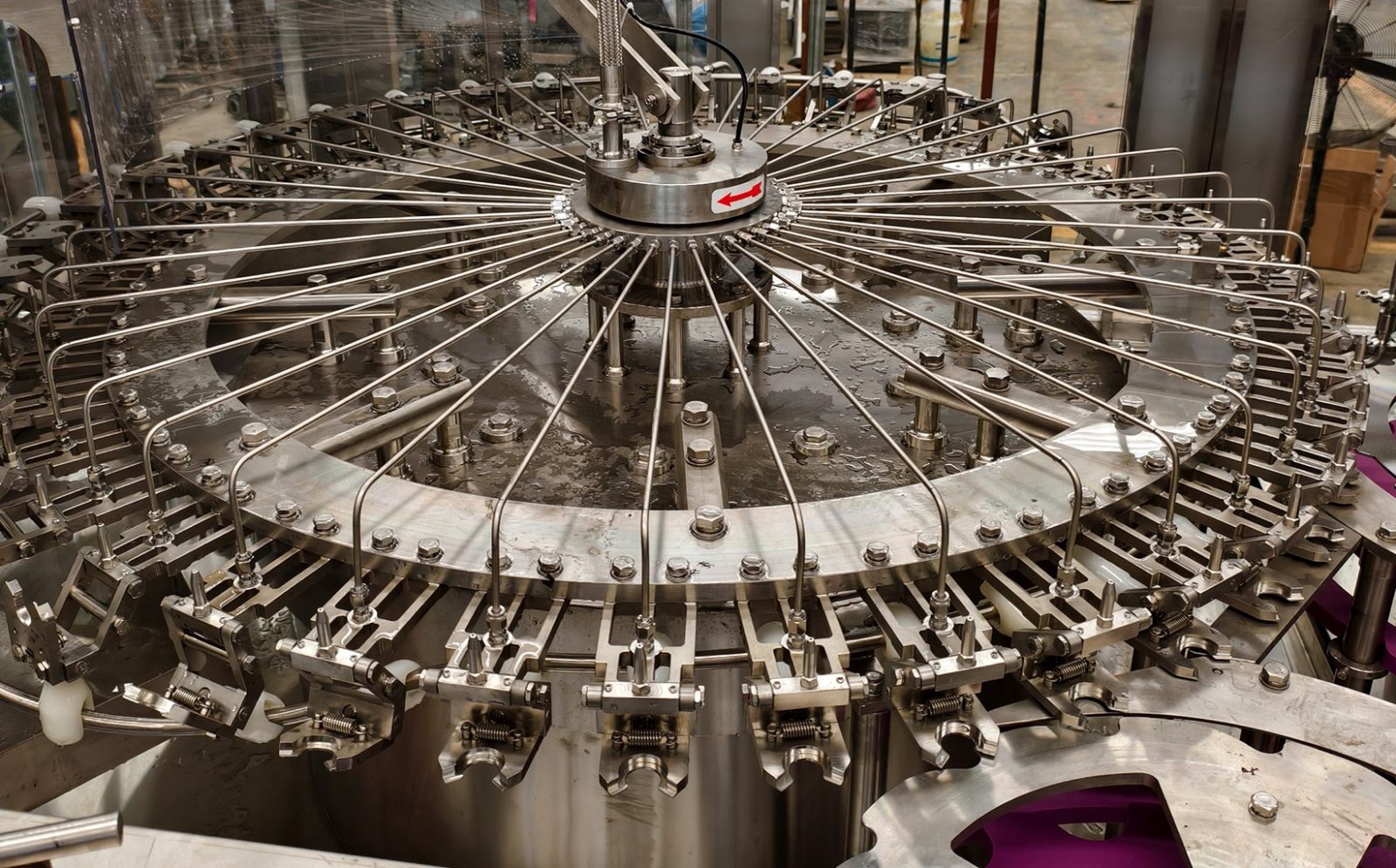
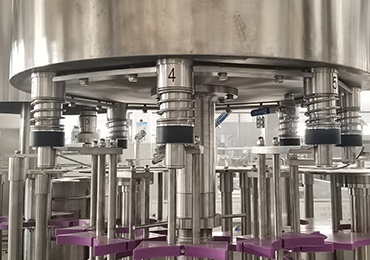
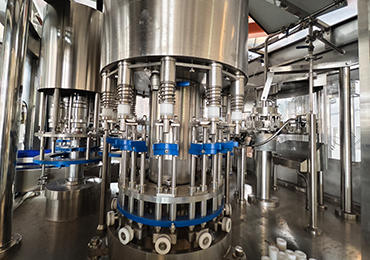
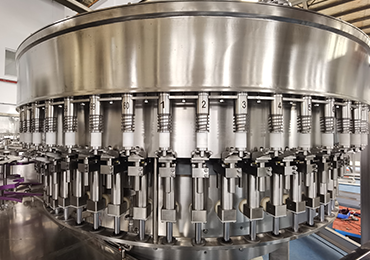
Bottles are conveyed by air to the rinsing station, where they are gripped and inverted; high-pressure sterile water rinses the inner walls, and after rinsing, the bottles are drained and returned to their original position.
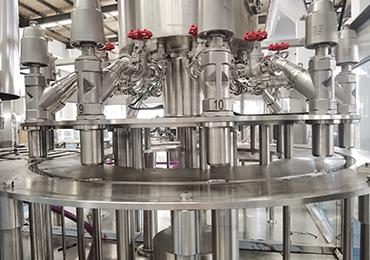
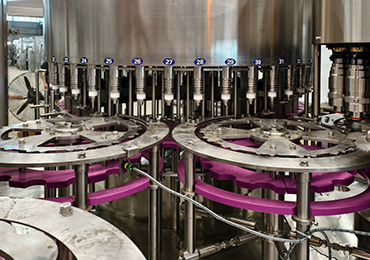
Bottles are conveyed to the filling station, where filling is performed via gravity or negative pressure, ensuring a stable liquid level.
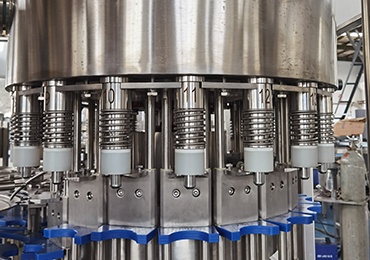
After filling, the bottles are conveyed to the capping station, where caps are placed and tightened; the finished bottles are then discharged to the subsequent coding and labeling processes.
Core components
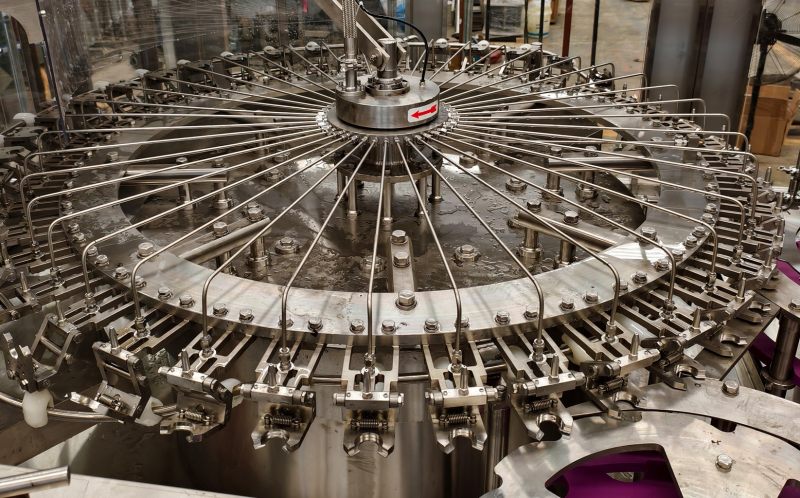
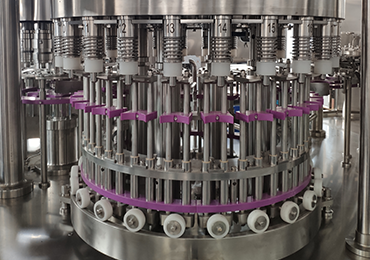
Bottle rinsing gripper assembly
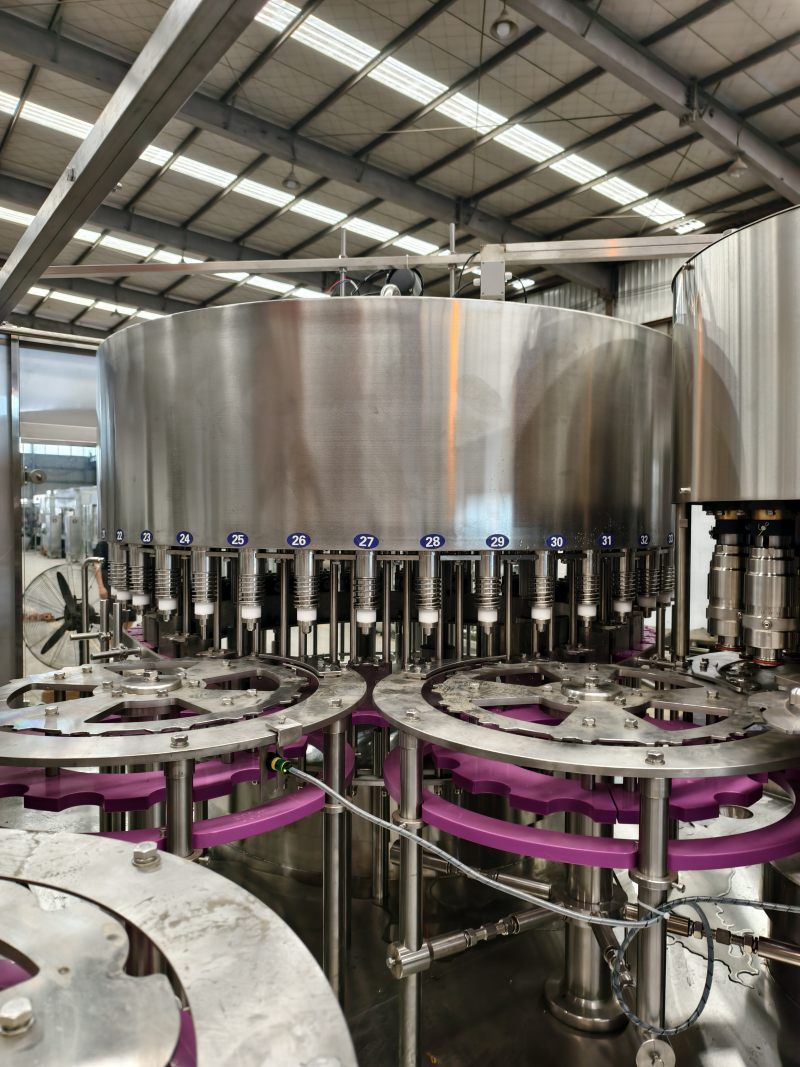
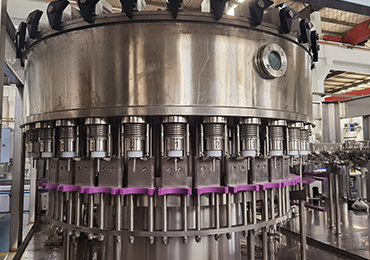
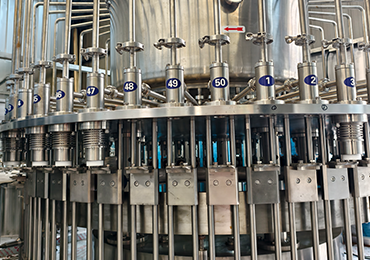
Filling valve assembly (gravity / negative pressure filling valves)
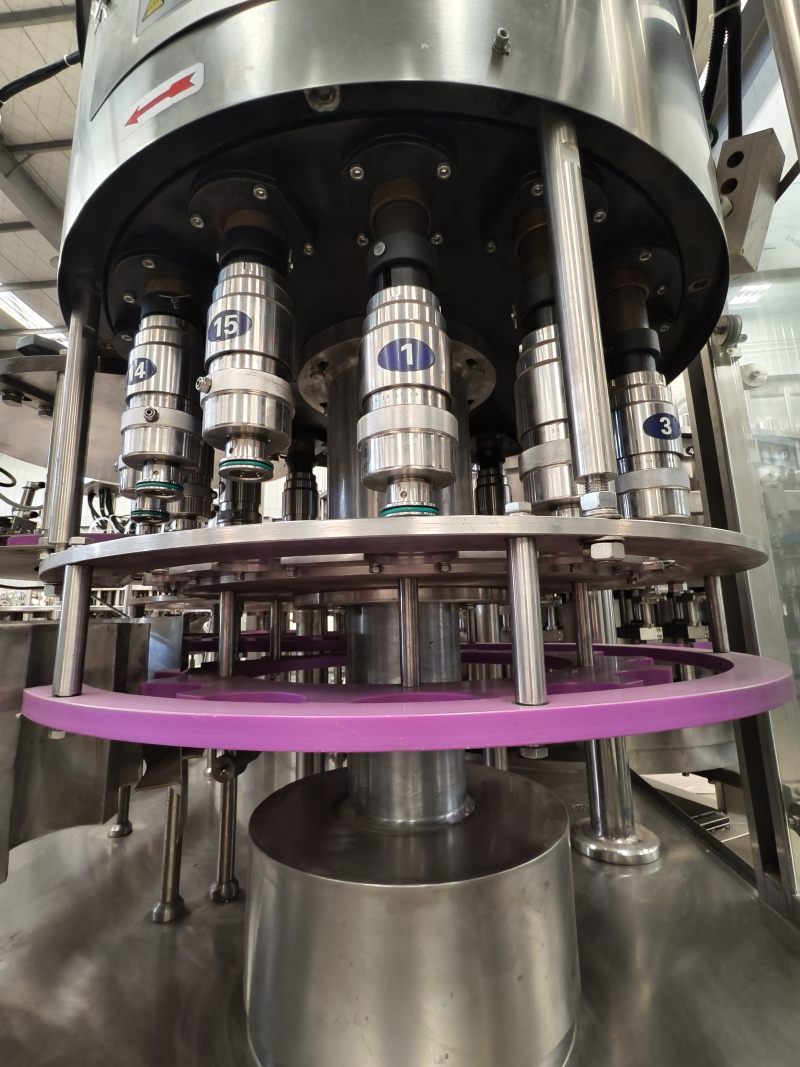
Capping head assembly
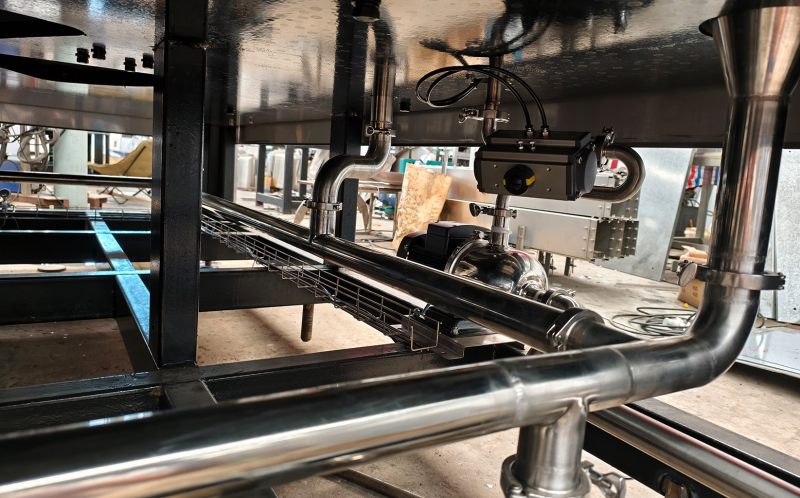
Main drive motor, star wheels, and infeed/outfeed feed screws
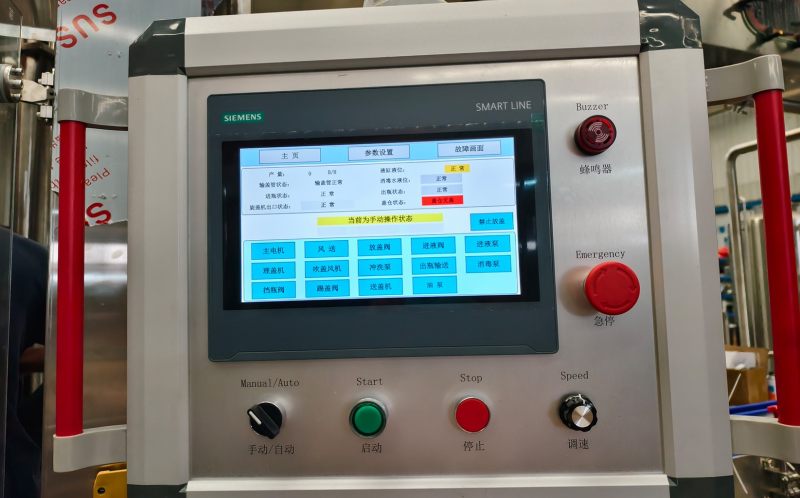
Stainless steel piping, water pump, and PLC control system
Optional
Online cap sterilization
CIP (Clean-in-Place) connection port
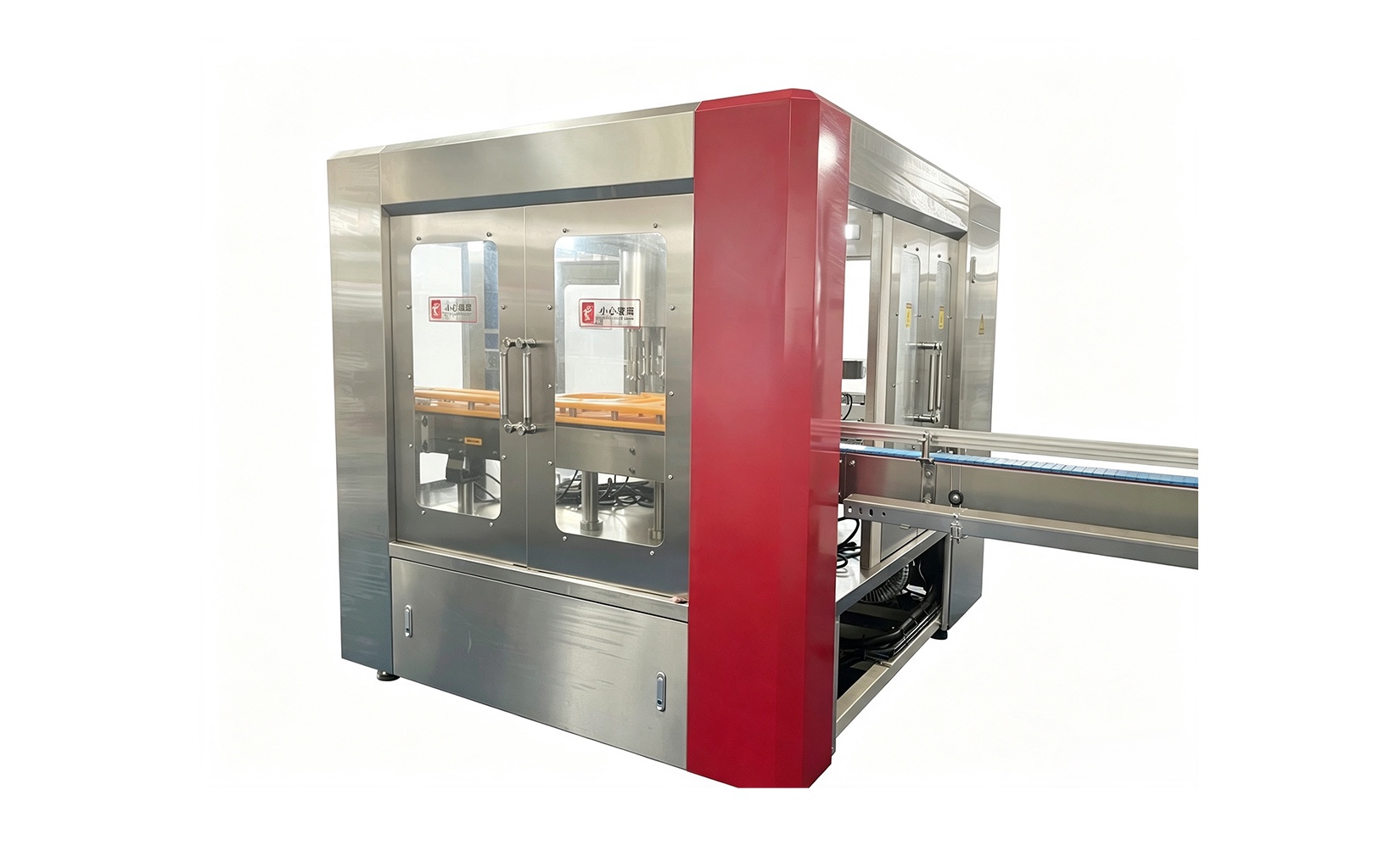
Fully enclosed protective housing
Variable-frequency speed control upgrade
HMI touchscreen upgrade
Changeover/Cleaning/Maintenance
Changeover
1. Adjust the spacing of the infeed/outfeed screws and star wheels to match the bottle diameter.
2. Adjust the height of the rinsing grippers and filling stations to match the bottle height.
3. Fine-tune the capping head height and torque.
Daily Cleaning
Wipe the exterior surfaces of the machine with clean water; disassemble rinsing grippers and filling valves to wash away residue.
Periodic Maintenance
Can the equipment be switched to run different bottle sizes?
Yes. For bottles with the same neck diameter, you can switch between different bottle heights and diameters by adjusting the star wheel, feed screw, and station height.
What causes the filling level to fluctuate?
① Unstable water supply pressure;
② Worn filling valve seals or debris causing a jam;
③ Clogged air vent. Please check the water supply pressure and clean or replace the filling valve seals.
What auxiliary equipment is required to put the system into operation?
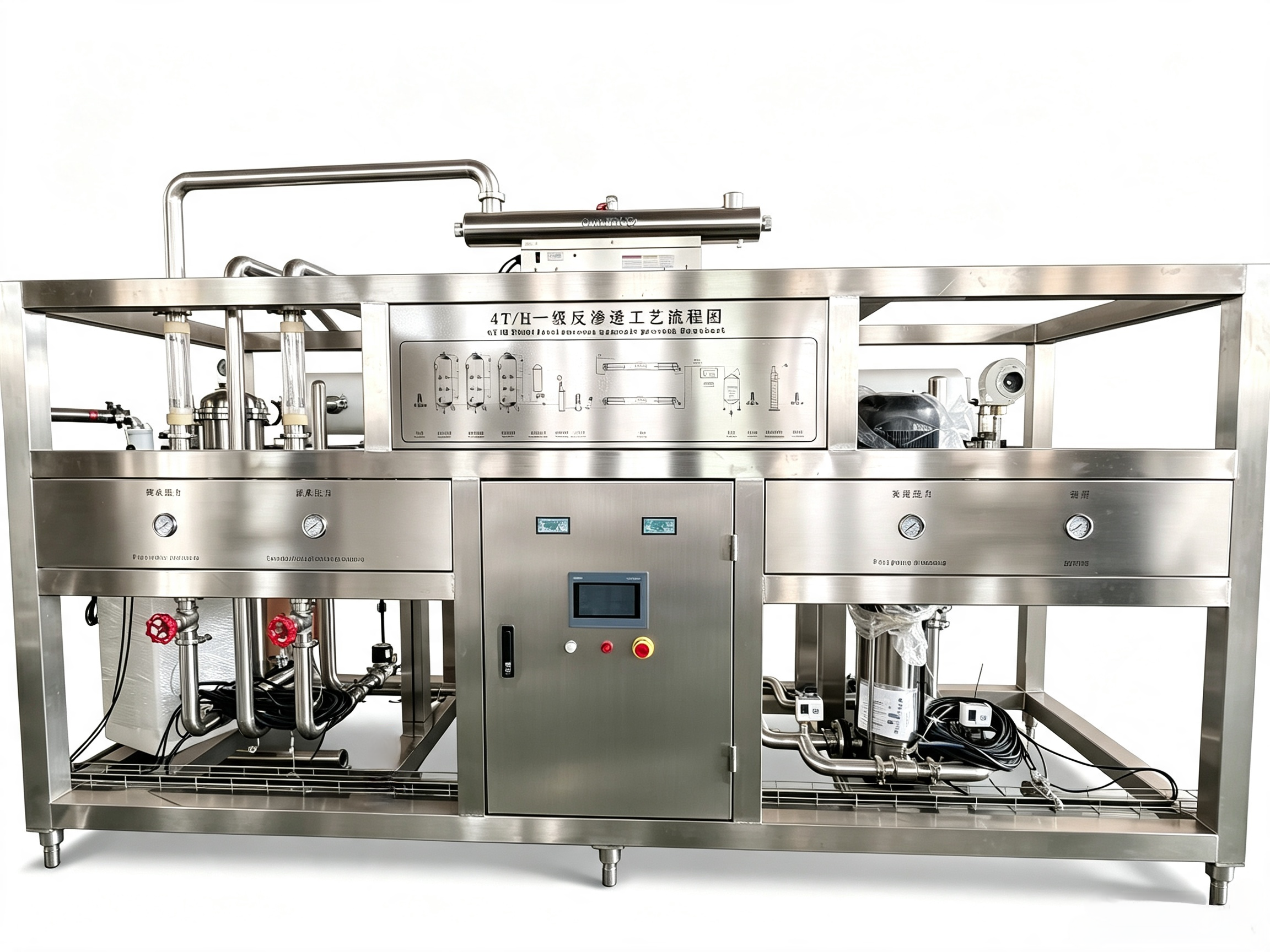
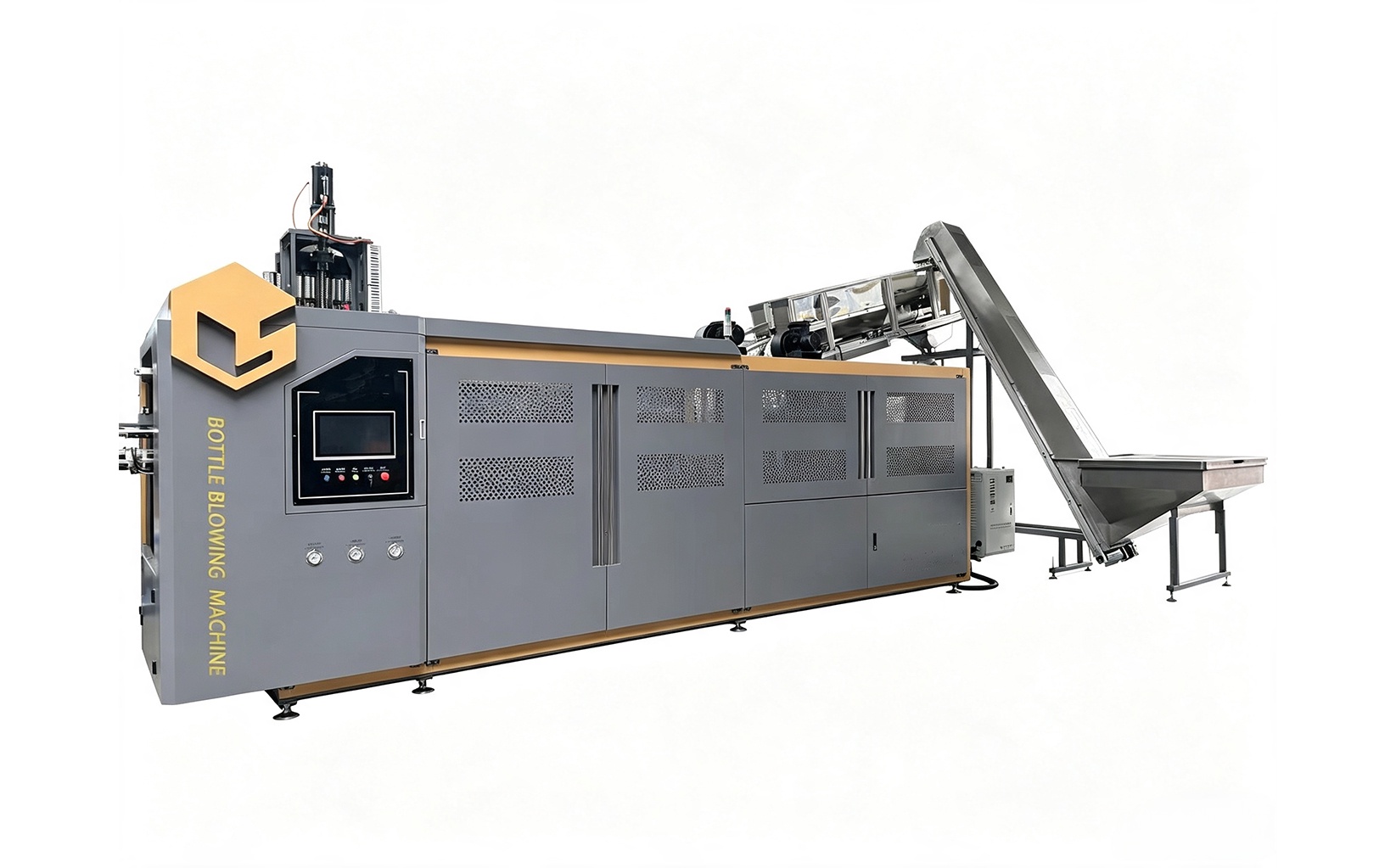
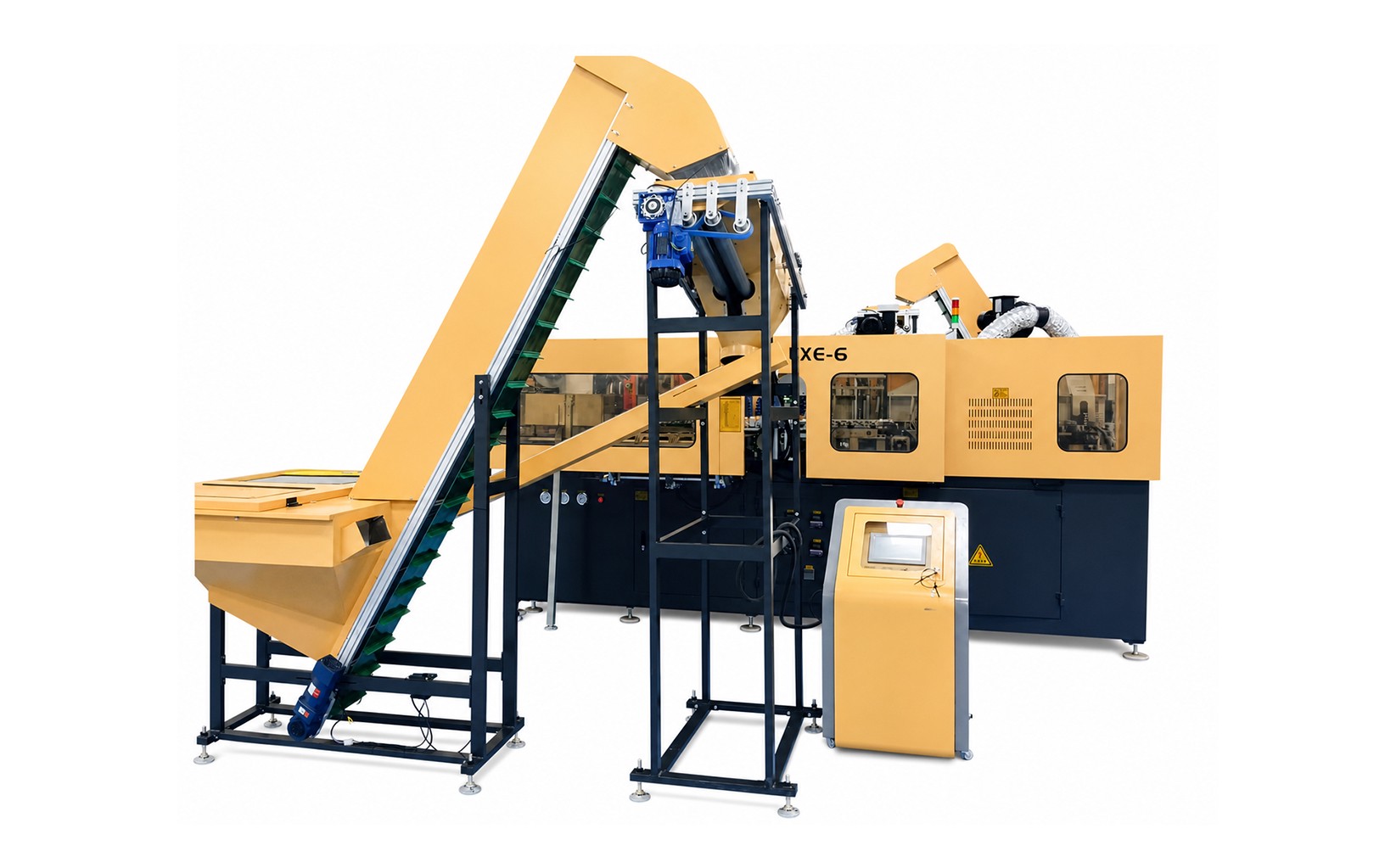
A water treatment system, an air compressor, and a conveyor line are required. Optional equipment—such as a blow molding machine, air dryer, inkjet coder, labeling machine, and film wrapper—can be added to form a complete production line.
What are the main wear parts, and what is the replacement cycle?
Key wear parts include gripper pads, filling valve seals, and capping rubber wheels. We recommend inspecting them for wear every 3–6 months and replacing them promptly based on actual usage.
Select the Suitable Model
 CGF884Inquire Now
- CGF884-for-5-15LInquire Now
- CGF12124-for-5-15LInquire Now
- CGF14125Inquire Now
- CGF18186Inquire Now
- CGF24248Inquire Now
- CGF323210Inquire Now
- CGF404012Inquire Now
- CGF505015Inquire Now
- CGF606015Inquire Now
Related Product Recommendations
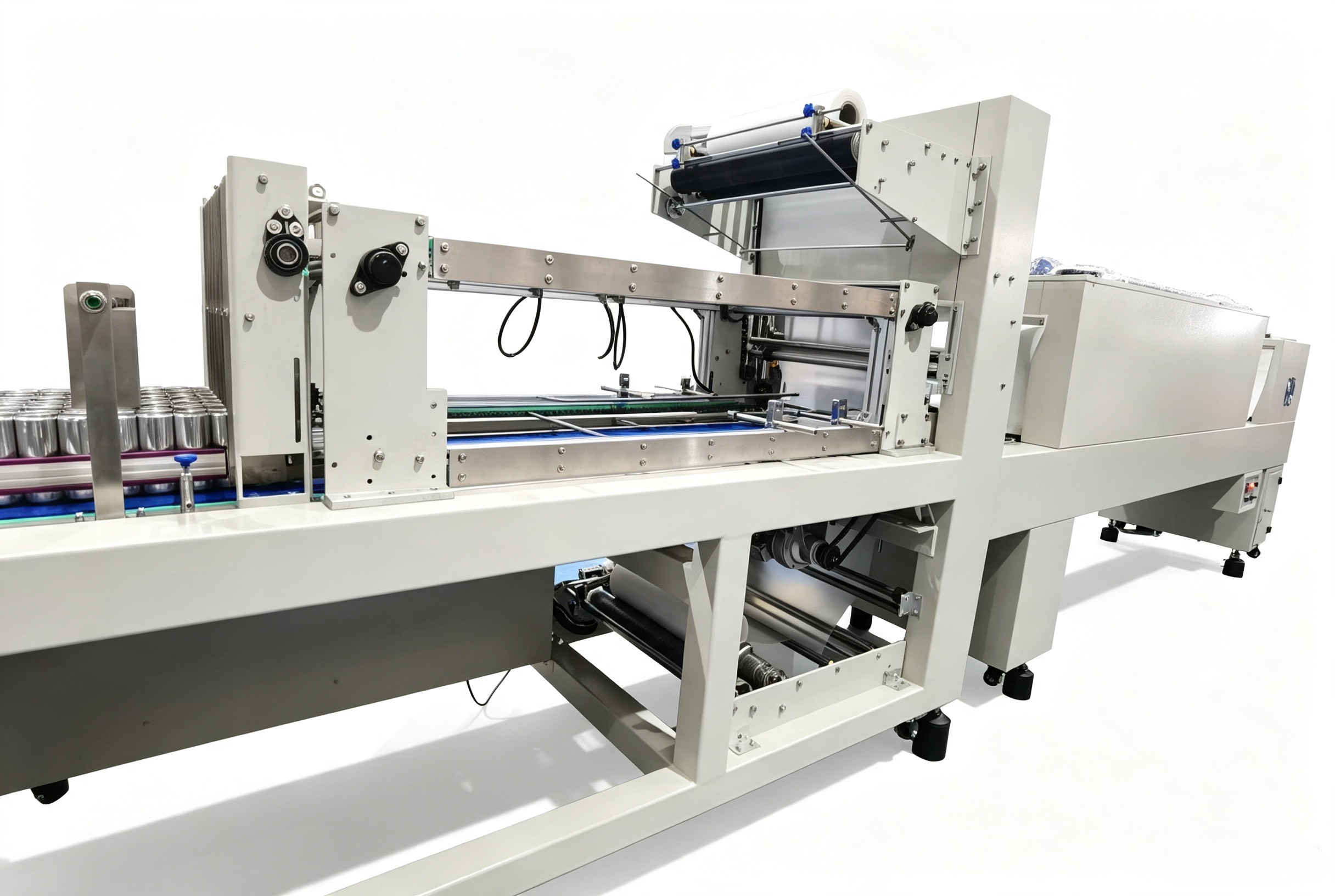
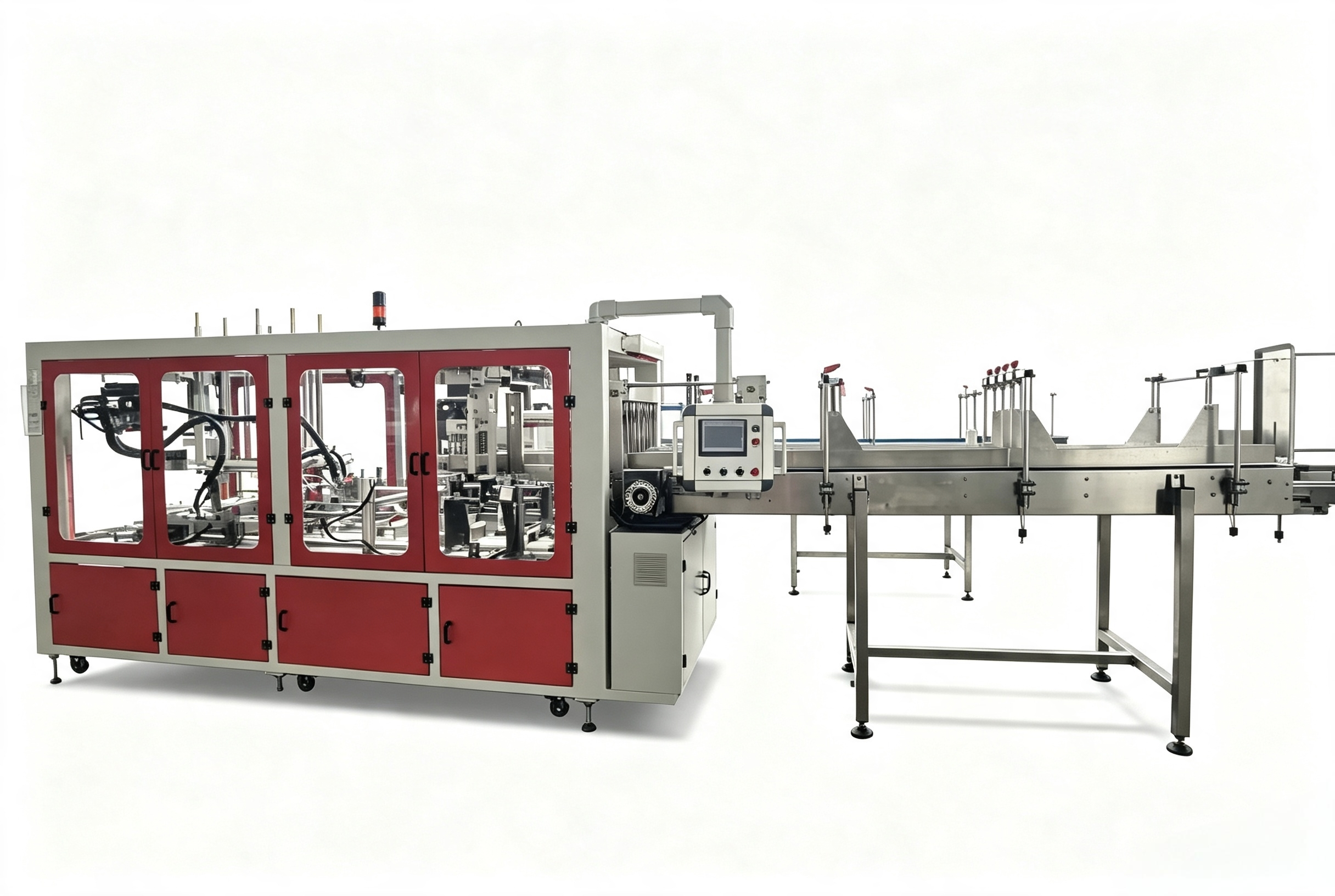
 Liner Type PE Film Wrapping MachineLearn More →
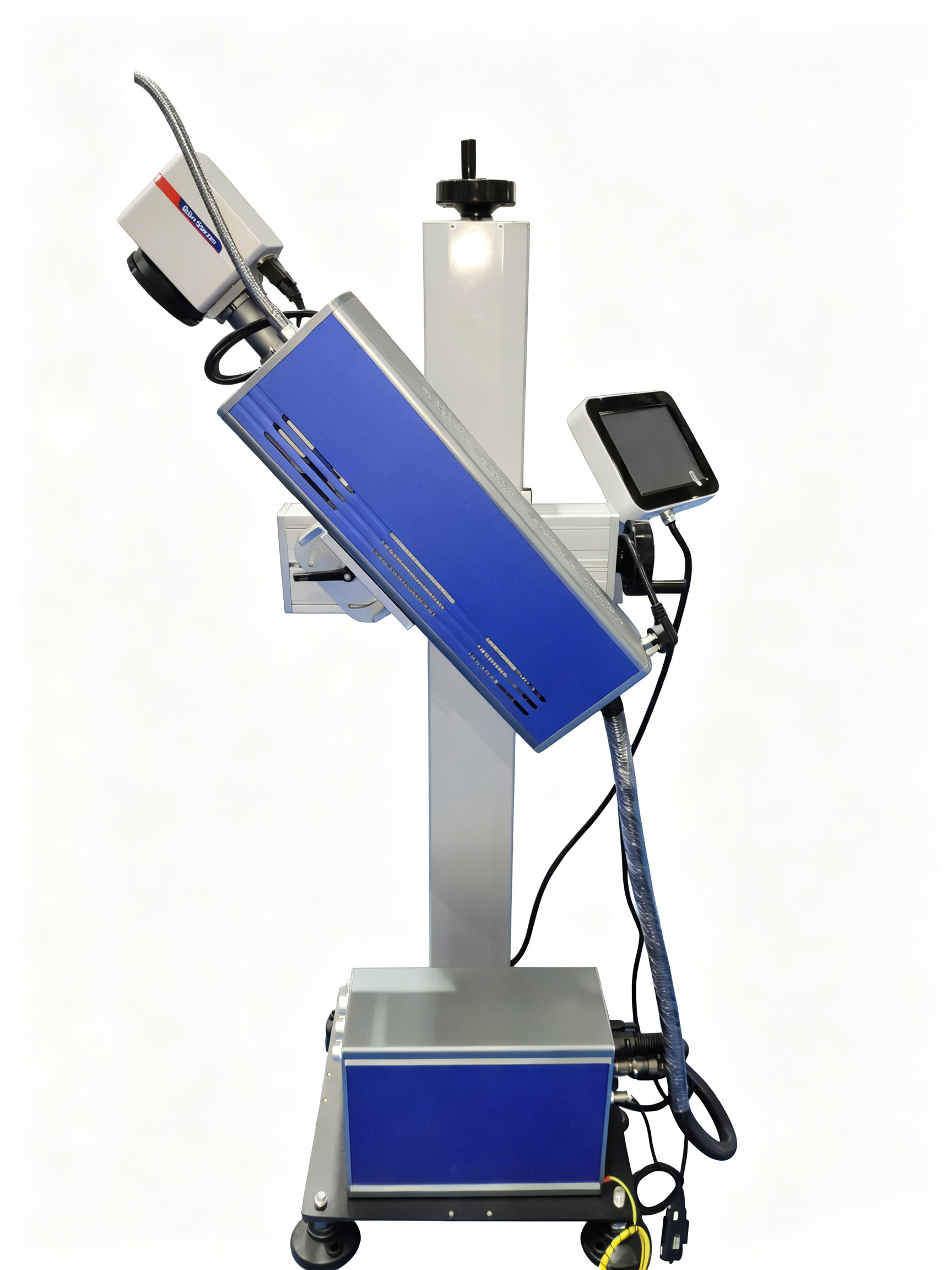
 Laser PrinterLearn More →
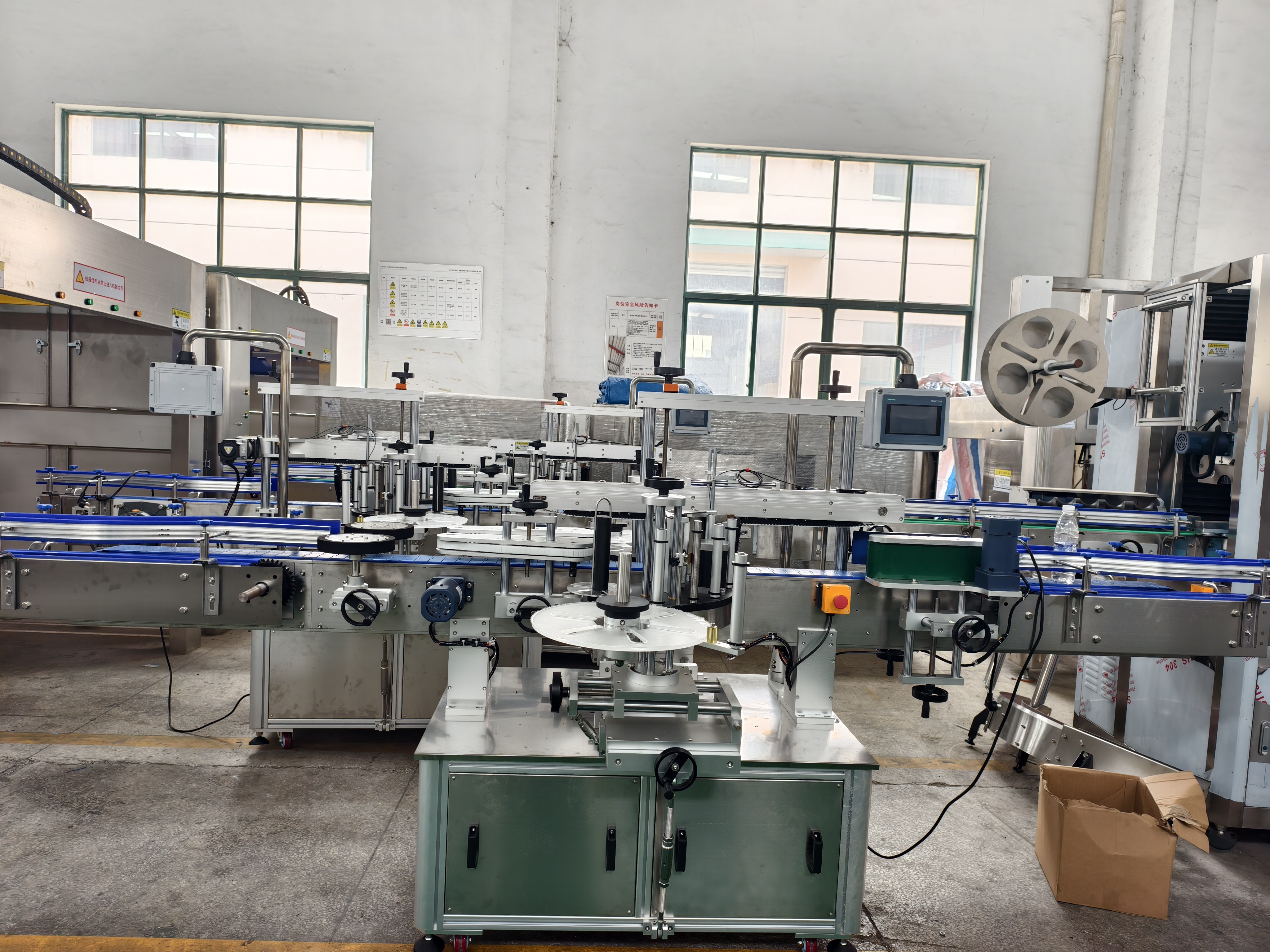
 opp labeling machine oppLearn More →
 PE film packing machineLearn More →
 Sticker labeling machineLearn More →
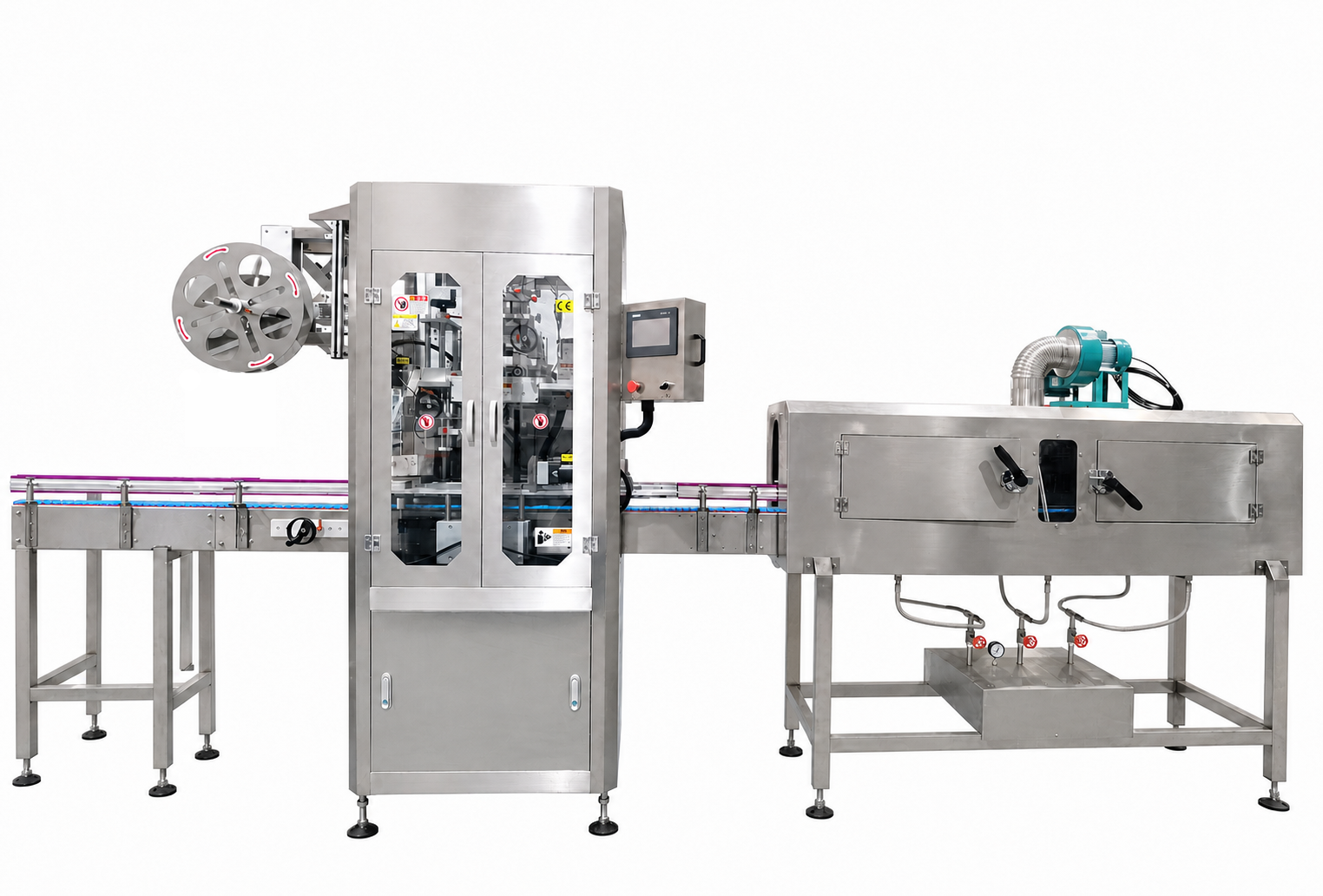
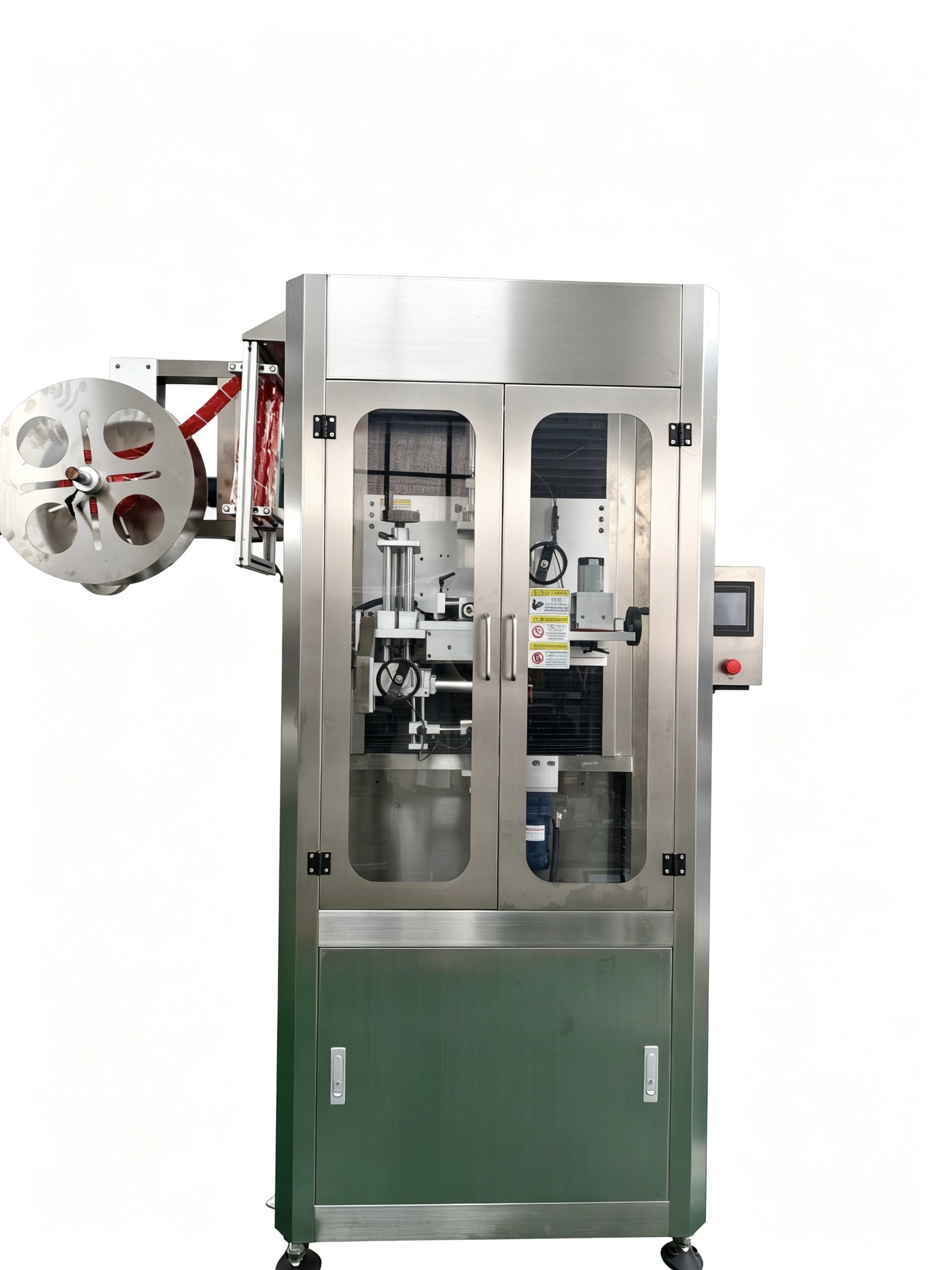
 Sleeve and shrink labeling machineLearn More →
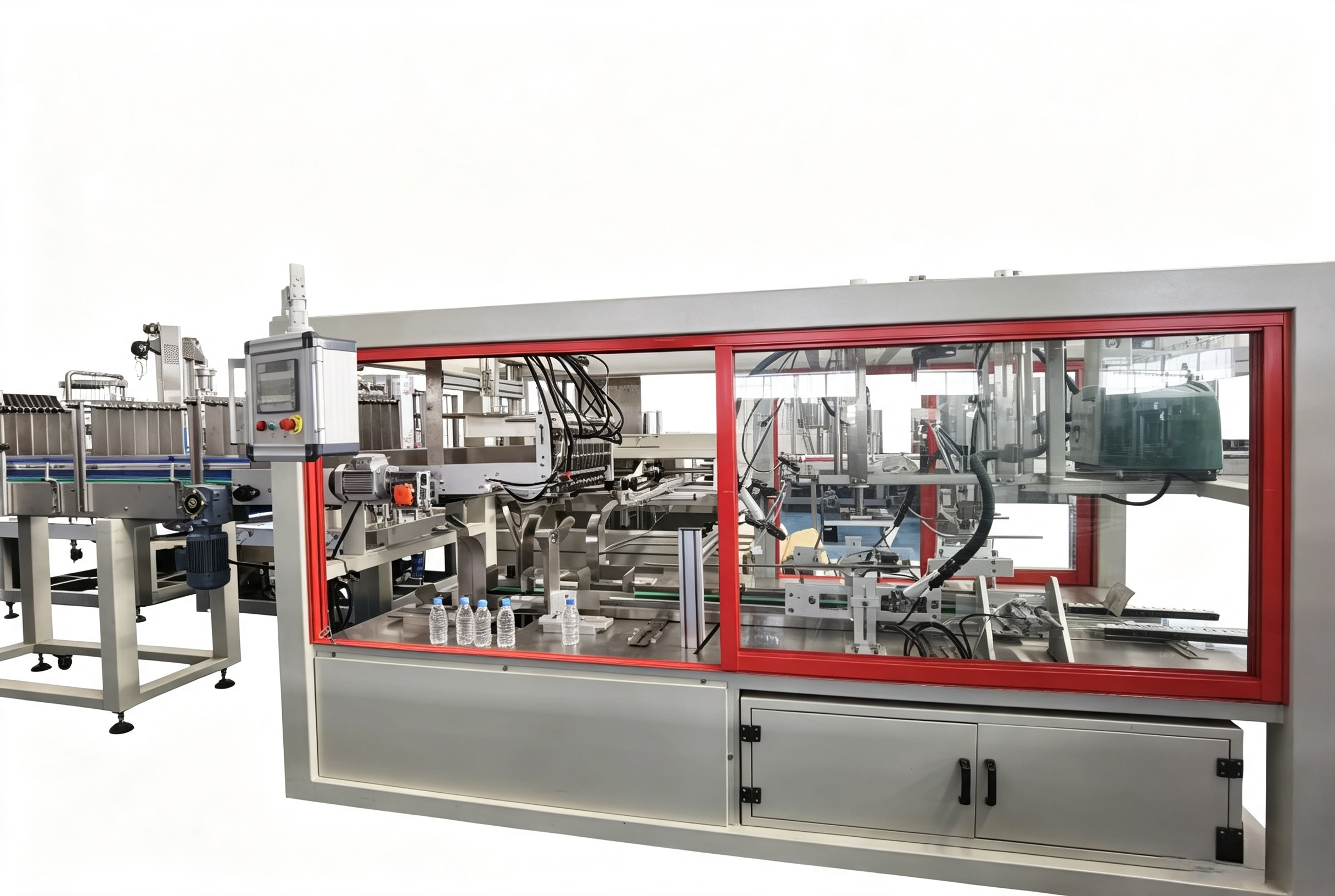
- Carton packing machineLearn More →
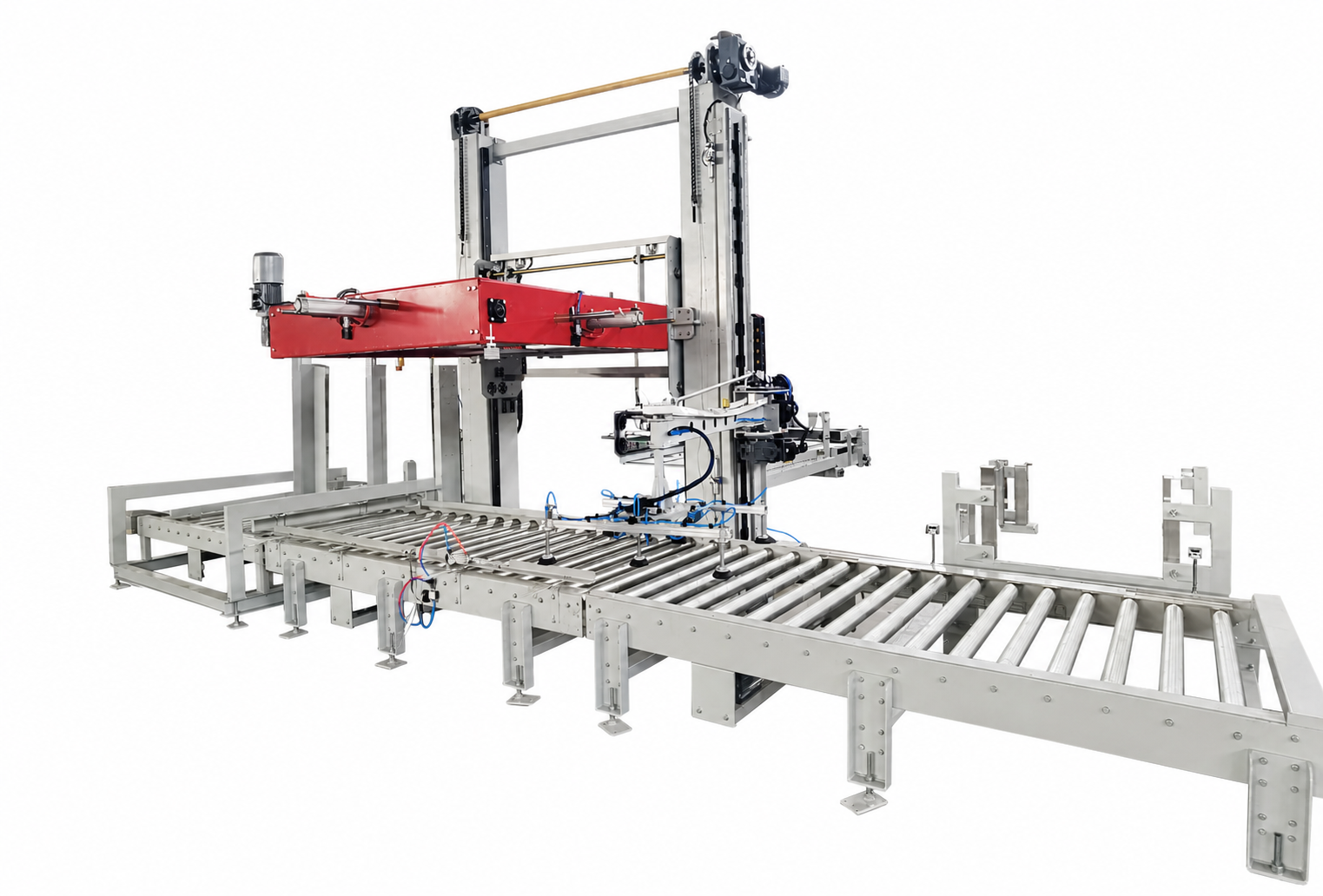
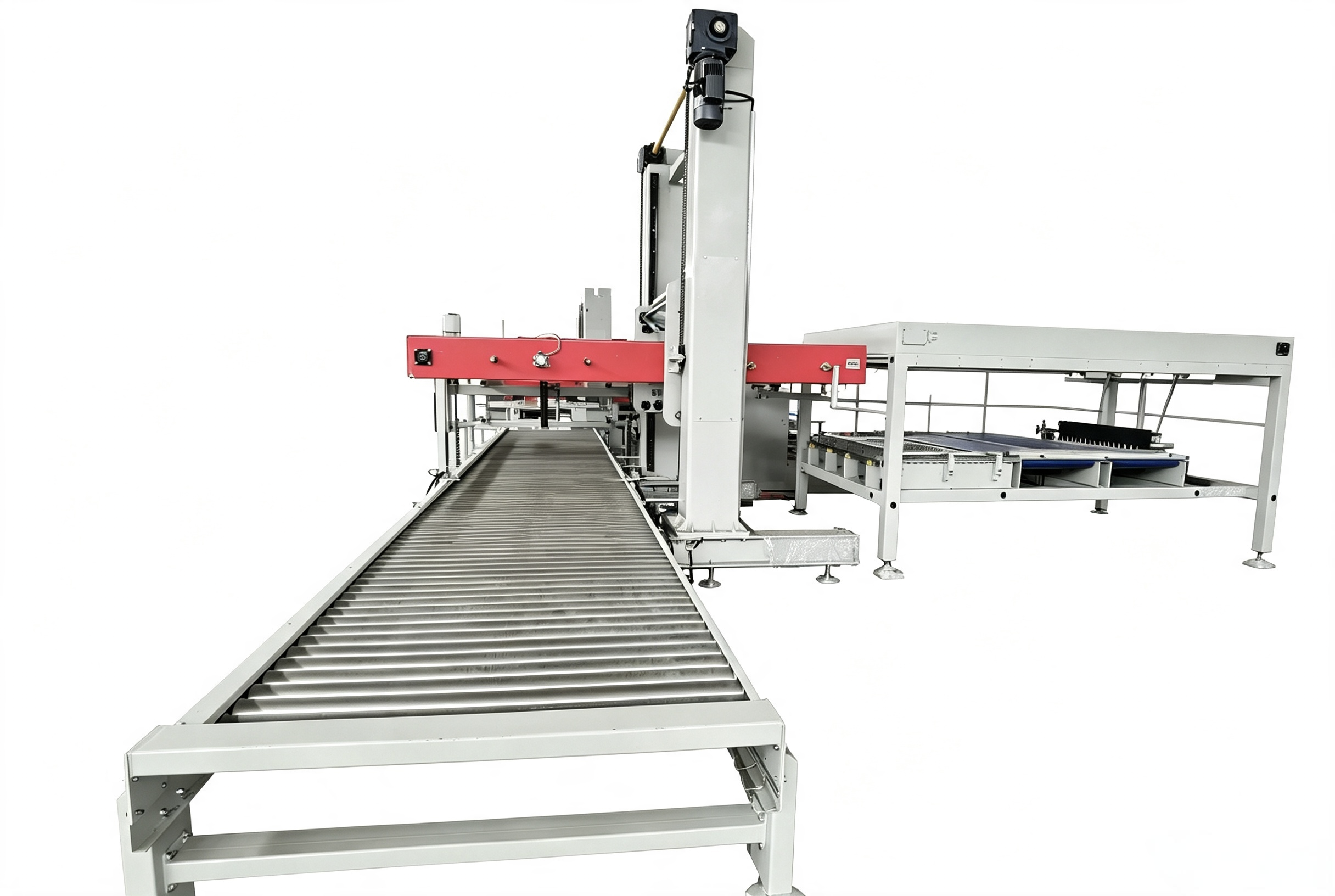
- PalletizerLearn More →
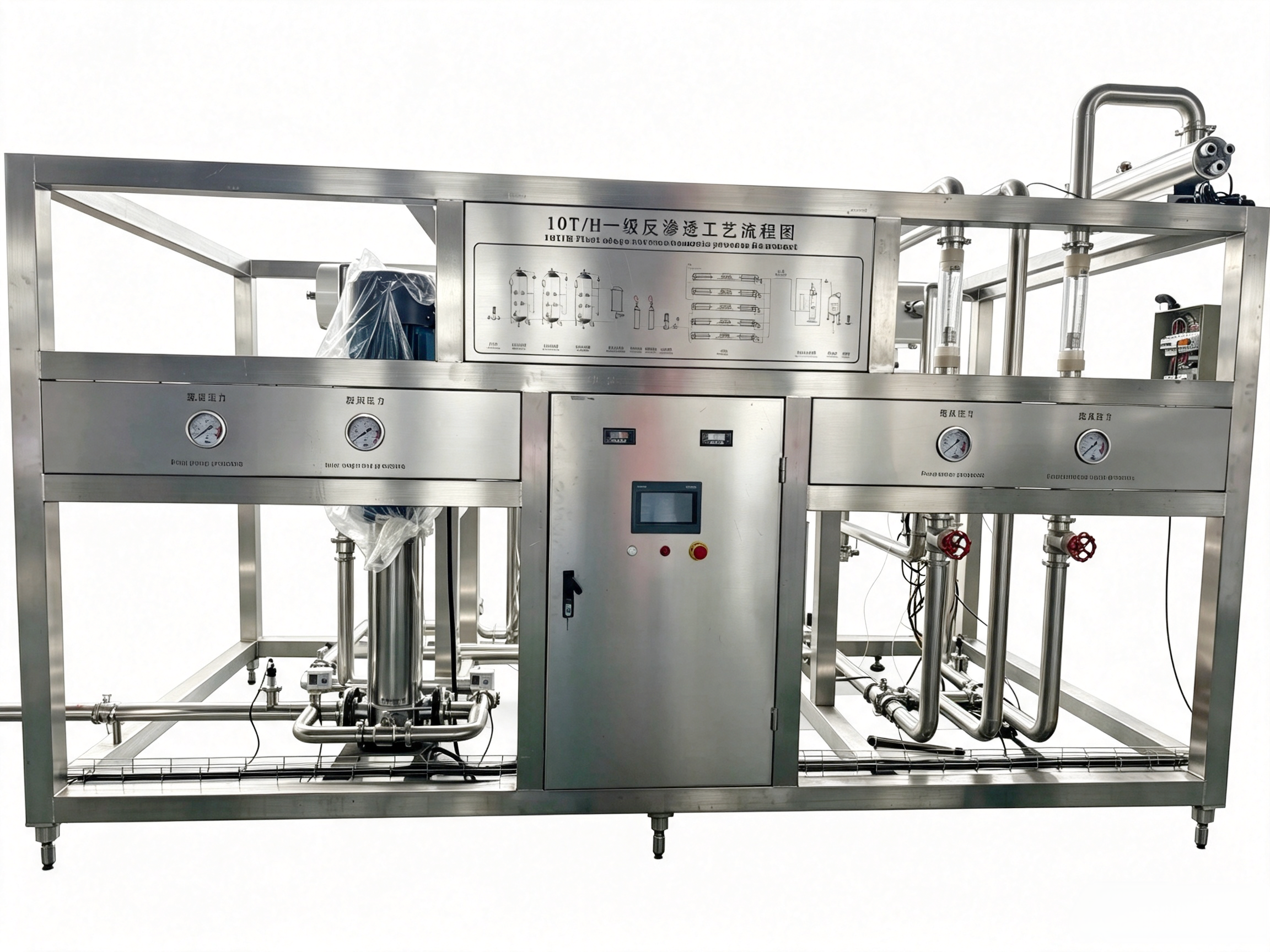
- Reverse osmosisLearn More →
- Full automatic blowing machineLearn More →
Contact Us
Complete 2 easy steps below to get your factory matrix and a complimentary factory layout design within 24 hours.
Request Factory Price & Factory Layout Within 24h
Request Factory Price & Factory Layout Within 24h