



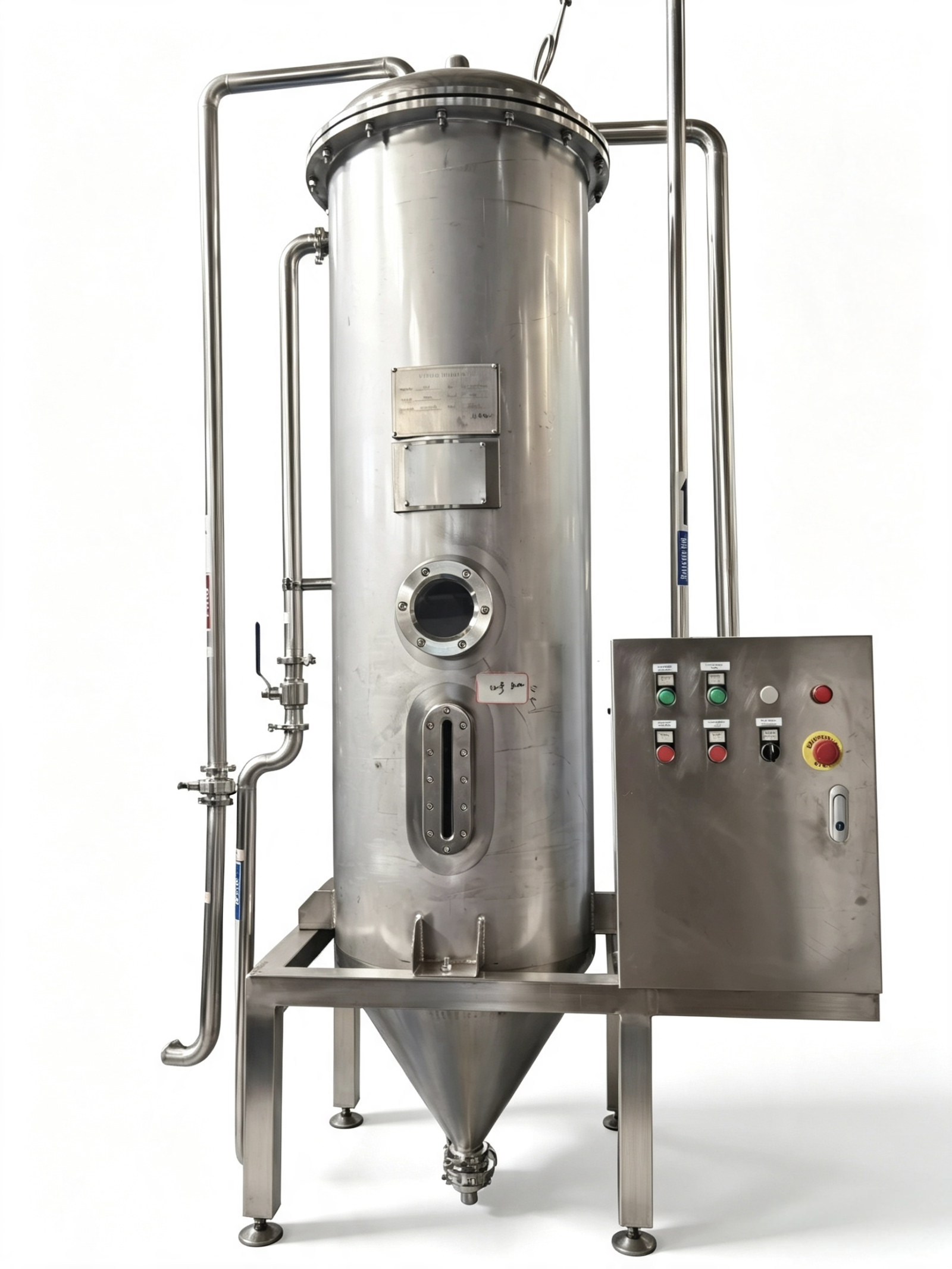
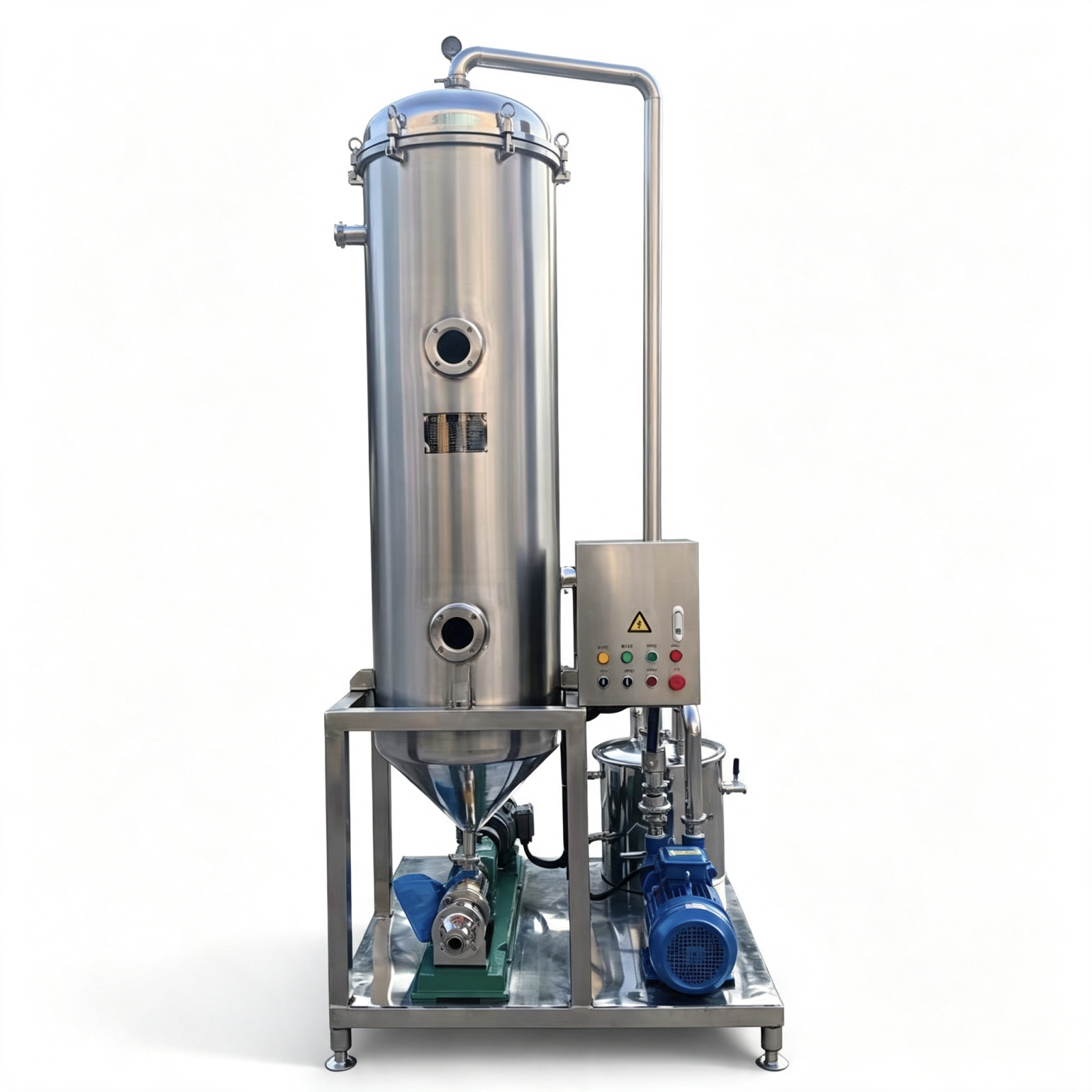
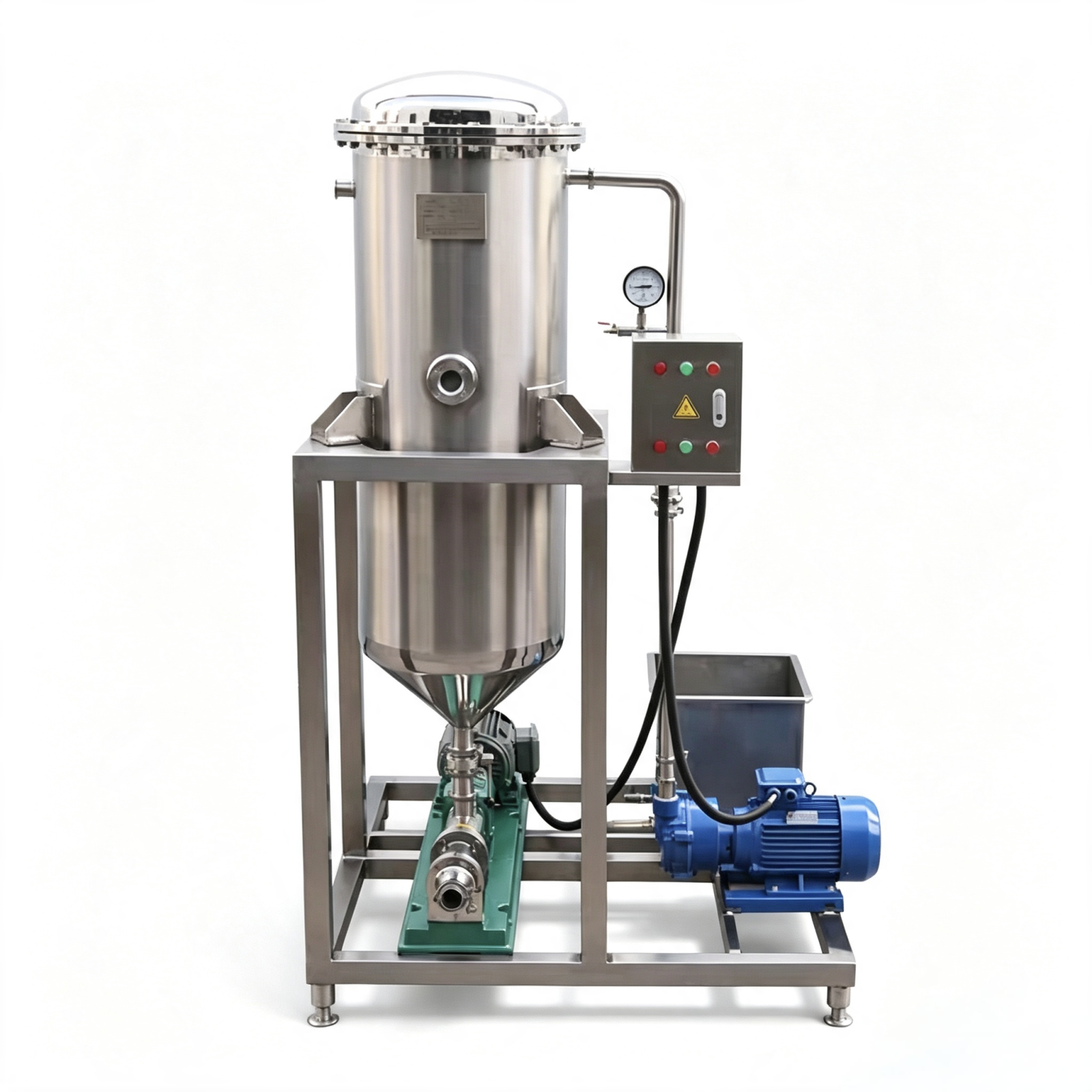
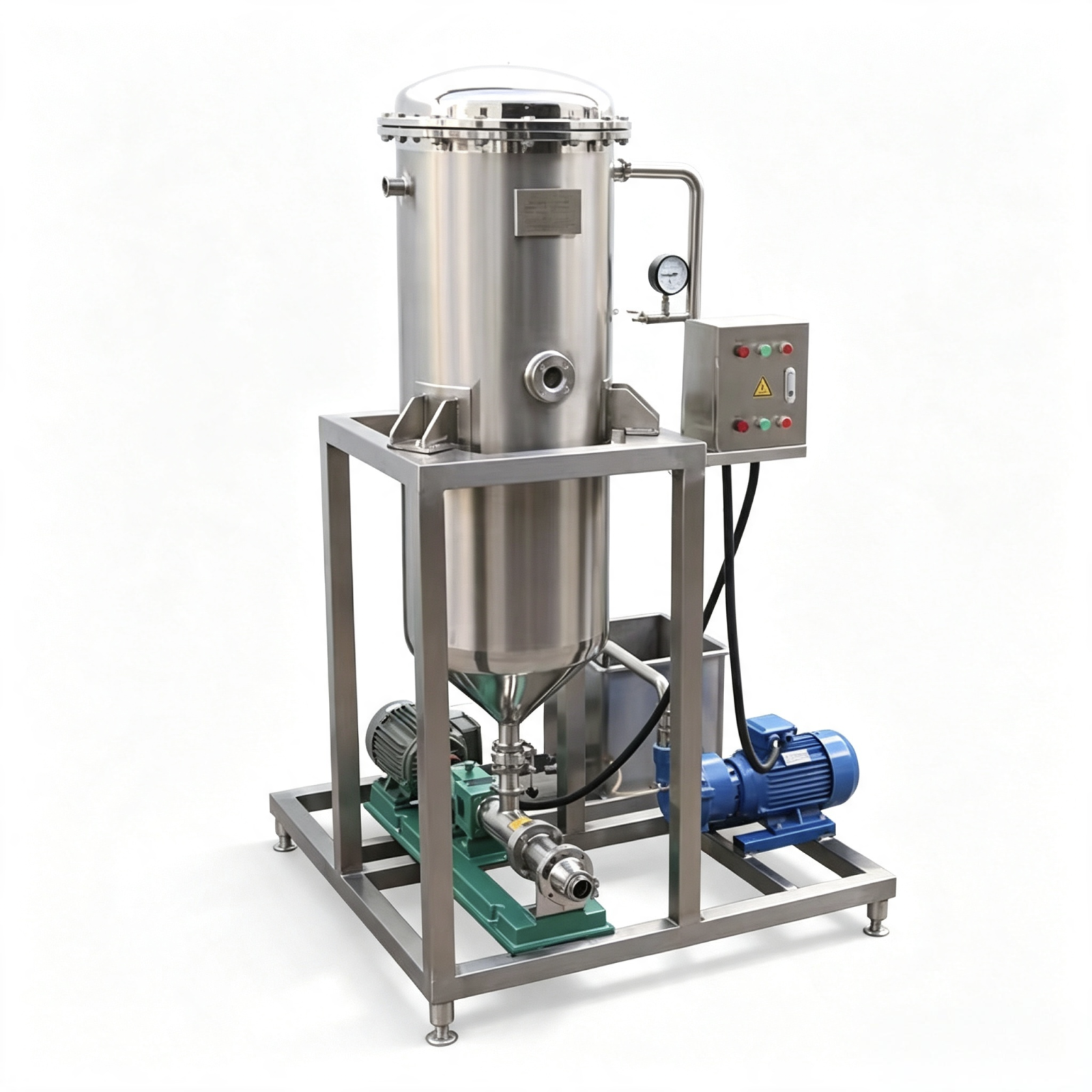
Vacuum deaerator

Product Value
01
Removes dissolved oxygen from the product stream, inhibiting oxidative browning, preserving color, minimizing the oxidative loss of vitamins and aromatic compounds, and extending shelf life.
02
Eliminates air bubbles and foam, preventing overflow during sterilization and filling, and ensuring consistent filling accuracy.
03
Reduces the risk of corrosion in downstream equipment and minimizes pipeline cavitation, thereby extending the service life of the entire pre-processing system.
04
Enables continuous, in-line production with seamless integration into the pre-processing line, achieving full process automation and a deaeration efficiency of up to 98%.
Applicability boundaries

Materials
fruit juice, tea extract, dairy-based beverages, plant-based protein drinks, sugar solutions, and functional beverages; allows for small amounts of fine fruit pulp fibers.

Operating Conditions
Continuous production for beverage pre-processing; high requirements for color, aroma, and shelf life; suitable for hot-fill and aseptic filling production lines.
Working Principle
The material enters the negative-pressure degassing tank and is sprayed into a thin film to increase the contact area.
Dissolved oxygen and gas bubbles are released under the vacuum and extracted by the vacuum pump.
Once degassing is complete, the material is transferred by the discharge pump to the next process step.
Core components
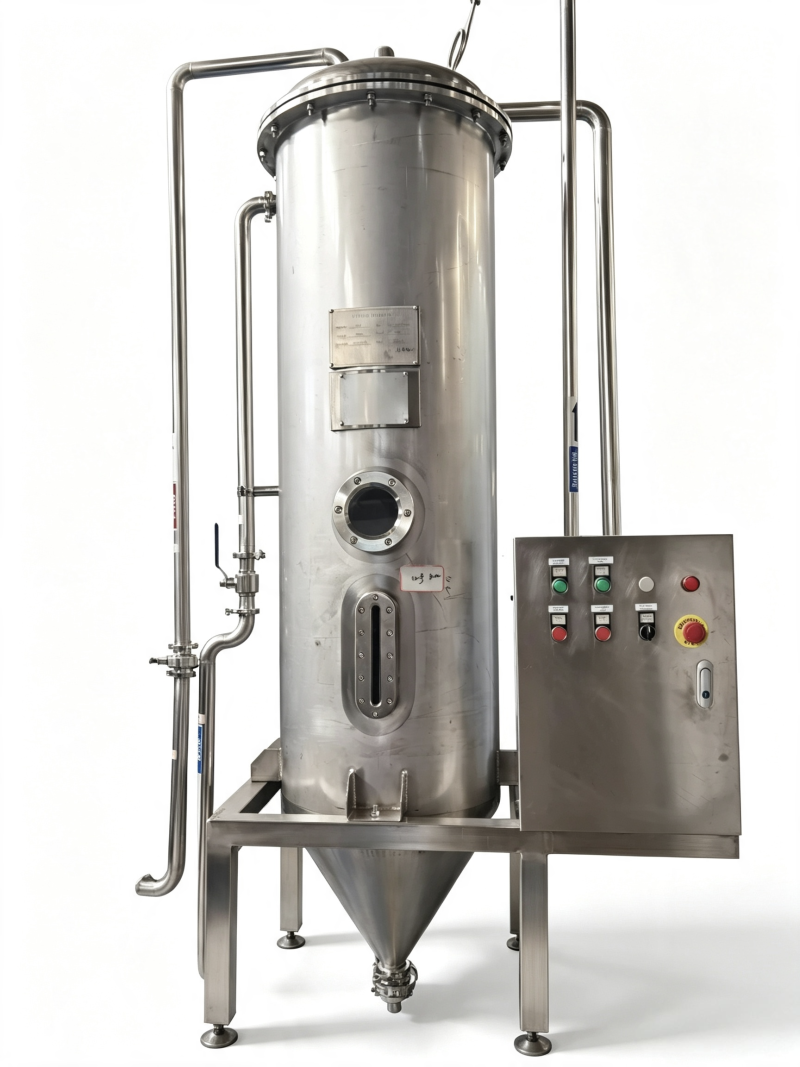
Vacuum degassing tank
Equipped with a sight glass, manhole, spray atomization assembly, mist eliminator/defoamer
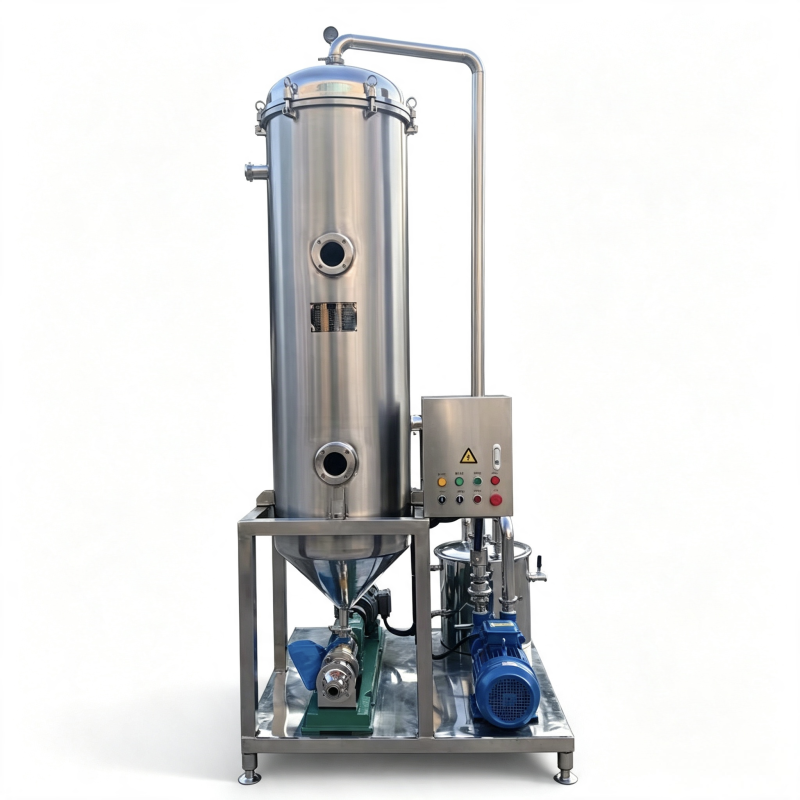
Vacuum pump unit (water-ring type)
Provides a stable negative-pressure vacuum environment
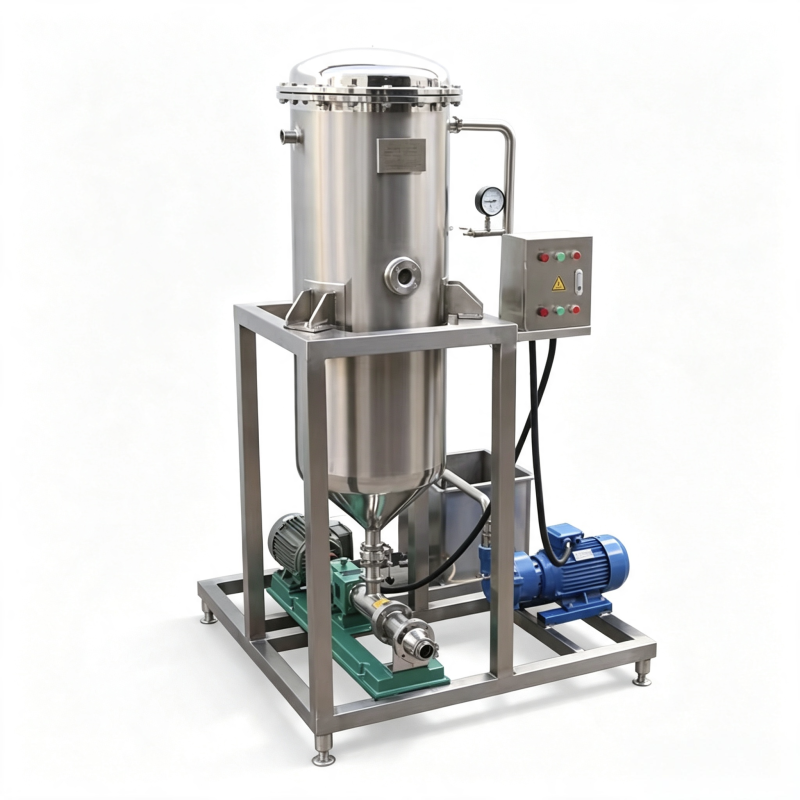
Sanitary feed and discharge pumps
Handle material transfer and maintain the balance between inflow and outflow
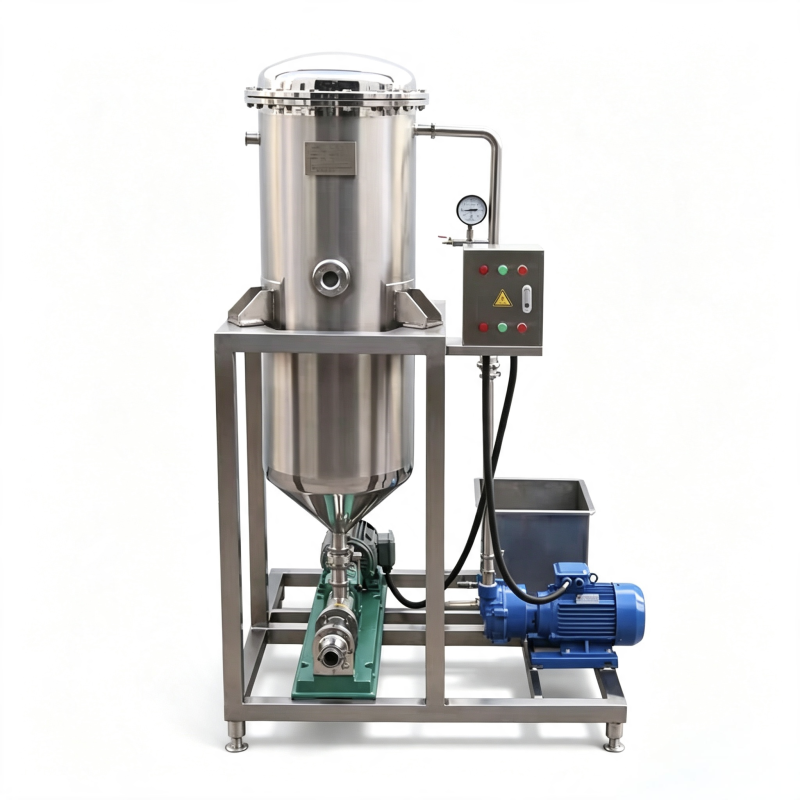
Pressure, level, and temperature sensors
Monitor operating conditions inside the tank in real-time and provide interlocking protection
Vacuum gauge and control valve assembly
Regulate the vacuum level within the tank
Optional
01
Upgraded to 316L stainless steel (suitable for acidic juices and dairy products)
02
Aroma recovery and condensation unit to capture volatile flavor compounds
03
Inline dissolved oxygen analyzer for real-time monitoring of residual oxygen levels in the product
04
Complete CIP circuit interface for connection to the plant-wide CIP station
Changeover/Cleaning/Maintenance
Maintenance
Weekly checks: Check vacuum pump working fluid; clean filters; inspect sealing rings and seals.
Monthly checks: Calibrate pressure and level sensors; tighten pipe connections; check nozzles and mist eliminator for clogs.
Stocked spare parts
Mechanical seals, sealing rings, filter elements, sensors.
Cleaning
Perform automatic CIP cleaning at the end of a production batch; if fruit pulp adheres to the walls, the manhole may be opened for manual cleaning assistance.
Regularly inspect the mist eliminator and nozzles to prevent clogging by fruit pulp residue.
The material contains fine pulp fibers, can it be used?
A small amount of fine pulp is OK; coarse pulp particles can easily block the nozzles and mist catchers, and the internal structure or pre-filtration needs to be adjusted.
How much residual oxygen can be achieved after degassing?
Residual dissolved oxygen can reach 0.1-0.5mg/L under normal working conditions; the details are related to the feed temperature, vacuum degree, and material characteristics.
Does the equipment support CIP cleaning?
The standard CIP spray ball can be connected to the CIP cleaning station in the workshop and can be cleaned without disassembling the equipment.
What is the reason for the deterioration of degassing effect?
Prioritize troubleshooting: ① Insufficient vacuum, vacuum pump failure; ② The feed nozzle is clogged; ③ The feed temperature is too low; ④ The seal leaks into the air.
Related Product Recommendations
Contact Us
Complete 2 easy steps below to get your factory matrix and a complimentary factory layout design within 24 hours.
Request Factory Price & Factory Layout Within 24h
Request Factory Price & Factory Layout Within 24h