



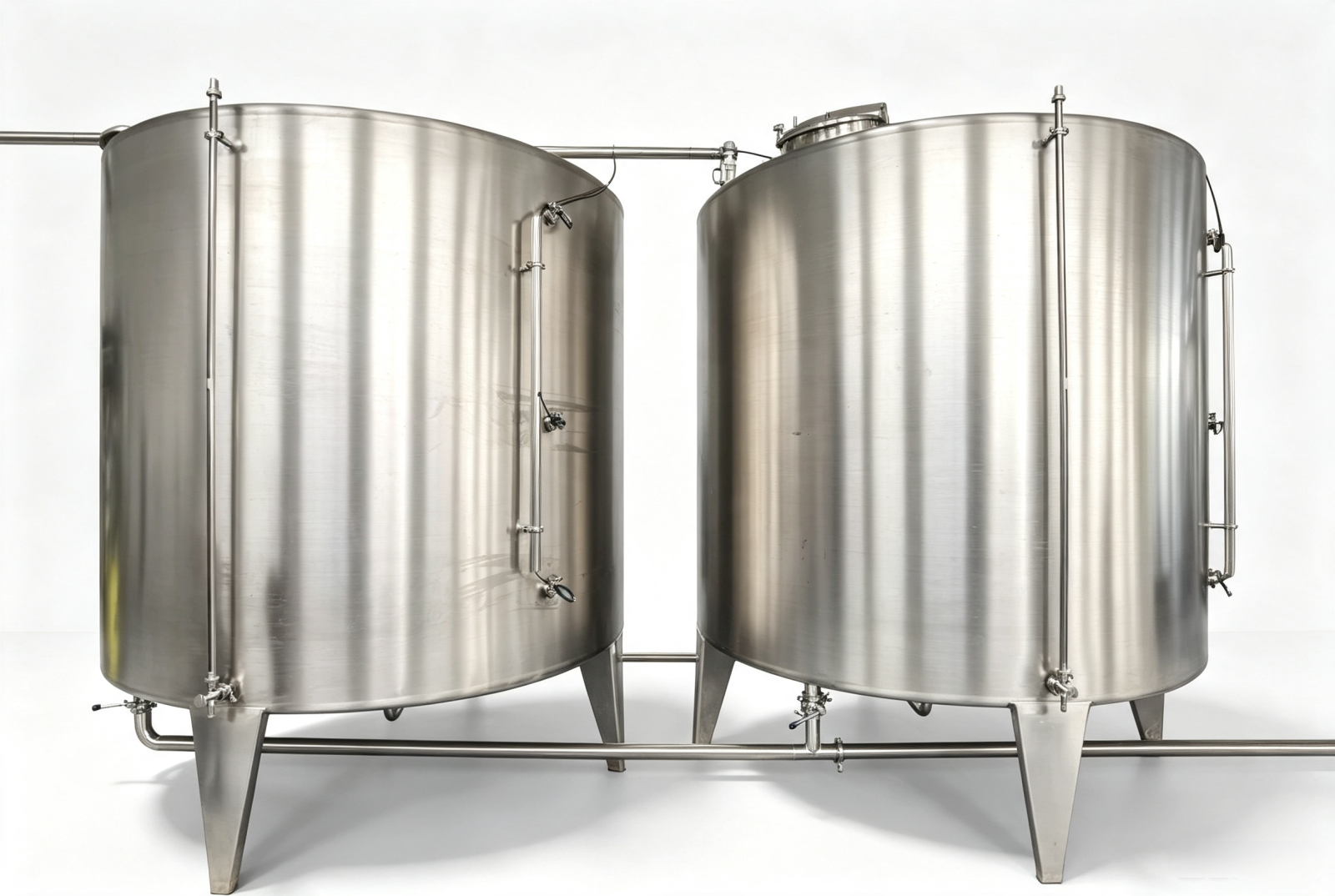
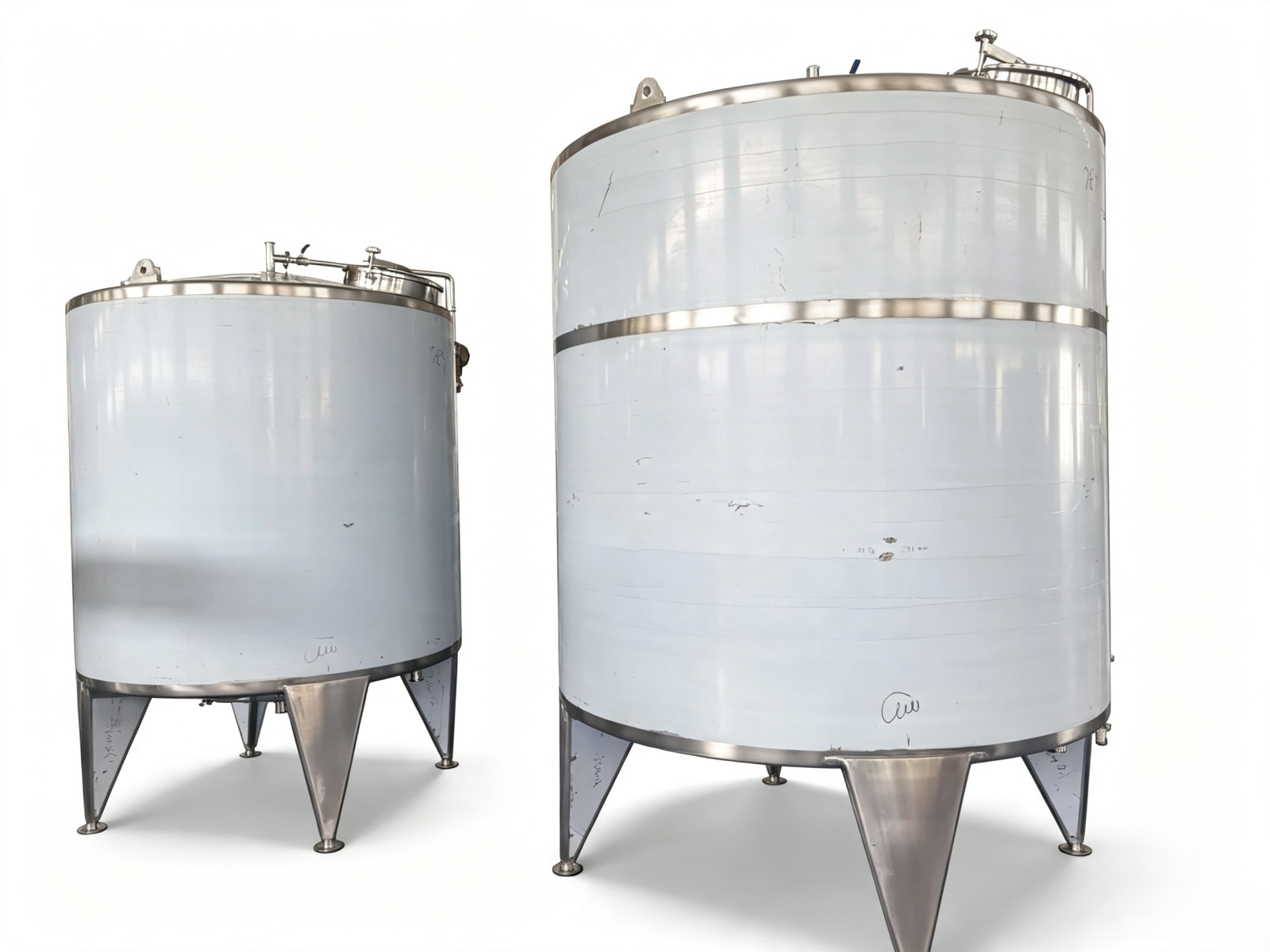
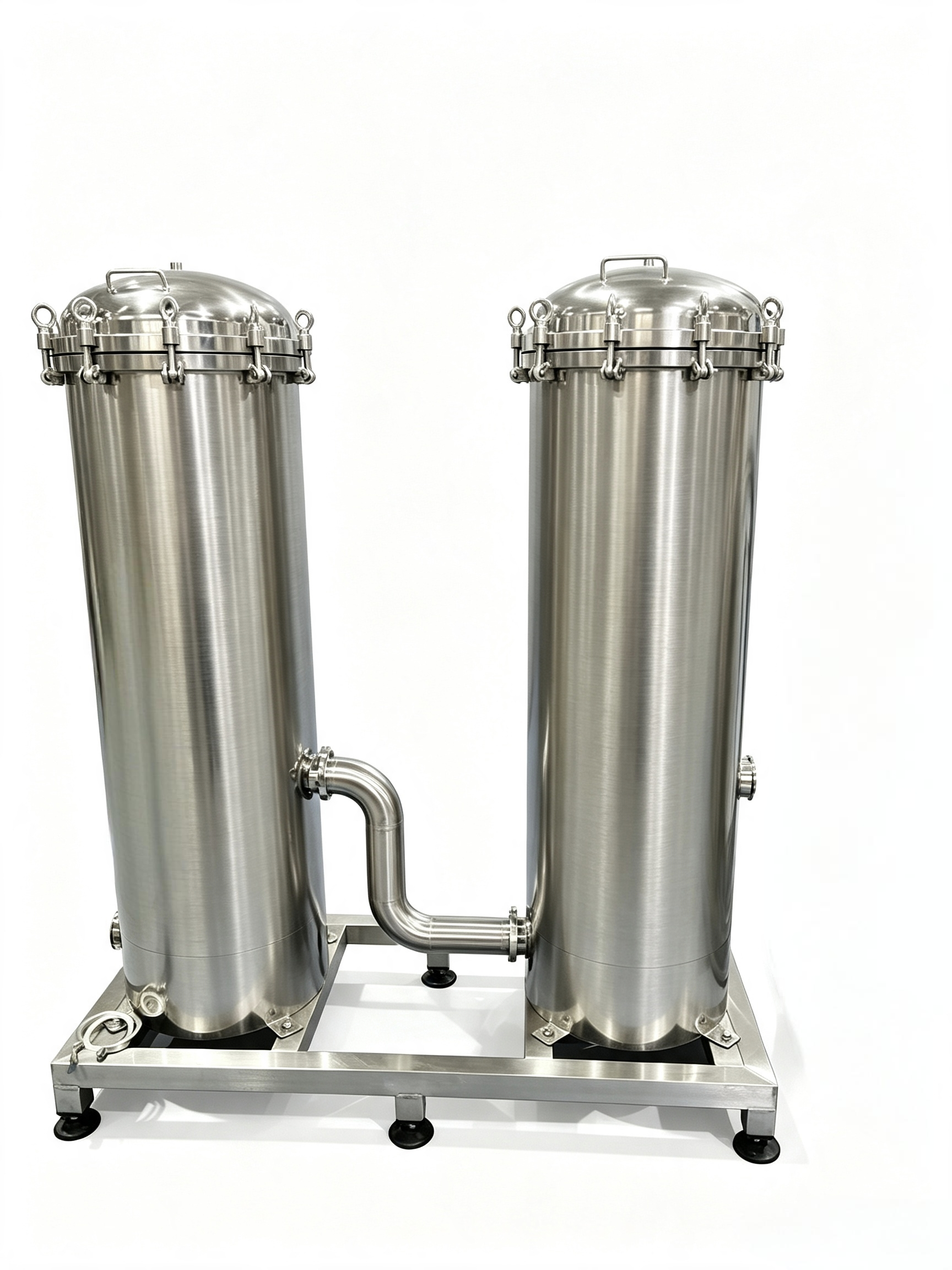
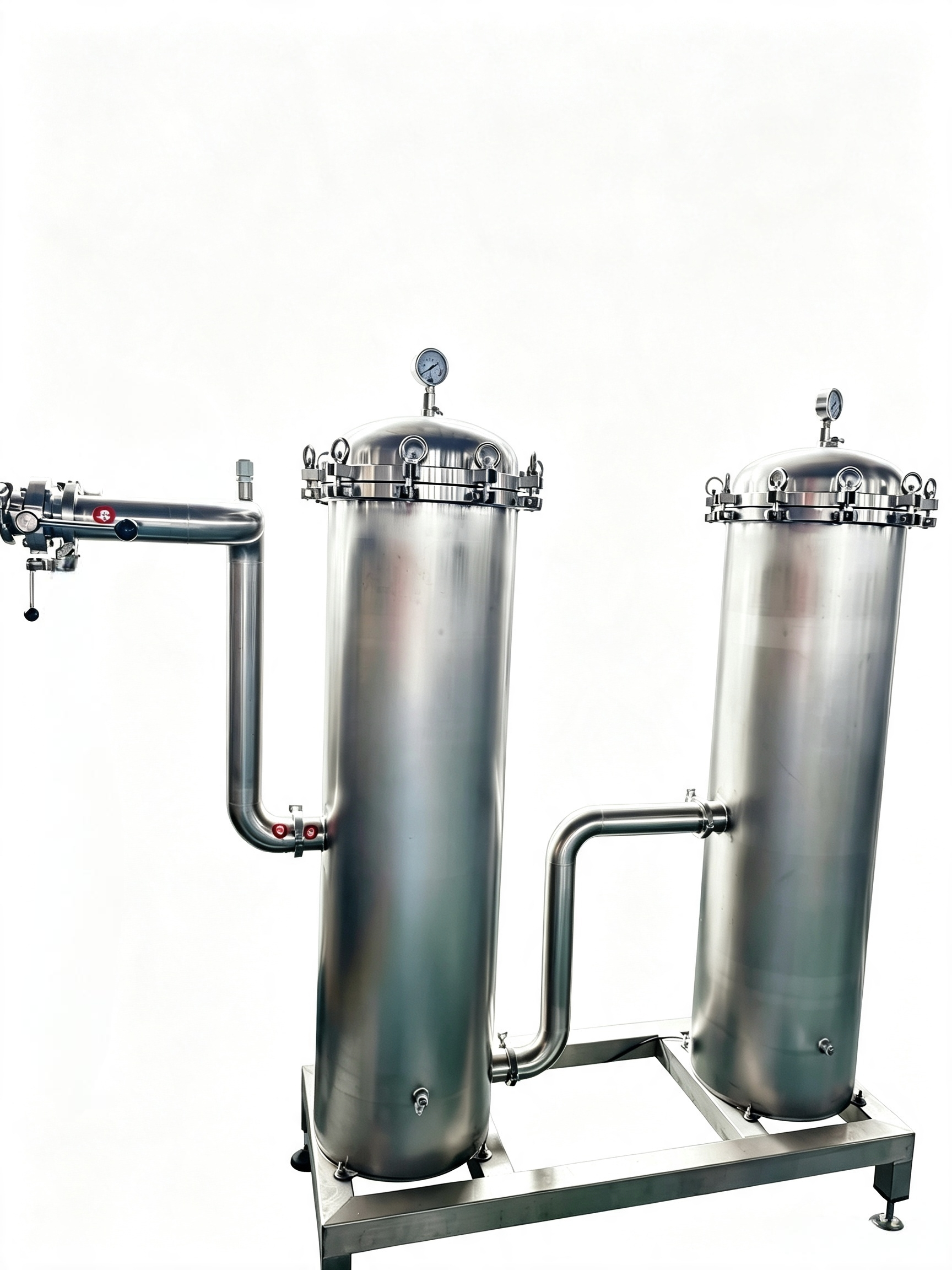
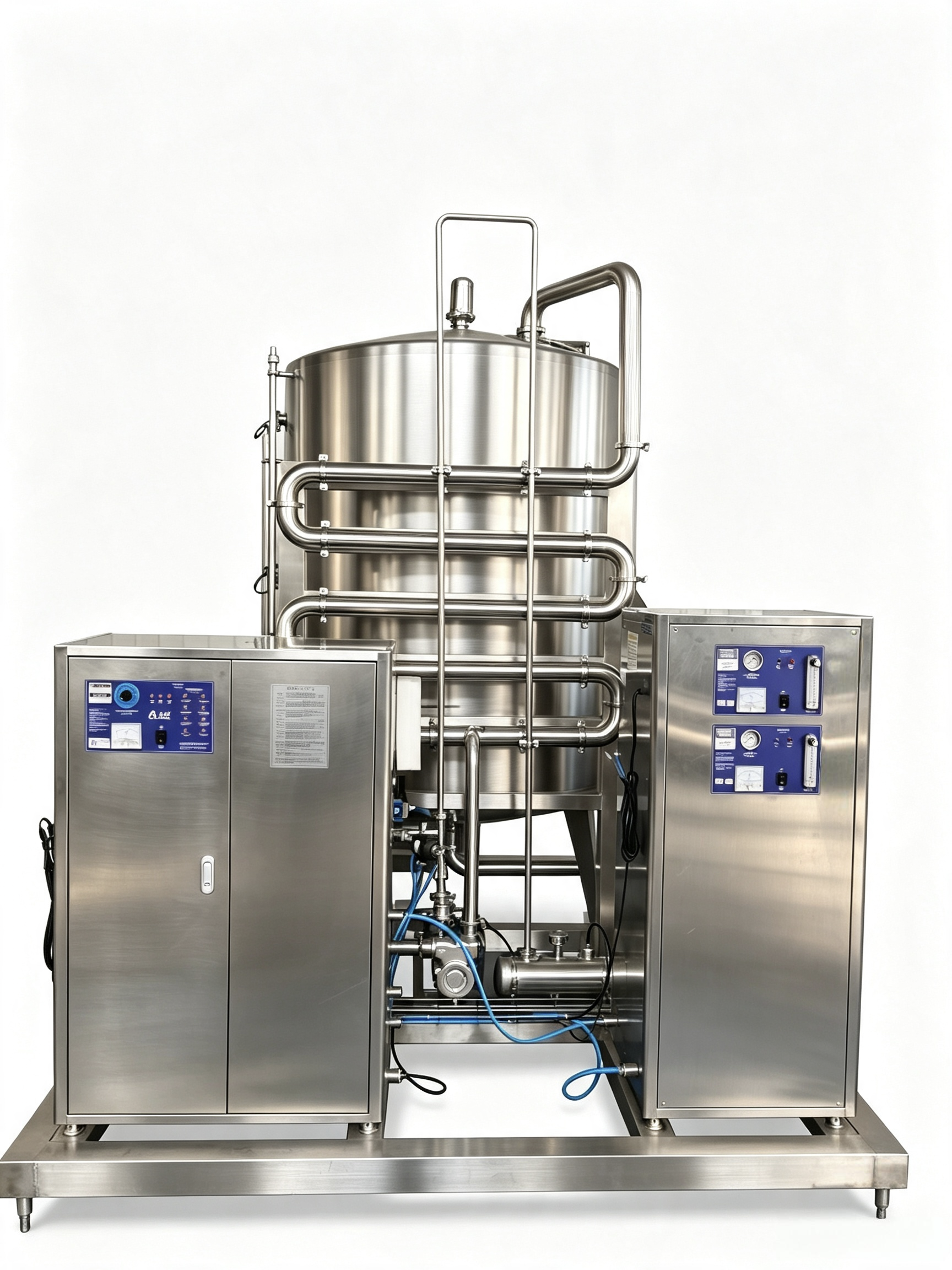
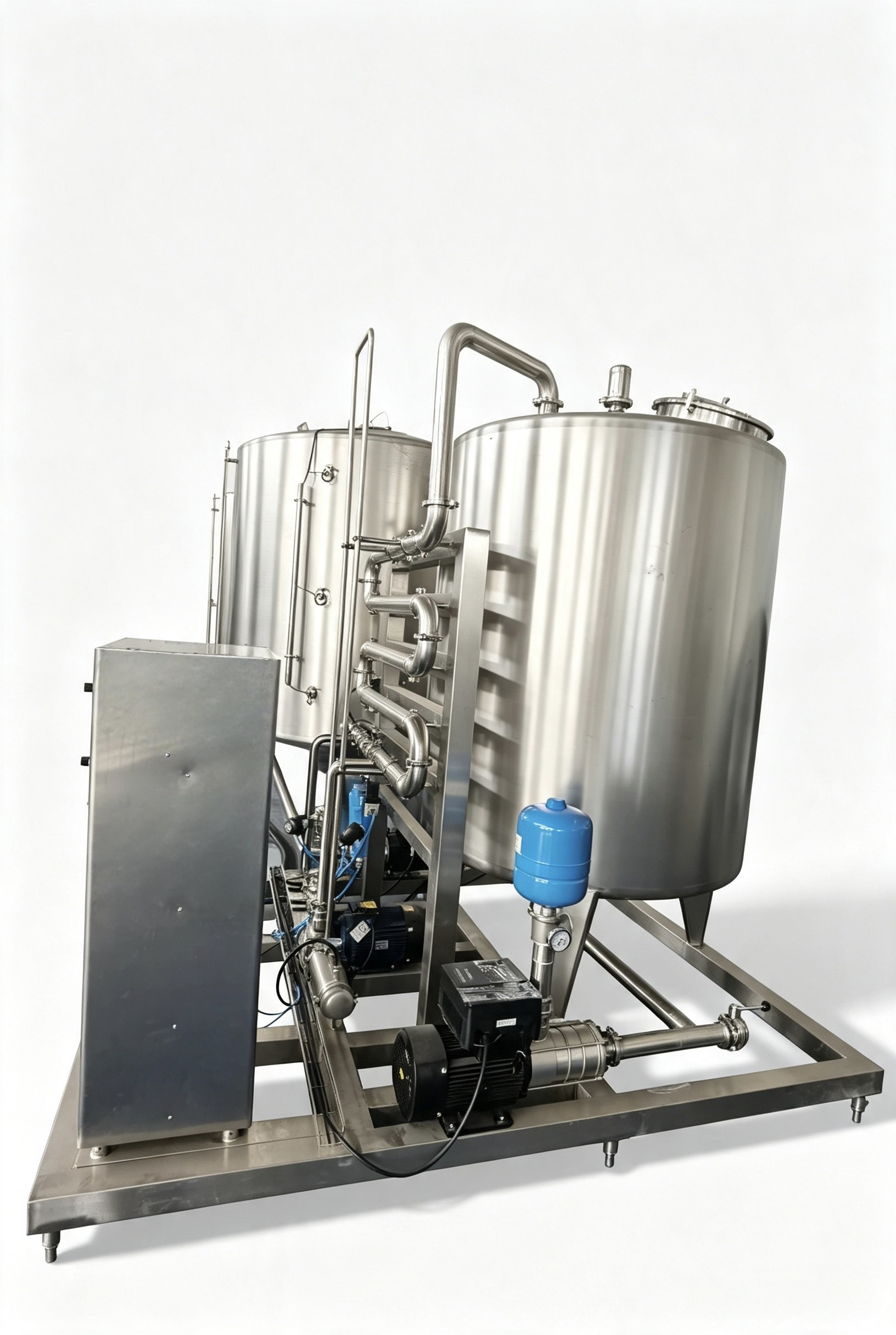
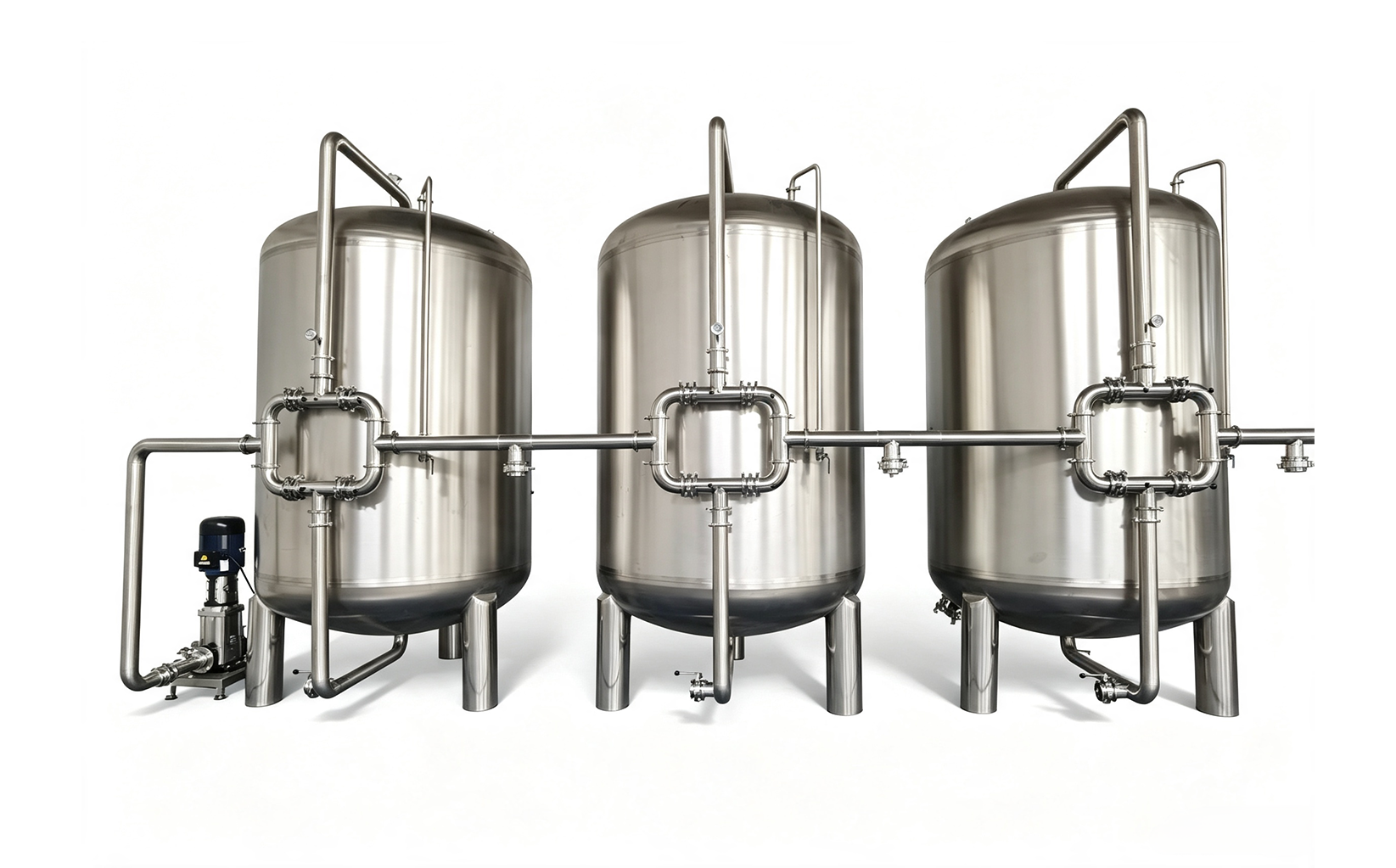
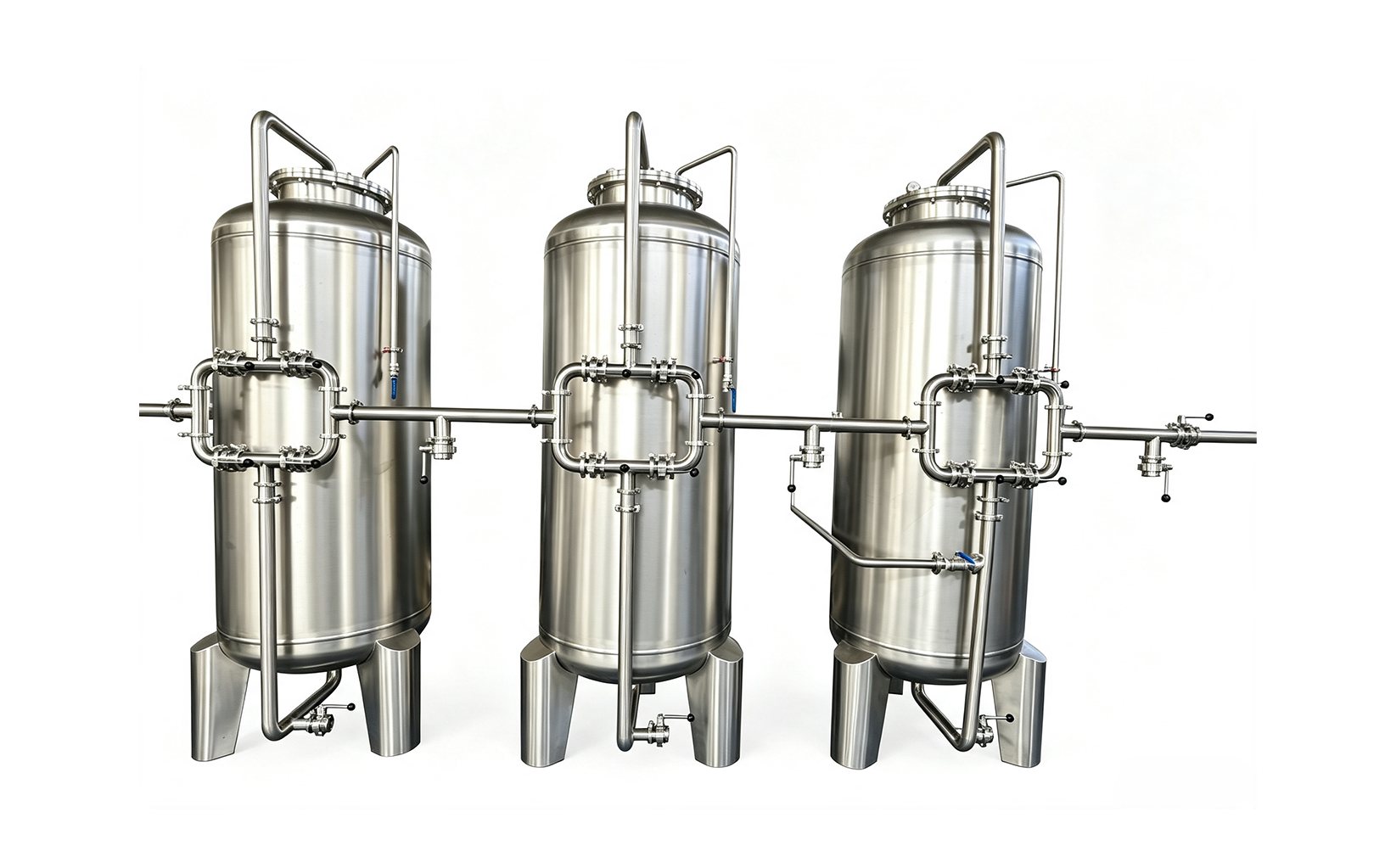
Water tank

Product Value
01
Buffers water storage to balance the timing difference between water production and consumption
02
Stabilizes downstream water pressure and ensures stable equipment operation
03
Allows for sedimentation and flow stabilization, further optimizing water quality
04
Provides emergency water storage to mitigate the risk of system downtime
05
Features a sealed, bacteriostatic design to ensure food-grade water hygiene
Applicability boundaries

Suitable for
Water treatment systems for beverage pure water production lines, RO (reverse osmosis) permeate storage, ingredient mixing, aseptic rinsing, and applications requiring constant-pressure water supply.
Working Principle
It utilizes a sealed, constant-pressure static water storage principle; purified water produced by the RO system flows into the tank for storage, with a liquid level sensor automatically controlling the RO unit—initiating water production when the level is low and stopping to maintain the water level when it is high. The system is equipped with a sterile breather valve and a circulation pipeline.
Core components
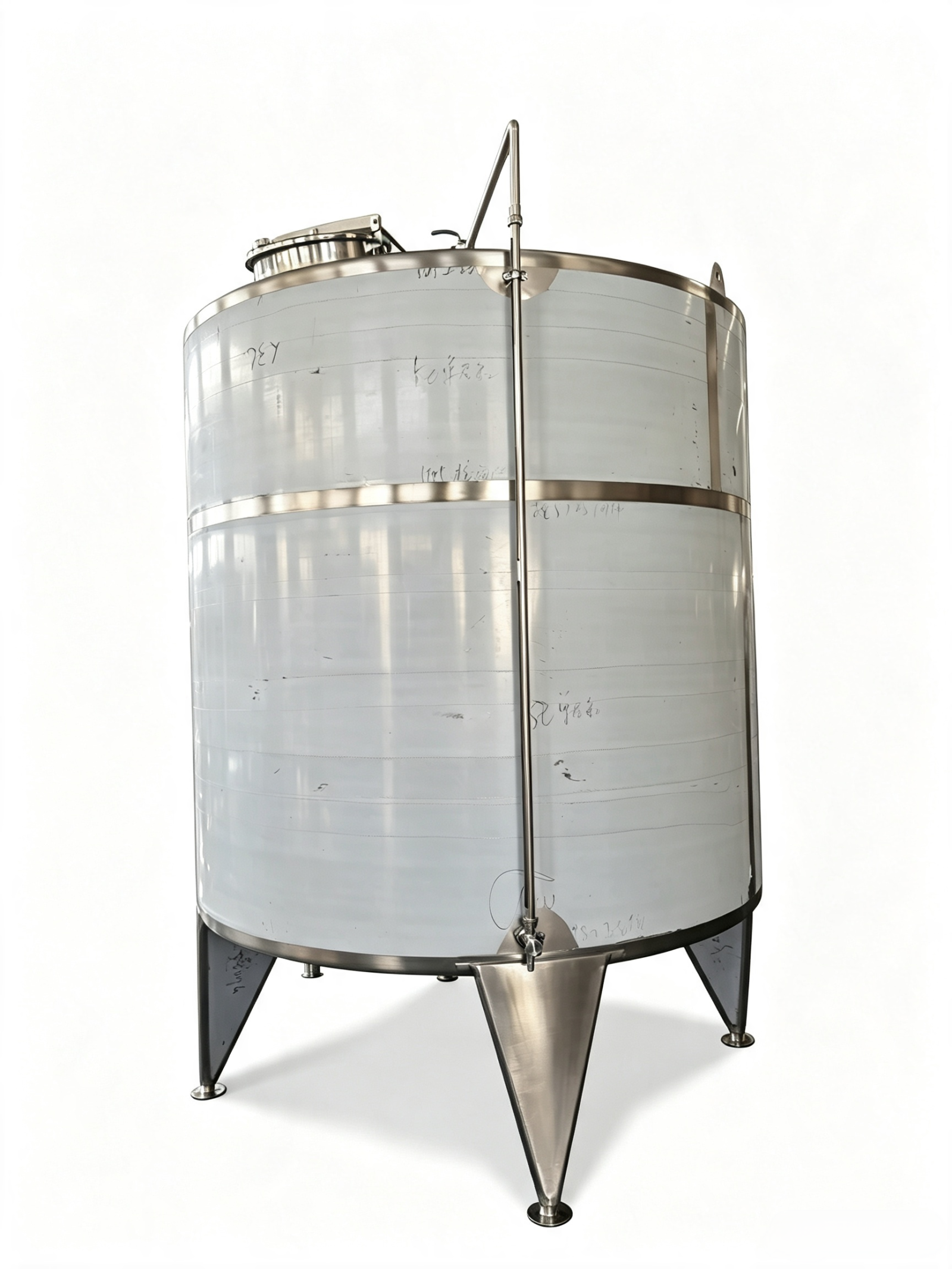
304/316 Stainless Steel Tank
Food-grade sanitary material; non-leaching; rust- and corrosion-resistant
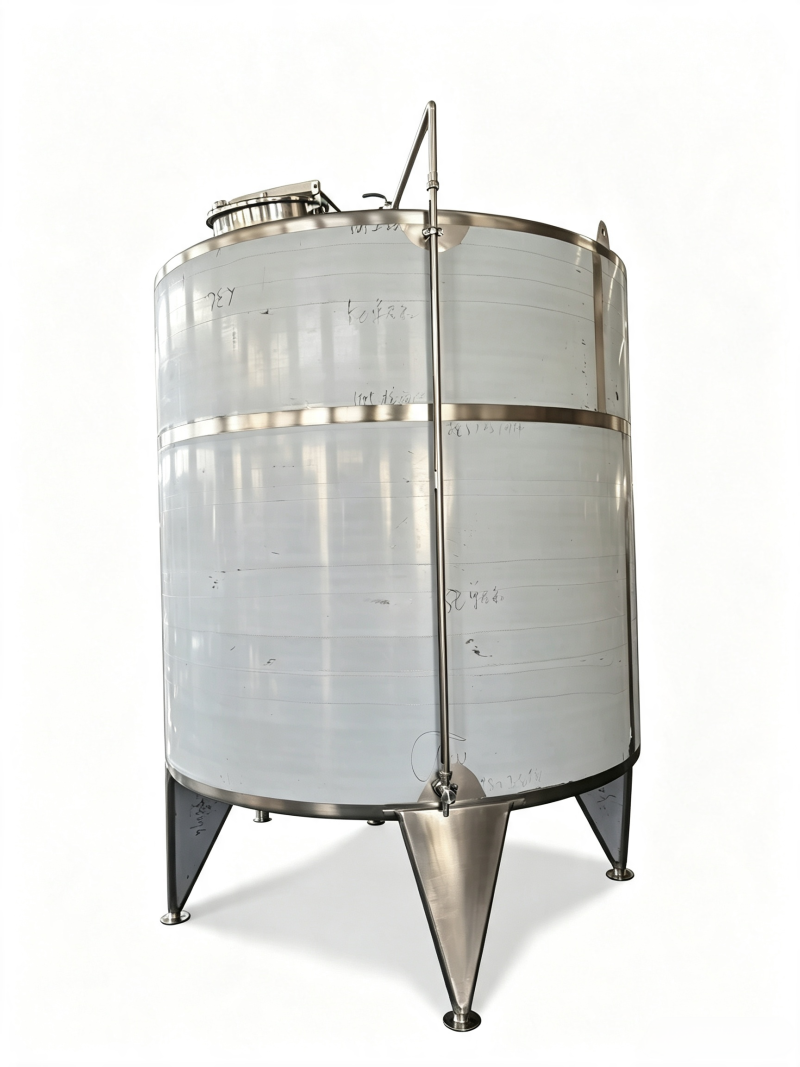
Liquid Level Sensor/Gauge
Automatic start/stop control; high/low water level protection
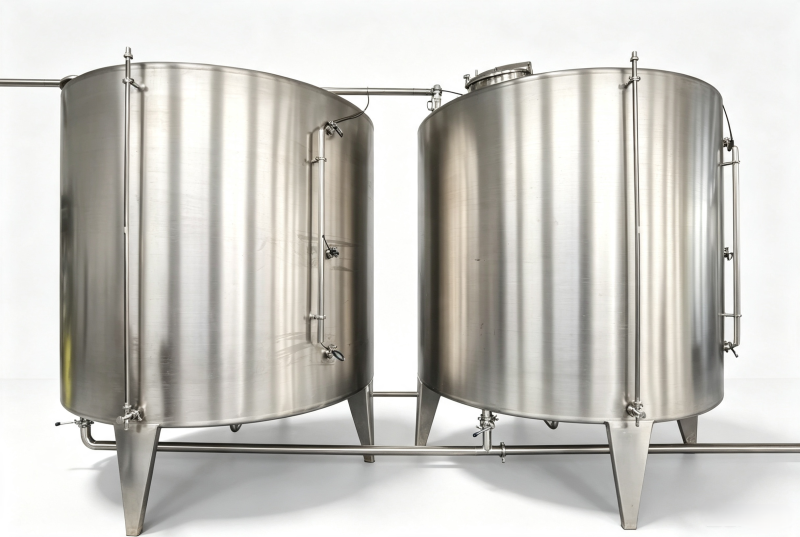
Drain and Circulation Ports
Allows for draining of stagnant water and enables water circulation
Optional
01
Interior and exterior polishing + crevice-free structural bracing (for high-end sterile purified water applications)
02
High/low liquid level alarm system (remote alerts; protection against dry running and overflow)
03
Premium 316L stainless steel construction with thermal insulation (for low-temperature sterile water applications)
Changeover/Cleaning/Maintenance
Inspection
Check for normal start/stop operation based on liquid levels; ensure the tank body is free of leaks and condensation/pooling water; verify that the breather valve is unobstructed and there are no unusual odors.
Consumable Replacement
Replace the sterile breather valve filter element every 6–12 months; replace immediately if clogged or damp.
Model Upgrades
Upgrade to larger-capacity tanks to increase production output; upgrade sterile production lines to 316L stainless steel and incorporate full-loop antimicrobial configurations.
Does the water quality in the purified water tank deteriorate or show excessive bacterial counts over time?
Causes include a faulty breather valve, stagnant water due to a lack of circulation, failure to perform regular disinfection, and poor tank sealing. Solutions involve replacing the breather valve, activating a micro-circulation system, and performing regular CIP (Clean-in-Place) disinfection.
Does the system fail to stop when the tank is full or fail to start when water levels are low?
This may be caused by a contaminated or malfunctioning liquid level sensor or parameter drift. Solutions include cleaning the probe or replacing the sensor, and recalibrating the start/stop liquid levels.
Contact Us
Complete 2 easy steps below to get your factory matrix and a complimentary factory layout design within 24 hours.
Request Factory Price & Factory Layout Within 24h
Request Factory Price & Factory Layout Within 24h